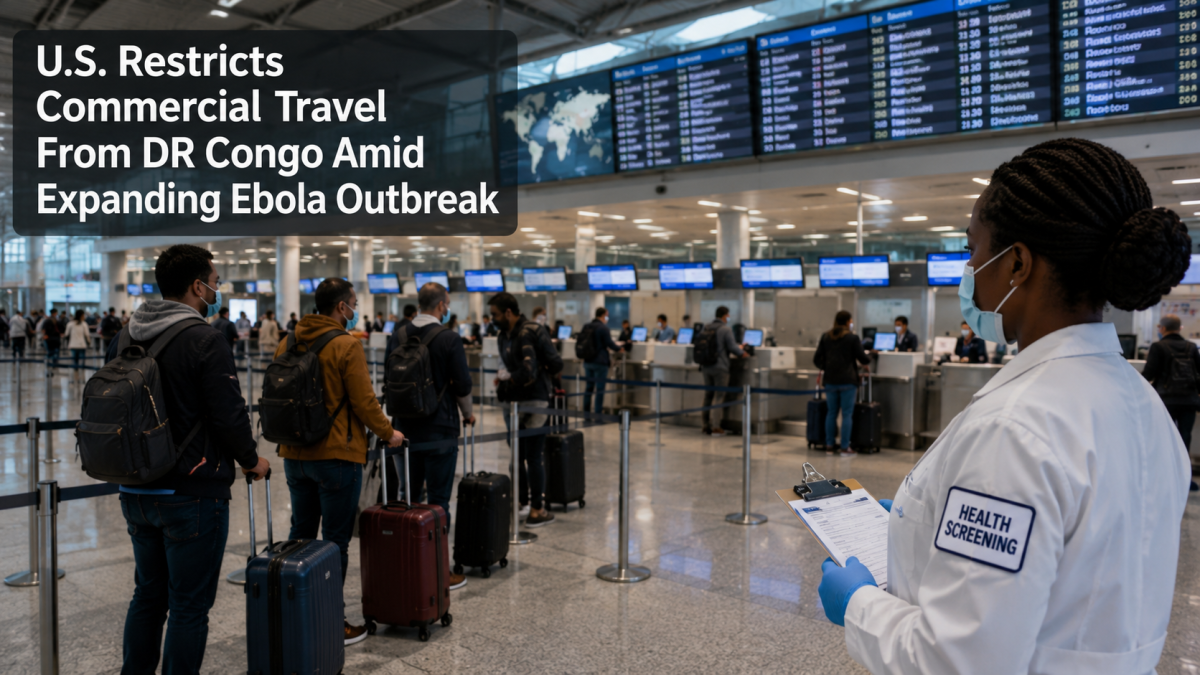
U.S. Restricts Commercial Travel From DR Congo Amid Expanding Ebola Outbreak
The United States has imposed new travel restrictions on American citizens and nationals who have recently been in the Democratic Republic of Congo (DRC), preventing them from boarding commercial flights to the U.S. as officials respond to the country's worsening Ebola outbreak. The temporary measure comes as health authorities monitor the spread of the virus across multiple provinces in the Central African nation.
U.S. Introduces New Entry Restrictions
The U.S. State Department announced Wednesday that American citizens and U.S. nationals who have been in the Democratic Republic of Congo within the previous 21 days will not be allowed to travel directly to the United States on commercial flights.
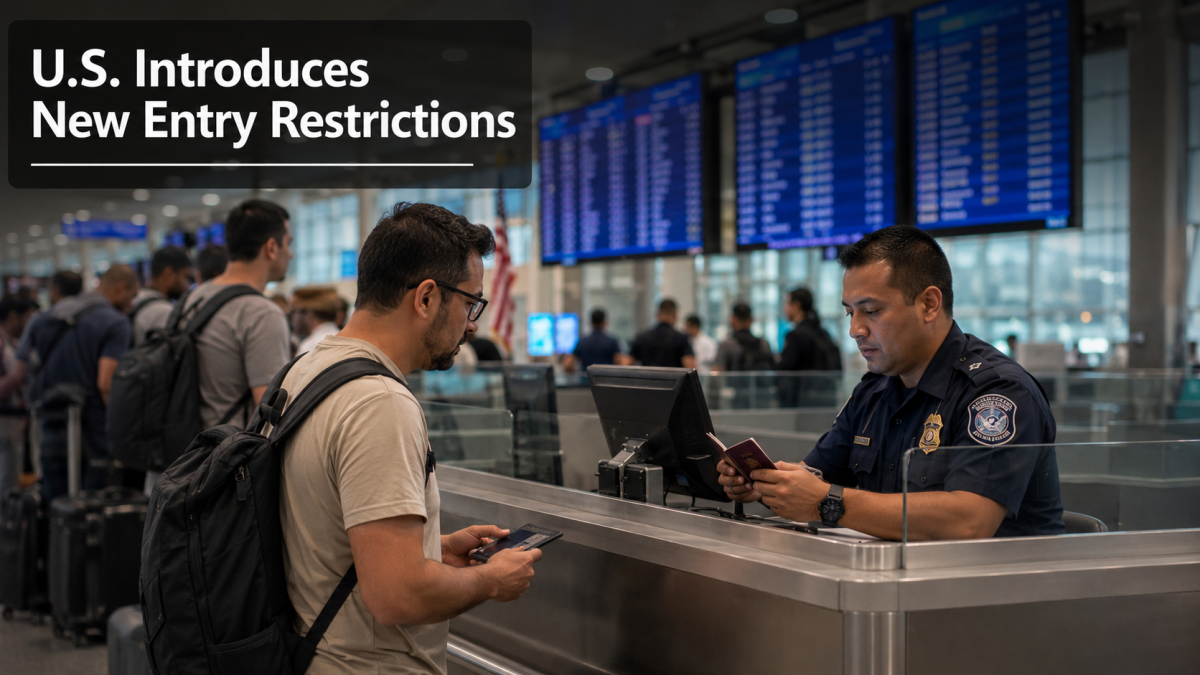
According to guidance issued by the U.S. Embassy in the DRC, affected travelers must remain outside the country for 21 days before they can board a commercial flight bound for the United States.
The restriction is part of the U.S. response to the ongoing Ebola outbreak in the country.
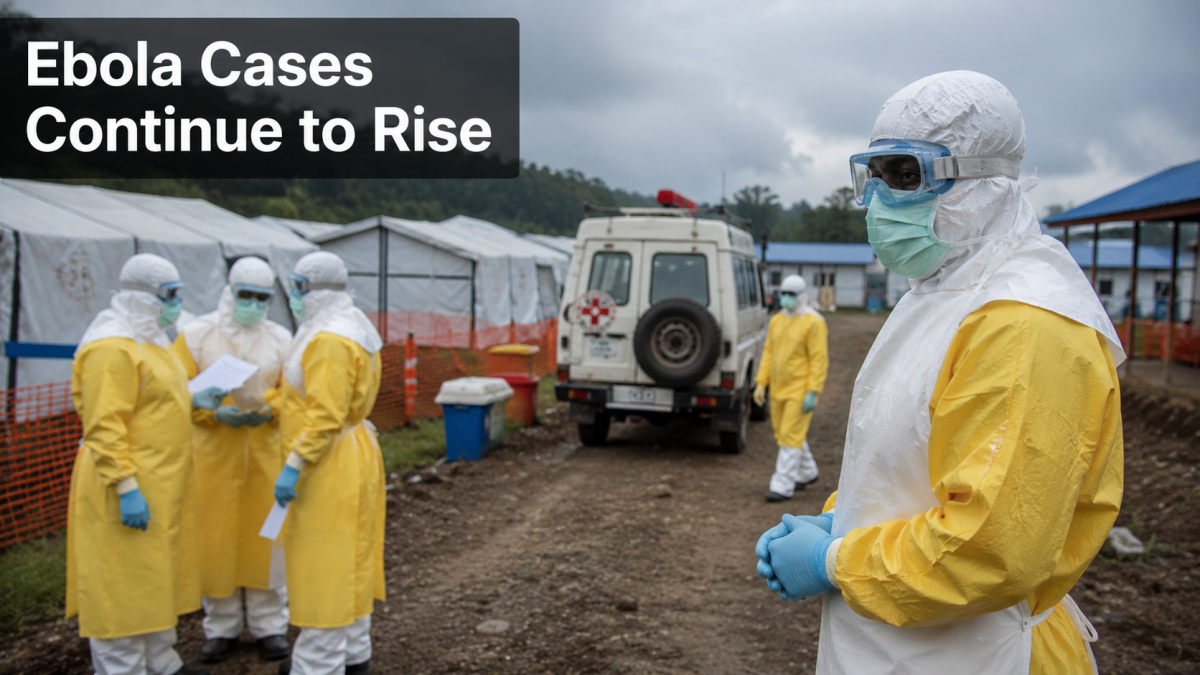
Ebola Cases Continue to Rise
Health authorities in the Democratic Republic of Congo continue to battle a growing Ebola outbreak that has spread across several provinces.
Official government figures released this week reported 1,926 confirmed Ebola cases, including 702 deaths, underscoring the severity of the public health emergency.
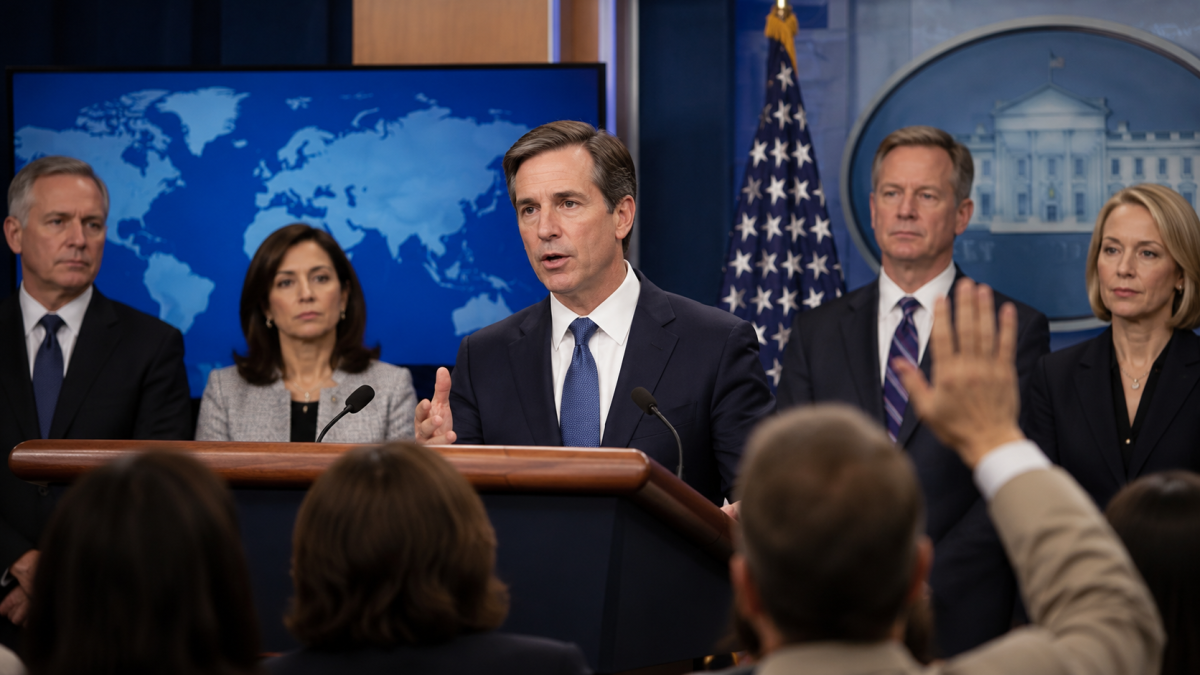
Officials continue working to contain the virus through surveillance, treatment, and contact tracing efforts.
Policy Marks Significant Shift
The travel restrictions represent a significant change in how the United States is handling Americans returning from countries experiencing Ebola outbreaks.

Earlier reporting indicated the Trump administration had begun preventing U.S. citizens in Congo from returning home on commercial flights while the new policy was being finalized.
The State Department confirmed the restrictions on Wednesday.
Public Health Experts Raise Concerns
Some infectious disease experts have questioned the broader implications of the new policy.
Dr. Daniel Jernigan, a former senior official at the U.S. Centers for Disease Control and Prevention who helped oversee the U.S. response during the 2014–2015 West Africa Ebola outbreak, said preventing U.S. citizens with little or no infection risk from returning home through commercial travel is unprecedented.
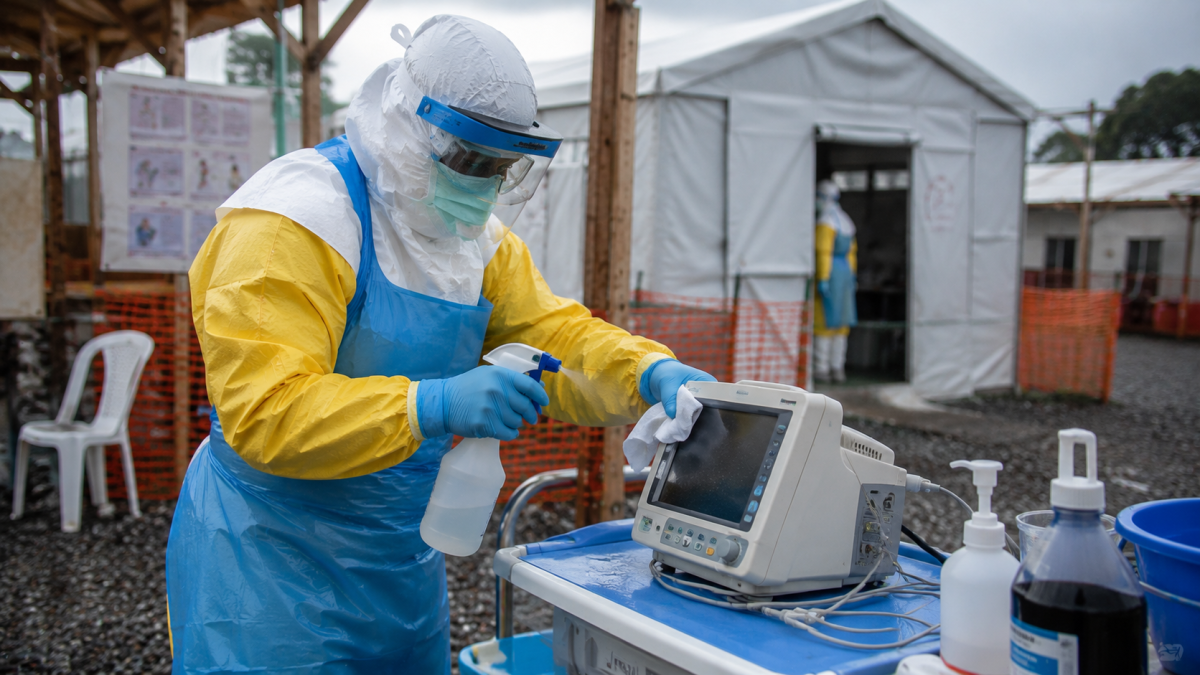
He warned the policy could complicate international outbreak response efforts, shift responsibility to other countries and discourage healthcare workers from volunteering in future Ebola missions.
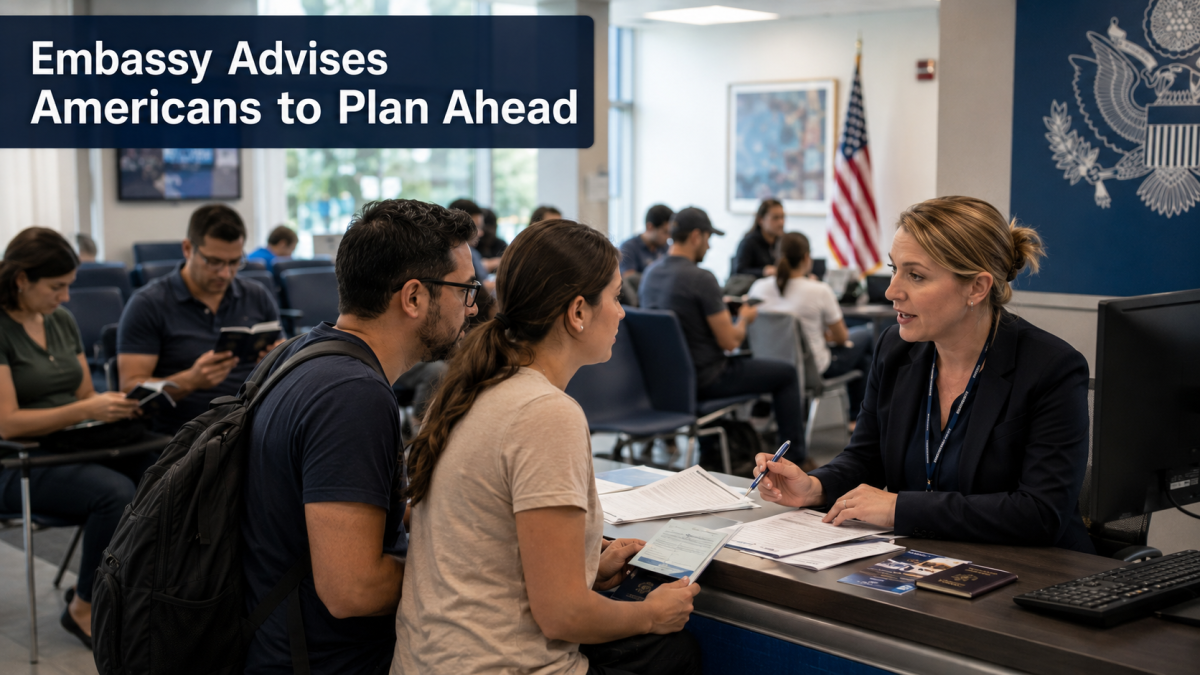
Embassy Advises Americans to Plan Ahead
The U.S. Embassy in the Democratic Republic of Congo has advised American citizens currently in the country to adjust their travel plans accordingly.
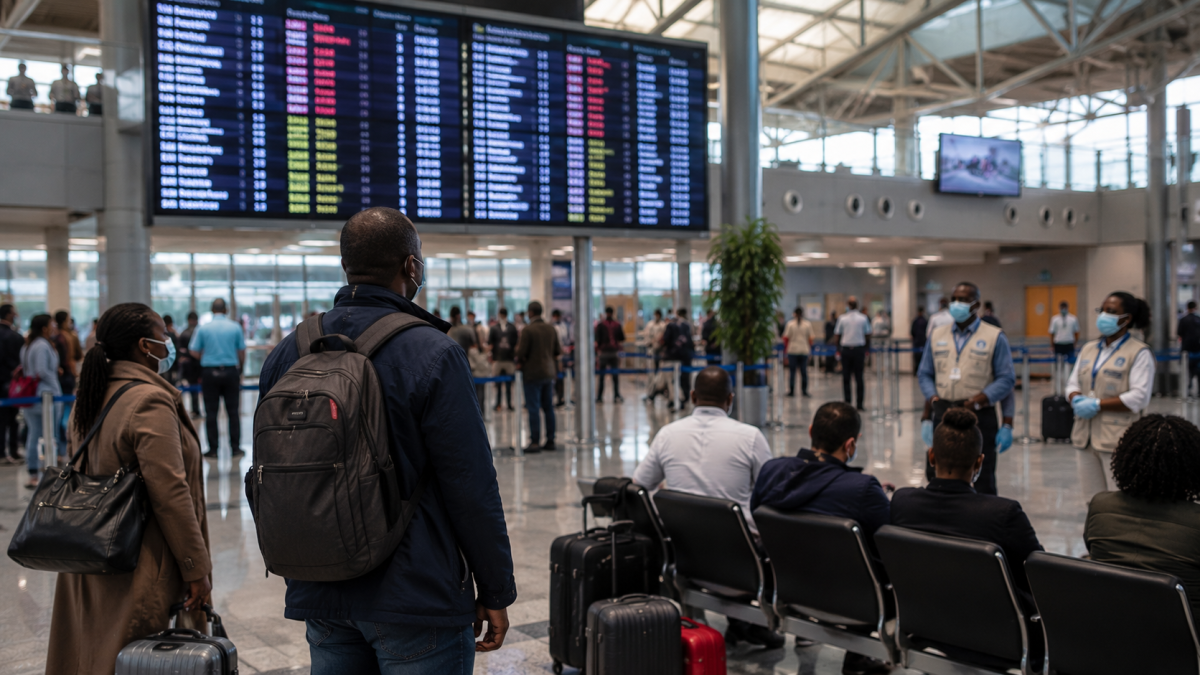
Travelers who have recently been in the DRC are encouraged to remain outside the country for the required 21-day period before attempting to fly to the United States.
Officials have not announced how long the temporary restrictions will remain in place.
Why Ebola Remains a Global Health Concern
Ebola is a highly contagious viral disease that spreads through direct contact with the bodily fluids of infected individuals or contaminated materials.
Although outbreaks are generally contained through aggressive public health measures, the virus carries a high fatality rate if left untreated, making rapid detection and isolation critical.
International health agencies continue working alongside Congolese authorities to limit further transmission.
What Happens Next?
U.S. officials are expected to continue monitoring the Ebola outbreak and could adjust travel policies as the situation evolves.
For now, Americans in or recently departing the Democratic Republic of Congo are being advised to follow embassy guidance and remain informed about any additional travel restrictions or health advisories.
Frequently Asked Questions (FAQ)
Why has the U.S. restricted travel from the Democratic Republic of Congo?
The restrictions were introduced because of the ongoing Ebola outbreak in the Democratic Republic of Congo and are intended to reduce the risk of the virus entering the United States through commercial air travel.
Who is affected by the new policy?
American citizens and U.S. nationals who have been in the Democratic Republic of Congo within the previous 21 days are affected by the temporary commercial flight restrictions.
How long must travelers wait before returning to the U.S.?
According to U.S. Embassy guidance, affected travelers must remain outside the Democratic Republic of Congo for 21 days before boarding a commercial flight to the United States.
How serious is the Ebola outbreak?
Official figures from Congolese authorities report 1,926 confirmed Ebola cases and 702 deaths, with infections recorded across multiple provinces.
Why are some experts criticizing the policy?
Some public health experts argue that restricting Americans with little infection risk from returning home could discourage outbreak response efforts and create additional challenges for international public health operations.