South Korea Expands Emergency Response as Record Heatwave Becomes National Disaster
South Korean President Lee Jae Myung has declared the country's ongoing heatwave a national disaster, directing government agencies to strengthen emergency support while calling for a comprehensive review of South Korea's disaster response system to prepare for increasingly prolonged periods of extreme weather.
The declaration follows record-breaking temperatures, rising heat-related illnesses, and growing pressure on public services as authorities respond to one of the most severe heatwaves in the country's recorded history.
Health officials say the crisis extends beyond unusually hot weather, affecting healthcare systems, electricity demand, vulnerable communities, transportation, and daily life across South Korea.
Quick Facts
- South Korea has recorded 19 heatwave-related deaths.
- Thirteen of the victims were aged 80 or older.
- Authorities have reported 2,025 heat-related illnesses since May 15.
- Yangsan reached 42.5°C (108.5°F), the highest temperature recorded in South Korea's 122 years of weather observations.
- Seoul received its first-ever official heatwave warning, later expanded across the capital.
- Authorities have relocated vulnerable residents to air-conditioned emergency shelters.
How Severe Is South Korea's Current Heatwave?
The current heatwave has broken national temperature records and prompted one of South Korea's largest emergency responses to extreme heat.
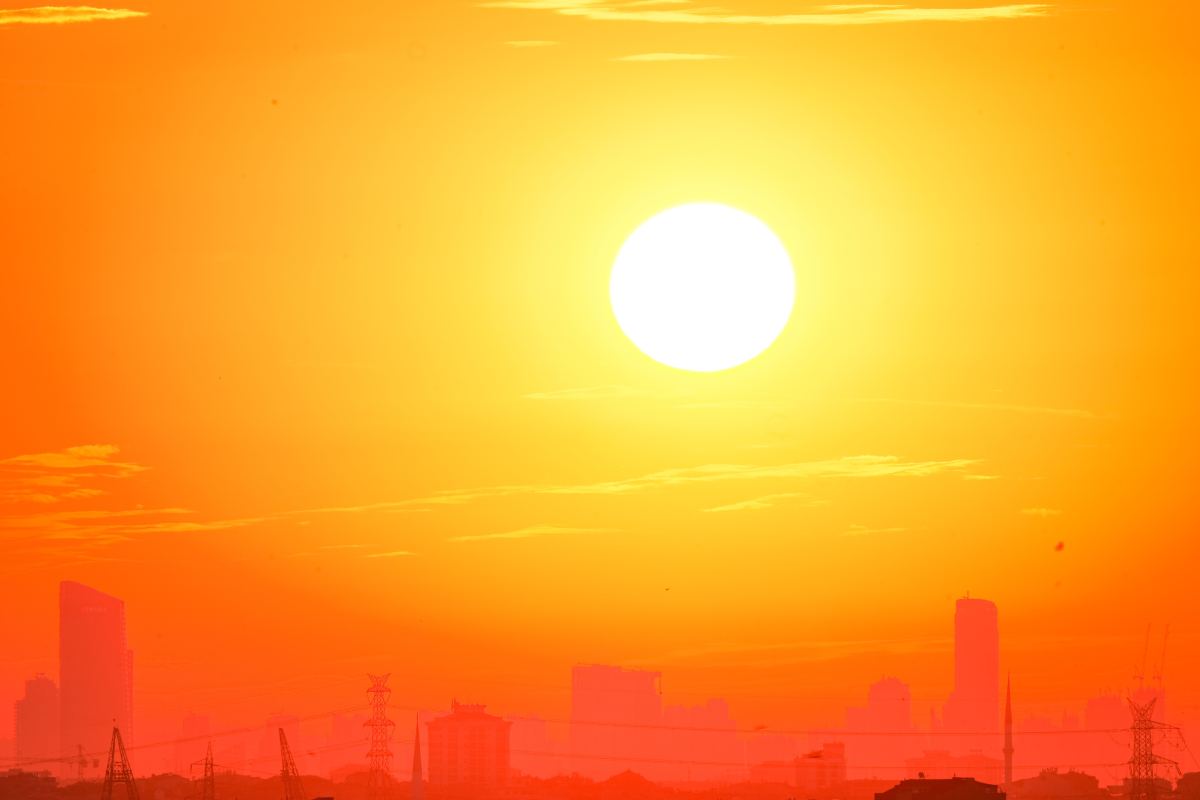
On Sunday, Yangsan recorded 42.5°C (108.5°F), setting the highest temperature ever officially measured in the country since modern weather observations began 122 years ago.
The Korea Meteorological Administration also issued the first heatwave warning ever for Seoul, later expanding the warning to cover the entire metropolitan area.
Officials advised residents to suspend outdoor activities—including farming, construction work, and sporting events—during periods of extreme heat to reduce the risk of heat-related illness.
Why Is the Heatwave Being Treated as a National Disaster?
Direct Answer
South Korea has classified the heatwave as a national disaster because record-breaking temperatures have caused deaths, thousands of heat-related illnesses, increased pressure on electricity systems, disrupted daily life, and placed vulnerable populations at heightened risk.
Unlike short-lived periods of hot weather, prolonged heatwaves can affect multiple sectors simultaneously.
Extreme temperatures increase hospital admissions, strain energy infrastructure through higher air-conditioning demand, reduce labor productivity, disrupt transportation and sporting events, and create serious health risks for elderly residents and people without reliable cooling.
Recognizing these broader impacts, President Lee ordered agencies to strengthen immediate relief efforts while reviewing whether existing disaster management systems remain adequate for future climate-related emergencies.
Rising Health Risks Across the Country
Health authorities reported that the nationwide death toll linked to the heatwave has risen to 19, with 13 fatalities involving people aged 80 or older.
Since May 15, officials have documented 2,025 cases of heat-related illness, highlighting the growing burden on healthcare services.
Older adults remain particularly vulnerable because prolonged exposure to high temperatures can increase the risk of heat exhaustion, heatstroke, dehydration, and complications involving pre-existing medical conditions.
Authorities continue conducting health checks on elderly residents and other high-risk groups across affected communities.
Government Expands Emergency Measures
To reduce the impact of the heatwave, government agencies have introduced a range of emergency responses.
Authorities are:
- Inspecting electricity infrastructure as demand for air conditioning reaches unusually high levels.
- Monitoring vulnerable residents for signs of heat-related illness.
- Spraying water onto roads in some areas to lower surface temperatures.
- Relocating residents living in vulnerable housing into temporary government shelters equipped with air conditioning.
Officials have also expressed concern for homeless people and individuals living in jjokbang neighborhoods, where extremely small single-room accommodations often lack sufficient cooling during periods of extreme heat.
Daily Life Is Being Disrupted
The prolonged heatwave is affecting activities well beyond public health.
Two professional baseball games scheduled in Seoul and Gwangju were canceled because of dangerous weather conditions, illustrating how sustained extreme temperatures are disrupting sports, recreation, and outdoor events.
Construction workers, farmers, and outdoor laborers have also been advised to suspend work during the hottest parts of the day to reduce health risks.
As temperatures remain elevated, businesses and public institutions may continue adjusting operating schedules to protect workers and the public.
South Korea Reflects a Wider Trend Across East Asia
South Korea's experience mirrors broader weather challenges emerging across East Asia.
Many countries in the region have experienced more frequent and prolonged periods of extreme heat in recent years, increasing pressure on healthcare systems, electricity grids, agriculture, water resources, and urban infrastructure.
Governments are increasingly investing in heat-response plans that include expanded cooling shelters, stronger public health warning systems, improved emergency services, and upgraded energy infrastructure capable of meeting higher summer electricity demand.
Experts say preparing for extreme heat is becoming a long-term public policy priority rather than a seasonal response.
What Happens Next?
South Korean authorities are expected to continue monitoring weather conditions while expanding assistance for vulnerable communities.
The government will also review its disaster response framework to determine whether additional reforms are needed to address increasingly prolonged periods of extreme heat.
Meteorologists and emergency agencies will continue assessing conditions as officials work to minimize further health impacts and maintain critical public services.
Why It Matters
South Korea's record-breaking heatwave demonstrates how extreme temperatures are becoming a growing public health and infrastructure challenge across Asia. Beyond the immediate toll of deaths and heat-related illnesses, prolonged heat affects electricity demand, transportation, labor productivity, agriculture, and the wellbeing of vulnerable communities.
As governments across East Asia confront increasingly frequent extreme weather events, long-term investment in climate resilience, public health preparedness, and disaster management systems is becoming essential. South Korea's response may serve as an important reference point for how countries adapt to a future in which severe heatwaves become more common.