Tanning Trends Are Returning, but Health Experts Say the Risks Have Never Changed
Dermatologists and public health experts are warning that the growing popularity of tanning on social media is encouraging behaviors that increase the risk of skin damage and skin cancer. Medical professionals stress that a tan is not a sign of healthy skin—it is evidence that ultraviolet (UV) radiation has already damaged skin cells.
The renewed interest in bronzed skin comes despite decades of scientific research linking excessive UV exposure to melanoma, premature skin aging, and DNA damage. Health organizations say misinformation circulating online is contributing to dangerous misconceptions, particularly among younger audiences who are increasingly exposed to tanning-related content.

As summer temperatures rise and outdoor activities increase, experts are urging people to prioritize proven sun protection rather than chasing beauty trends that may carry long-term health consequences.
Quick Facts
- The American Cancer Society estimates more than 100,000 new melanoma cases will be diagnosed in the United States in 2026.
- Approximately 8,500 deaths from melanoma are expected this year.
- Tanning bed users have nearly three times the risk of developing melanoma compared with non-users.
- Tanning beds can emit more than 10 times the ultraviolet radiation produced by natural sunlight.
- The World Health Organization classifies tanning beds as Group 1 carcinogens, alongside tobacco and asbestos.
Why Are Health Experts Concerned About Tanning's Return?
Medical professionals say social media has helped revive tanning as a beauty trend, particularly among teenagers and young adults.
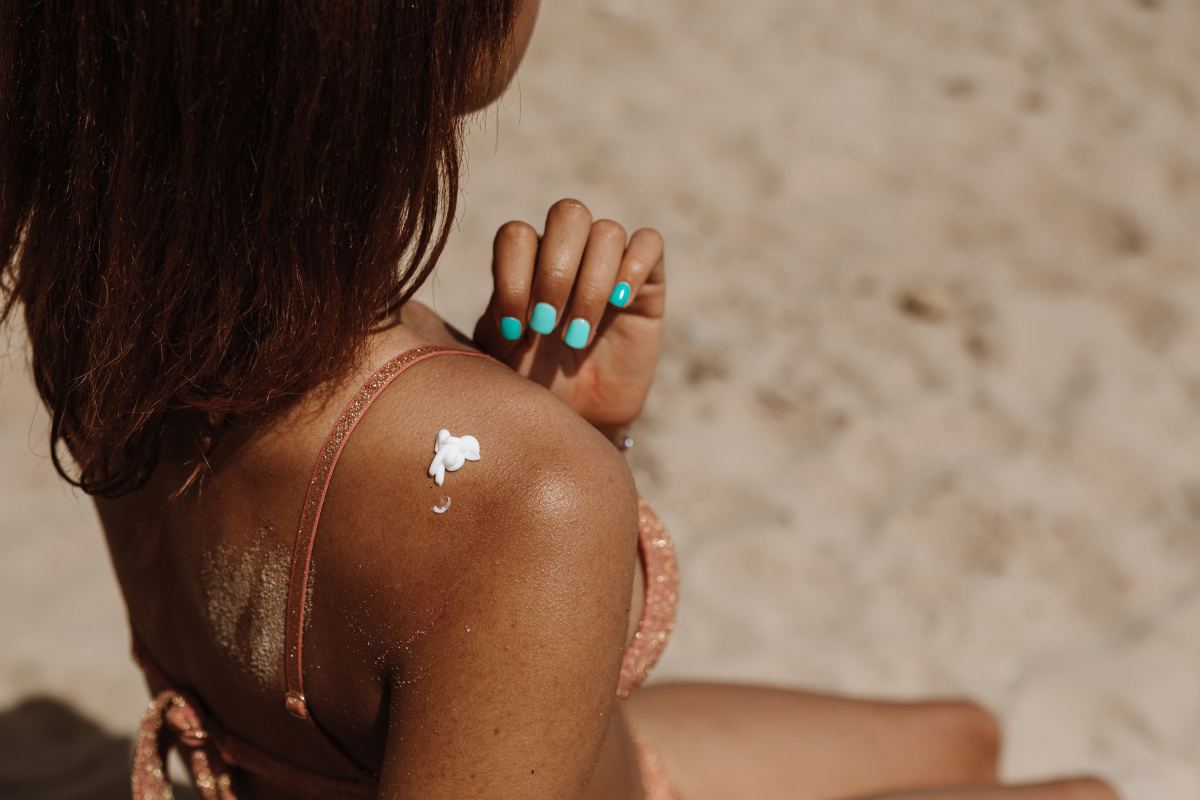
According to dermatologists, some online content promotes prolonged sun exposure during periods of intense ultraviolet radiation or questions the effectiveness of sunscreen, despite longstanding medical advice recommending consistent sun protection.
A 2025 survey by the American Academy of Dermatology found that more than 20% of young adults prioritized getting a tan over protecting their skin. More than half also believed common misconceptions, including the belief that developing a "base tan" helps prevent future sunburn.
Health experts say these misconceptions contradict decades of scientific evidence.
What Happens to Your Skin When You Tan?
Direct Answer
A tan develops because ultraviolet (UV) radiation damages skin cells, triggering the production of additional melanin as the body attempts to protect itself from further injury. A tan is therefore a biological response to skin damage—not evidence of healthy skin.
When ultraviolet radiation reaches the skin, it penetrates skin cells and damages DNA.
Melanocytes—the cells responsible for producing melanin—respond by increasing pigment production, causing the skin to darken. Although this additional pigment provides limited protection against future UV exposure, it does not prevent ongoing DNA damage.
Repeated exposure over time increases the likelihood of genetic mutations that can contribute to skin cancers, including melanoma.
Why Are Tanning Beds Considered Especially Dangerous?
Research has consistently shown that artificial tanning devices pose significant health risks.
Studies comparing tanning bed users with people who never used indoor tanning found that users had nearly three times the risk of developing melanoma.
Other research examining skin cells reported that tanning bed users experienced more than twice the DNA mutation rate in melanocytes compared with individuals exposed only to natural sunlight.
One reason is the intensity of the exposure.
According to health experts, tanning beds may emit more than ten times the ultraviolet radiation produced by natural sunlight, delivering concentrated UV doses in relatively short periods.
Because of these risks, the World Health Organization classifies tanning beds as Group 1 carcinogens, placing them in the same highest-risk category as tobacco and asbestos.
Separating Tanning Myths From Medical Facts
Myth: A Base Tan Protects Against Sunburn
Medical Fact: Dermatologists say there is no such thing as a safe tan. While slightly darker skin may provide minimal natural protection, UV exposure continues damaging skin cells and increasing cancer risk.
Myth: Indoor Tanning Is Safer Than Sunlight
Medical Fact: Research shows tanning beds often expose users to much higher levels of ultraviolet radiation than natural sunlight, increasing the risk of melanoma and premature skin aging.
Myth: Young People Don't Need to Worry About Skin Cancer
Medical Fact: According to the American Academy of Dermatology, using tanning beds before the age of 20 increases melanoma risk by 47%, highlighting the importance of early prevention.
How Governments and Health Organizations Are Responding
Public health agencies have introduced various measures to reduce exposure to artificial UV radiation.
California became the first U.S. state to ban tanning bed use by minors in 2012, and several other states have since implemented similar restrictions.
More recently, however, the U.S. Food and Drug Administration (FDA) withdrew a proposed rule in March that would have prohibited tanning bed use by individuals under 18, citing concerns about potential unintended consequences.
Health organizations continue emphasizing education, early prevention, and evidence-based public awareness campaigns as the most effective strategies for reducing skin cancer risk.
How to Protect Your Skin During Extreme Summer Heat
Direct Answer
Dermatologists recommend reducing ultraviolet exposure through consistent sun protection rather than relying on tanning or unproven home remedies.
Evidence-based recommendations include:
- Apply a broad-spectrum sunscreen with SPF 30 or higher before going outdoors.
- Reapply sunscreen regularly, especially after swimming or sweating.
- Wear long-sleeved clothing, wide-brimmed hats, and UV-protective sunglasses.
- Limit outdoor activities during peak UV hours whenever possible.
- Stay well hydrated during periods of extreme heat.
Some individuals use aloe vera, cucumber, yogurt, or cold milk after sun exposure to soothe irritated skin. While these remedies may provide temporary comfort for some people, health experts note that scientific evidence supporting their effectiveness varies, and they should never replace preventive sun protection.
Why Social Media Can Influence Health Decisions
Digital platforms have become major sources of beauty advice, particularly among younger audiences.
Experts say that visually appealing tanning content can normalize risky behaviors while making medical guidance appear less compelling. Because social media algorithms often amplify popular trends, misleading information about tanning or sunscreen may spread rapidly.
Dermatologists encourage people to rely on recommendations from qualified healthcare professionals and established public health organizations rather than viral online content when making decisions about skin protection.
Why It Matters
The renewed popularity of tanning highlights the growing influence of social media on health-related behavior. Although beauty trends continue to evolve, scientific evidence has remained consistent: ultraviolet radiation damages skin, accelerates aging, and increases the risk of skin cancer.
As melanoma cases continue to rise, public health experts stress that prevention remains the most effective strategy. Understanding the science behind UV exposure, recognizing common tanning myths, and adopting everyday sun protection habits can significantly reduce long-term health risks while allowing people to enjoy outdoor activities safely.