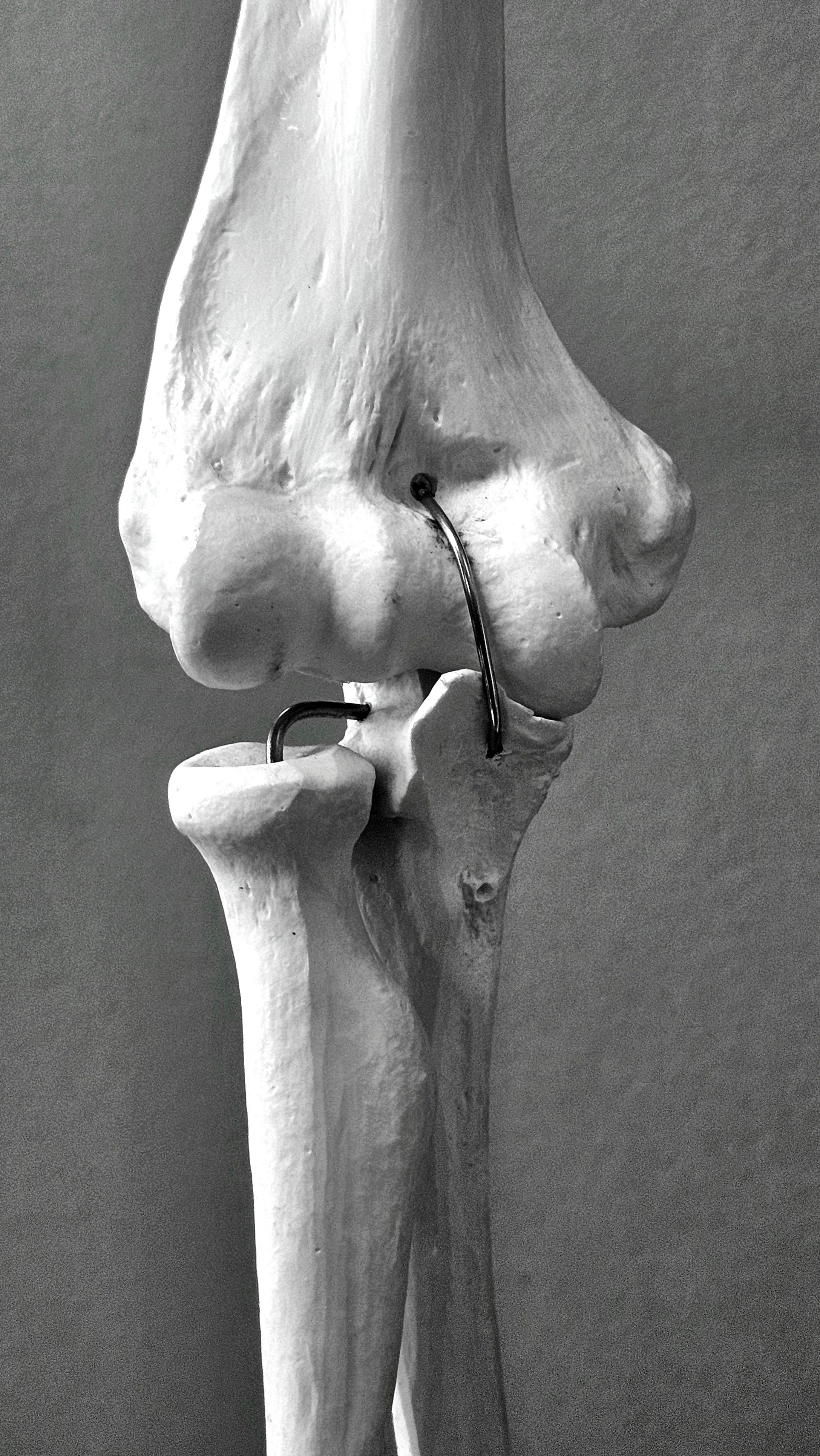
Bone Health Starts Earlier Than You Think: Best Foods to Keep Your Bones Strong
Many people think about bone health only later in life, but experts say bone density begins declining much earlier than most realize. Building strong bones during childhood and early adulthood—and maintaining them through a nutrient-rich diet and regular physical activity—can significantly reduce the risk of fractures, osteoporosis, and other bone-related conditions later in life.
While milk has long been associated with healthy bones, specialists emphasize that maintaining a strong skeleton requires a balanced diet rich in calcium, vitamin D, protein, magnesium, vitamin K, phosphorus, and other essential nutrients.
Why Bone Health Matters
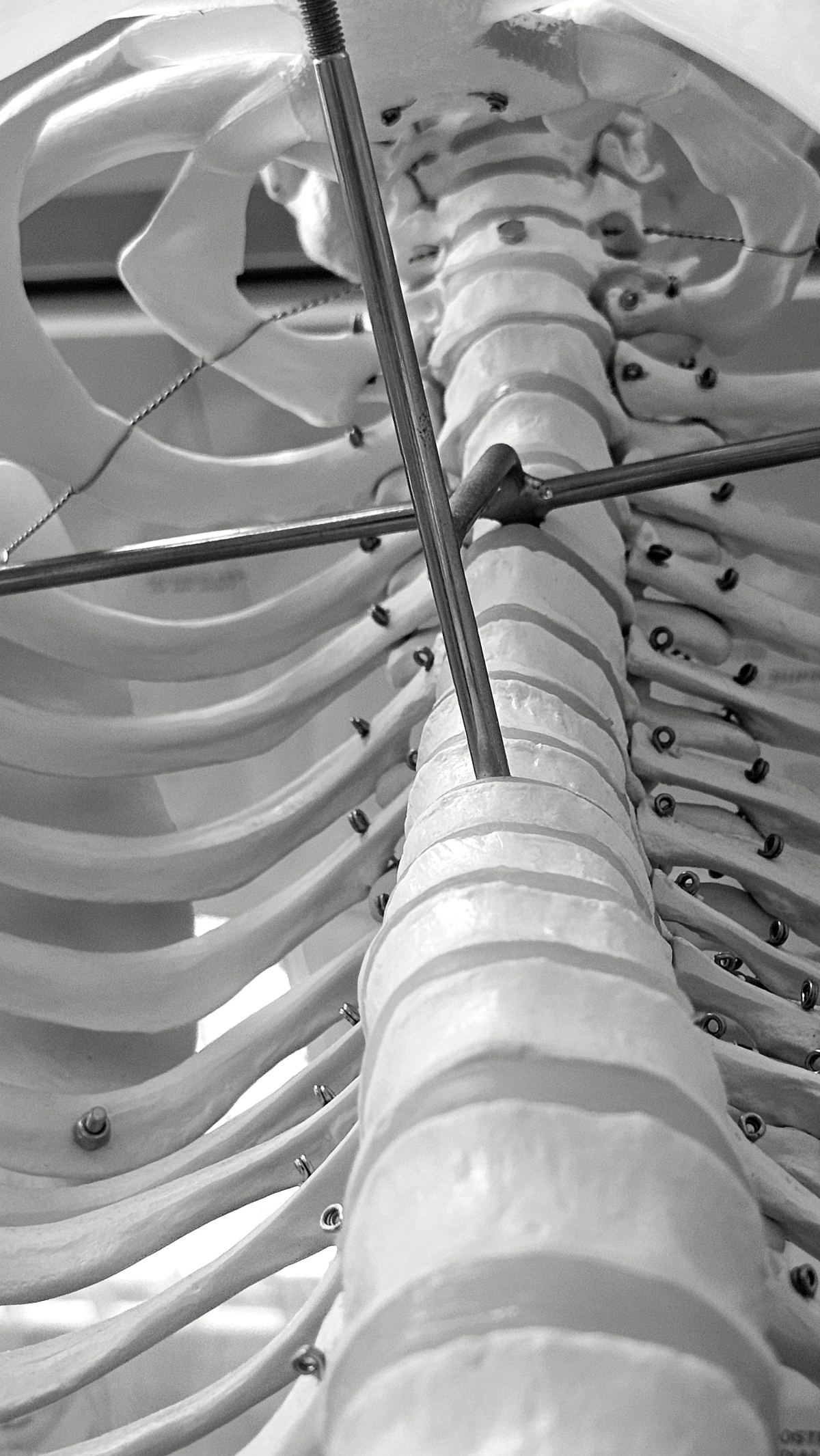
Bone density reaches its peak during early adulthood before gradually declining with age. Conditions such as osteopenia and osteoporosis often develop silently, with many people remaining unaware until a fracture occurs.
Women are particularly vulnerable after menopause due to hormonal changes, although men are also at risk as they age. Experts say maintaining strong muscles alongside healthy bones can also reduce the risk of falls and fractures.
Best Foods for Strong Bones
Dairy Products
Milk, cheese, and yogurt remain some of the richest natural sources of calcium while also providing protein, both of which play a crucial role in maintaining bone strength.
Research involving older adults found that higher dairy intake was associated with fewer falls and a significantly lower risk of hip fractures.
Soy Foods
Foods such as tofu, edamame, and tempeh offer calcium along with plant compounds called isoflavones, which may help support bone density, particularly in postmenopausal women.
Fermented soy products like tempeh may also improve calcium absorption.
Chia Seeds
Chia seeds are packed with calcium, magnesium, phosphorus, and omega-3 fatty acids, nutrients that support bone formation and help reduce inflammation that may contribute to bone loss.
Although animal studies have shown promising results, researchers say more human studies are needed.
Fruits and Dried Fruits
Figs, apricots, prunes, and oranges provide calcium, magnesium, antioxidants, and polyphenols that may help maintain bone mineral density.
Research cited in the source found that women who consumed prunes daily experienced less bone loss than those who did not.
Oily and Canned Fish
Sardines and canned salmon are excellent sources of calcium, protein, and vitamin D, all of which help maintain healthy bones and improve calcium absorption.
Vitamin D is especially important because it enables the body to use calcium effectively and supports muscle function, reducing the risk of falls.
Should You Take Supplements?
Experts say supplements are not necessary for everyone.
Vitamin D supplements may benefit people with limited sun exposure or those at higher risk of deficiency, while calcium supplements are generally recommended only when dietary intake is insufficient.
Researchers caution that excessive vitamin D intake does not provide additional benefits and may even increase the risk of falls in some individuals.
A Balanced Diet Is Key
Health experts recommend combining a varied, balanced diet with regular weight-bearing exercise to maintain strong bones throughout life.
Good sources of bone-supporting nutrients include dairy products, leafy green vegetables, soy foods, oily fish, seeds, fruits, and fortified foods where appropriate. Together with an active lifestyle, these habits can help reduce the long-term risk of osteoporosis and fractures.