Southern and Central China Brace for Flooding as Typhoon Noul Brings Heavy Rain
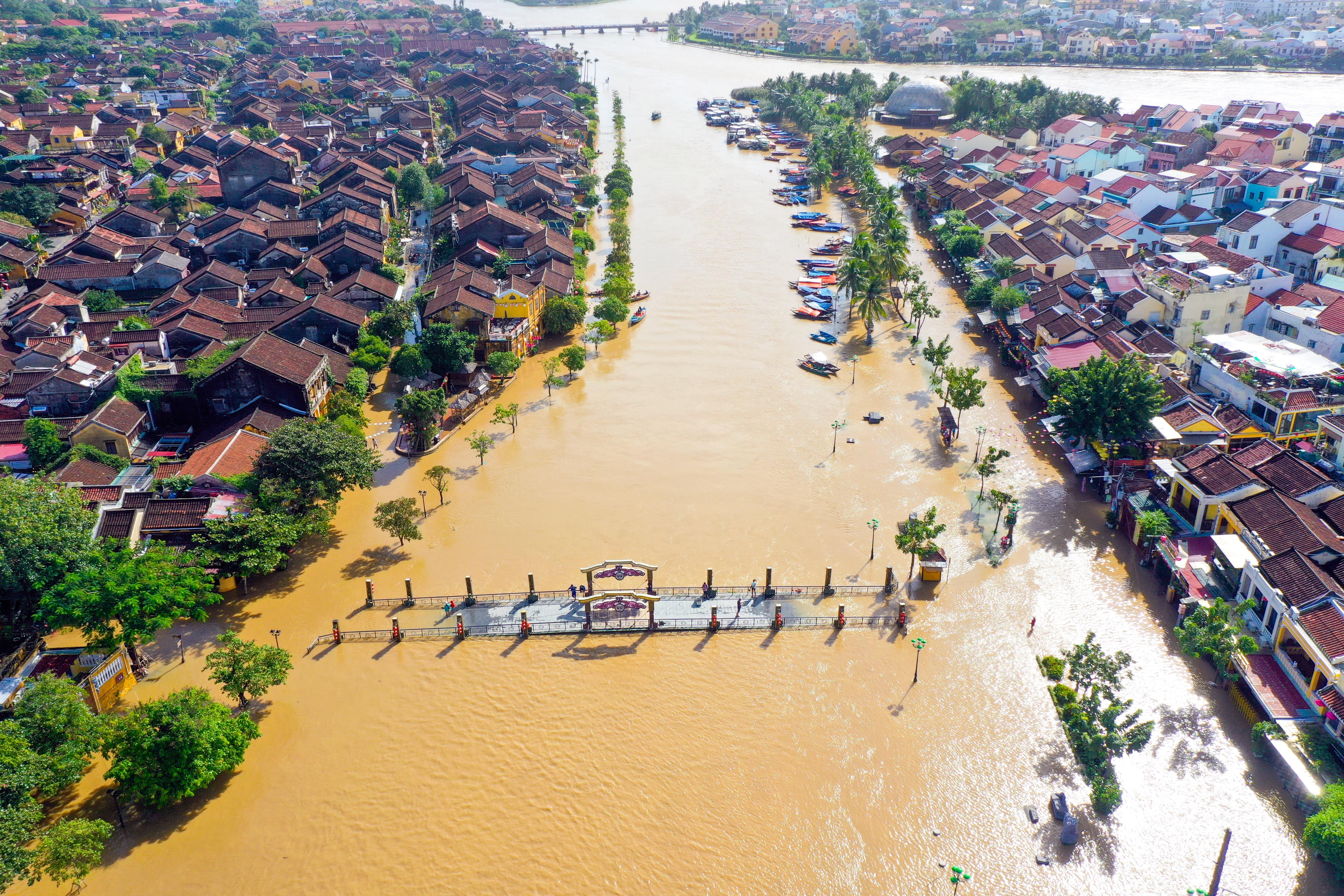
The remnants of Typhoon Noul are moving deeper into mainland China, prompting authorities to prepare for widespread flooding across several southern and central provinces as forecasters warn the weakened storm could remain inland longer than usual.
Heavy rainfall is expected to continue through Thursday, increasing the risk of floods, landslides, and other weather-related disasters across multiple regions.

Typhoon Noul Brings Heavy Rain Inland
China's National Meteorological Center said persistent rain will affect provinces including Fujian, Guangdong, Jiangxi, Hunan, Hubei, Henan, and Guangxi.
Meteorologists warned that the storm's slower movement inland, combined with seasonal monsoon moisture, could produce prolonged periods of intense rainfall and elevate flood risks.

Officials are closely monitoring river levels and low-lying communities as precipitation continues.
Flood and Landslide Risks Increase
State media warned that Typhoon Noul's path across mountainous terrain significantly raises the threat of landslides, mudslides, and flash floods.
The combination of saturated soil and continued rainfall could trigger geological disasters in vulnerable areas, particularly near hillsides and river valleys.
Emergency agencies have urged residents in high-risk regions to remain alert and follow local evacuation instructions if necessary.
Authorities Strengthen Emergency Response
Chinese authorities have intensified flood-control measures as the country faces overlapping typhoon and rainy-season threats.
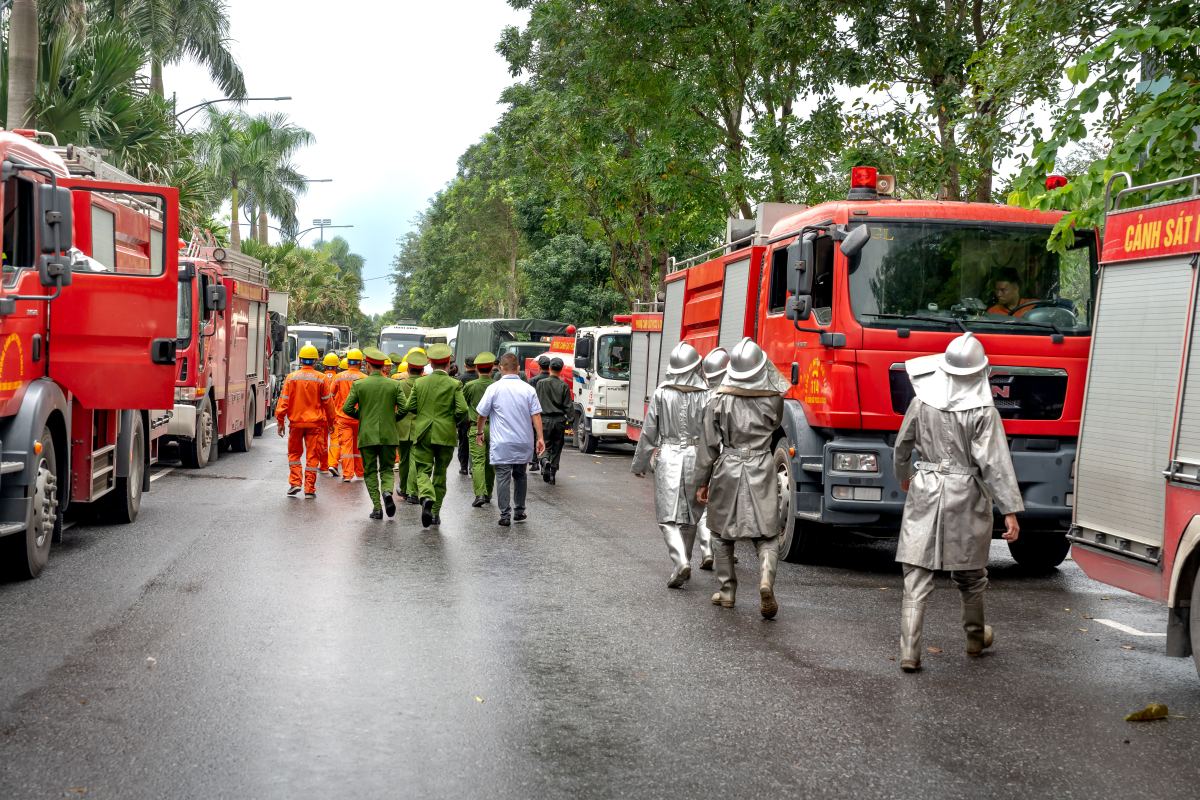
Emergency management and housing officials have ordered inspections of critical infrastructure, strengthened flood defenses, and pre-positioned rescue personnel and emergency equipment in vulnerable locations.
Safety inspections have also been expanded to industries considered particularly vulnerable during severe weather, including mining, hazardous chemical facilities, and fireworks manufacturing.
Northwestern and Southwestern Provinces Also on Alert
Beyond the typhoon's main path, several northwestern and southwestern provinces continue to experience heavy rainfall.
Gansu, Sichuan, and Yunnan remain under heightened weather alerts after repeated downpours increased the risk of geological hazards.
Gansu issued its highest-level warning for landslides and mudslides after falling rocks and debris blocked roads in several mountainous areas.
Search Continues After Chongqing Landslide
Emergency responders are continuing search operations in Chongqing, where dozens of people remain missing following a mountain collapse earlier this month.
Authorities have been searching affected areas after part of a mountainside gave way and buried buildings in a riverside township.
The latest severe weather has complicated rescue efforts and heightened concerns about additional landslides in surrounding regions.
Outlook
China's peak typhoon season typically runs from July through September, with August historically seeing the highest level of tropical storm activity.
Weather officials are urging residents in affected provinces to monitor forecasts closely as heavy rainfall continues and flood risks remain elevated over the coming days.