US Blocks Americans Returning From DR Congo Over Ebola Travel Restrictions
Introduction
The United States has introduced new travel restrictions for people who have recently been in the Democratic Republic of Congo (DRC), citing the country's ongoing Ebola outbreak. Under the policy announced by the U.S. State Department, American citizens and U.S. nationals who have been in the DRC within the previous 21 days cannot board commercial flights bound for the United States.
The decision comes as Congo continues to report rising Ebola infections, prompting renewed public health measures and raising questions about how the restrictions could affect travelers and emergency response teams.
What Happened
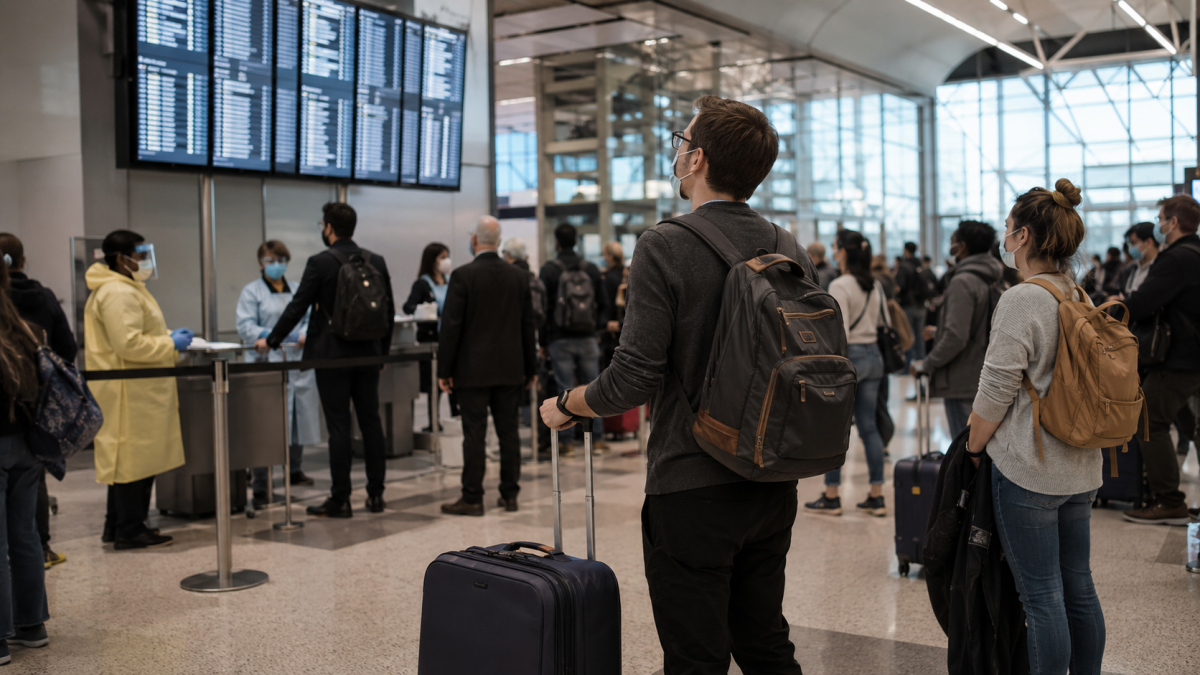
According to the U.S. State Department, anyone who has been in the Democratic Republic of Congo during the 21 days before departure is not permitted to board commercial flights with U.S. destinations.
The U.S. Embassy in the DRC also advised American citizens and nationals to remain outside the country for 21 days before attempting to enter the United States.
The measures were introduced in response to the ongoing Ebola outbreak, which has spread across multiple provinces in the central African nation.
Key Details
Health officials in the Democratic Republic of Congo reported that confirmed Ebola cases had reached 1,926, including 702 deaths, according to official data released by Congolese authorities.
The U.S. administration's decision effectively delays the return of affected American travelers until they complete a 21-day waiting period outside the DRC.
The policy applies to commercial air travel to the United States and is intended to reduce the potential risk of importing Ebola cases while the outbreak continues.
Why It Matters
The restrictions represent a significant public health measure and could affect American citizens, aid workers, healthcare professionals, and humanitarian organizations operating in the Democratic Republic of Congo.
Some public health experts have questioned the approach. Dr. Daniel Jernigan, a former senior official at the U.S. Centers for Disease Control and Prevention (CDC) who helped lead the U.S. response during the 2014–2015 West Africa Ebola outbreak, said preventing U.S. citizens from returning home despite limited infection risk is an unprecedented step.
He warned that the policy could shift medical and public health responsibilities to other countries, encourage travelers to hide parts of their travel history, and make it more difficult to recruit American specialists to help control Ebola outbreaks.
Background
Ebola is a severe viral disease that spreads through direct contact with the bodily fluids of infected individuals or contaminated materials. Previous outbreaks have required extensive international cooperation involving governments, health agencies, and humanitarian organizations.
The Democratic Republic of Congo has experienced multiple Ebola outbreaks over the years, with health authorities relying on surveillance, testing, contact tracing, and vaccination efforts to contain transmission.
Travel restrictions have historically been used cautiously because experts often emphasize targeted screening and monitoring rather than broad travel bans.
What's Next
Officials are expected to continue monitoring the Ebola outbreak and may adjust travel measures depending on the number of new infections and the overall public health risk.
Travelers planning to visit or leave the Democratic Republic of Congo should closely follow updates from U.S. authorities and local health officials, as guidance may change if the outbreak expands or comes under control.
For Americans currently in the DRC, the latest policy means planning travel carefully and accounting for the required waiting period before returning to the United States on commercial flights.
Conclusion
The latest U.S. travel restrictions highlight growing concerns over the Ebola outbreak in the Democratic Republic of Congo and the government's effort to limit potential disease transmission through international travel. While officials describe the measures as a public health precaution, some experts believe the policy could create new challenges for outbreak response and international health cooperation.
FAQ
Why did the US block travelers from DR Congo?
The restrictions were introduced because of the ongoing Ebola outbreak in the Democratic Republic of Congo.
Can US citizens still return from DR Congo?
Americans who have recently been in the DRC must remain outside the country for 21 days before traveling to the U.S. on commercial flights.
How serious is the Ebola outbreak in DR Congo?
Official figures cited in the report show 1,926 confirmed cases and 702 deaths.
Does the policy apply to all travelers?
The restriction applies to people who have been in the Democratic Republic of Congo within 21 days of traveling to the United States on commercial flights.
Why are experts criticizing the policy?
Some public health experts argue it may discourage transparent reporting of travel history and complicate international outbreak response efforts.