U.S. Humanitarian Worker in Congo Tests Positive for Ebola as Outbreak Continues to Grow
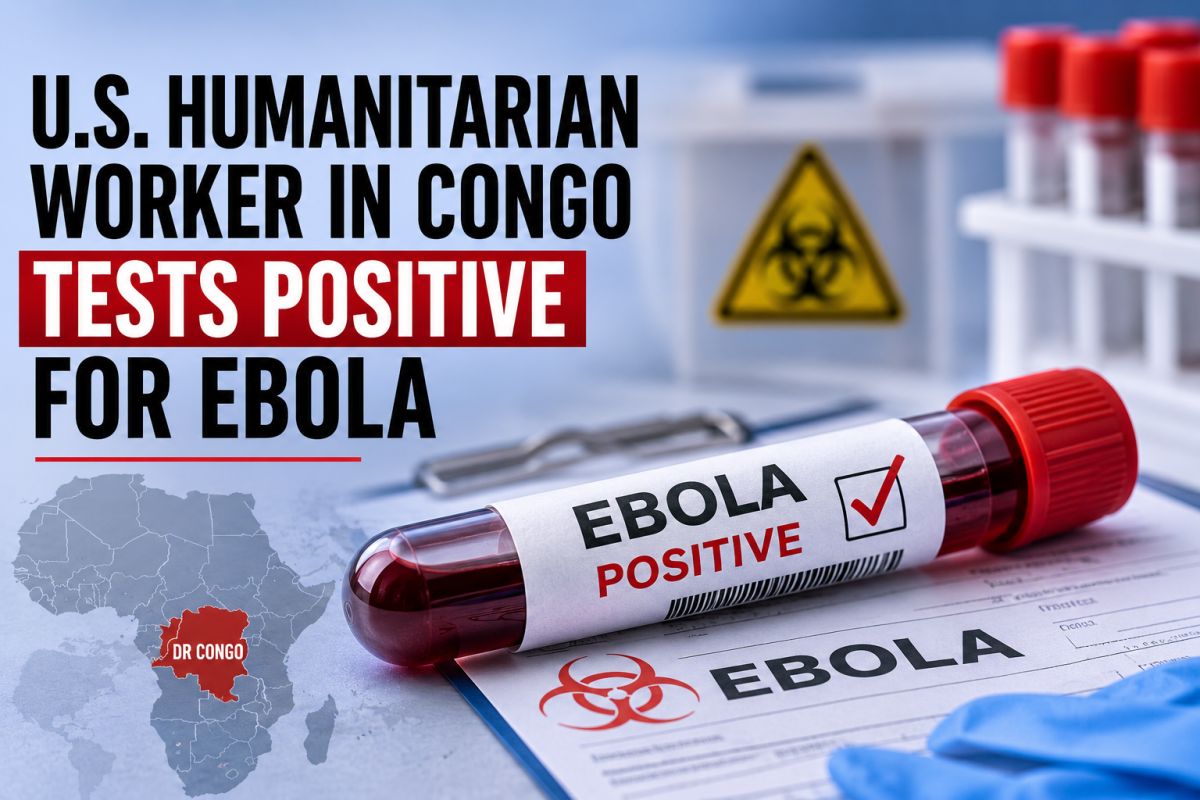
A U.S. citizen working for a humanitarian organization in the Democratic Republic of Congo has tested positive for Ebola, the U.S. Centers for Disease Control and Prevention (CDC) confirmed Friday, as health officials race to contain the country's rapidly expanding outbreak.
The CDC said it is coordinating with the individual's employer, U.S. government agencies, Congolese health authorities, and international public health partners to trace close contacts and reduce the risk of additional infections.
Officials did not release the person's identity or provide details about their condition.
Congo Faces Fastest-Growing Ebola Outbreak in Africa
The latest case comes as the Africa Centres for Disease Control and Prevention (Africa CDC) describes the outbreak as the fastest-growing Ebola epidemic ever recorded on the continent.

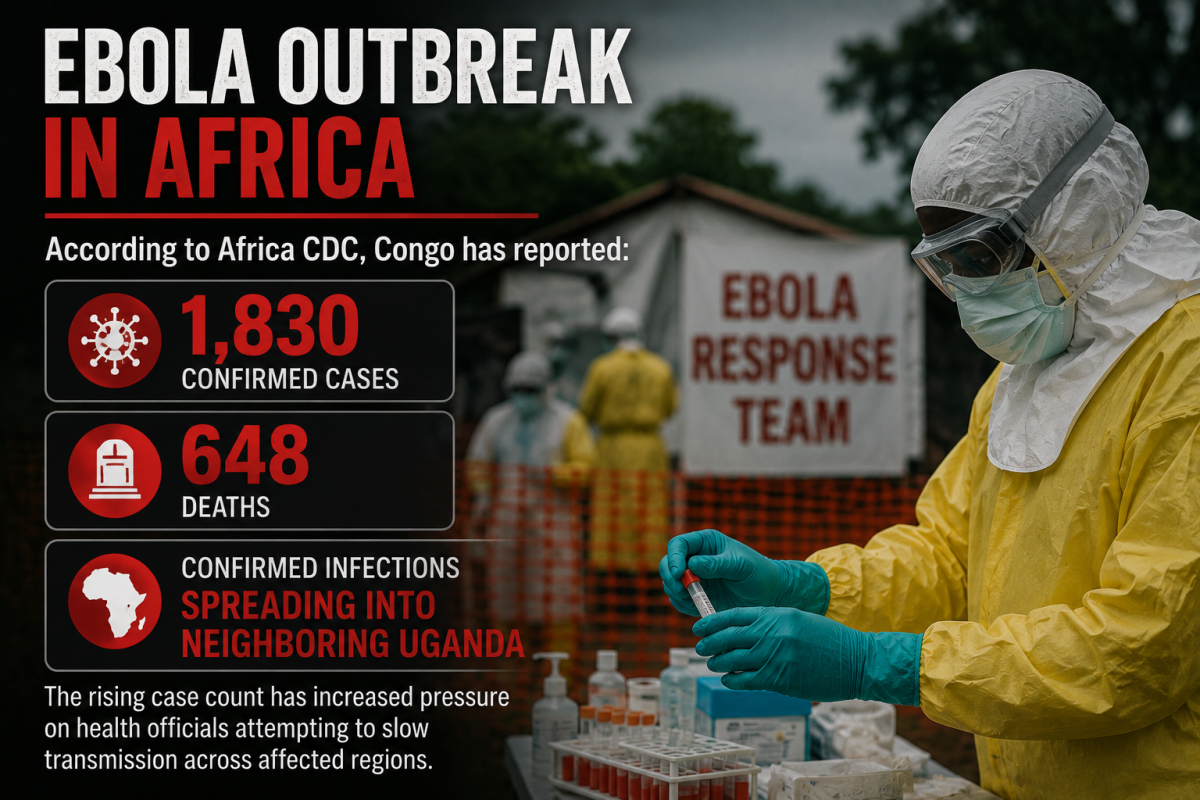
According to Africa CDC, Congo has reported:
-
1,830 confirmed Ebola cases
-
648 deaths
-
Confirmed infections spreading into neighboring Uganda
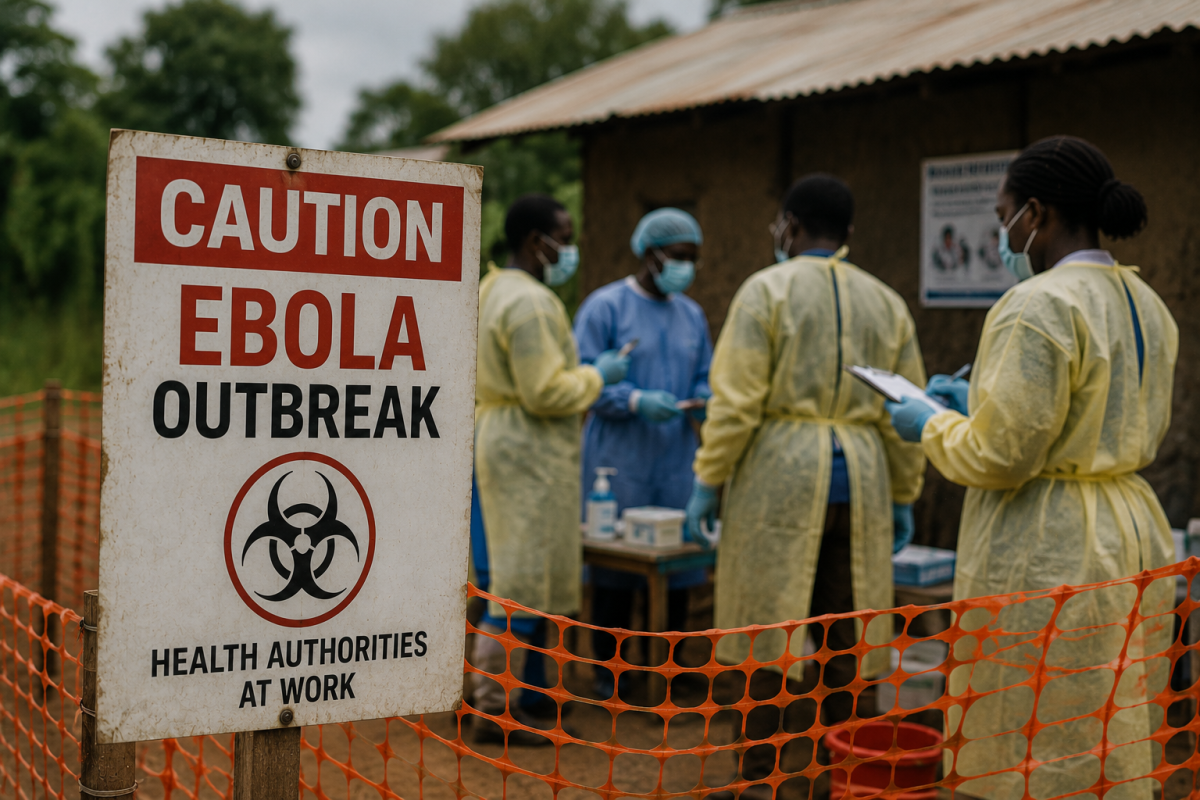
The rising case count has increased pressure on health officials attempting to slow transmission across affected regions.
Second American Infected During the Outbreak
The newly confirmed patient is the second American known to have contracted Ebola during the current outbreak.
Earlier this month, an American physician working in Congo also tested positive and was medically evacuated to Germany for specialized treatment.
U.S. health officials have not said whether the two cases are connected.
Kenya Transfer Plan Put on Hold
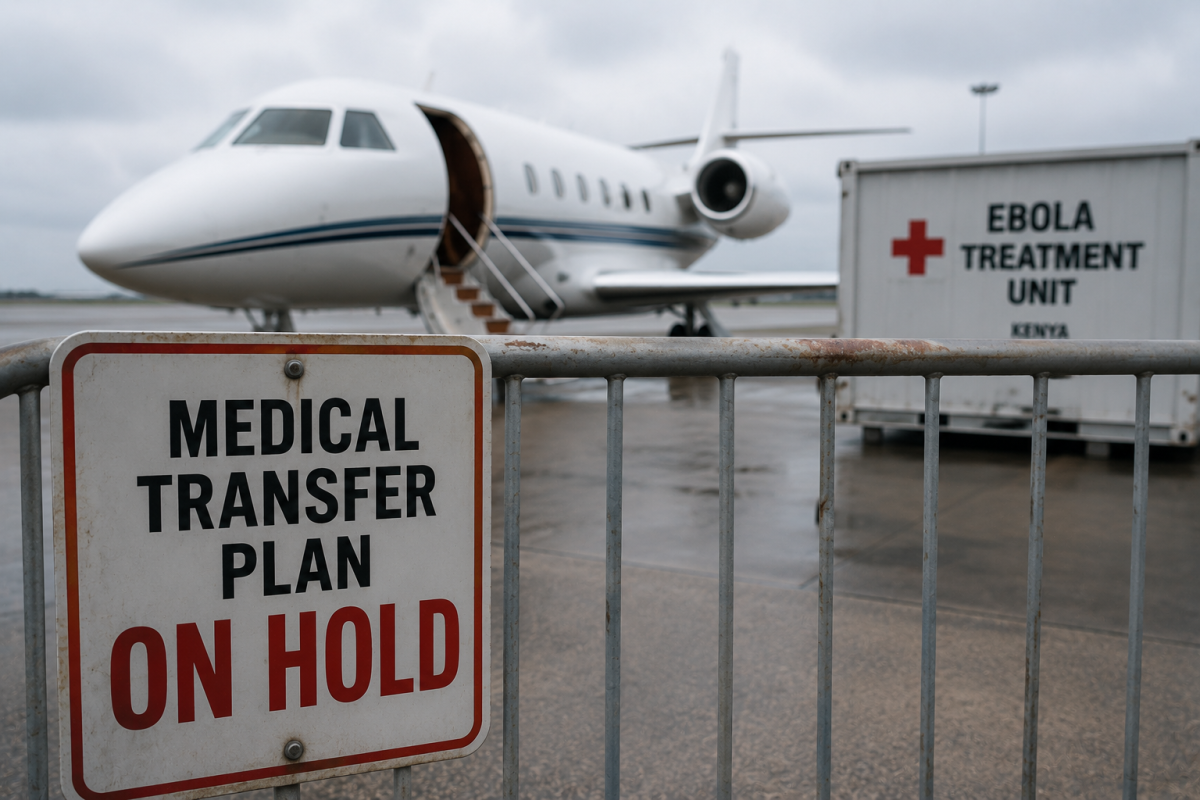
The Trump administration had previously announced plans to transport Americans exposed to Ebola overseas to a specialized treatment facility in Kenya rather than returning them directly to the United States.
However, that plan has since been suspended after a Kenyan court halted the project, leaving uncertainty about future medical evacuation arrangements for infected U.S. personnel working abroad.
Outbreak Went Undetected for Weeks
Congolese health authorities officially declared the outbreak on May 15, although the World Health Organization (WHO) said the virus had already been spreading for several weeks before it was formally identified.
The delayed detection allowed additional transmission before emergency response measures were fully implemented.
Health officials continue to expand surveillance, testing, and contact tracing efforts across affected communities.
Rare Ebola Strain Complicates Response
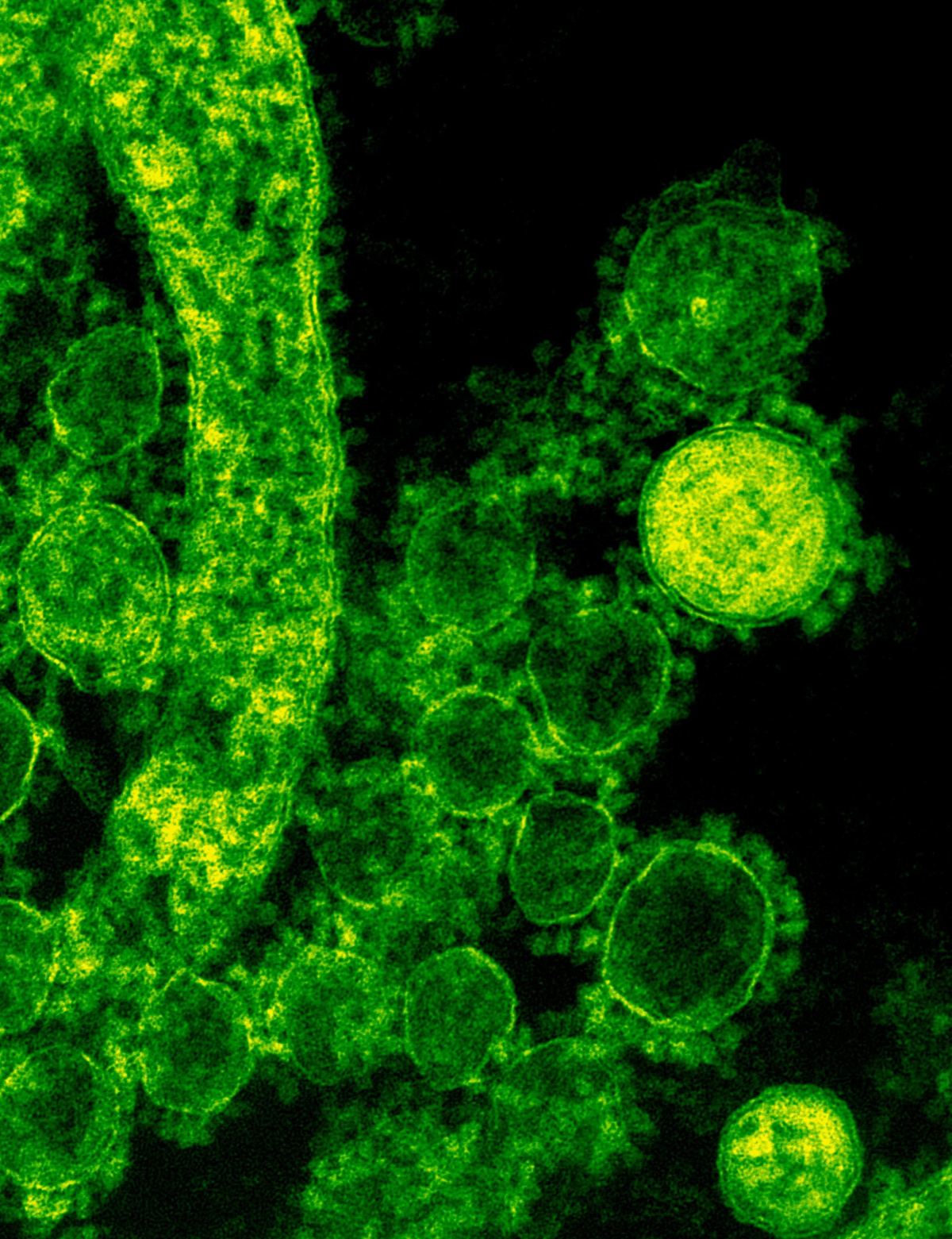
The current outbreak is caused by the Bundibugyo strain of the Ebola virus, a less common variant for which no approved vaccine or specific treatment currently exists.
Researchers recently launched clinical trials evaluating potential therapies, raising hopes that experimental treatments could help improve patient outcomes as the outbreak continues.
Conflict and Funding Challenges Hamper Containment
Public health officials say containing the virus has become more difficult because of multiple ongoing challenges.
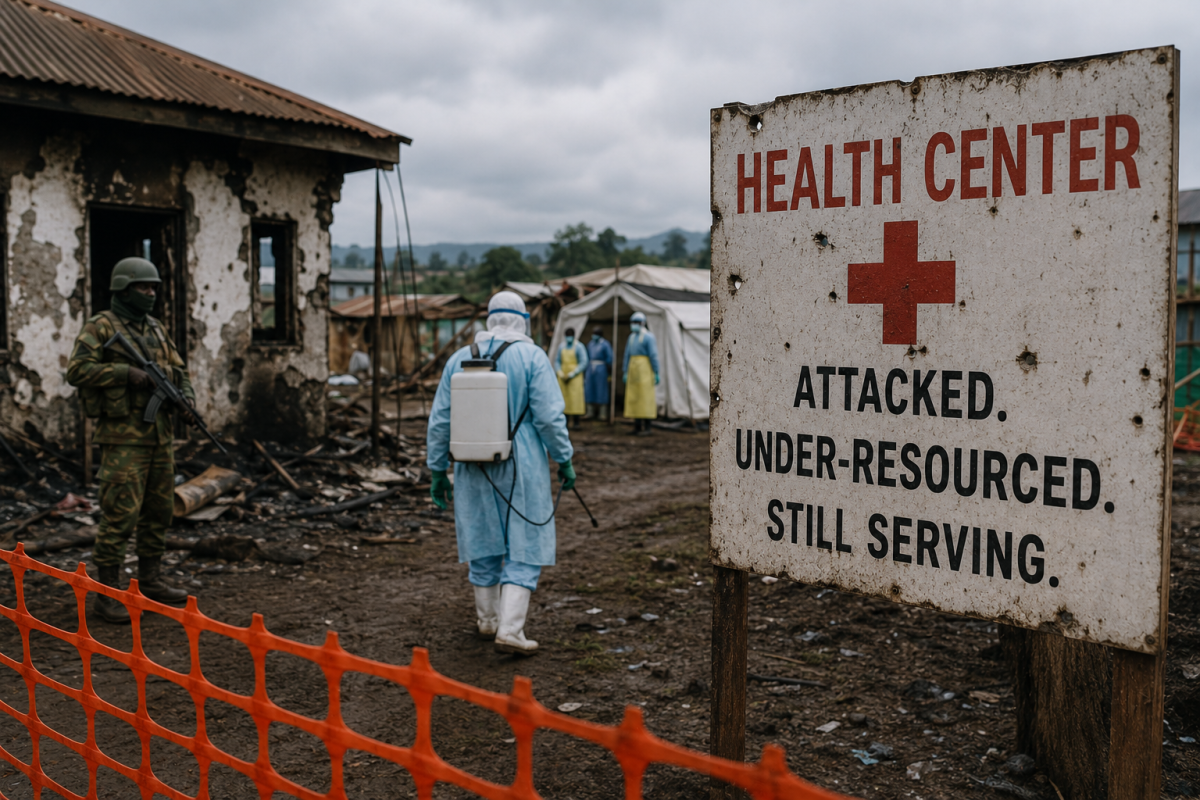
Armed conflict in eastern Congo, attacks on healthcare facilities, and funding shortages have disrupted response efforts and limited access to some affected communities.
Those obstacles have complicated vaccination campaigns, patient care, and contact tracing, increasing the risk of continued transmission as health authorities work to bring the outbreak under control.