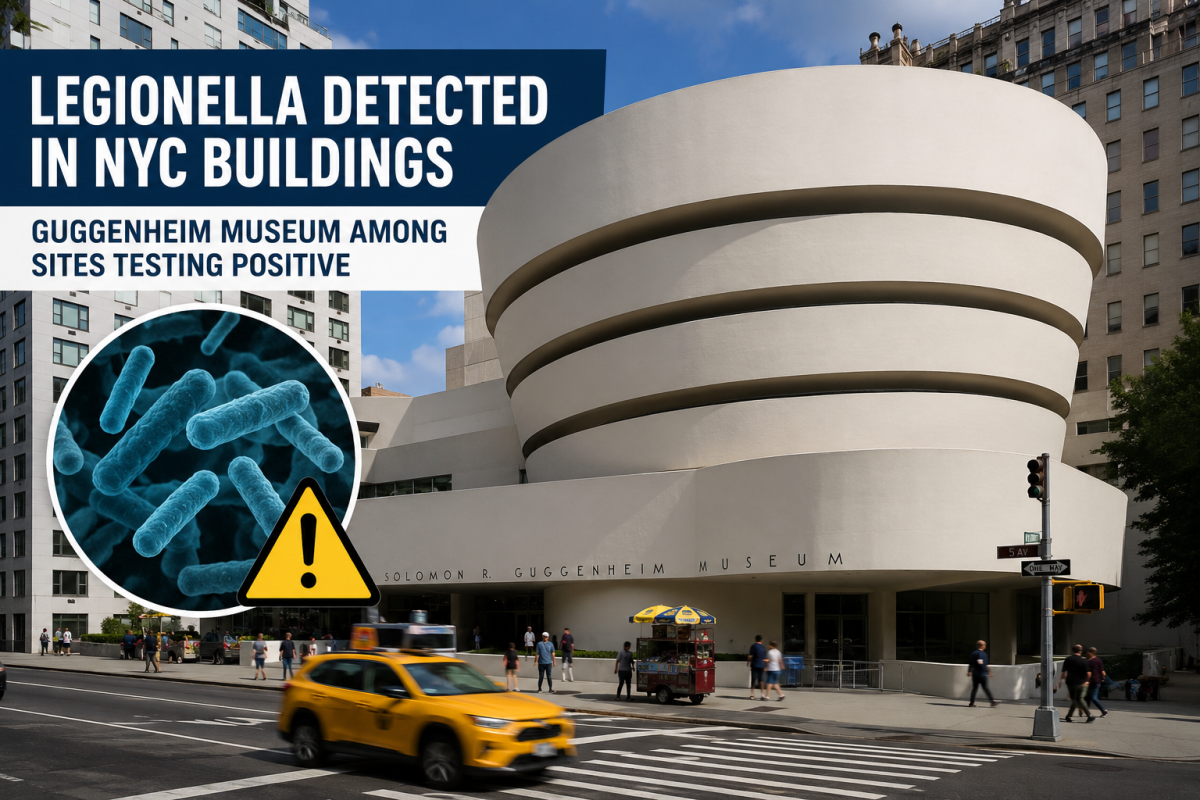
Guggenheim Museum Among NYC Buildings Testing Positive for Legionella During Upper East Side Outbreak
New York City's Solomon R. Guggenheim Museum is among dozens of Upper East Side buildings that recently tested positive for Legionella bacteria as health officials continue investigating a Legionnaires' disease outbreak that has sickened more than 50 people. Authorities say the positive test does not mean the museum—or any other listed building—is the source of the outbreak.
On Friday, the New York City Department of Health and Mental Hygiene released a list of 31 buildings ordered to disinfect their cooling towers after routine testing detected the bacteria responsible for Legionnaires' disease.
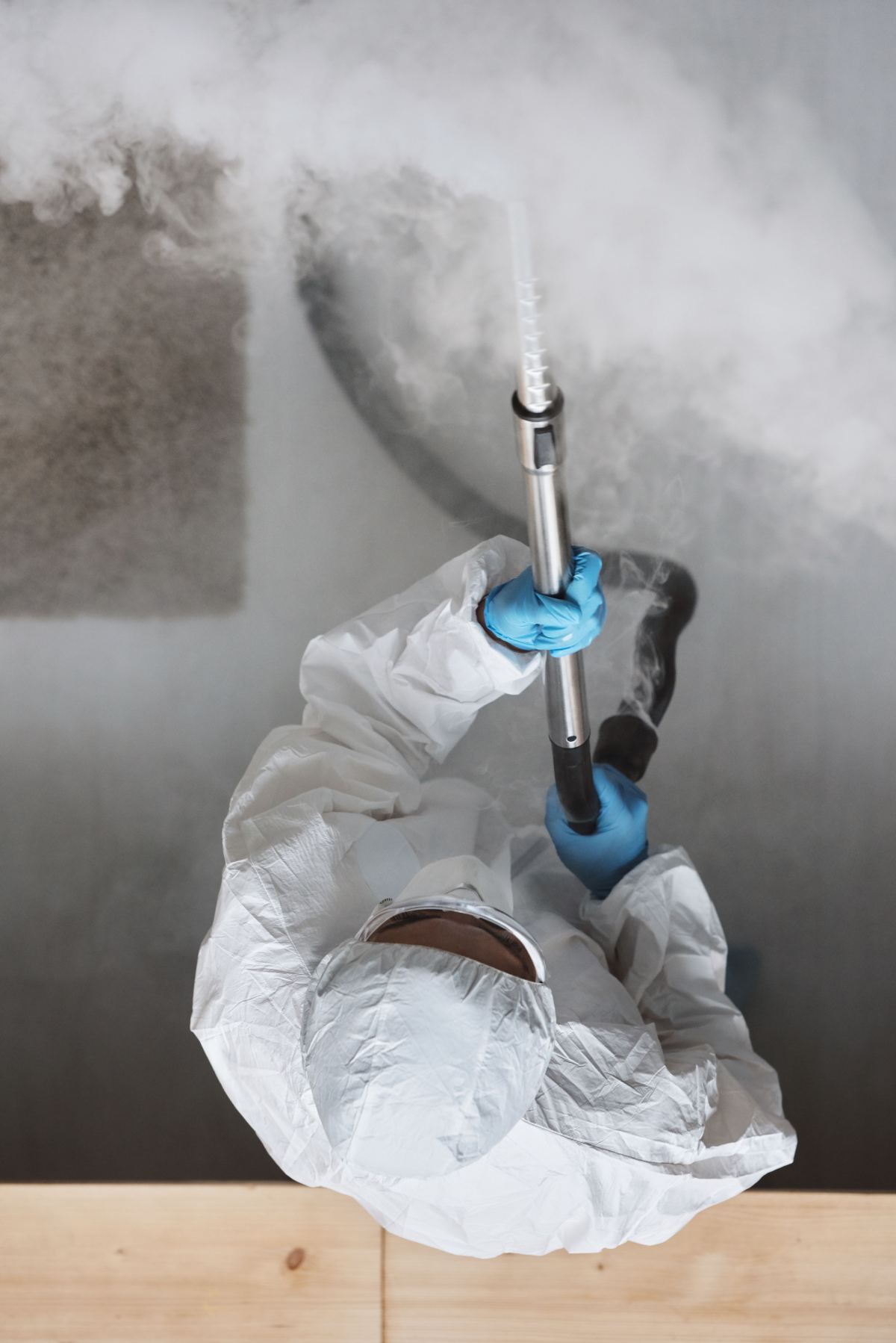
Guggenheim Completed Required Disinfection
The Guggenheim Museum was one of 19 properties that had already completed cleaning and remediation measures by the time the city published its list. The remaining buildings were directed to finish the work by Saturday.
City officials emphasised that the testing process cannot determine whether the detected bacteria were alive or inactive, meaning a positive result alone does not identify the source of the outbreak.

The museum remained open throughout the remediation process.
Museum Says Building Is Safe
In a statement, the Guggenheim said city officials confirmed that no additional action is currently required and that visitors face no ongoing risk inside the building.

The museum also noted that an outside contractor performs regular monthly inspections, testing, and treatment of its cooling tower as part of its maintenance program.
Designed by renowned architect Frank Lloyd Wright, the Guggenheim is one of New York City's most recognisable landmarks and is recognised as a UNESCO World Heritage Site.
More Than 50 Cases Linked to Upper East Side Cluster
According to the latest figures from the city's health department, more than 50 people have been diagnosed with Legionnaires' disease in connection with the Upper East Side outbreak.
Fewer than 20 patients remain hospitalised, and officials say no deaths have been reported so far.
Health investigators continue working to identify the exact source of the bacterial exposure.
Cooling Towers Remain a Focus of the Investigation
Legionella bacteria commonly thrive in warm water systems and are often associated with cooling towers, hot tubs, decorative fountains, and large plumbing systems.
Cooling towers, typically located on rooftops, help regulate temperatures for commercial refrigeration and air-conditioning systems. Officials stressed that these systems do not affect drinking water or indoor air quality inside buildings.
As a result, the presence of bacteria in a cooling tower does not necessarily mean people inside the building are at immediate risk.
How Legionnaires' Disease Spreads
Legionnaires' disease is a severe form of pneumonia caused by inhaling tiny droplets of water contaminated with Legionella bacteria.
The illness does not spread from person to person.
Symptoms usually appear between two days and two weeks after exposure and can include:
-
Persistent cough
-
Fever
-
Headache
-
Muscle aches
-
Shortness of breath
According to the U.S. Centres for Disease Control and Prevention (CDC), adults 50 and older, smokers, people with chronic lung disease, and those with weakened immune systems face the greatest risk of developing severe illness.
Previous Outbreak Highlights Ongoing Risk
New York City has experienced major Legionnaires' disease outbreaks before.
Last year, an outbreak in Harlem sickened more than 100 people and resulted in seven deaths. Health officials ultimately traced that cluster to contaminated cooling towers at Harlem Hospital and a nearby construction site.
The latest Upper East Side investigation remains ongoing as city health officials continue testing cooling systems and monitoring new cases to prevent further spread.