Congo Ebola Death Toll Nears 1,000 as Outbreak Accelerates Amid Violence and Health Worker Shortages
The Ebola outbreak in the Democratic Republic of Congo continues to worsen, with the country's health authorities reporting that at least 930 people have died since the virus emerged in eastern regions earlier this year. The rapidly expanding outbreak has been fueled by ongoing violence, attacks on medical teams, and disruptions to healthcare services, making containment efforts increasingly difficult.
Congo Reports 930 Ebola Deaths and More Than 2,300 Confirmed Cases
According to the Democratic Republic of Congo's Ministry of Health, the Ebola outbreak has resulted in 930 deaths from 2,344 confirmed cases as of Saturday.

Health officials also reported 37 additional deaths within the previous 24 hours, marking one of the deadliest single-day increases since the outbreak began.
Authorities continue to monitor the spread while expanding treatment and surveillance operations across affected communities.
Fastest-Growing Ebola Outbreak on Record
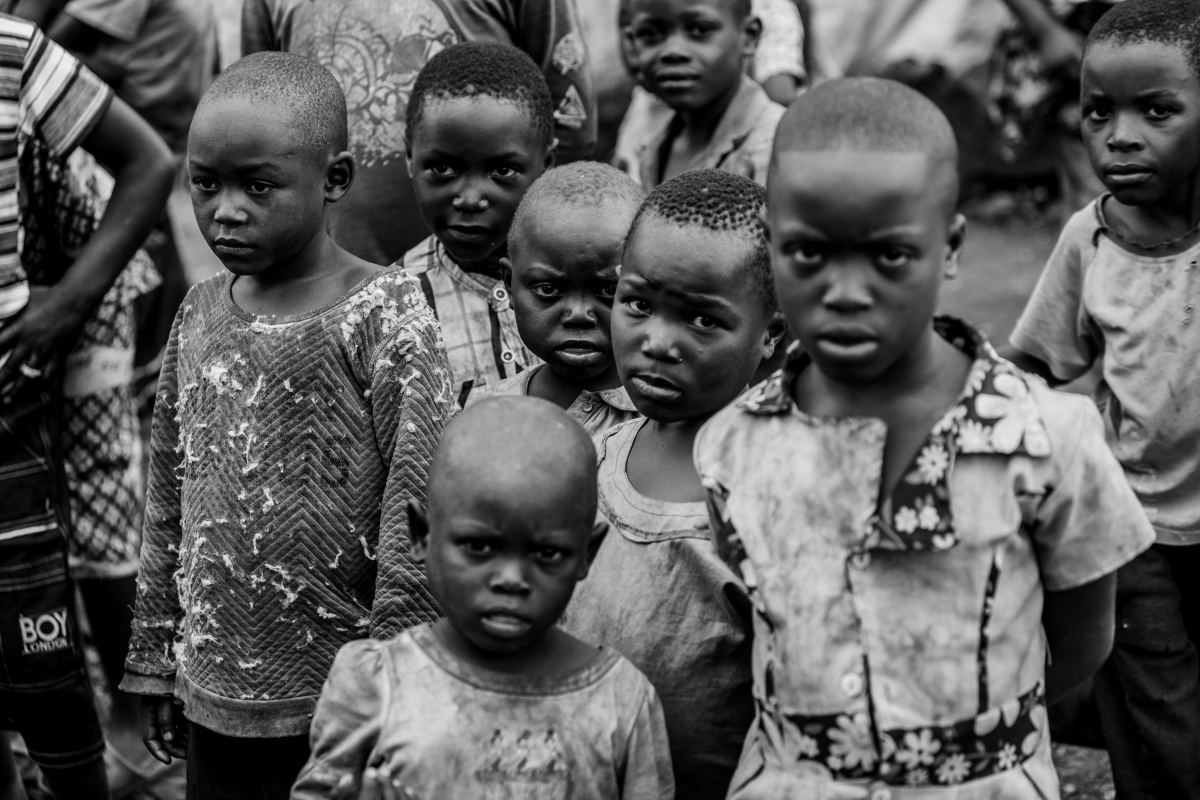
The outbreak, officially declared on May 15 in eastern Congo, has become the fastest-growing Ebola outbreak ever recorded.
Health experts say the crisis involves the Bundibugyo strain of the Ebola virus, a less common variant for which no approved vaccine or specific treatment is currently available.
The absence of targeted medical countermeasures has made disease control significantly more challenging compared with previous Ebola outbreaks.
Violence Continues to Disrupt Emergency Response
Containment efforts have been severely affected by persistent security concerns, particularly in Ituri Province, the region experiencing the highest number of infections.
Authorities said at least 12 attacks targeting healthcare facilities and medical response teams have been recorded since the outbreak was declared.
These security incidents have limited access to vulnerable communities, delayed patient care, and complicated disease surveillance activities.
Health Worker Strike Adds Pressure to Ebola Response
The outbreak response has also been weakened by staffing shortages after many healthcare workers stopped working to protest delayed salary payments.
Officials confirmed that 36 healthcare workers infected with Ebola have died, highlighting the significant risks faced by frontline medical personnel.
The labor disruptions have placed additional pressure on hospitals and emergency response teams already operating under difficult conditions.
Hundreds of Patients Remain Under Medical Care
The Ministry of Health said 724 patients are currently receiving treatment or remain in medical isolation.
Authorities stated they are strengthening response efforts across affected health zones through expanded monitoring, patient care, and infection control measures aimed at slowing further transmission.
Why the Congo Ebola Outbreak Remains a Global Concern
Public health experts continue to monitor the outbreak closely because rapid case growth, ongoing insecurity, and the lack of an approved vaccine for the Bundibugyo strain present significant challenges.
International health organizations are supporting Congolese authorities as efforts continue to contain the virus and prevent additional spread.
FAQ
How many people have died in Congo's Ebola outbreak?
According to the Ministry of Health, at least 930 people have died from the outbreak.
How many Ebola cases have been confirmed?
Health authorities have confirmed 2,344 Ebola cases.
Which Ebola strain is causing the outbreak?
The outbreak is caused by the Bundibugyo virus, a less common Ebola strain that currently has no approved vaccine or targeted treatment.
Why has the outbreak been difficult to contain?
Violence against healthcare workers, attacks on medical facilities, labor strikes, and the lack of an approved vaccine have all slowed response efforts.
How many patients are currently receiving treatment?
The Ministry of Health says 724 patients remain in hospitals or medical isolation while receiving care.