Canadian Wildfire Smoke Spreads Across Borders as Air Quality Worsens
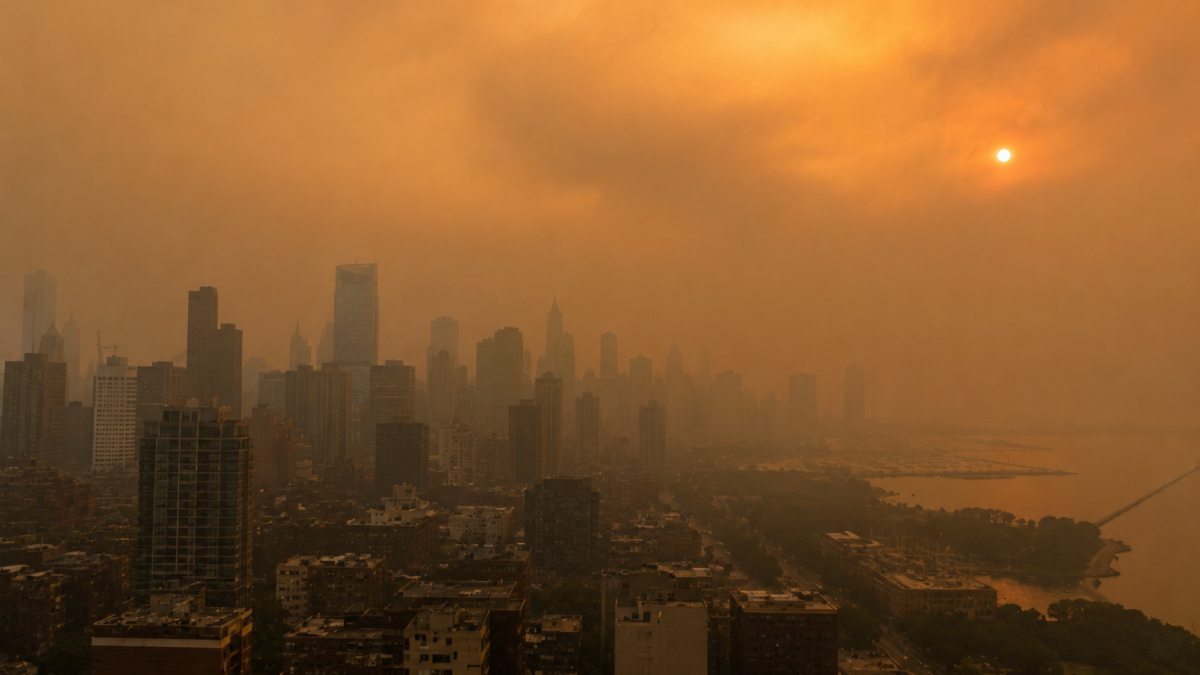
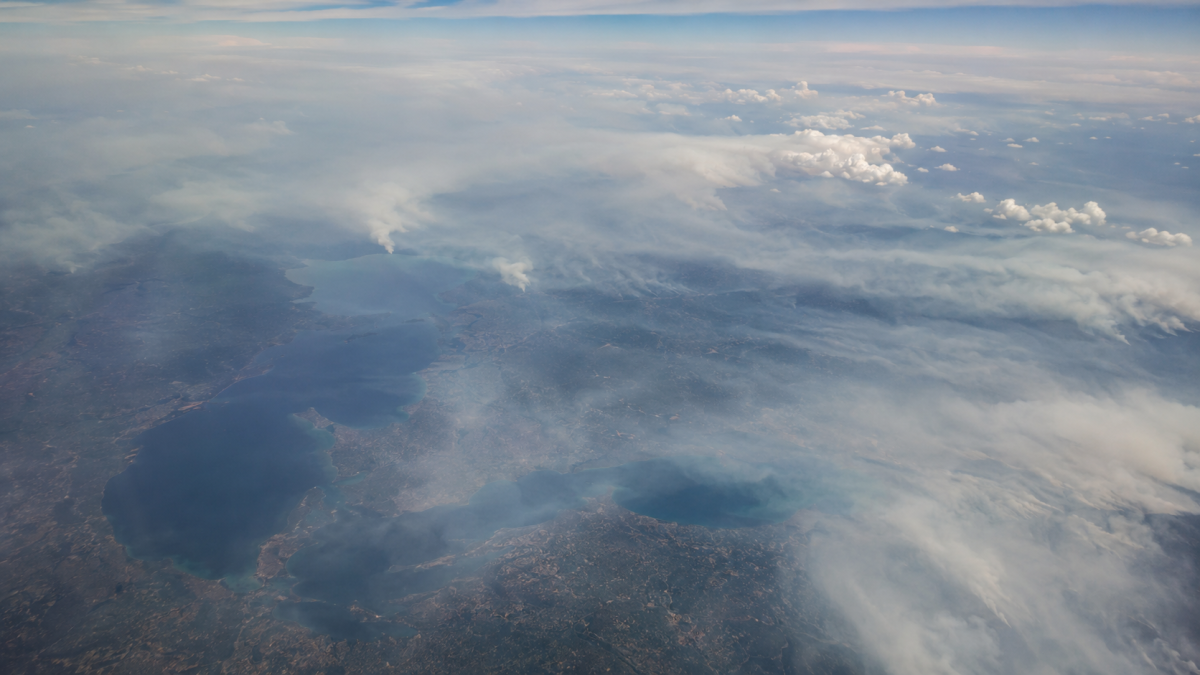
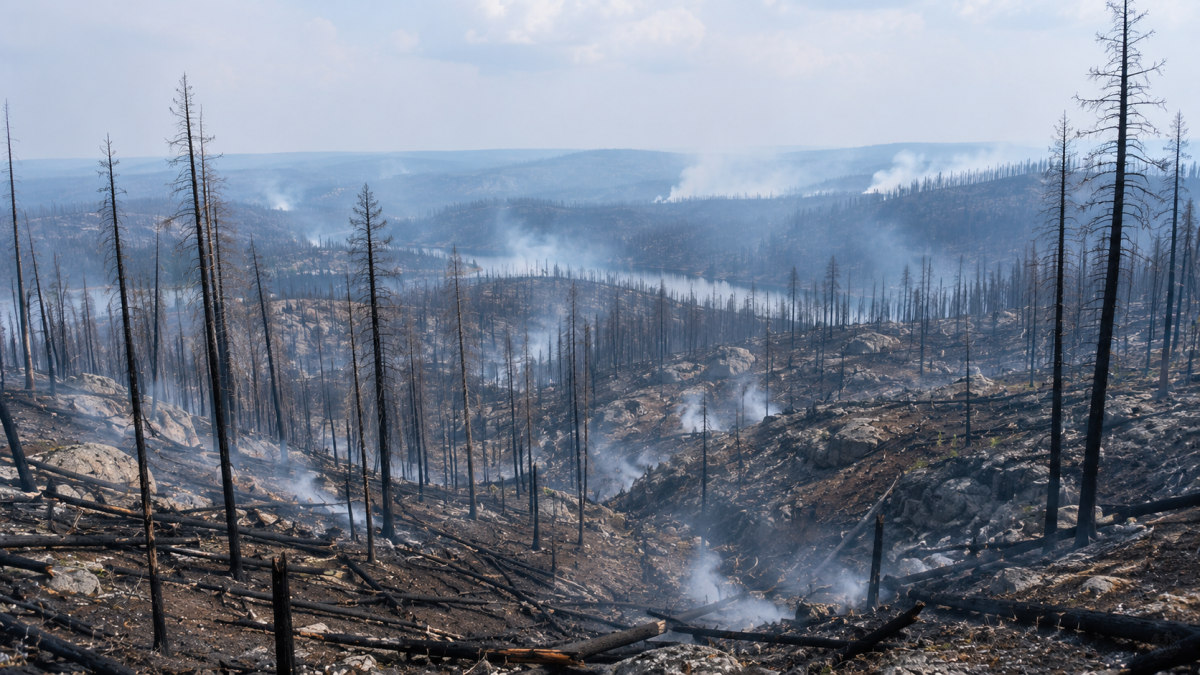
Smoke from widespread wildfires burning across Canada has drifted deep into the United States, reducing visibility, triggering air quality alerts and prompting health officials to advise millions of people to limit outdoor activity.
The smoke has affected communities across central and eastern Canada while reaching several northern and Midwestern US states. Environmental agencies continue to monitor changing wind patterns as firefighters work to contain hundreds of active blazes during another challenging wildfire season.
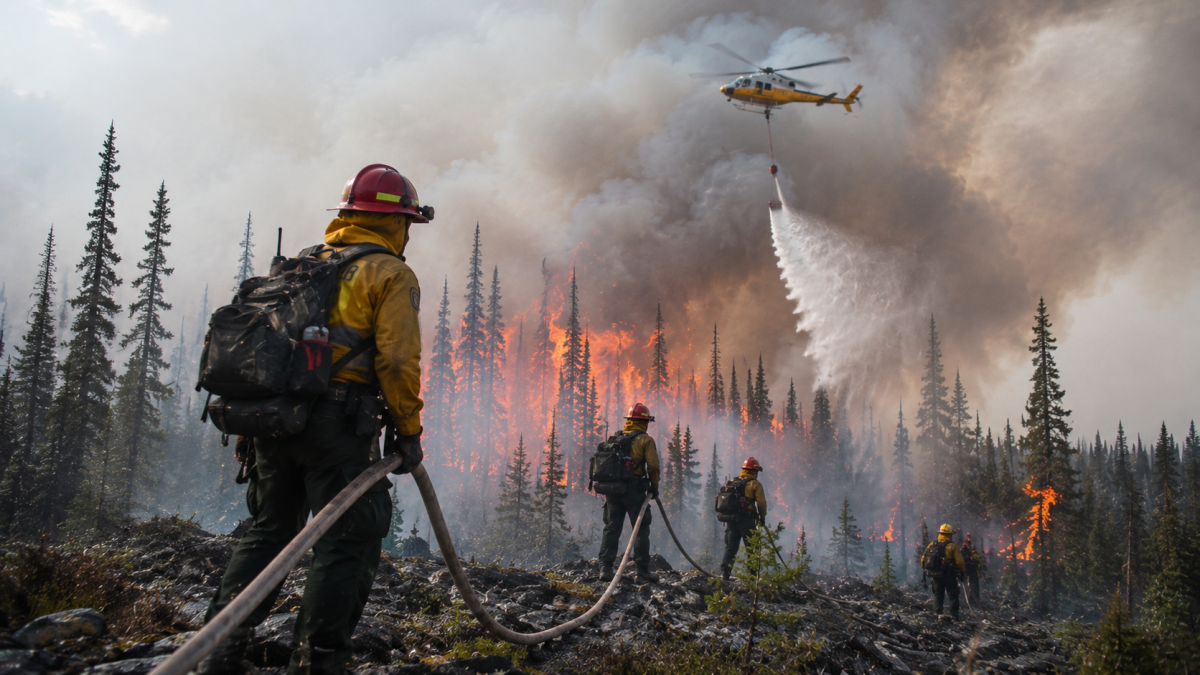
Authorities say the combination of dry conditions, high temperatures and strong winds has allowed many fires to grow rapidly, increasing the amount of smoke carried across international borders.
Hundreds of Active Fires Continue to Burn
Canada remains in the midst of one of its busiest periods of the wildfire season, with numerous fires burning across several provinces.
Emergency crews are concentrating resources on protecting communities, critical infrastructure and transportation routes while attempting to slow the spread of the largest fires.
Some remote communities have been forced to evacuate as flames move closer to residential areas, with emergency shelters and support services activated for displaced residents.
Fire management agencies continue to monitor changing weather conditions that could either improve or worsen firefighting efforts.
Smoke Creates Health Concerns Across the Region
While flames remain concentrated in wildfire zones, smoke has become the most widespread impact for millions of people living far from the fires themselves.
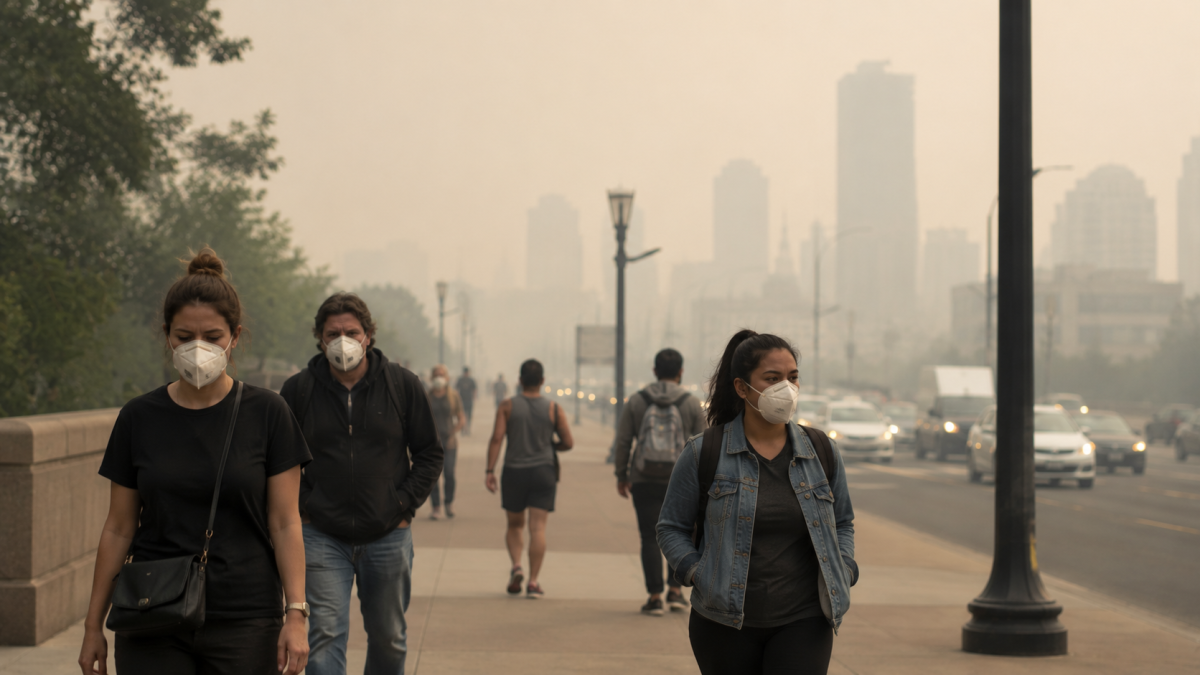
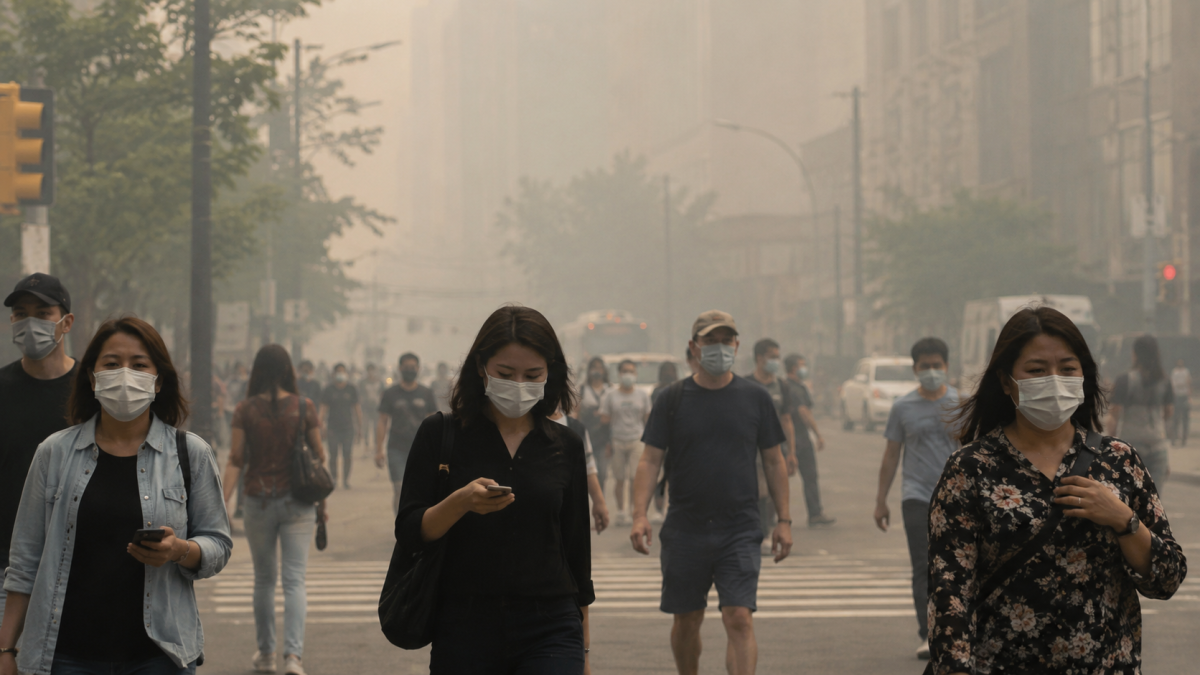
Public health agencies have advised older adults, young children, pregnant women and people with heart or respiratory conditions to reduce prolonged outdoor exposure when air quality deteriorates.
Residents in several cities reported hazy skies, the smell of smoke and reduced visibility as airborne particles spread over large areas.
Hospitals and healthcare providers are encouraging individuals experiencing breathing difficulties to seek medical advice promptly.
Travel and Outdoor Activities Affected
Poor air quality has disrupted outdoor life in many communities.
Schools, sports organizations, local governments and event organizers have adjusted schedules or postponed activities when pollution levels reached unhealthy ranges.
Tourism operators and recreational facilities have also encouraged visitors to check local air quality forecasts before spending extended periods outdoors.
Air travel has generally continued, although aviation authorities continue monitoring visibility around airports where smoke concentrations fluctuate.
Weather Will Determine How Long Smoke Persists
Meteorologists say shifting wind patterns will play an important role in determining where smoke travels over the coming days.
Rainfall may provide temporary relief in some wildfire zones, but experts caution that isolated showers are unlikely to extinguish large forest fires that have been burning for extended periods.
Forecasts suggest air quality could improve in some regions as weather systems move across eastern Canada, although conditions may continue changing depending on fire activity.
Residents are encouraged to monitor official weather forecasts and local air quality updates throughout the wildfire season.
Climate Change and Longer Fire Seasons
Scientists have increasingly linked longer and more intense wildfire seasons to rising global temperatures.
Warmer weather, prolonged drought and drier vegetation create conditions that allow fires to ignite more easily and spread more rapidly.
Researchers say wildfire smoke has become a growing public health concern because large fires now affect communities hundreds or even thousands of kilometres away from the flames.
Governments across North America continue investing in wildfire prevention, emergency response and forest management as extreme fire seasons become more common.
Conclusion
The latest wave of Canadian wildfire smoke demonstrates how large forest fires can quickly become an international public health challenge. Even communities located far from active fires may experience hazardous air quality as changing weather carries smoke across vast distances.
Officials continue urging residents to follow local air quality guidance while firefighters work to contain blazes and protect threatened communities.
Frequently Asked Questions (FAQ)
Why is smoke from Canadian wildfires reaching the US?
Strong upper-level winds can transport wildfire smoke hundreds or even thousands of kilometres across North America.
Who is most at risk from wildfire smoke?
Children, older adults, pregnant women and people with asthma, heart disease or other respiratory conditions face the greatest health risks.
How can people protect themselves?
Limit outdoor activity during poor air quality, keep windows closed when possible, use air filtration if available and follow official health guidance.
Will rainfall end the wildfire season?
Rain may reduce fire activity temporarily, but large wildfires often require sustained rainfall and extensive firefighting efforts before they are fully controlled.
Why are wildfire seasons becoming more severe?
Scientists say rising temperatures, prolonged dry conditions and changing weather patterns are increasing wildfire risk in many regions.