Canada Wildfire Smoke Spreads Across US Midwest and Northeast as Air Quality Worsens
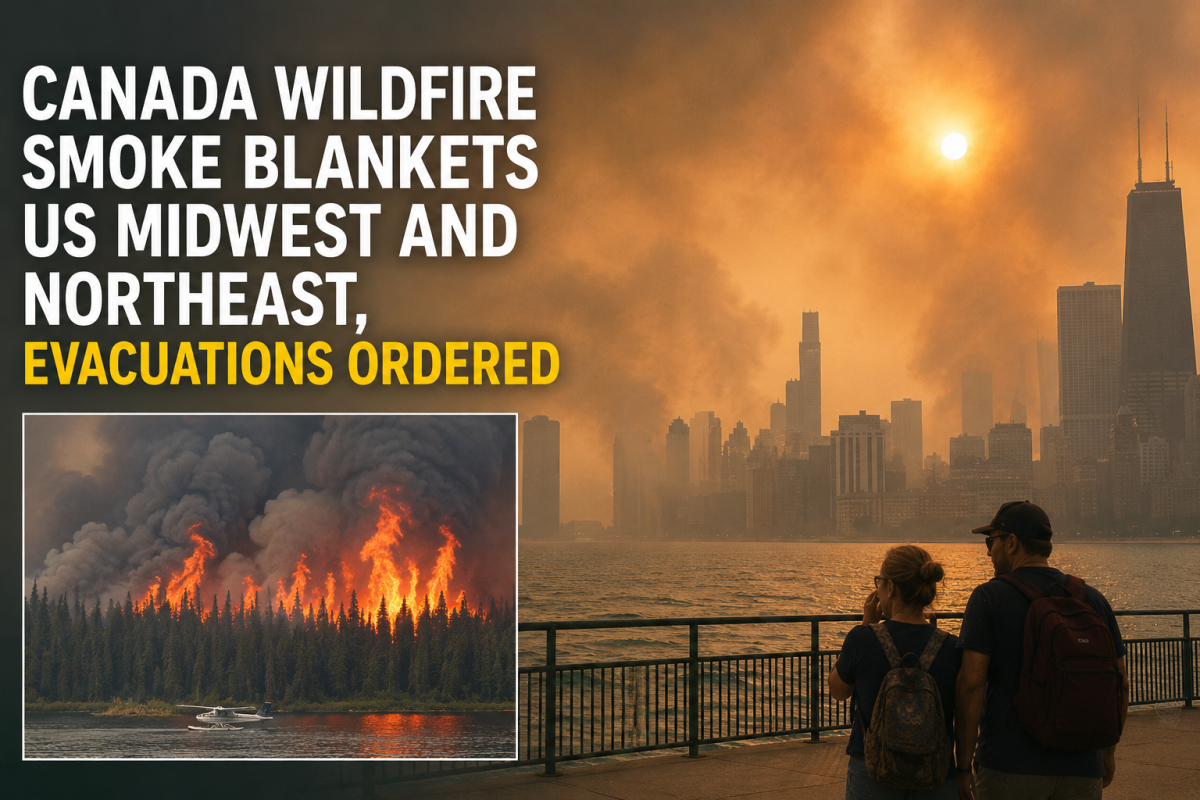
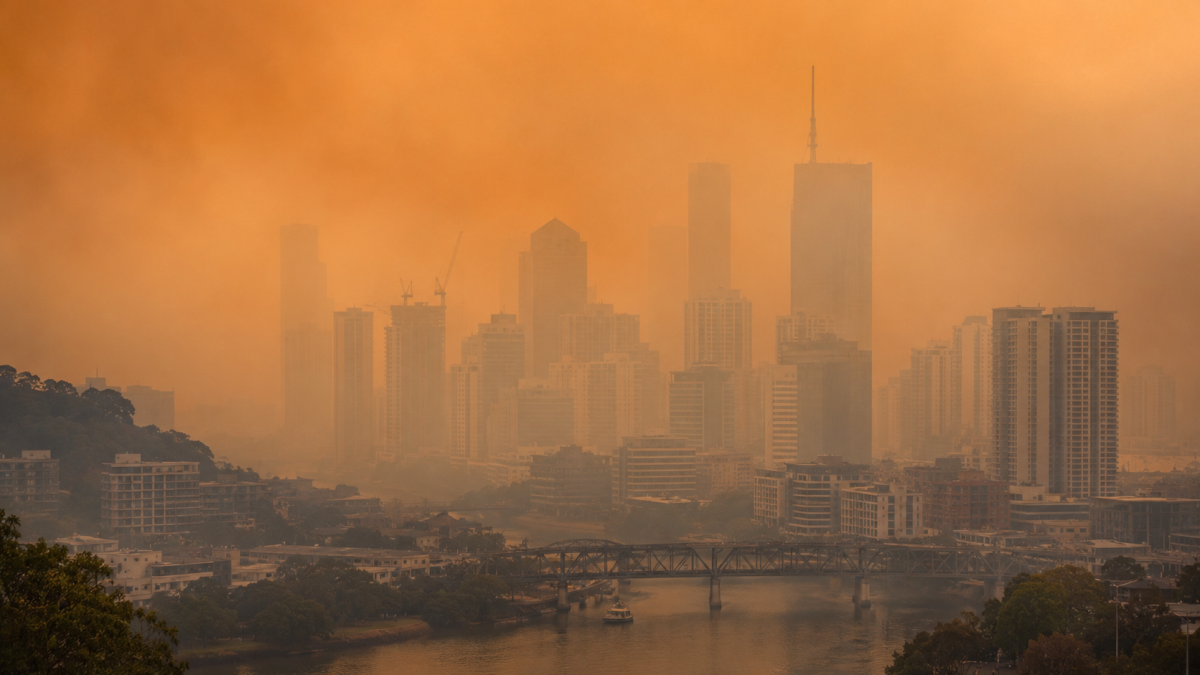
A massive plume of smoke from ongoing Canadian wildfires has spread across large parts of the United States, creating hazardous air quality conditions and forcing emergency evacuations in parts of Minnesota.
Authorities warned residents across several Midwestern and Northeastern states to limit outdoor activities as smoke combined with unusually high temperatures, increasing health risks for millions of people.
The situation has become one of the most significant cross-border wildfire smoke events of the summer, affecting daily life, transportation and outdoor recreation.
Minnesota Wilderness Evacuated as Fires Continue to Expand
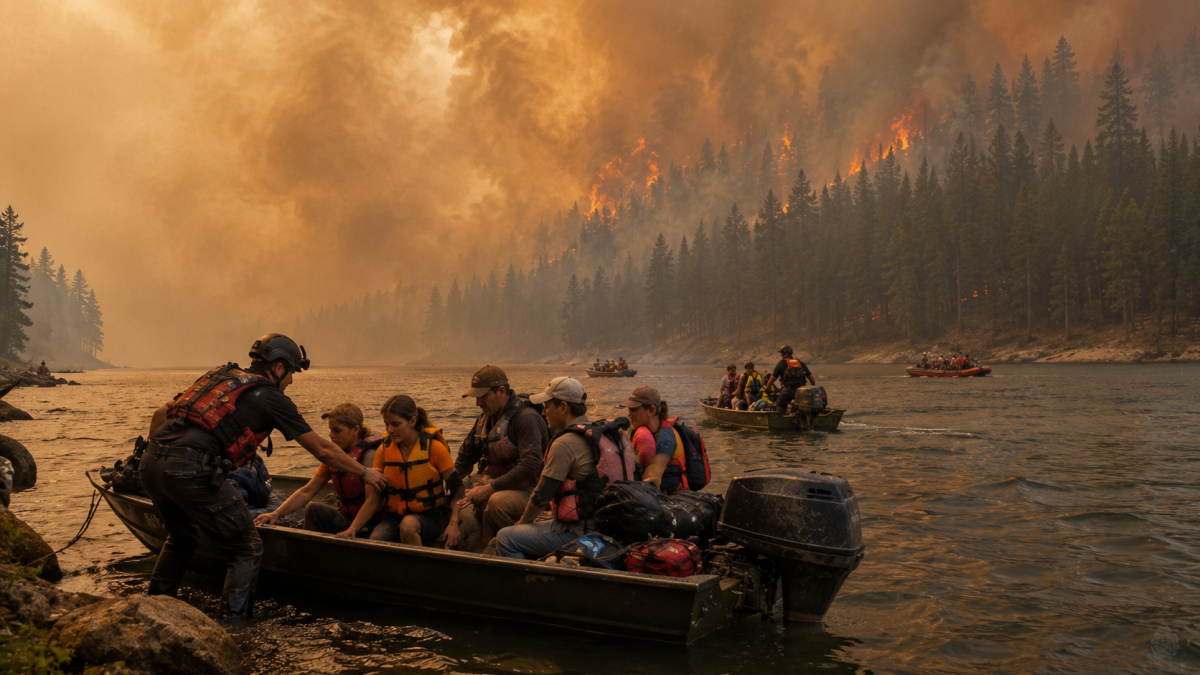
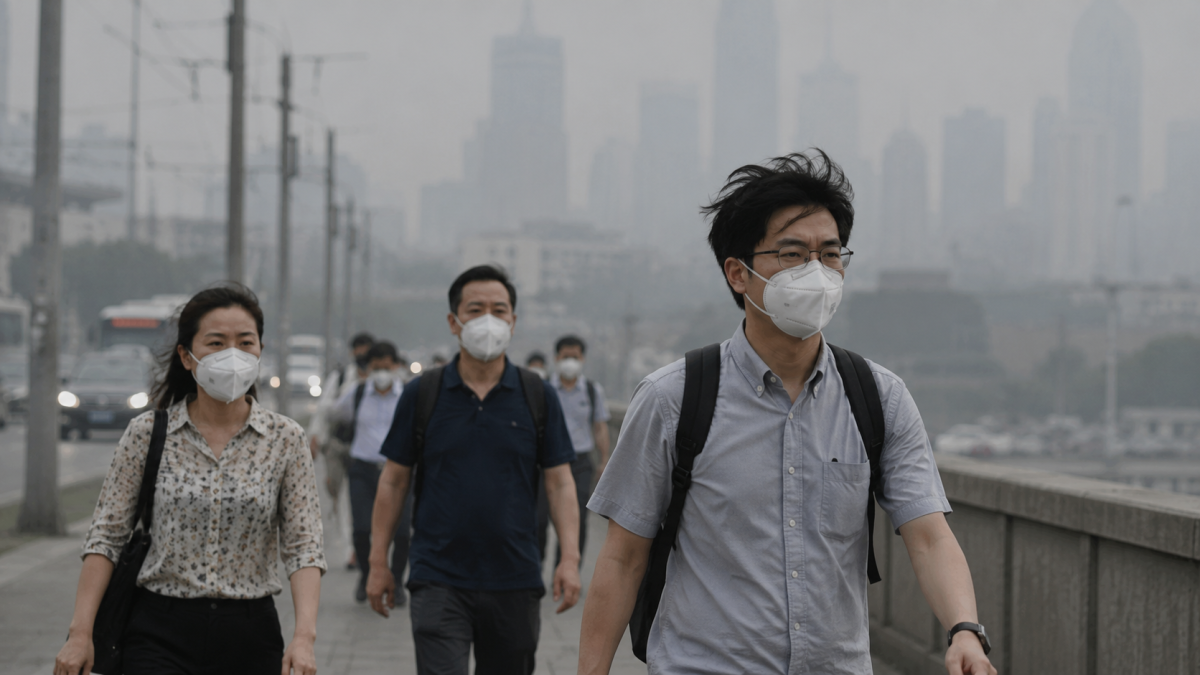
Emergency officials ordered visitors to leave the Boundary Waters Canoe Area Wilderness after multiple wildfires continued spreading through the remote region.
Because much of the protected wilderness is accessible only by canoe or boat, rescue teams carried out a large-scale evacuation operation involving thousands of campers and visitors.
Officials reported that crews worked across lakes and waterways to safely guide people out of the area while monitoring active fires.
Authorities said no fatalities had been reported during the evacuation effort.
Smoke Triggers Air Quality Alerts Across Multiple States
Smoke drifting south from Canada significantly reduced air quality across portions of Minnesota, Wisconsin, Michigan, New York and several neighboring regions.
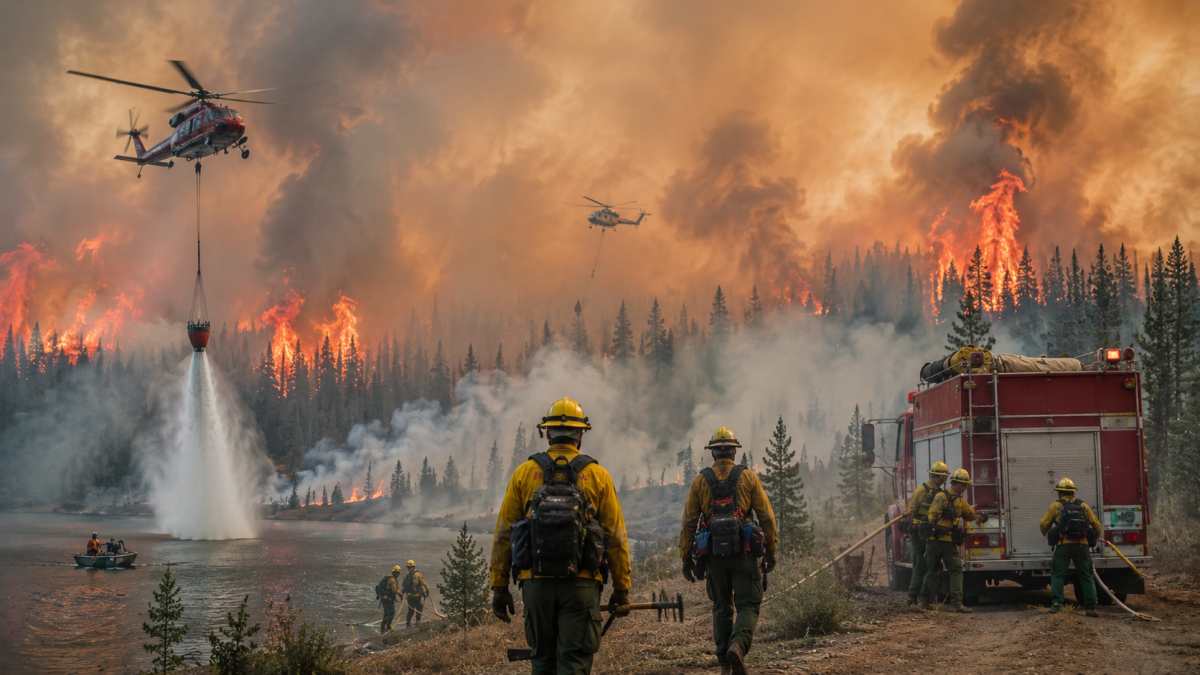
Health agencies warned that fine particulate pollution could pose serious risks, particularly for children, older adults and people with heart or lung conditions.
Experts recommended remaining indoors whenever possible, keeping windows closed, using air filtration systems and wearing N95 masks if outdoor travel could not be avoided.
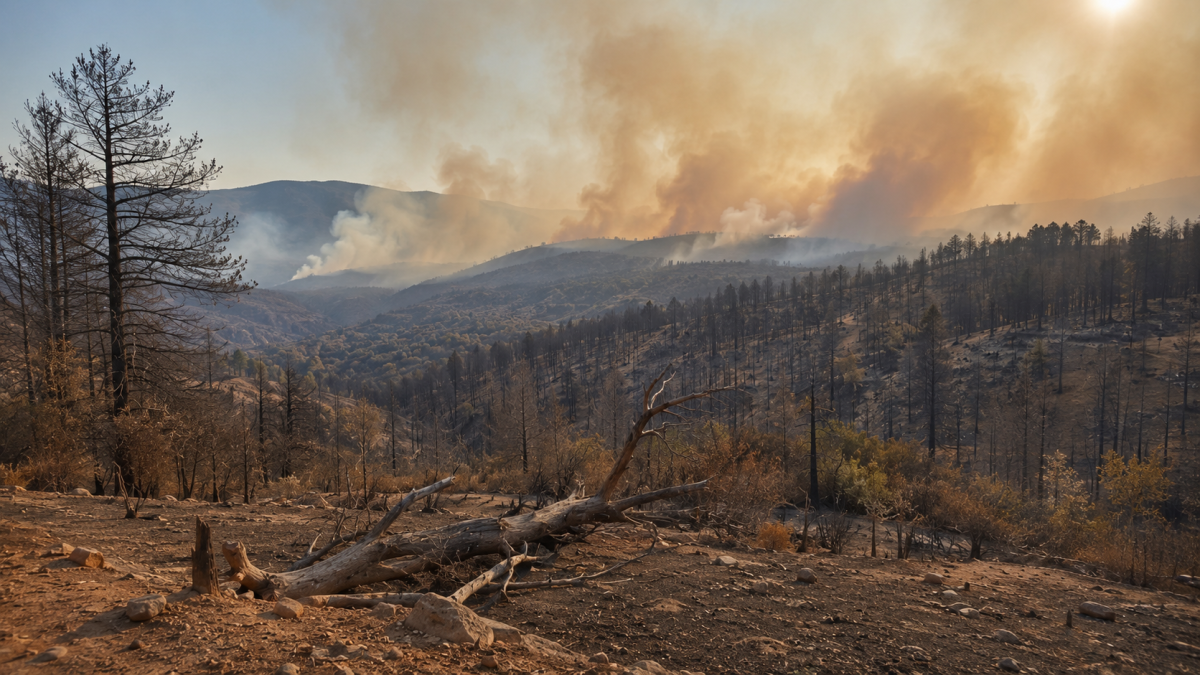
In several communities, visibility dropped dramatically as thick smoke covered roads, neighborhoods and skylines.
Extreme Heat Adds to Public Health Concerns
The wildfire smoke arrived during a period of unusually hot summer weather, creating additional challenges for emergency officials.
Meteorologists warned that exposure to both smoke and high temperatures could increase health risks, particularly for vulnerable groups.
Residents were encouraged to stay hydrated, reduce physical activity outdoors and monitor official weather and air quality updates throughout the week.
The combination of heat and smoke placed additional strain on healthcare systems and emergency response agencies.
Canada Continues to Battle an Active Wildfire Season
More than one hundred wildfires have been reported across parts of Canada, with several burning in remote forest regions.
The fires have generated enormous smoke plumes that continue moving south under changing wind patterns.
Emergency crews remain focused on containing active fires while protecting nearby communities and transportation infrastructure.
Officials also continue monitoring conditions that could allow additional fires to develop.
Scientists Point to Drought and Climate Conditions
Environmental experts say prolonged dry conditions and higher temperatures have created favorable conditions for large wildfires.
Low soil moisture, extended drought and persistent heat have increased the amount of dry vegetation available to fuel fast-moving fires.
Researchers note that climate-related warming is contributing to longer and more intense wildfire seasons across many parts of North America.
While individual fires have different causes, experts say changing climate conditions are increasing the likelihood of widespread fire activity.
What Residents Should Do
Public health officials continue encouraging residents in affected areas to:
- Stay indoors whenever air quality reaches unhealthy levels.
- Wear an N95 mask if outdoor activity is unavoidable.
- Keep windows and doors closed.
- Use air conditioners or air purifiers where available.
- Follow official evacuation instructions if living near active wildfires.
- Monitor local air quality and weather advisories regularly.
Conclusion
The ongoing Canadian wildfire season continues to affect millions of people far beyond the fire zones themselves. As smoke spreads across the Midwest and Northeast, authorities remain focused on protecting public health through evacuation efforts, air quality warnings and emergency preparedness. With fire activity expected to continue, residents are being urged to remain alert and follow guidance from local officials.
Frequently Asked Questions (FAQ)
Why is wildfire smoke affecting the United States?
Smoke from large wildfires burning in Canada is being carried south by changing wind patterns into several US states.
Which areas are most affected?
Parts of the Midwest and Northeast, including Minnesota, Wisconsin, Michigan and New York, have experienced poor air quality.
Why were people evacuated in Minnesota?
Wildfires spreading through the Boundary Waters Canoe Area Wilderness prompted emergency evacuations to protect campers and visitors.
How can wildfire smoke affect health?
Smoke contains fine particles that may cause breathing difficulties and worsen heart or lung conditions, especially among vulnerable people.
How can people protect themselves?
Officials recommend staying indoors, limiting outdoor activity, using air purifiers where possible and wearing an N95 mask when outside during heavy smoke conditions.