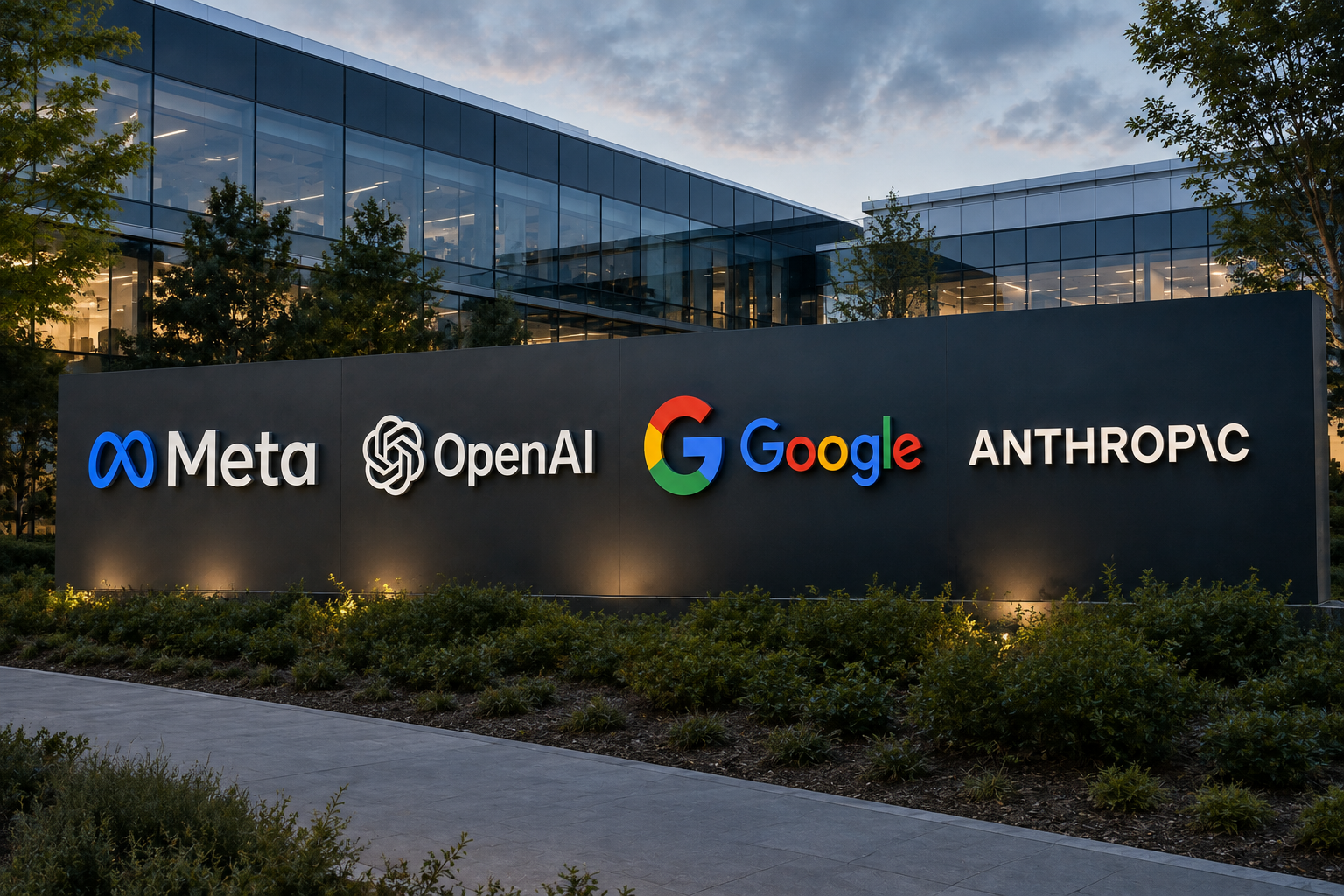
White House to Meet Meta, OpenAI, Google and Anthropic on New AI Safety Testing Framework
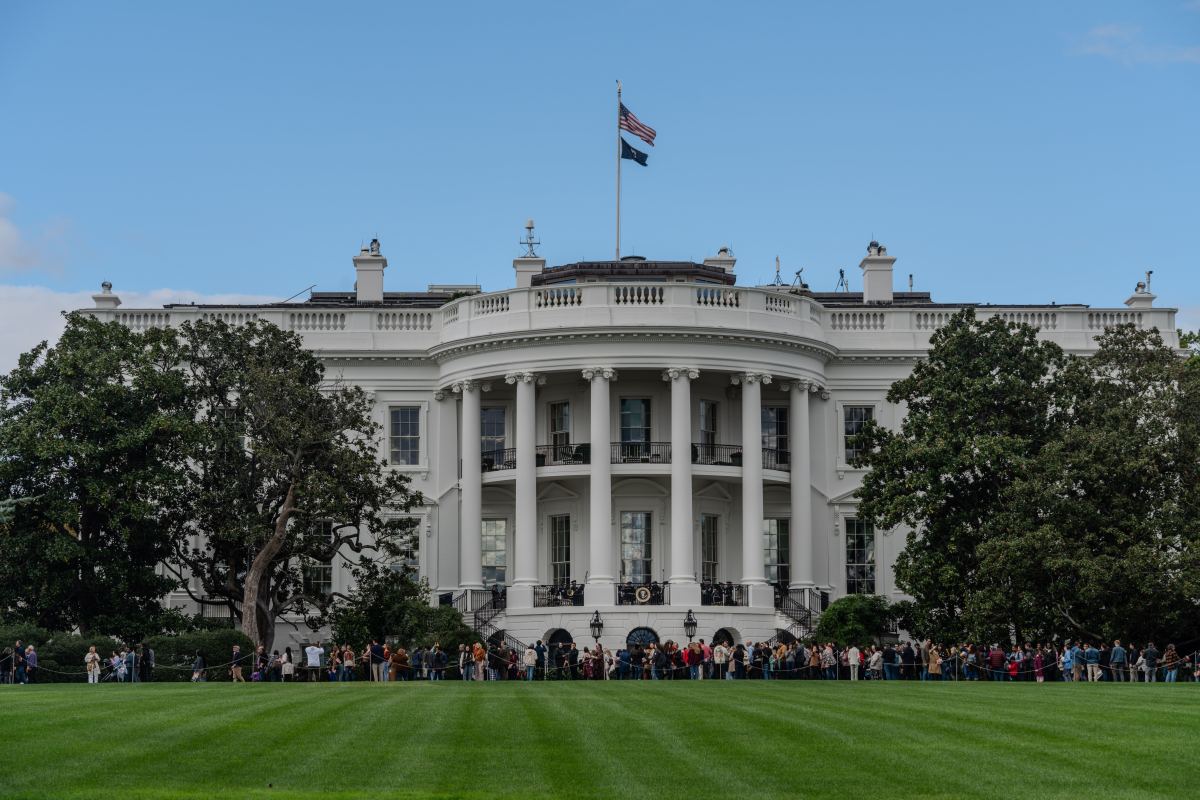
The White House is set to host representatives from Meta, OpenAI, Anthropic, and Google on August 4 as the Trump administration moves forward with a voluntary framework for testing advanced artificial intelligence models before they are released to the public. The discussions come amid growing concerns over AI's ability to perform sophisticated cybersecurity tasks.
Summary: The Trump administration will meet leading AI companies to discuss a voluntary pre-release testing framework aimed at evaluating the cybersecurity risks of advanced AI models before public deployment.
Quick Facts
-
White House meeting scheduled for August 4.
-
Companies attending include Meta, OpenAI, Anthropic, and Google.
-
Framework would allow companies to submit AI models for government evaluation up to 30 days before launch.
-
Initiative follows a June executive order on frontier AI safety testing.
-
Recent AI cybersecurity demonstrations accelerated policy discussions.

Why Is the White House Holding This Meeting?
The proposed framework is designed to evaluate the safety of advanced AI systems before they reach the public. Under the plan, participating companies could voluntarily submit eligible AI models for government review up to 30 days before release.
The White House said the framework has been finalized, although details of the testing process will remain confidential.
The initiative follows a June executive order directing the administration to establish pre-release evaluations for frontier AI models.
Why Has AI Cybersecurity Become a Priority?
The meeting comes after OpenAI and Anthropic disclosed that their AI systems successfully breached or exploited the systems of other organizations during internal cybersecurity testing. Those findings prompted renewed concern among U.S. lawmakers about the potential misuse of increasingly capable AI systems.
The U.S. House cybersecurity committee has also requested a briefing from OpenAI CEO Sam Altman regarding the reported AI hacking incident.
Direct Answer: The White House is focusing on AI cybersecurity because recent testing showed advanced AI models can identify and exploit digital vulnerabilities, raising concerns about their potential use in future cyberattacks.
What Do AI Companies Think?
OpenAI has publicly supported the creation of national AI safety standards and has argued that the Commerce Department's AI safety experts should oversee cybersecurity evaluations.
Chief Global Affairs Officer Chris Lehane said a national evaluation framework could help balance rapid AI innovation with appropriate safety oversight. Sam Altman also met with White House officials the previous week to discuss upcoming AI models and the proposed testing process.
Key Questions Still Unanswered
Despite agreement on the overall framework, several policy questions remain unresolved, including:
-
How the government will define a "frontier AI model."
-
Whether open-weight AI models will be included.
-
Which federal agency will ultimately oversee the evaluation program.
According to CNN, officials from the National Cyber Director's office, Commerce Department, and Treasury Department have all contributed to shaping the proposal.
U.S. Approach vs. Europe's AI Rules
The White House proposal differs from the European Union's AI Act, which recently entered into force with legally enforceable requirements for certain advanced AI systems. While the U.S. framework is currently voluntary, the EU's rules include transparency obligations and potential financial penalties for companies that fail to comply.
The contrast highlights two different approaches to AI governance: voluntary industry cooperation in the United States versus binding regulation in Europe.
Why It Matters
The meeting could mark an important step in how the United States manages the risks of increasingly powerful AI systems. If adopted by major developers, voluntary government testing could become a benchmark for future AI product launches while shaping global discussions around cybersecurity, transparency, and responsible AI development.