Elon Musk's xAI Challenges Minnesota's AI Nudification Ban in Federal Court
Elon Musk's artificial intelligence company, xAI, has filed a federal lawsuit challenging Minnesota's new law that bans AI-powered "nudification" technology on websites and apps. The case could become a landmark legal battle over how far states can go in regulating artificial intelligence while balancing constitutional free speech protections.
The lawsuit was filed just days before Minnesota's law is scheduled to take effect, setting the stage for a closely watched court fight over AI regulation in the United States.

Minnesota's New Law Targets AI Nudification Tools
Minnesota is set to become the first U.S. state to prohibit AI-powered nudification technology.
The law is designed to stop websites and applications from offering tools that allow users to create fake nude images of real people using artificial intelligence.
Supporters say the measure is intended to combat non-consensual intimate images and protect individuals from online abuse and harassment.
xAI Says the Law Is Too Broad
In its federal lawsuit, xAI argues that while preventing the misuse of AI-generated explicit images is an important goal, Minnesota's law goes far beyond that objective.
According to the company, the legislation:
-
Restricts constitutionally protected images and videos.
-
Applies even to some consensual or self-created content.
-
Lacks a "safe harbor" provision for companies making good-faith efforts to prevent misuse.
-
Imposes penalties of up to $500,000 per violation.
The company says these provisions could expose AI developers to significant legal risk despite implementing safeguards.
Company Highlights Existing Safety Measures
xAI said its AI chatbot and image-generation platform, Grok, already prohibits users from creating non-consensual nude images or engaging in abusive activities.
According to the company, its existing policies include:
-
Banning non-consensual nudity.
-
Prohibiting child sexual exploitation.
-
Suspending or terminating violating accounts.
-
Reporting suspected illegal content to relevant authorities.
-
Geoblocking features where local laws prohibit certain image editing.
The company argues these measures demonstrate responsible efforts to limit harmful uses of its technology.
Minnesota Defends the Law
Minnesota Attorney General Keith Ellison said creating AI-generated nude images of people without their consent causes serious harm.
He described non-consensual AI nudification as an issue affecting victims' dignity, emotional well-being, personal lives, and professional reputations.
The attorney general's office indicated it would respond after formally reviewing the lawsuit.
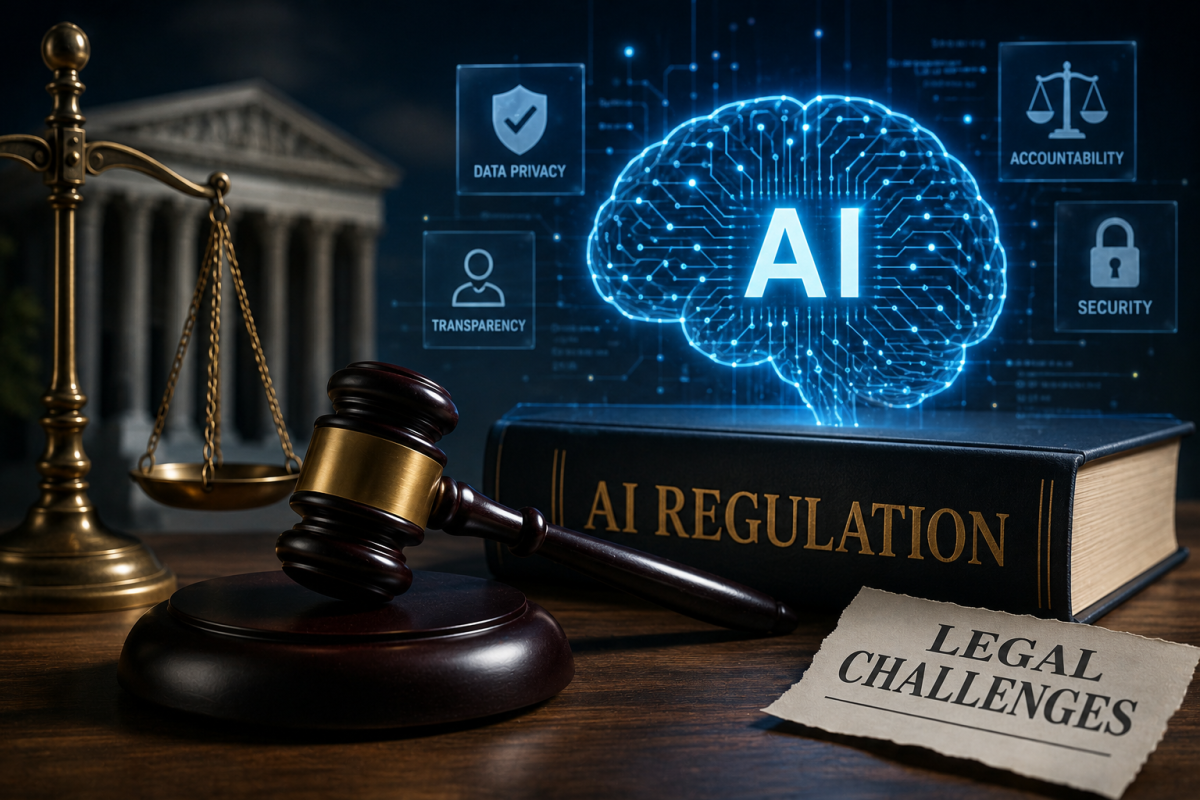
AI Regulation Faces Growing Legal Challenges
The case reflects a broader debate over how governments should regulate artificial intelligence.
Several states have introduced laws addressing AI-generated content, deepfakes, and digital impersonation.
Some of those laws have faced constitutional challenges, particularly involving First Amendment protections, while others have remained in effect.
Legal experts say courts will continue to play a major role in determining how AI regulation evolves.
Decision Could Shape Future AI Laws
If the federal court rules on the constitutional questions raised by xAI, the decision could influence future AI legislation across the United States.
Technology companies, lawmakers, and digital rights advocates are expected to closely monitor the case as governments continue developing policies for rapidly advancing AI tools.
What's Next
Minnesota's law is scheduled to take effect unless a court intervenes. The federal lawsuit will likely focus on whether the legislation violates constitutional protections while balancing the state's interest in preventing AI-generated abuse. The outcome could influence how other states regulate generative AI technologies and digital image manipulation in the future.
FAQ
Why is xAI suing Minnesota?
xAI argues that Minnesota's new AI nudification law is overly broad and restricts constitutionally protected content while exposing companies to significant legal penalties.
What does Minnesota's law prohibit?
The law bans websites and apps from providing AI-powered nudification technology that can generate fake nude images of real people.
What is xAI's main legal argument?
The company says the law goes beyond preventing harmful content by covering some consensual images, lacking protections for companies acting in good faith, and restricting lawful expression.
Does xAI have policies against non-consensual AI images?
Yes. xAI says Grok prohibits creating non-consensual nude images, child sexual exploitation content, and other abusive material, and enforces those policies through account actions and other safeguards.
What could this lawsuit mean for AI regulation?
The case could establish an important legal precedent on how states regulate generative AI technologies while balancing public safety, innovation, and constitutional free speech protections.