Brazil to Delay Large Crypto Transfers Under New Anti-Fraud Rules
Brazil's central bank will introduce new anti-fraud controls that can delay certain large cryptocurrency transfers by up to 24 hours, adding a review period for transactions involving foreign virtual-asset companies and self-custody wallets.
The measure is scheduled to take effect next year and targets transfers exceeding $10,000, either as a single transaction or when a customer's combined transfers reach the threshold within one day.

Which Crypto Transfers Will Face Delays?
The new rules apply primarily to larger transactions involving foreign crypto businesses and self-custody wallets.
A transfer can trigger the $10,000 threshold through an individual transaction or through the customer's total transfers during the same day. Financial institutions can also impose the review period when transactions require additional scrutiny under their existing risk-management policies.

The central bank emphasized that the measure is not an asset freeze. A transaction can still be completed after the review process, meaning the rule is intended to slow and examine certain transfers rather than permanently block access to funds.
Why Is Brazil Introducing the 24-Hour Review?
The central bank said the measure is partly a response to the growing use of virtual assets, including stablecoins, to move money connected to financial scams.

Cryptocurrency transfers can move quickly across borders, making rapid transactions attractive for legitimate users but also potentially useful for criminals attempting to move illicit funds before financial institutions can intervene.
The new review period gives regulated institutions additional time to assess transactions that meet the threshold or appear suspicious under their risk-management systems.
What Does the Rule Mean for Everyday Crypto Users?
Most smaller cryptocurrency transactions below the specific $10,000 trigger would generally fall outside this particular requirement.
The impact is more significant for users conducting large cross-border payments, business settlements, remittances, over-the-counter trades or sizeable transfers between exchanges.
For these users, a transaction that could previously be processed quickly may now require additional waiting time before completion.
The distinction is particularly important for businesses and traders that depend on predictable settlement times.
How Will Self-Custody Wallets Be Affected?
Self-custody creates an important distinction in Brazil's framework.
A blockchain transaction conducted directly between two self-custody wallets does not itself require approval from a bank. However, regulated financial institutions and crypto intermediaries involved in transferring funds to or from those wallets can be subject to the new controls.
As a result, the rule does not mean that Brazil can simply place every on-chain transaction into a 24-hour approval queue. Instead, the practical effect depends on the involvement of regulated intermediaries.
Crypto Markets Show Limited Immediate Reaction
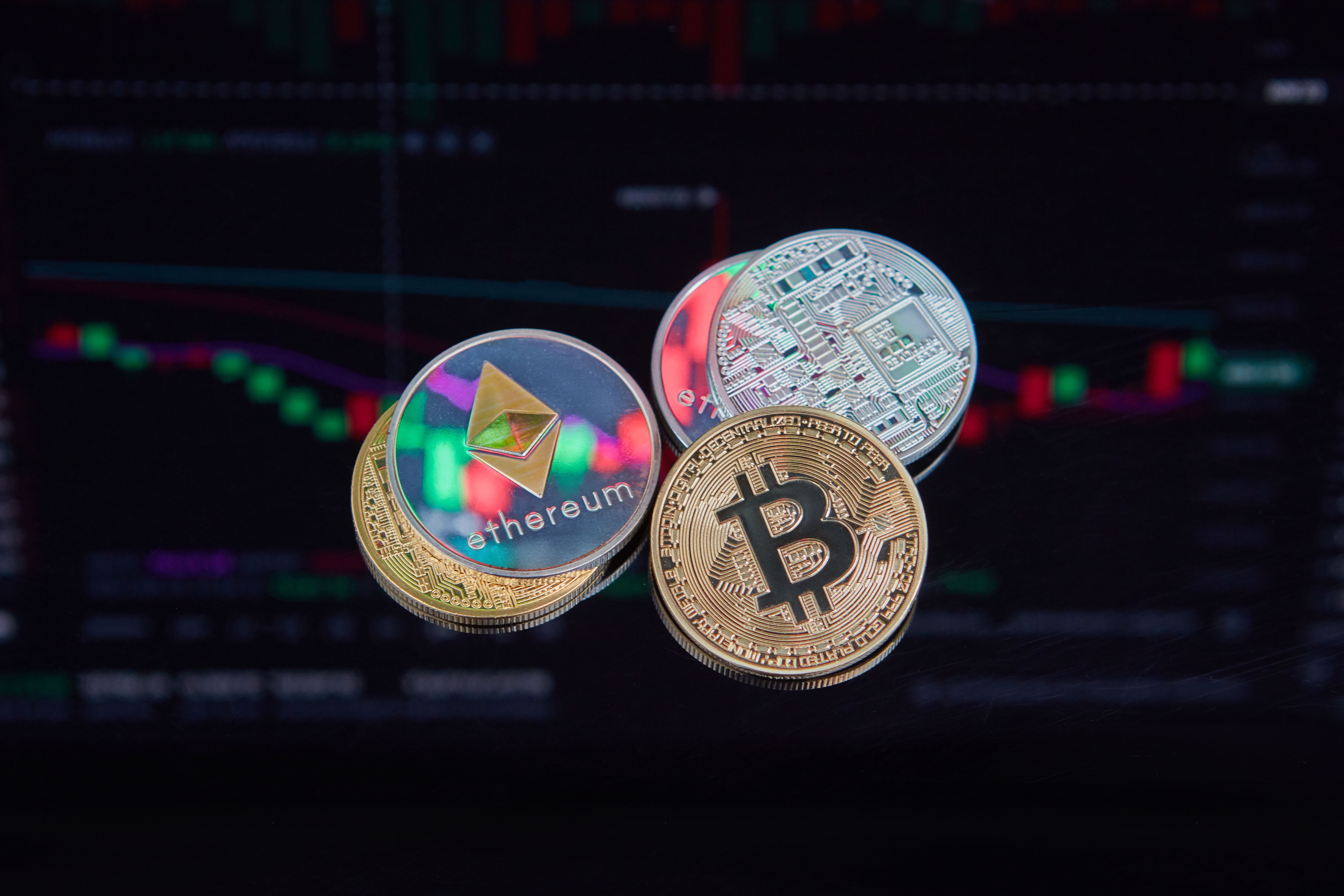
The supplied market data showed Bitcoin at about $64,865 and Ethereum near $1,913 on August 8, 2026, with limited movement around the announcement.
The immediate market response therefore appeared relatively muted. The longer-term effect will depend more on how financial institutions implement the rules and whether large crypto users experience significant delays in practice.
The central bank has not fully specified all operational details, including the precise enforcement procedures and the complete list of providers covered by the review requirements.
Brazil's Broader Crypto Policy Shift
The new controls reflect a growing challenge for regulators: cryptocurrency transactions are designed to be fast and globally accessible, while financial institutions are increasingly expected to detect fraud and suspicious activity.
Brazil's approach attempts to preserve cryptocurrency transfers while adding friction to transactions considered more vulnerable to fraud.
For large users, the biggest change may therefore be speed rather than access. A transfer that remains permissible could nevertheless take significantly longer to complete if it falls within the new review framework.
Why It Matters
Brazil's planned 24-hour delay for certain crypto transfers above $10,000 represents a shift toward stronger transaction-level oversight in the country's digital-asset market.
The policy could help financial institutions identify suspicious transfers before funds move beyond their control, but it also introduces additional friction for legitimate businesses, investors and users making large international cryptocurrency payments.