Nvidia Bets $3 Billion on Texas Power Infrastructure for AI Data Centers
Nvidia is preparing to invest up to $3 billion in Lancium, a Texas-based power infrastructure developer, as the AI industry increasingly faces a bottleneck beyond computing chips: securing enough electricity to operate massive data centers.
The planned investment would give Nvidia a direct ownership stake in infrastructure supporting some of the largest AI computing projects in Texas and deepen the chipmaker's role across the AI supply chain.
Nvidia's Planned Stake in Lancium
Nvidia is expected to initially invest $2 billion for approximately 20% of Lancium. The company could invest another $1 billion if Lancium achieves specified milestones, including targets related to connecting its projects to the power grid.
If the additional investment is completed, Nvidia's ownership could rise to roughly 30%.
The reported transaction values Lancium's land and power infrastructure portfolio at approximately $10 billion in enterprise value.
Lancium is also considering a potential initial public offering in 2027, adding another possible path for investors to participate in the company's expansion.
Why Is Nvidia Investing in Power Infrastructure?
Why is electricity becoming a problem for AI data centers?
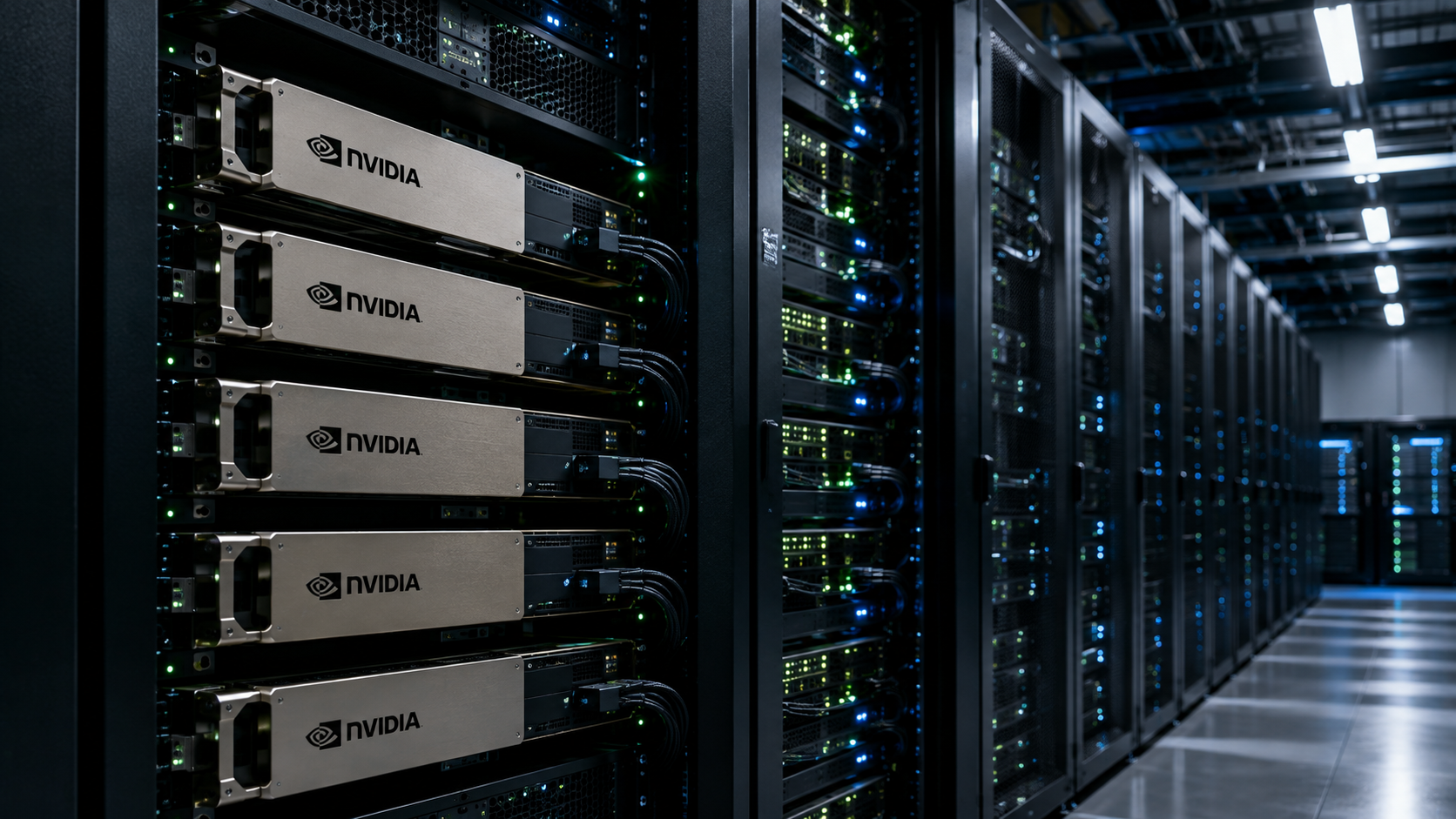
AI data centers require enormous amounts of electricity to run increasingly powerful computing systems. As companies build larger clusters of AI accelerators, securing land and grid connections can become just as important as obtaining the chips themselves.
Nvidia's investment in Lancium reflects that shift. Rather than remaining focused primarily on supplying computing hardware, Nvidia would gain direct exposure to the infrastructure required to keep AI systems operating at scale.
The move comes as data-center developers across Texas compete for limited grid capacity and face additional scrutiny over new electricity connection requests.
Lancium's Texas Power Portfolio
Lancium has secured approximately 4 gigawatts of power resources in Texas, with another 15 gigawatts of projects in its interconnection pipeline.
The company's secured capacity includes major AI infrastructure projects:
-
1.2 GW for the OpenAI-Oracle campus
-
900 MW for a Crusoe data center serving Microsoft
-
Approximately 1 GW for QTS Data Centers
-
Approximately 1 GW for another Crusoe facility
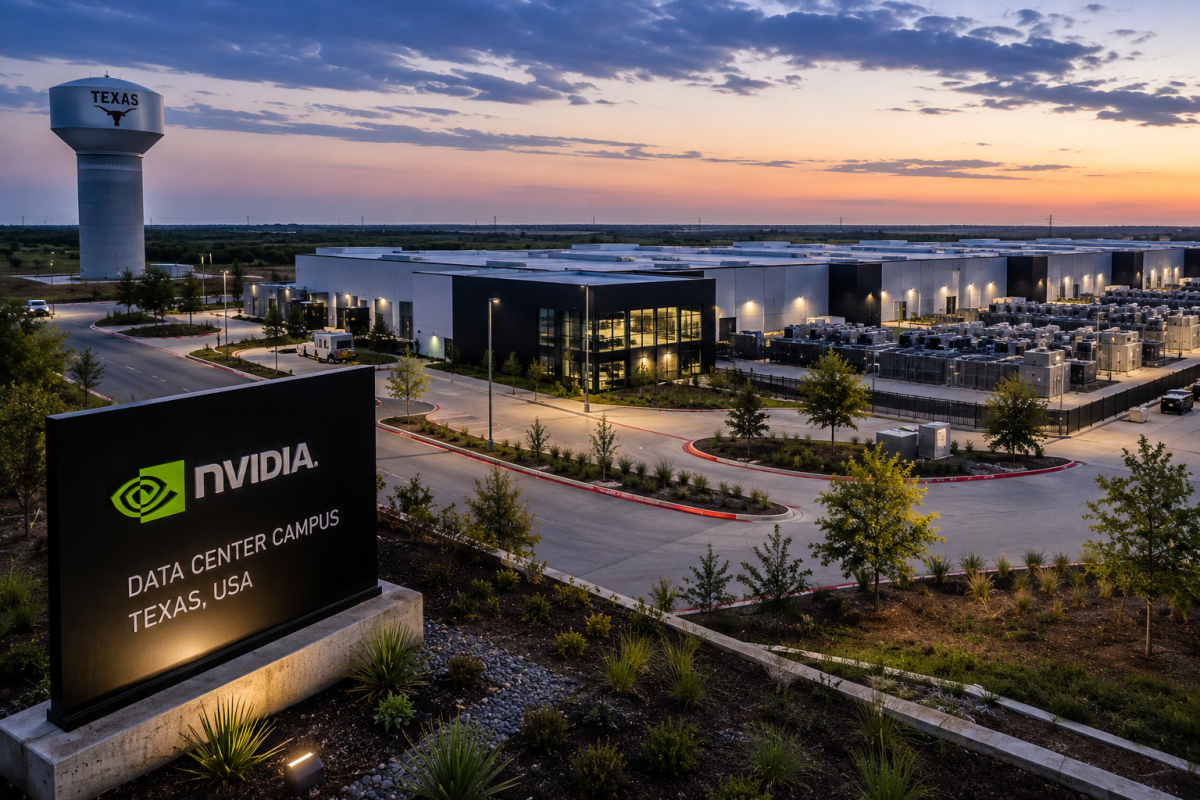
Lancium also owns a 1,000-acre campus in Abilene, which serves as the first operational site associated with the Stargate AI infrastructure initiative.
That project is connected to the broader Stargate effort involving OpenAI, Oracle and SoftBank, which was announced with plans for up to $500 billion in AI infrastructure investment.
Texas Has Become an AI Power Battleground
Texas has emerged as a major destination for AI data centers because of its available land, energy resources and expanding technology infrastructure. But rapid development has created a new challenge: getting enough electricity to new facilities quickly.
The scale of Lancium's power pipeline illustrates the size of the problem. Tens of gigawatts of potential capacity are either secured or awaiting grid interconnection, while data-center developers compete for access to transmission infrastructure and generation resources.
For AI companies, securing power can determine how quickly new computing capacity can actually come online.
Nvidia's Role Is Expanding Beyond GPUs
Nvidia has already invested across several parts of the AI ecosystem, including cloud computing, photonics, networking and semiconductor companies.
The Lancium deal takes that strategy into another category: power infrastructure.
That expansion could give Nvidia greater visibility into one of the most important constraints facing its customers. If data centers cannot obtain sufficient electricity, demand for Nvidia's AI accelerators cannot translate into deployed computing capacity as quickly as developers might want.
The investment therefore connects Nvidia's chip business with the physical infrastructure needed to use those chips at scale.
What Could the Investment Mean for AI Infrastructure?
The transaction highlights a broader change in the AI industry. Early AI infrastructure spending centered heavily on GPUs, networking equipment and data centers. Increasingly, companies must also secure electricity, transmission capacity, cooling systems and suitable land.
Nvidia's potential 30% ownership of Lancium would position the company closer to that infrastructure layer.
The strategy also carries financial risks. AI data centers require enormous upfront investments, and the economics depend on sustained demand for computing, successful project construction and sufficient utilization of the resulting capacity.
Why It Matters
Nvidia's proposed investment of up to $3 billion in Lancium shows how the AI infrastructure race is expanding beyond chips.
As AI data centers consume increasing amounts of electricity, power availability and grid access are becoming strategic assets. By investing directly in Lancium, Nvidia is positioning itself not only as a supplier of the technology that powers AI, but also as an investor in the infrastructure that allows that technology to operate at scale.