US Cybersecurity Agency Warns of Rising Hacker Attacks on Water Systems Across Multiple States
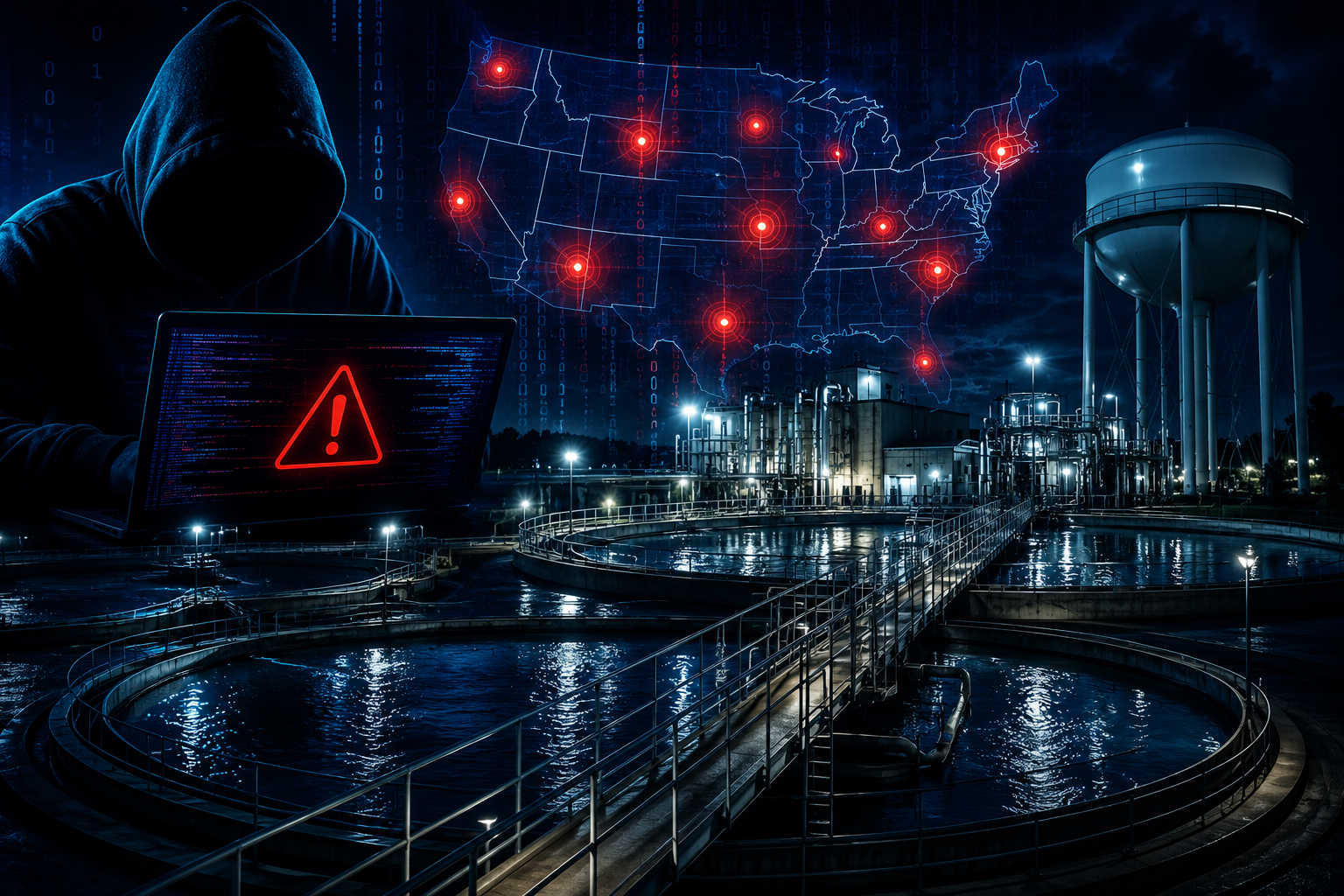
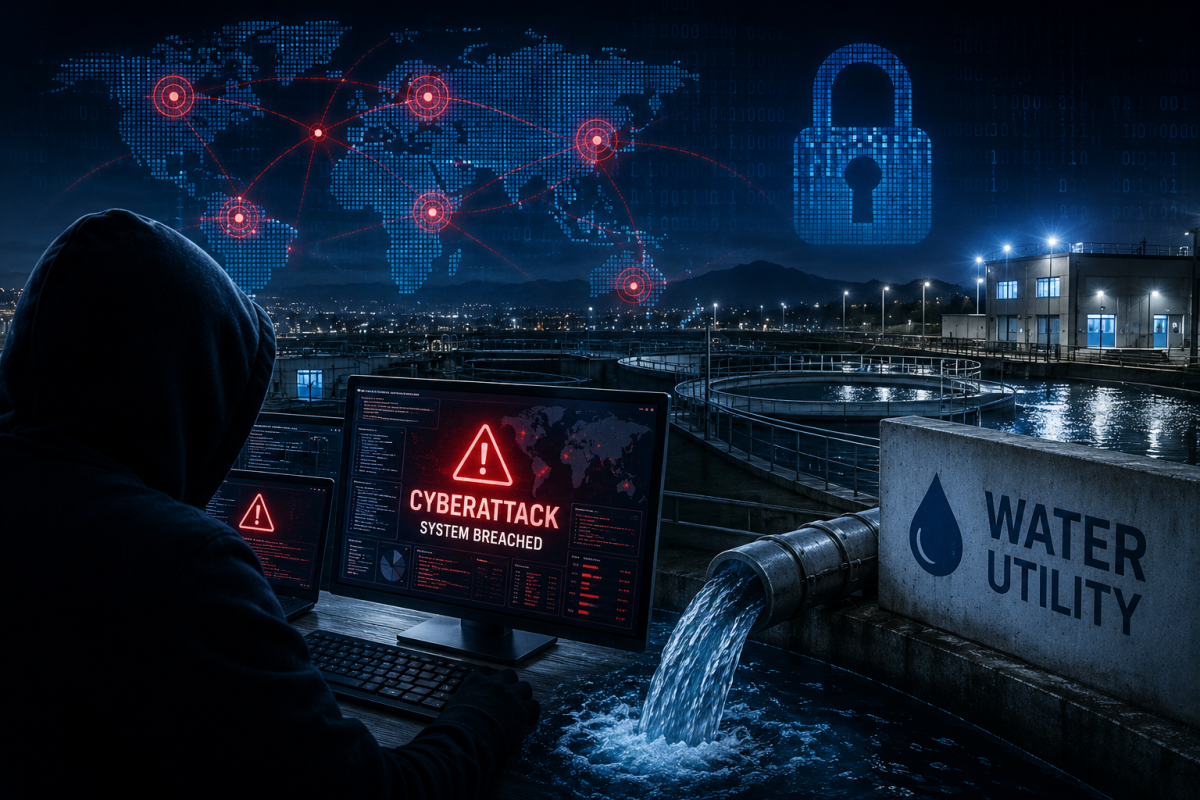
The U.S. Cybersecurity and Infrastructure Security Agency (CISA) has issued a warning that hackers are increasingly targeting water and wastewater systems, urging utilities to disconnect internet-exposed industrial control technology immediately. The alert follows coordinated cyberattacks on community water systems in multiple states, raising concerns about the security of critical infrastructure amid heightened geopolitical tensions.
Federal officials say the attacks have disrupted operations at several utilities, although there have been no reports of compromised drinking water quality.
Coordinated Cyberattacks Target Water Utilities
The latest warning comes after more than 30 community water systems in Minnesota were targeted during coordinated cyberattacks on July 26 and 27.
The FBI said water and wastewater utilities in at least seven U.S. states have reported similar incidents, with some attacks disrupting normal operations.
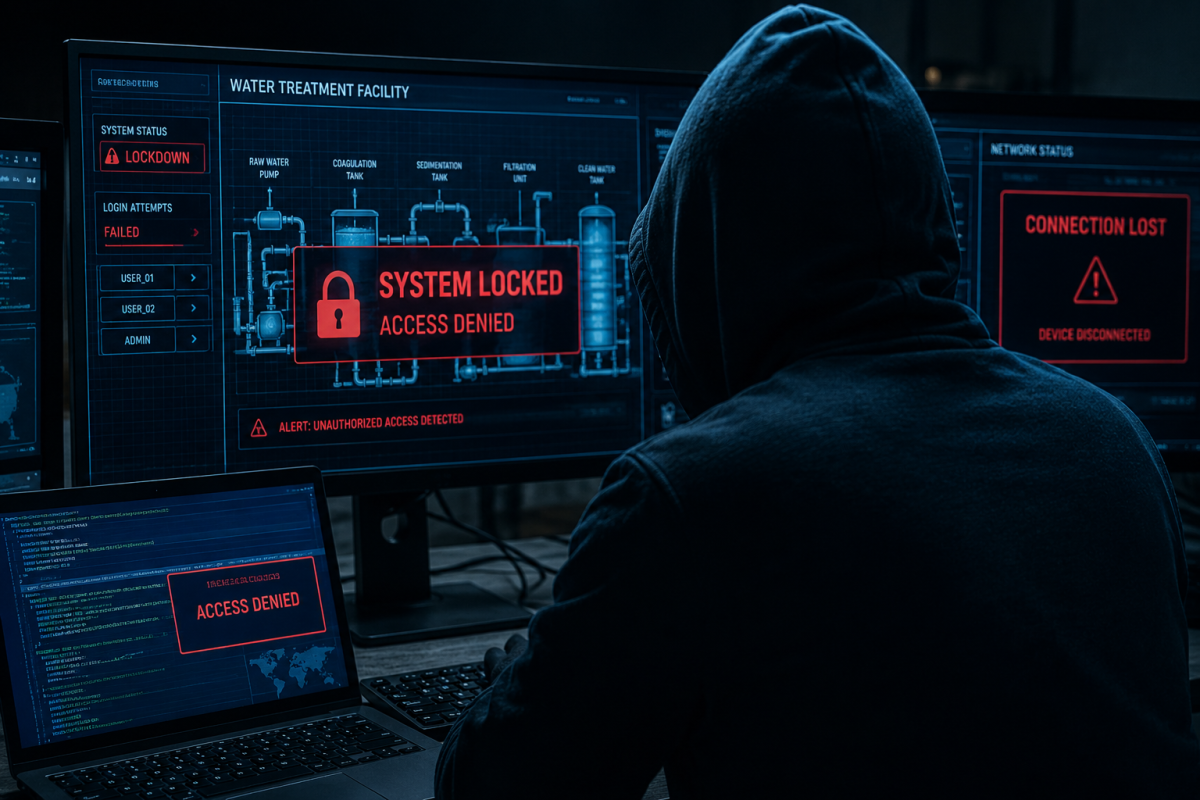
Investigations into the attacks are ongoing.
CISA Urges Immediate Security Measures
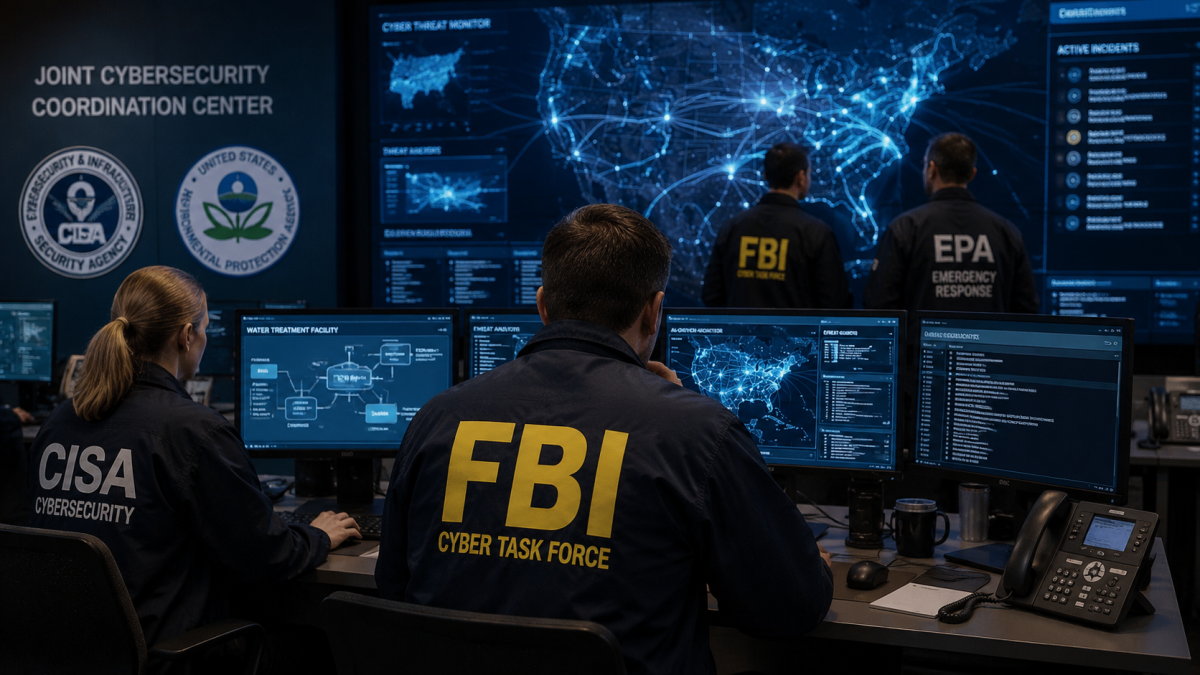
CISA is advising water system operators to remove internet-connected industrial control systems whenever possible.
The agency warned that devices exposed online are increasingly becoming targets for cybercriminals and other threat actors.
Officials recommend strengthening cybersecurity by:
-
Disconnecting internet-exposed control systems.
-
Securing remote access.
-
Updating software and firmware.
-
Strengthening password protections.
-
Monitoring networks for unusual activity.
The agency said these steps can help reduce the risk of future attacks.
Hackers Disrupted Utility Operations
According to federal officials, attackers have used several techniques to interfere with water system operations.
Reported incidents included:
-
Changing operator passwords.
-
Locking authorized personnel out of systems.
-
Disconnecting critical devices from networks.
-
Forcing utilities to operate equipment manually.
In some communities, these disruptions resulted in boil water notices and extended periods of manual system management.
Officials Investigate Possible Iranian Links
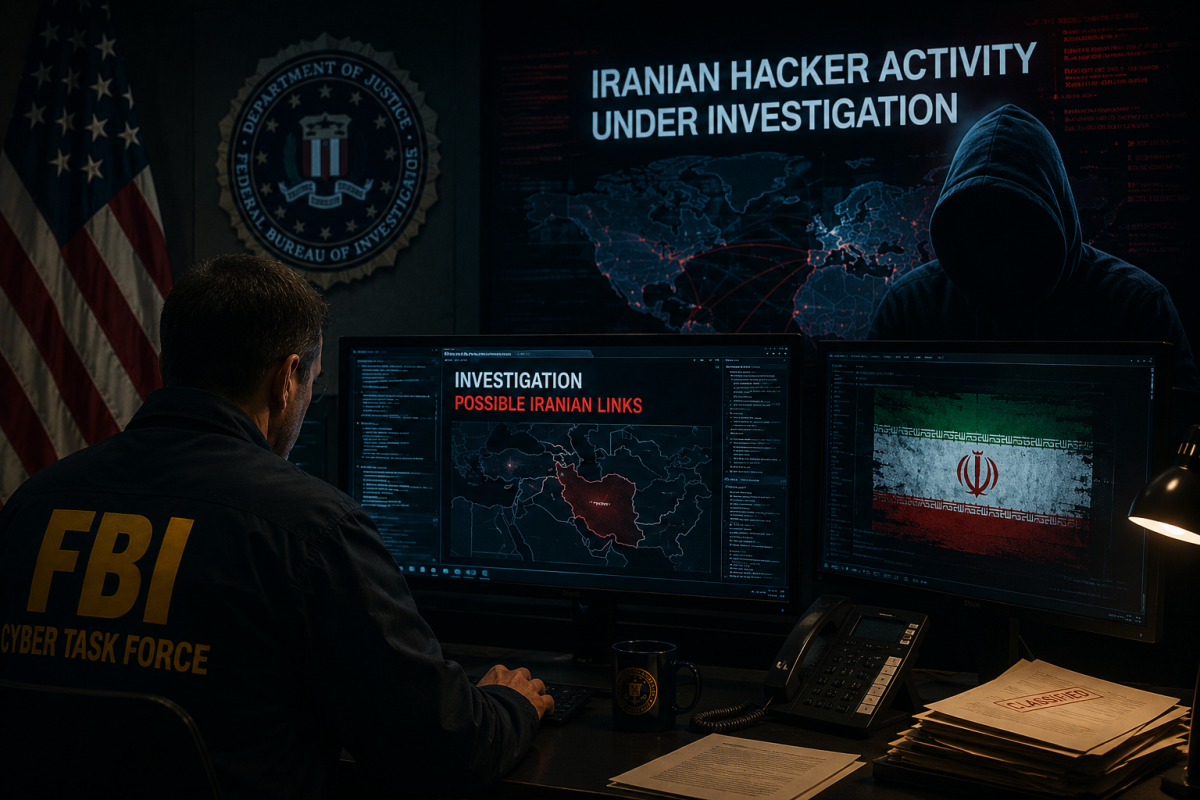
U.S. officials and investigators are examining whether hackers linked to Iran were responsible for some of the recent attacks.
According to the report, investigators believe the activity resembles previous campaigns that targeted industrial control systems used by critical infrastructure operators.
Iran has not publicly commented on the allegations.
Authorities have not announced any formal attribution while investigations continue.
Critical Infrastructure Faces Growing Cyber Threats
Cybersecurity experts say water utilities have become increasingly attractive targets because many rely on industrial control systems that were originally designed with limited cybersecurity protections.
Experts warn that attacks affecting essential services such as water, electricity, transportation, and healthcare could have broader consequences for public safety and daily life.
Recent federal advisories have highlighted increasing attempts to compromise programmable logic controllers (PLCs) and other operational technology used in critical infrastructure.
Federal Agencies Continue Investigation
State and federal agencies are working together to determine the full scope of the incidents.
Officials emphasized that, despite operational disruptions, there is no indication that drinking water safety was compromised during the reported attacks.
Investigators continue analyzing technical evidence while advising utilities nationwide to strengthen cyber defenses against similar threats.
What's Next
Federal investigators are expected to continue examining the coordinated attacks while determining whether they are connected to a broader cyber campaign. Water utilities across the United States are likely to review their cybersecurity practices, and CISA may issue additional guidance as new information becomes available. The investigation's findings could also shape future efforts to strengthen protections for critical infrastructure.
FAQ
Why did CISA issue this warning?
CISA warned that hackers are increasingly targeting water and wastewater systems, particularly industrial control technology connected to the internet.
What happened in Minnesota?
More than 30 community water systems were targeted in coordinated cyberattacks, prompting state and federal investigations.
Were drinking water supplies affected?
Officials said the reported incidents disrupted some utility operations, but they stated there was no indication that drinking water safety had been compromised.
Who is suspected of carrying out the attacks?
According to the report, investigators are examining possible links to Iranian-affiliated hackers, although no formal attribution has been announced.
What should water utilities do now?
CISA recommends removing internet-exposed control systems where possible, strengthening cybersecurity protections, securing remote access, updating systems, and closely monitoring networks for suspicious activity.