South Korea's Export Growth Expected to Slow in July, but AI Chip Demand Remains a Powerful Driver
South Korea's export growth is expected to remain strong in July, although the pace is likely to slow from June's nearly five-decade high. Economists say the country's semiconductor industry continues to benefit from booming global demand for artificial intelligence (AI) chips, helping sustain one of the strongest export rallies in years despite growing market uncertainty.
As one of Asia's largest export-driven economies, South Korea is often viewed as an early indicator of global trade trends. While export momentum may moderate this month, analysts believe the semiconductor boom remains firmly intact.
Export Momentum Cools After Record-Breaking June
According to a Reuters survey of economists, South Korea's exports are expected to increase 59.0% year over year in July.
Although that would represent a slowdown from the 70.7% surge recorded in June, it would still mark the second-fastest annual export growth since the current expansion began in June 2025.
Analysts note that the easing growth rate reflects normalization after an exceptionally strong June rather than weakening global demand.
AI Chip Demand Continues to Fuel Semiconductor Exports
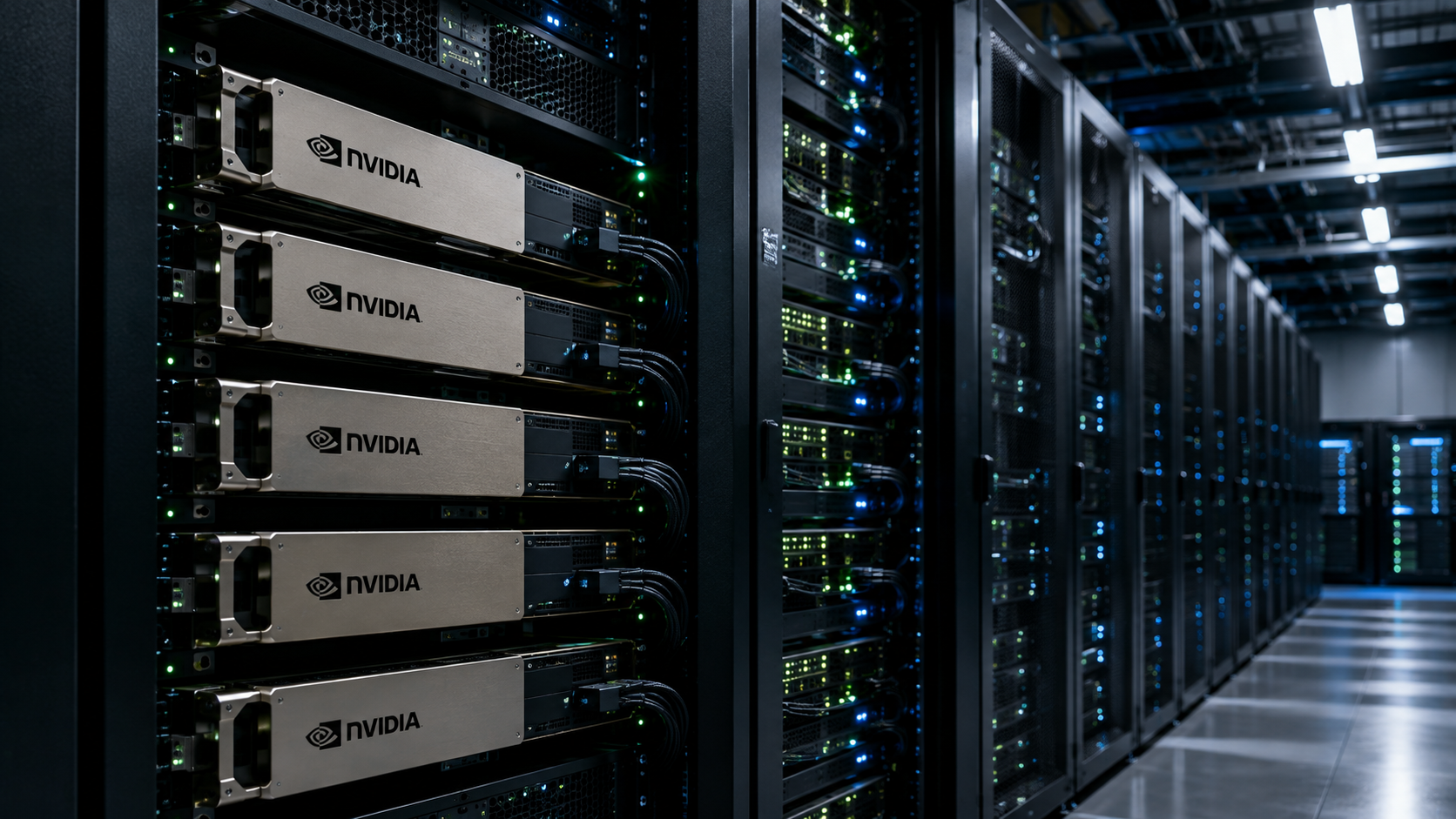
The country's export performance continues to be powered by the semiconductor industry.
Leading chipmakers Samsung Electronics and SK Hynix are benefiting from higher memory chip prices as technology companies worldwide continue investing heavily in artificial intelligence infrastructure.
Economists say stronger chip pricing has become a major contributor to export value, while shipment volumes have increased at a more moderate pace.
During the first 20 days of July, semiconductor exports jumped 180.6% compared with the same period last year, highlighting the industry's ongoing strength.
Fewer Working Days Also Affect July Growth
Some economists believe the slower growth rate is partly due to calendar effects rather than weakening demand.
July included fewer working days compared with the same month last year, reducing the number of shipping days available for exporters.
Despite this temporary factor, analysts expect semiconductor exports to remain one of the strongest pillars of South Korea's economy throughout the year.
Stock Market Struggles Despite Strong Chip Industry
While exports continue to improve, South Korea's stock market has faced significant volatility.
The benchmark KOSPI has fallen sharply this month as investors reassess AI-related valuations and growth expectations.
Recent earnings also contributed to mixed market sentiment.
Although SK Hynix reported record quarterly profits, the results failed to meet elevated investor expectations.
Meanwhile, Samsung Electronics reaffirmed that demand for AI memory chips remains strong and said supply shortages are expected to continue through the year.
Trade Surplus Expected to Narrow
Economists expect imports to rise 26.6% in July, following a 30.0% increase in June.
As imports continue recovering, South Korea's monthly trade surplus is projected to decline compared with the previous month, though it is still expected to remain comfortably positive.
A healthy trade balance continues to support the country's broader economic outlook despite global uncertainty.
Why South Korea's Trade Data Matters
South Korea is considered one of the world's leading export economies, making its monthly trade figures an important indicator for global manufacturing and technology demand.
Because semiconductors account for a large share of the country's exports, stronger shipments often signal improving demand across industries such as artificial intelligence, cloud computing, consumer electronics, and data centers.
Investors worldwide closely monitor South Korea's trade data for early clues about the direction of the global economy.
What's Next
South Korea will release its official July trade figures on August 1, providing investors with a clearer picture of export performance and semiconductor demand. Markets will closely watch whether AI-driven chip exports continue offsetting slower growth in other industries and whether global demand remains strong enough to support the country's export recovery through the second half of the year.
FAQ
Why is South Korea's export growth expected to slow in July?
Economists expect export growth to ease after June's exceptionally strong performance. The slowdown is largely attributed to fewer working days and a normalization following record growth rather than weakening demand.
What is driving South Korea's exports?
The semiconductor industry remains the biggest growth driver, supported by strong global demand for AI chips and rising memory chip prices.
Why are Samsung and SK Hynix important to South Korea's economy?
Samsung Electronics and SK Hynix are among the world's largest memory chip manufacturers and contribute significantly to South Korea's exports and overall economic growth.
Why has South Korea's stock market declined despite strong exports?
Investors have become more cautious about AI-related valuations, and some technology companies reported earnings that, while strong, failed to meet high market expectations.
What should investors watch next?
Investors will monitor South Korea's official July trade data, semiconductor export performance, AI chip demand, and future earnings from major technology companies to gauge whether the country's export momentum can remain strong during the rest of the year.