US Introduces Fixed Visa Terms for International Students, Exchange Visitors and Journalists
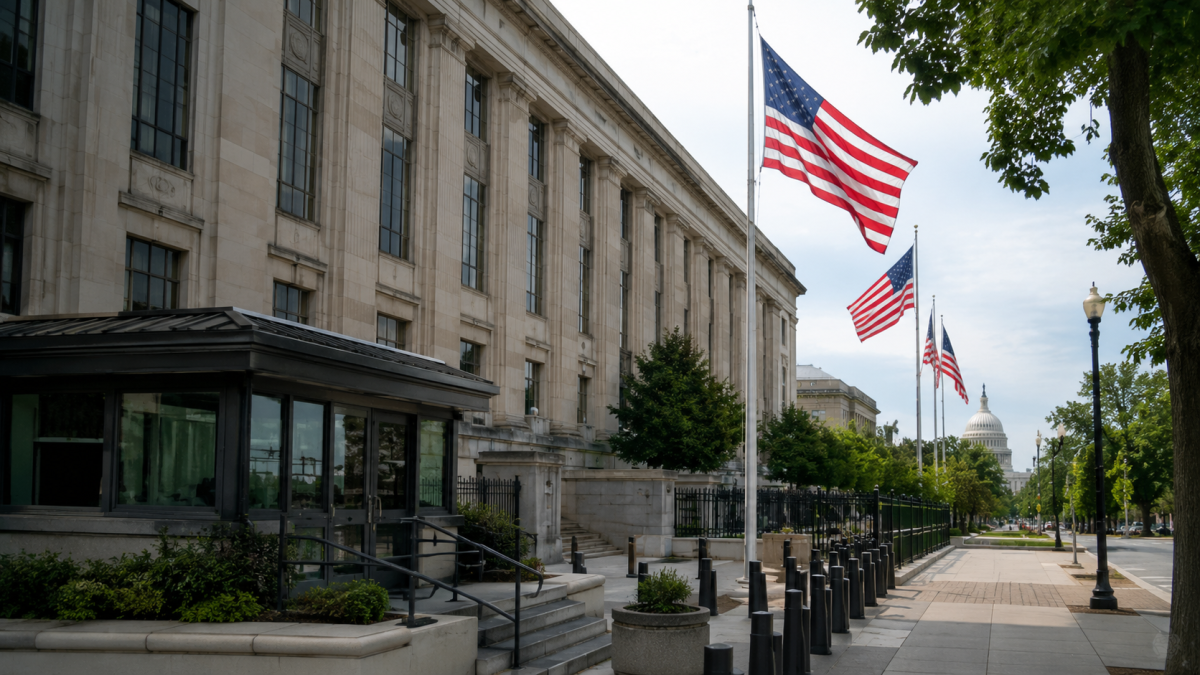
The United States is set to overhaul key visa regulations affecting international students, cultural exchange participants and foreign journalists under a new rule issued by the Department of Homeland Security (DHS).
The policy replaces the long-standing practice of allowing certain visa holders to remain in the country for the duration of their approved academic program, exchange activity or media assignment. Instead, eligible visitors will receive visas with fixed validity periods and must seek extensions if they wish to remain beyond those limits.
The rule is scheduled to take effect 60 days after publication in the Federal Register, subject to the congressional review process.
Major Shift in How Student and Exchange Visas Are Managed
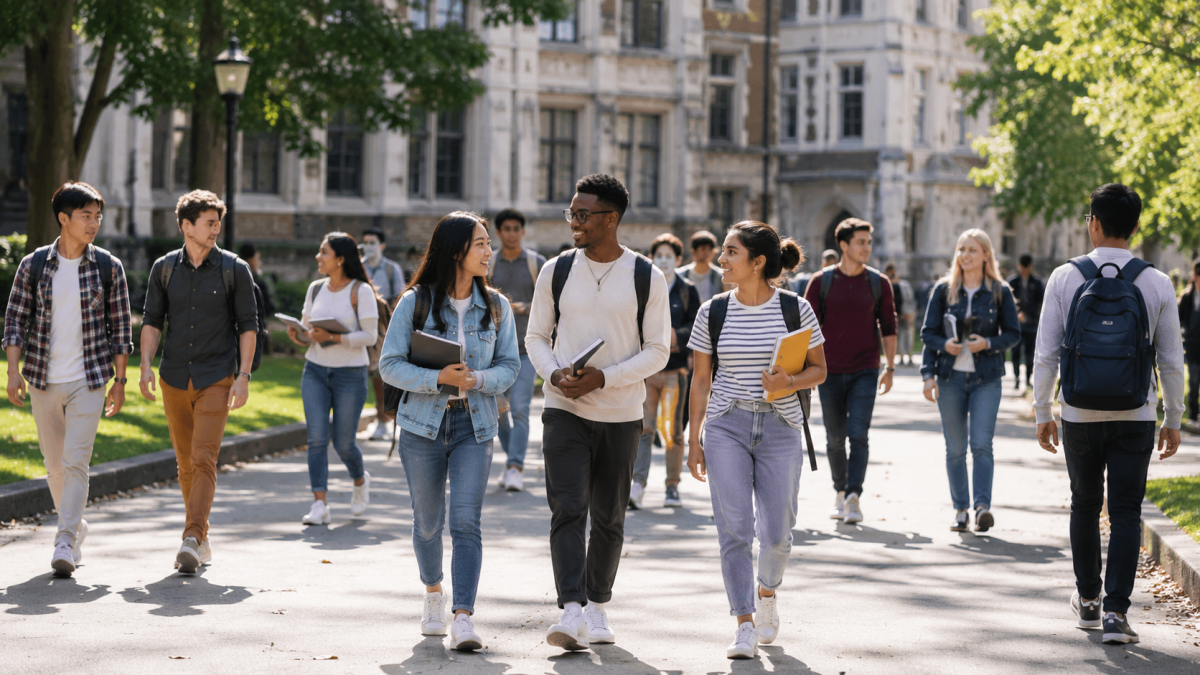
One of the biggest changes affects holders of F visas for international students and J visas used for educational and cultural exchange programs.
Under the updated policy, these visas will generally be issued for a maximum period of four years, replacing the previous "duration of status" system that allowed individuals to stay as long as they continued meeting program requirements.
Once the fixed period expires, eligible visa holders will need to request an extension from DHS or leave the United States and apply for readmission if they wish to continue their studies or exchange programs.
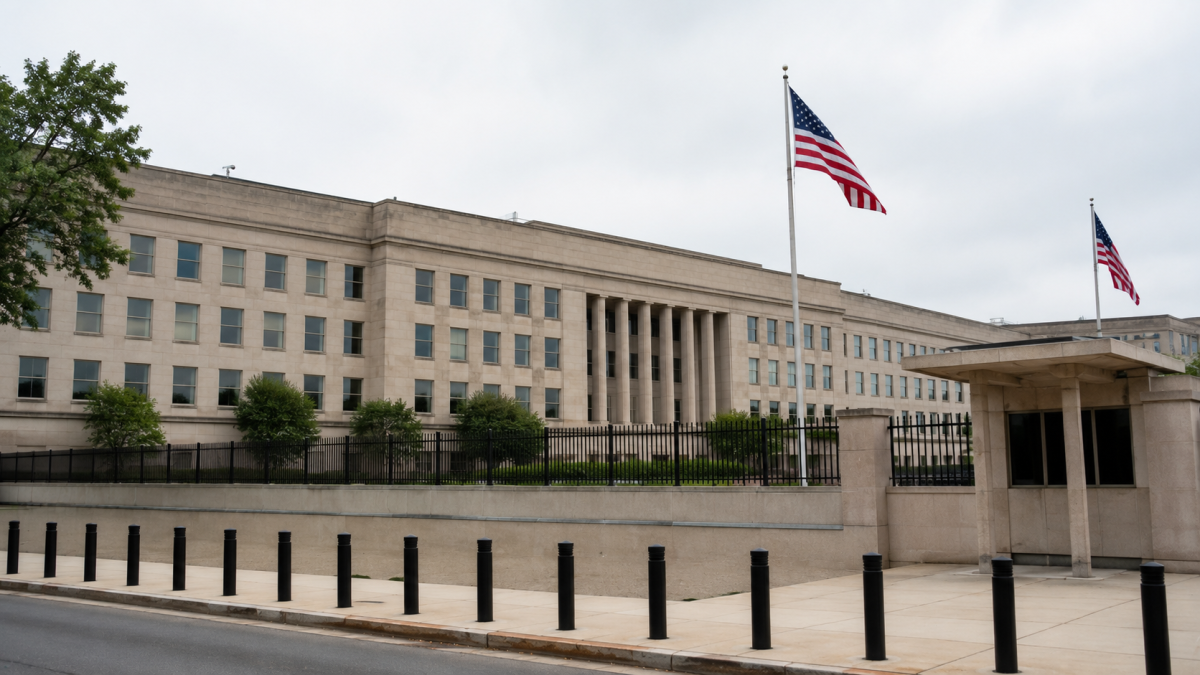
Immigration officials say the new framework is intended to standardize visa oversight while improving monitoring procedures.
Foreign Journalists Face New Time Limits
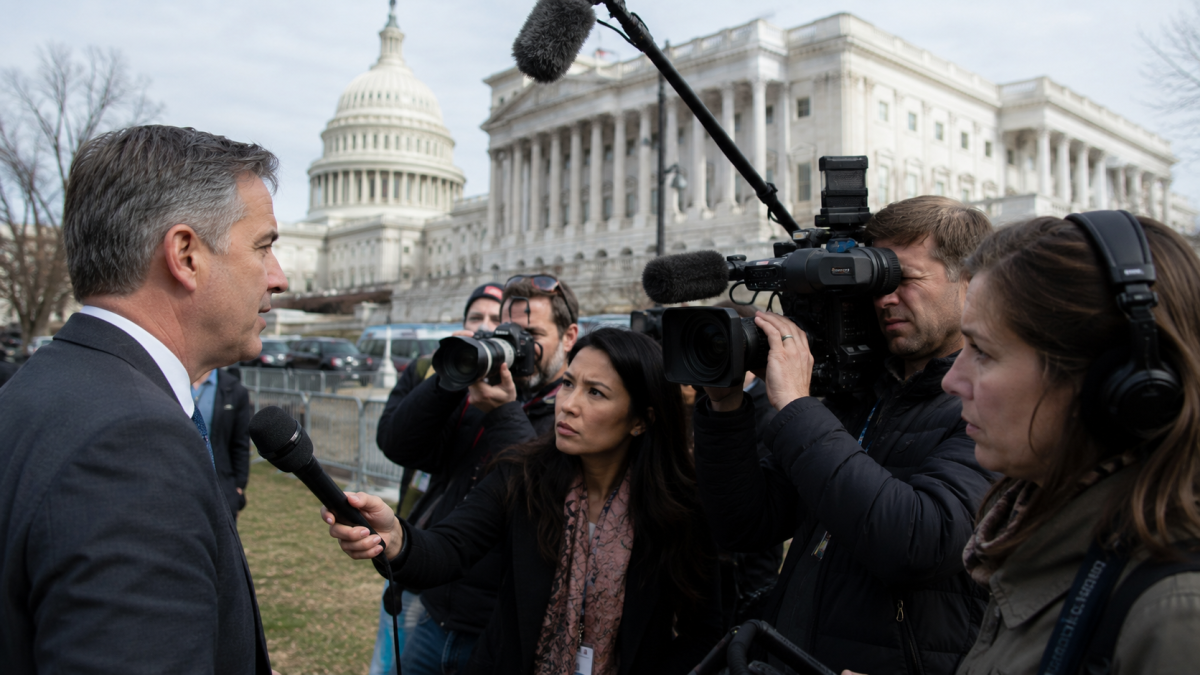
The regulation also introduces significant changes for holders of I visas, which are issued to foreign journalists and media professionals working in the United States.
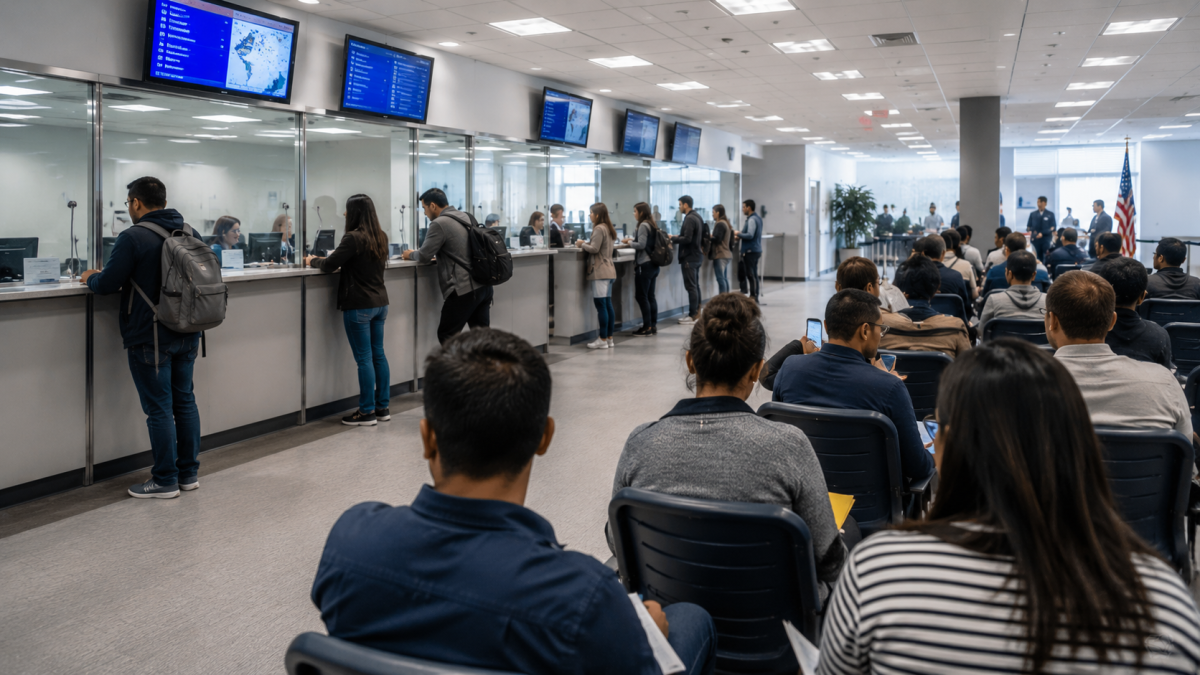
Under the new system, most journalist visas will be limited to 240 days. For Chinese nationals, the maximum validity period will generally be 90 days, according to the rule.
Media organizations employing foreign correspondents may therefore need to account for more frequent visa renewal or extension processes.
Why DHS Says the Policy Is Needed
The Department of Homeland Security said the growing number of temporary visitors has increased the complexity of immigration oversight.
According to DHS data, the United States recorded more than 1.8 million student visa admissions in 2024, representing a notable increase from the previous year. The government also reported issuing visas to more than 500,000 exchange visitors and over 37,000 foreign media representatives during the same fiscal period.
Officials argued that fixed admission periods would make it easier to monitor visa compliance and reduce cases in which individuals remain in the country for extended periods without additional review.
What International Visitors Should Expect
Students, researchers, exchange participants and journalists who plan to remain in the United States beyond their authorized stay will need to take additional administrative steps under the revised policy.
Depending on individual circumstances, visitors may apply for an extension through DHS or depart the country before seeking readmission under existing immigration procedures.
Universities, exchange program sponsors and international media organizations are expected to provide updated guidance as implementation approaches.
Immigration Policy Continues to Evolve
The visa regulation forms part of a broader series of immigration measures introduced during the Trump administration.
Recent policy changes have focused on strengthening immigration enforcement, increasing visa oversight and expanding reviews of various categories of legal immigration.
Supporters argue that stricter monitoring improves immigration system integrity, while critics say additional administrative requirements could create uncertainty for students, educational institutions and international organizations.
Conclusion
The latest DHS regulation marks one of the most significant changes to temporary visa administration in recent years. International students, exchange visitors and foreign journalists planning long-term stays in the United States will need to carefully review the updated requirements and prepare for new extension procedures once the rule comes into force.
Frequently Asked Questions (FAQ)
What visas are affected by the new US rule?
The policy applies primarily to F visas for students, J visas for exchange visitors and I visas issued to foreign journalists.
When will the new visa policy take effect?
The regulation is expected to become effective 60 days after publication in the Federal Register, subject to congressional review.
How long can international students stay under the new rule?
Most student and exchange visas will generally be limited to up to four years, after which eligible individuals may request an extension.
How long will journalist visas remain valid?
Most foreign journalists will receive visas valid for up to 240 days, while Chinese nationals will generally be limited to 90 days.
Can visa holders remain in the US after their visa expires?
Eligible individuals may apply for an extension through DHS or leave the country and seek readmission under existing immigration procedures.