Andy Burnham Makes Social Media Central to Government Messaging
UK Prime Minister Andy Burnham is placing social media at the heart of his communication strategy just weeks after taking office, using platforms such as TikTok, X, and Instagram to explain government policies, engage directly with voters, and broaden the reach of official messaging.
Having served as prime minister for approximately two weeks, Burnham has adopted a digital-first approach that combines policy announcements with lighter, more conversational content. Political observers say the strategy reflects a broader shift in how governments communicate with citizens who increasingly consume news through smartphones rather than traditional media.

The approach also comes as political parties compete more aggressively for online attention, recognizing that digital engagement has become an essential part of modern leadership.
Quick Facts
- Andy Burnham has been UK Prime Minister for around two weeks.
- His government communication strategy focuses on TikTok, X, and Instagram.
- A recent video featuring Burnham and Finance Minister John Healey received approximately 4.7 million views on X.
- Burnham has roughly 730,000 followers on X, 450,000 on TikTok, and 600,000 on Instagram.
- His TikTok and Instagram accounts gained around 50,000 followers in a single day during the previous week.
How Is Andy Burnham Using Social Media Differently?
Rather than limiting online activity to official government announcements, Burnham's digital content combines policy explanations with informal and relatable posts.
Recent videos have included discussions about everyday issues, humorous responses to political criticism, and short explainers designed to make government decisions easier for the public to understand.
Communications specialists say the emphasis is on positive, inclusive messaging rather than highly confrontational political content, helping present government policies in a more accessible format for digital audiences.
This reflects a growing recognition that voters increasingly expect political leaders to communicate directly through social media rather than relying solely on press conferences and television interviews.
Why Has Social Media Become So Important in Politics?
Direct Answer
Social media has become a key political communication tool because it allows leaders to speak directly to voters, explain policies in real time, respond quickly to public debates, and reach audiences who increasingly consume news through digital platforms instead of traditional media.
Unlike conventional press releases, social media enables governments to publish videos, graphics, and short-form content that can be shared rapidly across multiple platforms.
Political parties also use engagement metrics such as views, shares, and comments to understand which messages resonate most with the public.
As digital platforms continue to shape how people access information, governments are investing more resources into online communication strategies.
Labour Looks to Strengthen Its Digital Presence
Burnham assumed leadership after replacing former Prime Minister Keir Starmer as Labour leader.
Before the leadership change, Labour had faced criticism over its ability to communicate government policies effectively through digital platforms.
Analysts say the party's latest strategy represents a more coordinated effort to improve online visibility while presenting policy decisions in a clearer and more engaging format.
The approach also reflects growing competition with Reform UK, whose leader Nigel Farage has built a substantial online following through social media-focused political messaging.
By strengthening its digital presence, Labour hopes to communicate more effectively with younger and digitally engaged voters.
Government Expands Its Digital Communications Team
The UK's digital communication strategy extends beyond the Prime Minister's personal social media accounts.
The government is recruiting additional staff responsible for:
- Social media strategy.
- Digital content production.
- Video creation.
- Online communications.
The advertised positions offer salaries ranging from £40,000 to £80,000 annually, highlighting the growing importance governments place on professional digital communication.
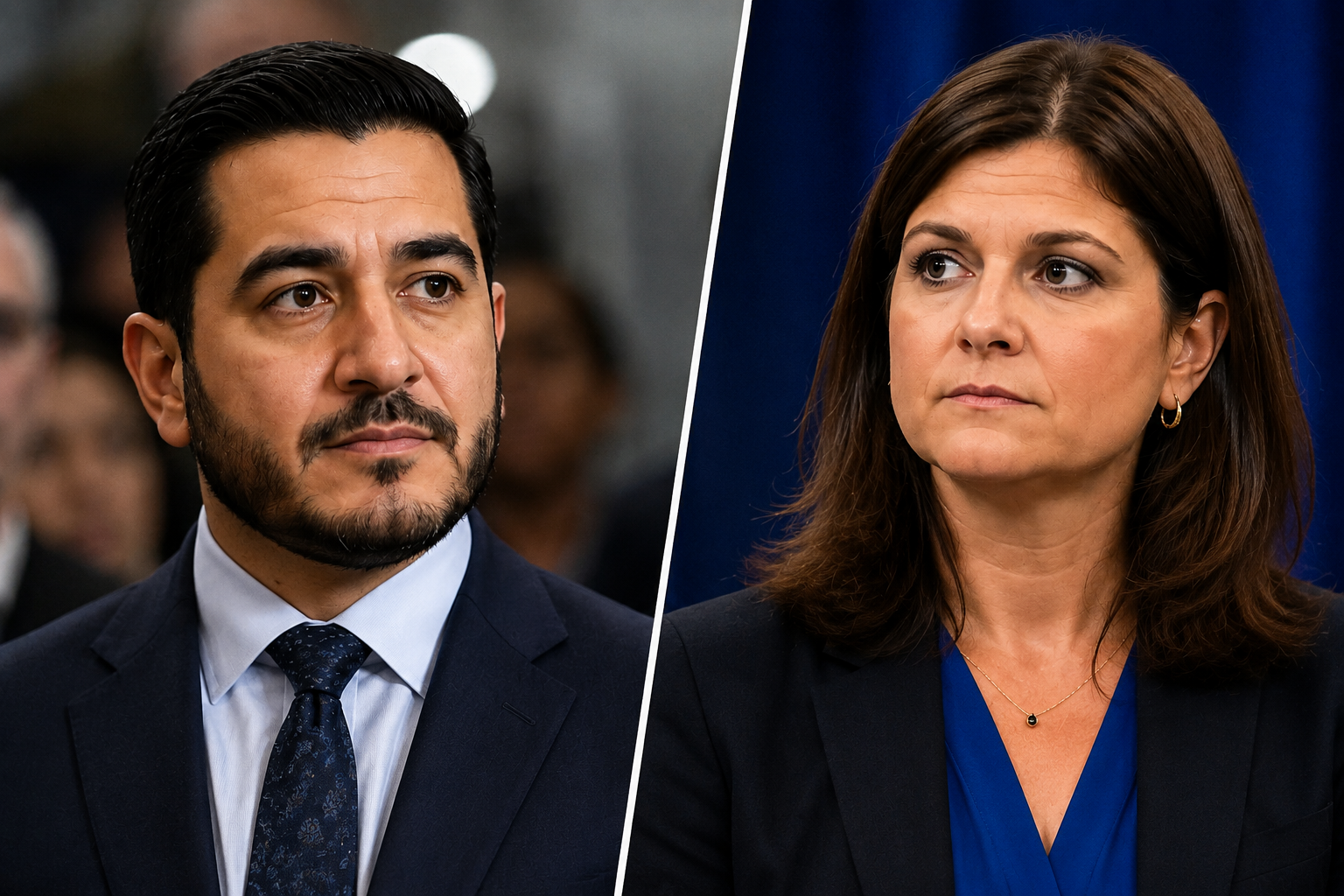
Burnham's digital team is led by Abby Tomlinson, who previously gained national recognition after organizing a viral online campaign supporting former Labour leader Ed Miliband.
Political analysts say experienced digital teams are increasingly viewed as essential components of modern government communications.
Can Viral Videos Translate Into Political Success?
A recent video featuring Burnham and Finance Minister John Healey discussing a tax cut for hospitality businesses generated approximately 4.7 million views on X, alongside millions more across TikTok and Instagram.
While such engagement demonstrates significant public interest, polling experts caution against equating online popularity with long-term political success.
Social media can increase visibility, improve awareness of government policies, and shape public narratives. However, sustained voter support is generally influenced by broader factors including economic performance, public services, and the government's ability to deliver on campaign promises.
Digital communication may amplify political messaging, but policy outcomes remain central to public confidence.
The Changing Landscape of Political Communication
Political communication has evolved dramatically over the past decade.
Traditional media interviews, televised speeches, and newspaper coverage remain important, but governments increasingly recognize that many citizens now receive information through short-form videos, social media feeds, and mobile devices.
This shift has encouraged political leaders around the world to adapt their messaging by producing faster, more visual, and more conversational content while maintaining transparency and accountability.
Burnham's strategy reflects this broader transformation in how democratic governments engage with the public in the digital era.
What Happens Next?
Burnham is expected to continue expanding the government's digital communication efforts while refining its presence across major social media platforms.
Political analysts will closely monitor whether increased online engagement translates into stronger public understanding of government policies and improved political support over time.
At the same time, the government's policy decisions and overall performance are likely to remain the primary factors shaping public opinion beyond social media engagement.
Why It Matters
The rise of social media has fundamentally changed the relationship between political leaders and the public. Platforms such as TikTok, X, and Instagram now play an increasingly important role in explaining government policies, responding to criticism, and engaging younger audiences who consume news digitally.
Andy Burnham's strategy highlights how governments are adapting to this new communications landscape. While viral content can significantly expand political reach, experts agree that lasting public trust will continue to depend on effective governance, transparent communication, and the successful delivery of policy priorities.