U.S. Economy Slows in Second Quarter, but Consumer Spending Keeps Growth on Track
The U.S. economy expanded at an annualized rate of 1.5% in the second quarter, slowing from 2.1% in the previous quarter. Despite the moderation in overall growth, resilient consumer spending remained the primary engine of the economy, helping offset the effects of elevated interest rates, persistent inflation, and a cooling housing market.
The latest figures paint a picture of an economy that is losing some momentum but continues to avoid a sharp slowdown. Household spending strengthened significantly, businesses continued investing—particularly in artificial intelligence—and the labor market remained relatively healthy, even as borrowing costs stayed near multi-year highs.
For policymakers and investors, the data suggest that consumer demand continues to play a decisive role in supporting the world's largest economy.
Quick Facts
- U.S. GDP growth: 1.5% annualized in the second quarter.
- Previous quarter GDP: 2.1%.
- Consumer spending: 3.2% annual growth, up from 0.5%.
- Business investment (excluding housing): 8.4% growth.
- Federal Reserve benchmark rate: Approximately 3.6%, unchanged for a fifth consecutive meeting.
- Average 30-year mortgage rate: 6.66%.
- Consumer confidence: Fell from 92.2 in June to 90.8 in July.
Why Did U.S. Economic Growth Slow?
Although the economy continued expanding, growth moderated compared with the previous quarter.
Higher borrowing costs continued to weigh on interest-sensitive sectors such as housing, while elevated fuel prices and geopolitical uncertainty affected consumer confidence.
At the same time, inflation remained above the Federal Reserve's long-term 2% target, limiting the central bank's flexibility to ease monetary policy.
These factors contributed to slower headline GDP growth even as other parts of the economy remained resilient.
How Is Consumer Spending Supporting the Economy?
Direct Answer
Consumer spending remains the largest driver of U.S. economic growth because household purchases account for roughly 70% of the nation's economic activity. Strong consumer demand can continue supporting GDP even when business activity or housing slows.
The second-quarter data illustrate this dynamic clearly.
Consumer spending accelerated to a 3.2% annualized growth rate, a substantial improvement from 0.5% during the first quarter.
Households continued spending on goods and services despite higher interest rates, elevated gasoline prices, and ongoing inflationary pressures.
Because consumer expenditures represent the largest share of U.S. economic output, sustained household demand helped prevent overall GDP growth from slowing more sharply.
Business Investment Remains Strong Despite Higher Interest Rates
Another positive signal came from business investment.
Investment excluding housing increased 8.4%, supported in part by continued spending on artificial intelligence technologies and digital infrastructure.
Although the pace of investment slowed compared with the previous quarter, businesses continued allocating capital toward productivity-enhancing technologies despite higher financing costs.
This suggests many companies remain focused on long-term competitiveness rather than postponing strategic investments.
For investors, continued AI-related spending also highlights how technological innovation remains an important source of economic growth.
Why Is the Federal Reserve Keeping Interest Rates High?
The Federal Reserve left its benchmark interest rate unchanged for the fifth consecutive policy meeting, maintaining it at approximately 3.6%.
Officials continue balancing two competing objectives:
- Bringing inflation back toward the 2% target.
- Avoiding unnecessary damage to economic growth and employment.
Notably, three policymakers dissented, arguing that another rate increase was appropriate because inflation remains above the central bank's target.
The differing views reflect ongoing uncertainty over how restrictive monetary policy should remain in the months ahead.
Housing Market Continues to Face Borrowing Pressure
Higher interest rates remain one of the biggest challenges facing the housing sector.
The average 30-year fixed mortgage rate rose to 6.66%, its highest level in about a year.
Meanwhile, the average 15-year mortgage rate climbed to 6.04%.
Higher financing costs continue discouraging some prospective homebuyers while making mortgage refinancing less attractive for existing homeowners.
The housing market therefore remains one of the sectors most directly affected by the Federal Reserve's monetary policy.
Consumer Confidence Softens as Fuel Prices Rise
Although household spending strengthened, consumer confidence weakened modestly during July.
The consumer confidence index declined from 92.2 to 90.8, reflecting concerns about higher living costs and international developments.
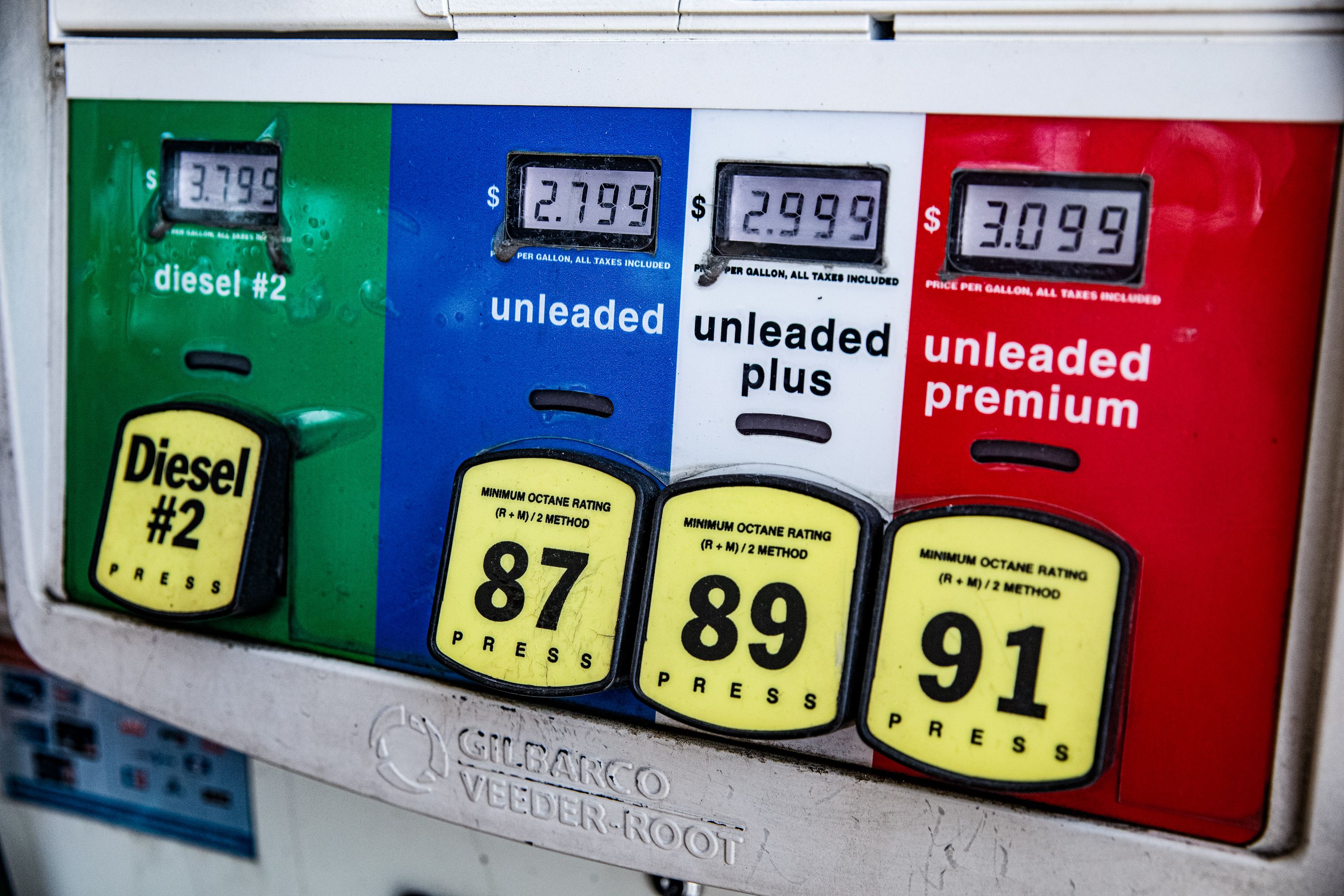
One major factor was the increase in fuel prices.
The national average price for regular gasoline rose to approximately $4.11 per gallon, compared with $3.85 one month earlier.
Higher energy costs can reduce disposable income available for other purchases, making fuel prices an important indicator of future consumer spending trends.
Financial Markets and Labor Market Show Mixed Signals
Financial markets experienced significant volatility during the week but ultimately ended higher.
Brent crude oil finished near $88.68 per barrel, after fluctuating between approximately $72 and $102 during July. Rising oil prices have contributed to inflation concerns and increased transportation and energy costs across the economy.
Meanwhile, the labor market continued to demonstrate resilience.
Initial applications for unemployment benefits increased by 9,000 to 197,000, but claims remain near historically low levels, suggesting employers continue to retain workers despite slower economic growth.
What Does This Mean for the U.S. Economy?
The United States remains the world's largest economy, with an estimated nominal GDP of approximately $29.2 trillion.
Services account for roughly 77% of total economic output, reflecting the country's consumer-driven economic structure.
Long-term strengths continue to include technological innovation, deep financial markets, and a flexible labor force. At the same time, policymakers continue facing structural challenges such as rising government debt, income inequality, demographic pressures, healthcare costs, and evolving global trade conditions.
How consumer spending performs over the coming months will remain one of the most important indicators of whether the economy can sustain growth while inflation gradually moderates.
Why It Matters
The latest economic data reinforce a key reality of the U.S. economy: even when overall GDP growth slows, resilient consumer spending can continue supporting expansion. Household purchases remain the backbone of economic activity, helping offset weaknesses in housing and other interest-sensitive sectors.
However, elevated borrowing costs, persistent inflation, rising fuel prices, and geopolitical uncertainty continue to present risks. Future economic performance will likely depend on whether consumers maintain their spending momentum while the Federal Reserve works to balance inflation control with sustainable economic growth.