Michigan Democratic Senate Primary Too Close to Call as Abdul El-Sayed Holds Narrow Lead
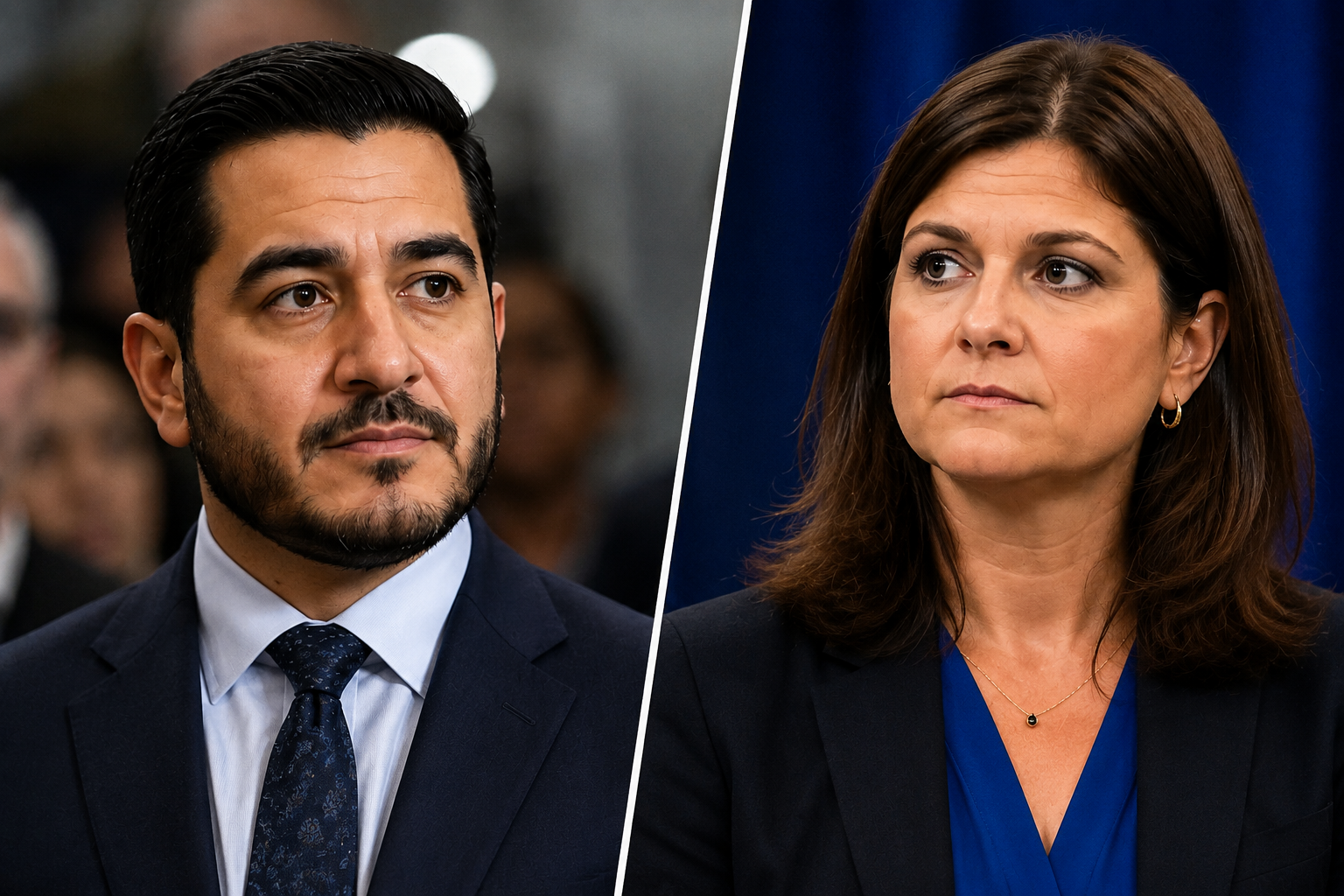
Michigan's Democratic primary for the U.S. Senate remained too close to call as vote counting continued Tuesday night, with Abdul El-Sayed holding a slim lead over Rep. Haley Stevens. The winner will face Republican Mike Rogers in the November 3 midterm election for a seat Democrats consider crucial to their hopes of regaining control of the U.S. Senate.
Summary: Abdul El-Sayed maintained a narrow advantage over Haley Stevens as Michigan's closely watched Democratic Senate primary remained unresolved, highlighting the Democratic Party's divide between progressive and centrist voters.
Quick Facts
-
More than 90% of votes had been counted, with the race still undecided.
-
The Guardian reported that with over 95% counted, El-Sayed led with 49.5%, while Stevens had 45.78%.
-
The winner will face Republican Mike Rogers in November.
-
The seat is open following the retirement of Sen. Gary Peters.

A Tight Race With National Significance
Both El-Sayed and Stevens told supporters that the final outcome could take time as additional ballots were counted.
The Michigan Senate race has attracted national attention because it is one of the Democrats' best opportunities to hold a key battleground seat. Michigan has not elected a Republican to this Senate seat since 1994, although the state has remained highly competitive in recent presidential elections.
Progressive vs. Centrist Democrats
The primary reflected broader divisions within the Democratic Party.
Former public health official Abdul El-Sayed campaigned on progressive policies, including Medicare for All, higher taxes on billionaires, and abolishing U.S. Immigration and Customs Enforcement (ICE). If elected in November, he would become the first Muslim U.S. senator. His campaign received endorsements from Bernie Sanders and Alexandria Ocasio-Cortez.
Rep. Haley Stevens positioned herself as a centrist Democrat, focusing on manufacturing jobs, lowering costs for families, and appealing to moderate voters. She was endorsed by Michigan Governor Gretchen Whitmer, retiring Senator Gary Peters, and Senate Democratic Leader Chuck Schumer.
What Were the Key Issues?
The Israel-Gaza conflict became a major issue during the campaign. El-Sayed described Israel's actions in Gaza as genocide, an allegation Israel rejects. Stevens supported continued U.S. assistance to Israel without conditions while also criticizing Israeli Prime Minister Benjamin Netanyahu.
The race also saw heavy outside spending, with AIPAC and affiliated groups investing more than $30 million in support of Stevens, making it one of the most expensive outside spending efforts in the primary.
What Happens Next?
Direct Answer: Once all ballots are counted, the Democratic nominee will face Republican Mike Rogers in the November 3 general election. The outcome could play an important role in determining which party controls the U.S. Senate after the 2026 midterms.
The U.S. Justice Department also deployed federal election monitors to Detroit, Hamtramck, Lansing, and East Lansing, saying the effort was intended to help ensure free and fair elections.
Meanwhile, Republican Rep. John James won his party's nomination for Michigan governor, while Jocelyn Benson secured the Democratic nomination. They will compete in the November general election.
Why It Matters
Michigan remains one of the nation's most competitive political battlegrounds, and the outcome of its Senate race could influence the balance of power in Washington. The Democratic primary has also become a key test of whether progressive or centrist candidates are better positioned to compete in closely divided swing states.