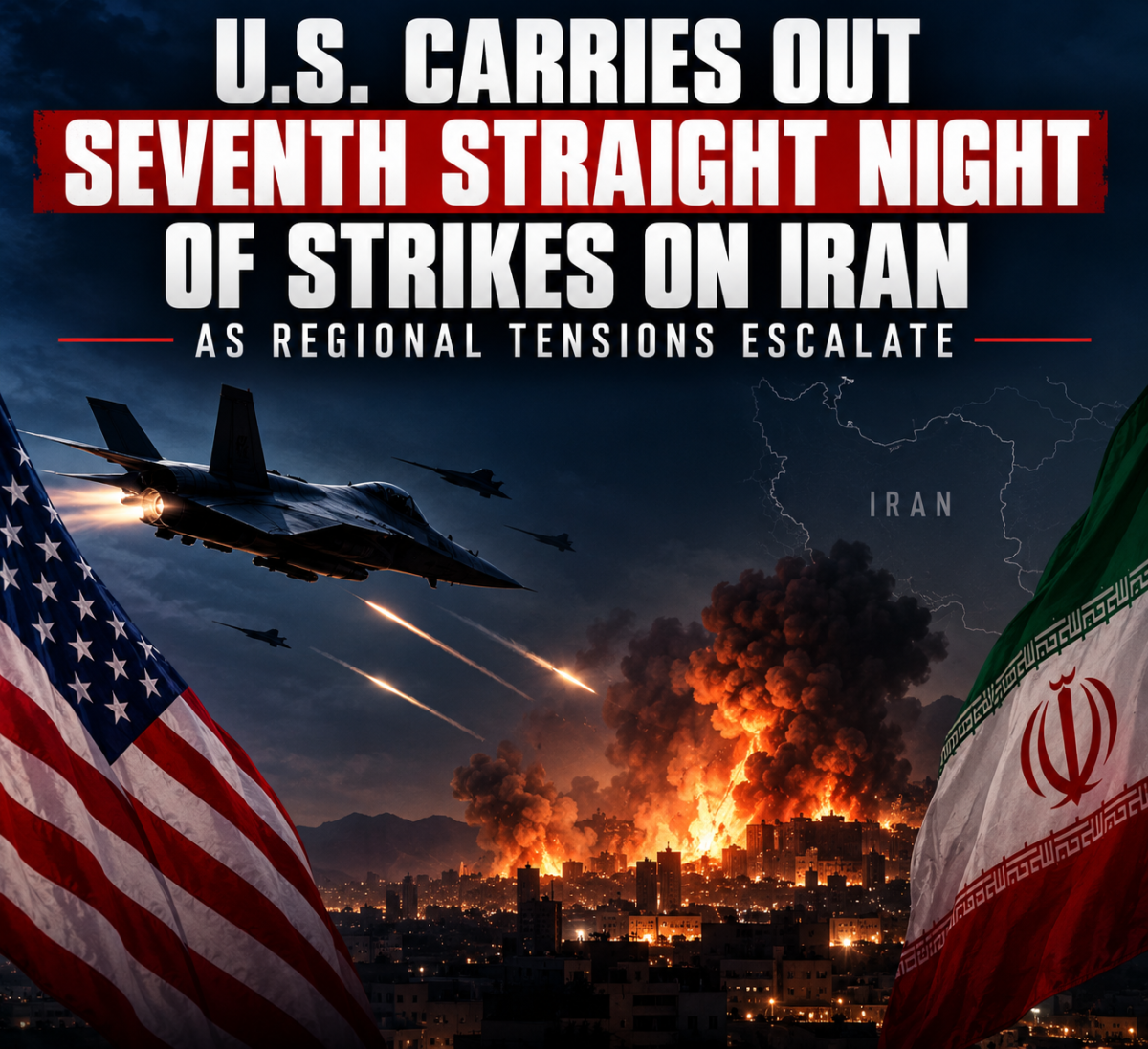
U.S. Carries Out Seventh Straight Night of Strikes on Iran as Regional Tensions Escalate
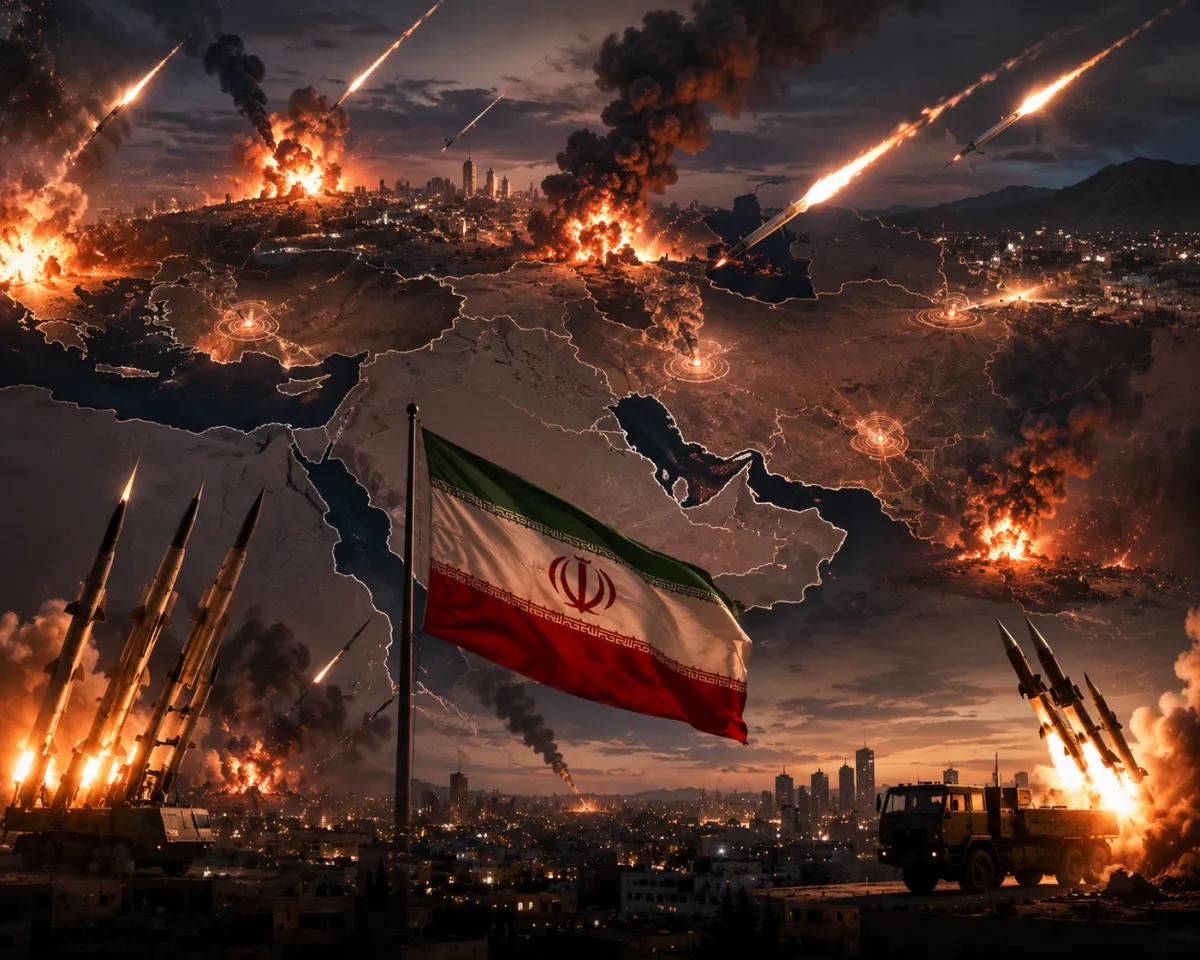
The United States has launched a seventh consecutive night of military strikes against Iran, targeting what it described as key military infrastructure. At the same time, the conflict continues to expand across the Middle East. Iran says it retaliated by attacking U.S. allies in the Gulf, as renewed fighting around the Strait of Hormuz raises concerns over regional security and global energy supplies.
U.S. Continues Military Campaign
The U.S. military confirmed that its latest overnight operation targeted multiple Iranian military assets.
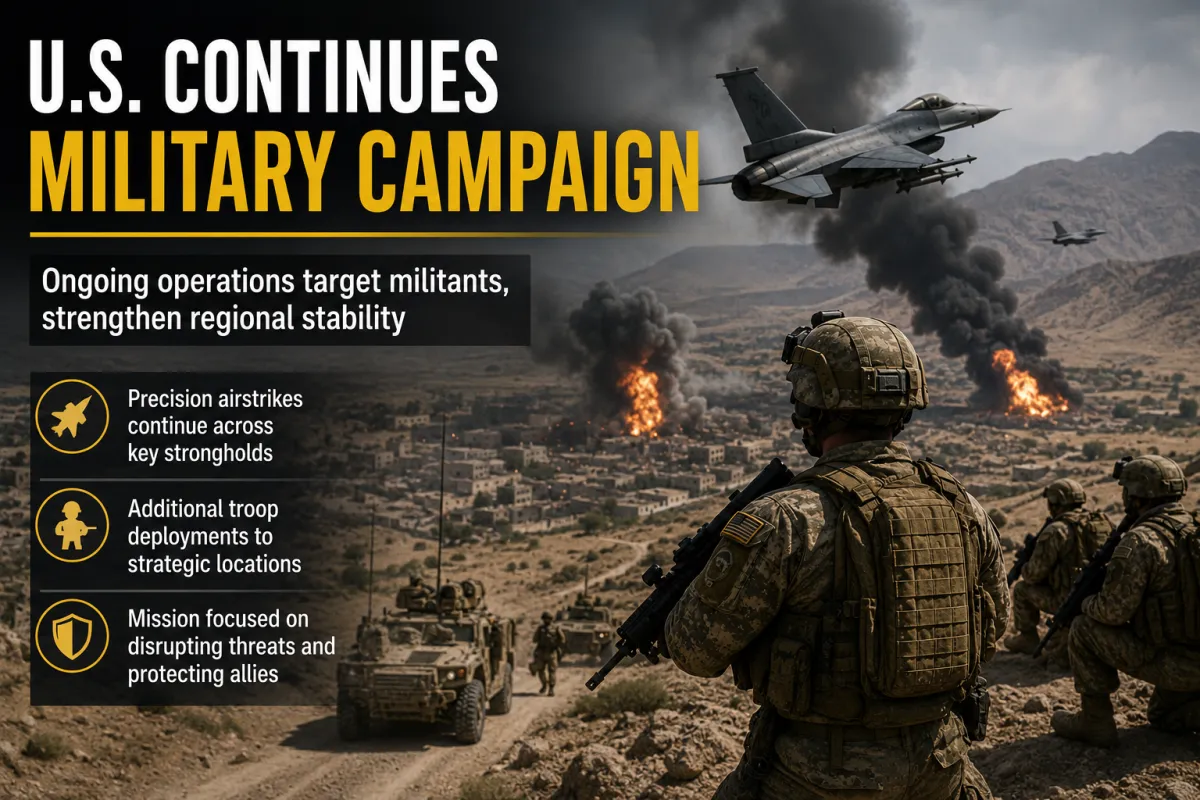
According to U.S. Central Command (CENTCOM), the strikes focused on surveillance sites, underground weapons storage facilities, military logistics infrastructure, and maritime capabilities.
Military officials said fighter aircraft, drones, and warships participated in the operation before the strikes concluded after several hours.
Iran Claims Retaliatory Attacks Across the Region
Iran said it responded by launching attacks against military-related targets in several neighboring countries.
Kuwait reported that its air defense systems intercepted what it described as hostile missiles and drones following Iranian attacks, while Jordan said its military shot down 10 Iranian missiles that entered its airspace overnight.
Iran also claimed it targeted U.S. military facilities in Bahrain, Jordan and Syria, although Washington denied some of those claims.
Strait of Hormuz Remains a Flashpoint
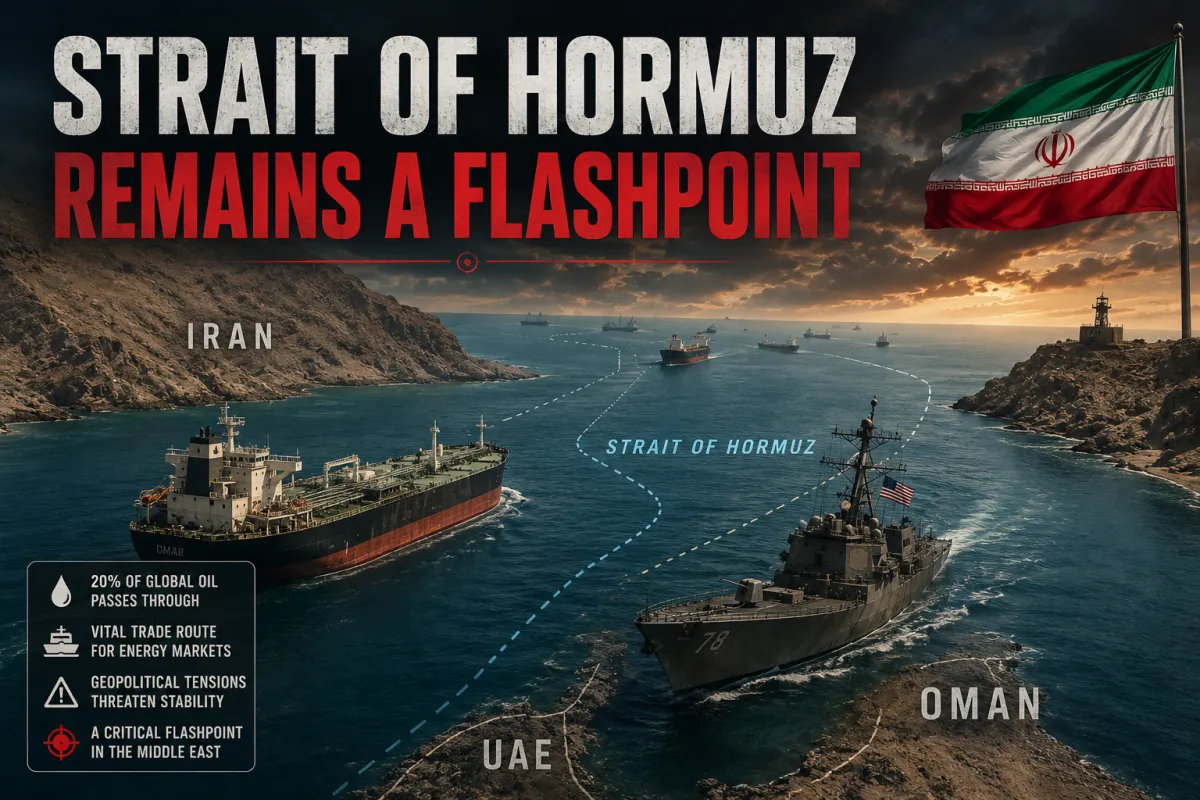
The conflict continues to center on the Strait of Hormuz, one of the world's most strategically important maritime routes.
Shipping traffic through the narrow waterway has been severely disrupted as military operations continue, affecting one of the primary routes for global oil and liquefied natural gas exports.
The ongoing uncertainty has heightened concerns about energy markets and international trade.
Reports of Damage Inside Iran
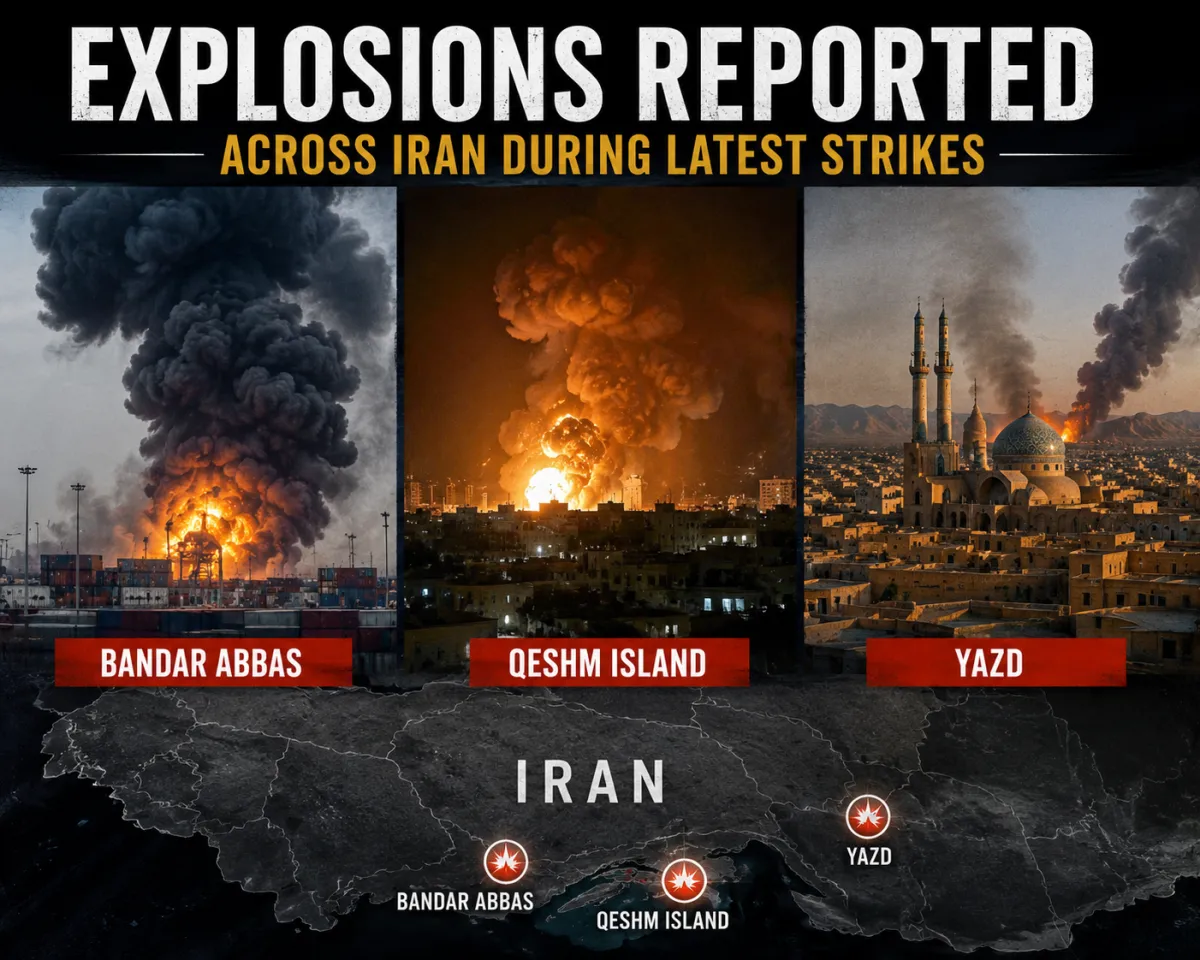
Iranian media reported explosions near Bandar Abbas, Qeshm Island, and the central city of Yazd during the latest round of strikes.
Provincial authorities in Hormozgan province said seven people were killed, while verified images showed significant damage to Gariveh Bridge, including a collapsed section of roadway.
The United States has denied deliberately targeting civilian infrastructure, maintaining that all strikes were directed exclusively at military objectives.
Dispute Over Tanker Explosions
Iran's state media reported that two oil tankers caught fire while traveling through what it described as a mined route south of the Strait of Hormuz.
CENTCOM rejected the claim, stating that the allegation was false and disputing Iran's account of the incident.
Independent verification of the reported tanker explosions has not been confirmed.
Rising Regional Security Concerns
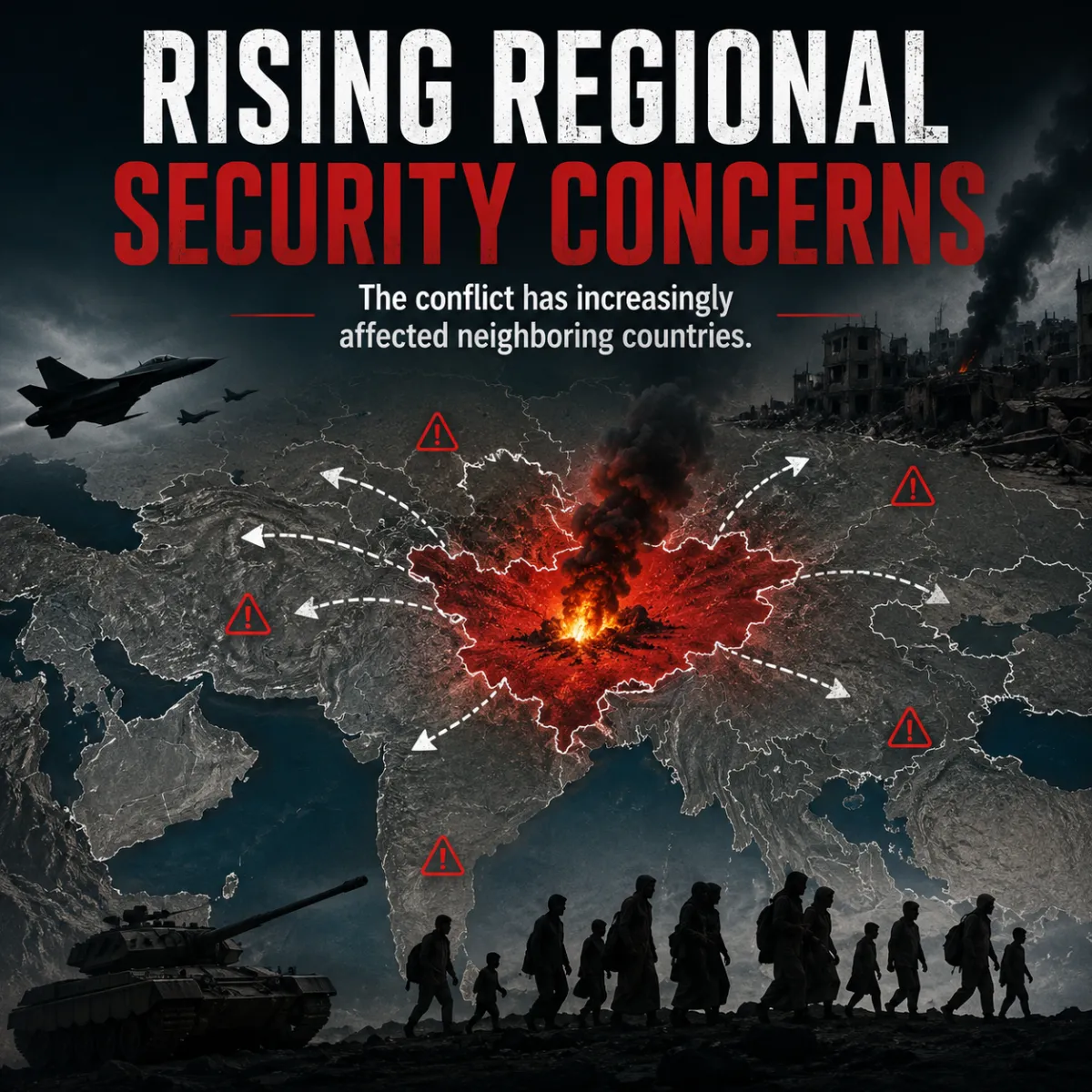
The conflict has increasingly affected neighboring countries.
Kuwaiti authorities said Iranian drone attacks injured several soldiers and damaged infrastructure, including a power plant and water desalination facilities.
Meanwhile, reports indicated that American service members were injured during recent attacks on U.S. military bases in Jordan, though officials have not publicly released detailed casualty figures.
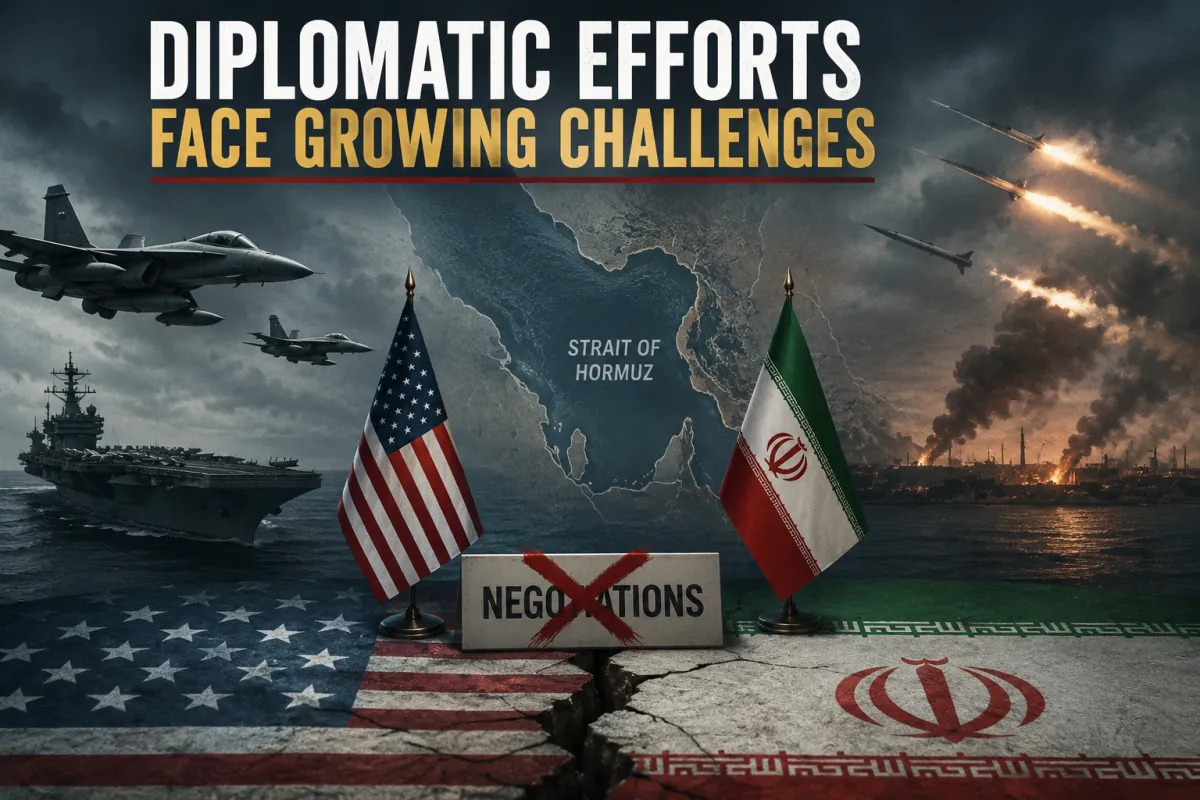
Diplomatic Efforts Face Growing Challenges
The latest strikes mark one week of continuous U.S. military operations following the collapse of negotiations between Washington and Tehran.
As military exchanges continue, efforts to restore a ceasefire have become increasingly difficult, with the future of the Strait of Hormuz remaining one of the central issues in the dispute.
International observers continue urging both sides to return to diplomatic negotiations before the conflict spreads further across the region.
Frequently Asked Questions (FAQ)
Why did the U.S. launch another round of strikes?
The United States said it targeted Iranian military infrastructure, including surveillance sites, weapons storage facilities, logistics networks and maritime capabilities.
How has Iran responded?
Iran claims it launched attacks against U.S.-related targets in Kuwait, Bahrain, Jordan and Syria, while several neighboring countries reported intercepting missiles and drones.
Why is the Strait of Hormuz important?
The Strait of Hormuz is one of the world's busiest energy shipping routes, handling roughly one-fifth of global oil and liquefied natural gas exports.
Did the strikes damage civilian infrastructure?
Iran says civilian sites, including Gariveh Bridge, were damaged. The United States denies intentionally targeting civilian infrastructure and says its strikes were limited to military objectives.
How long has the current military campaign lasted?
The latest operation marked the seventh consecutive night of U.S. strikes against Iran following the breakdown of ceasefire negotiations.