Trump Administration Bans Exports of Tungsten Scrap and Battery Waste for One Year
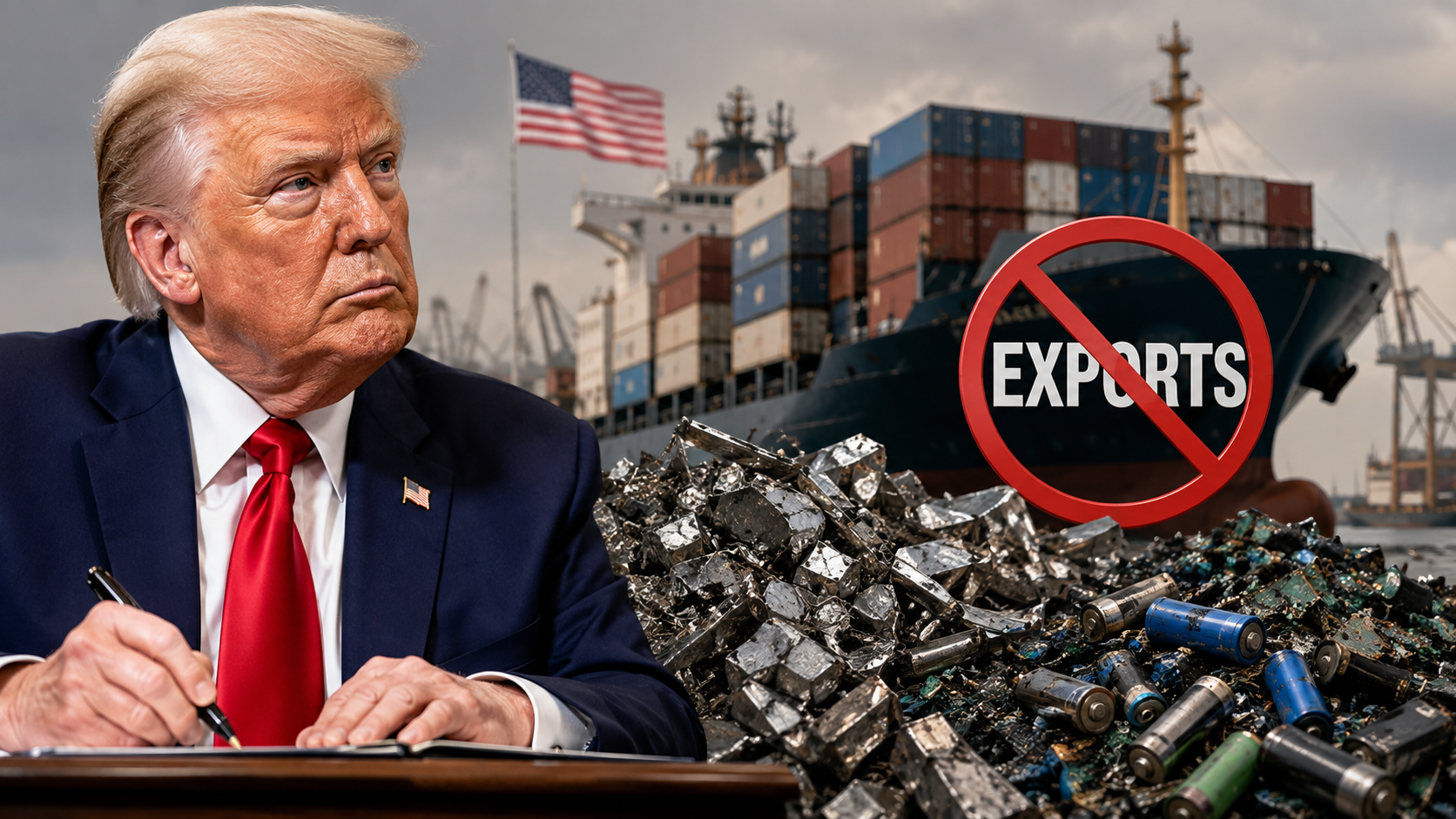
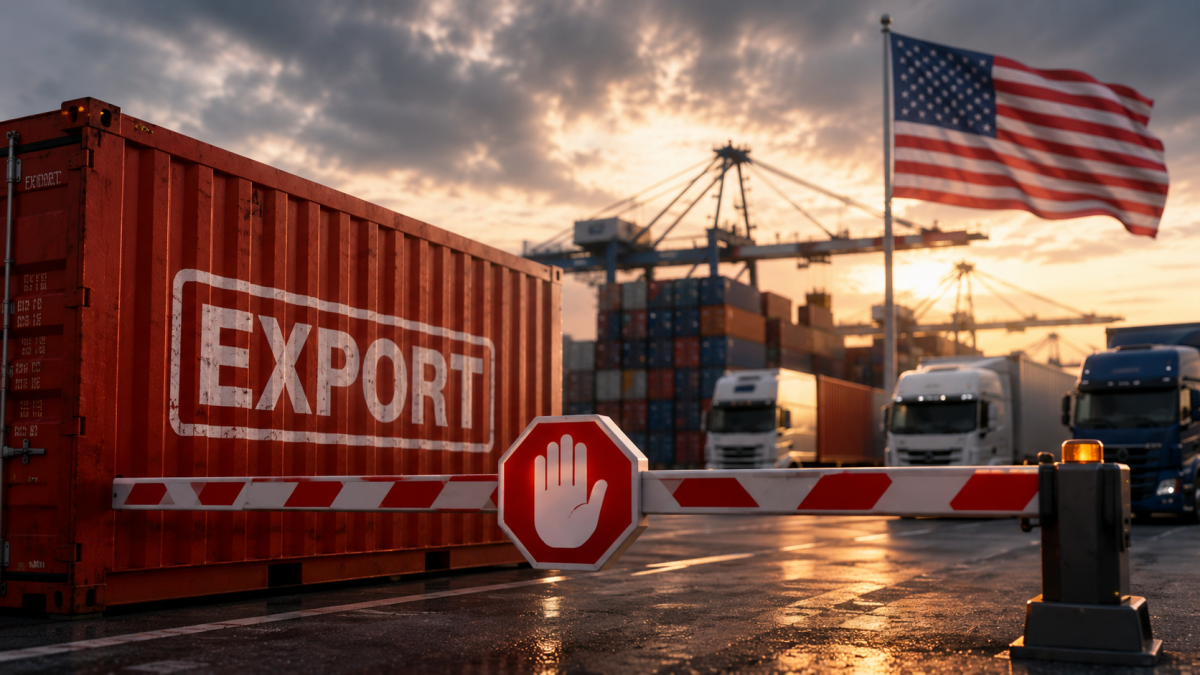
The Trump administration has announced a one-year ban on exports of tungsten scrap and lithium-ion battery waste, known as black mass, as part of its effort to strengthen the U.S. critical minerals supply chain. The restrictions, which take effect August 27, 2026, are intended to keep valuable materials in the United States for domestic recycling instead of being processed overseas.
Summary: The new export ban aims to boost U.S. recycling of critical minerals, reduce reliance on foreign processing, and strengthen supply chains for electric vehicles, defense, and advanced manufacturing.
What Does the Export Ban Cover?
Under a directive issued by the Commerce Department's Bureau of Industry and Security (BIS), exports of the following materials will be prohibited for one year:
-
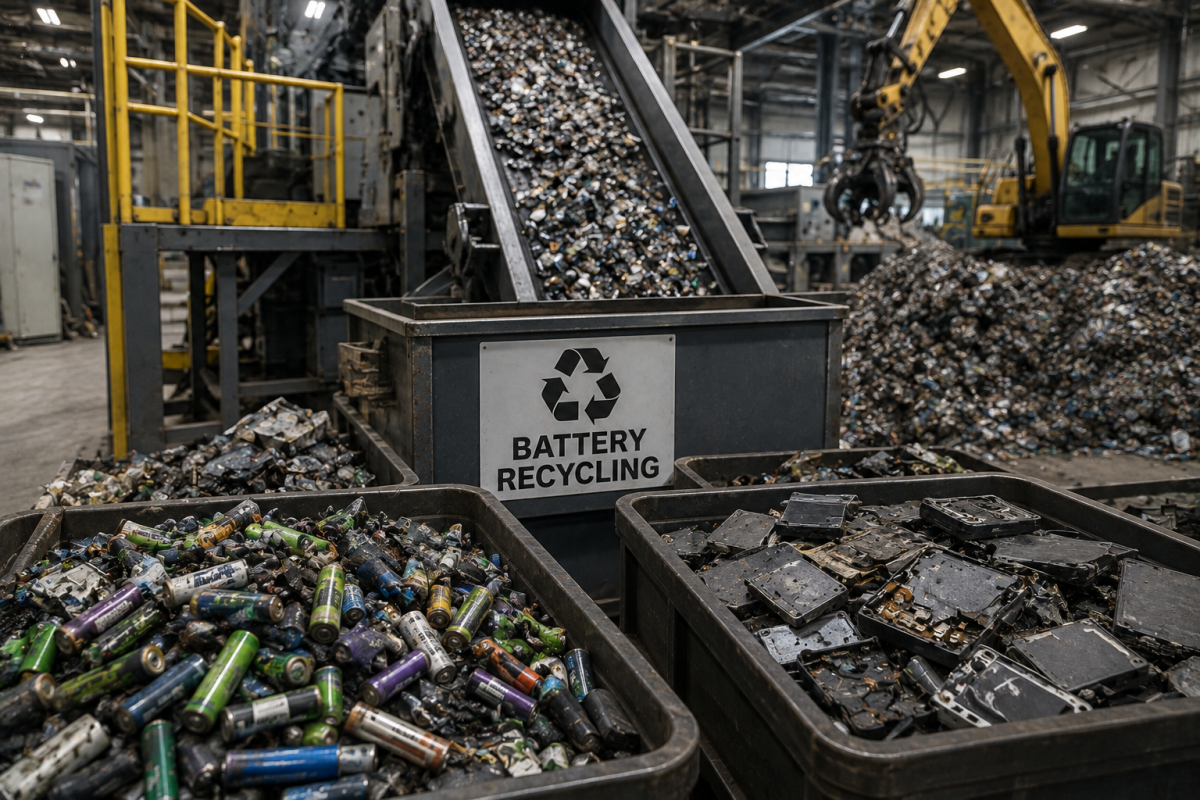
Black mass, the shredded material recovered from used lithium-ion batteries that contains valuable metals.
-
Tungsten scrap, a critical material widely used in defense systems, industrial equipment, and hardened steel production.
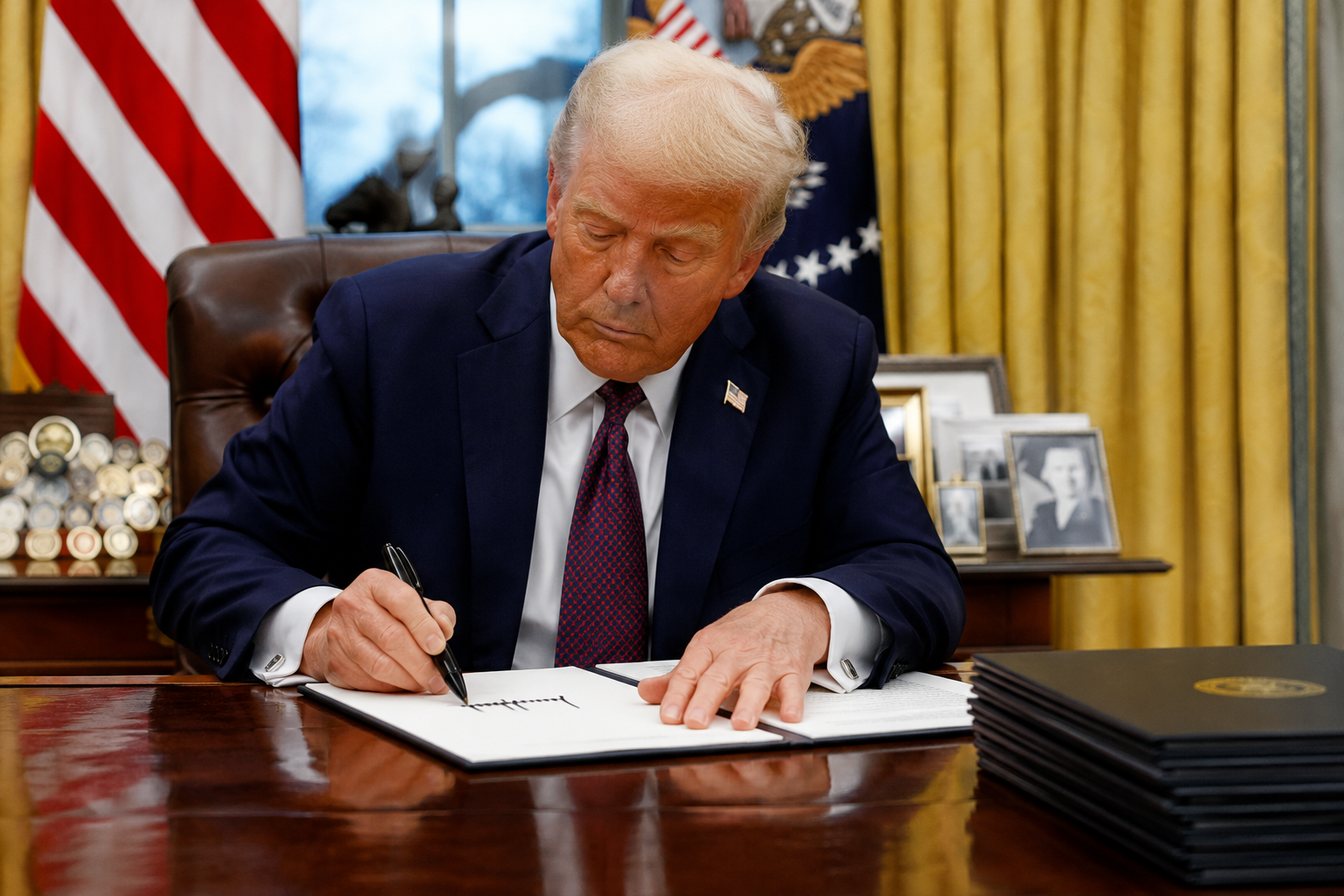
The policy follows an executive order signed by President Donald Trump in late July that authorized federal agencies to restrict exports of scrap containing valuable critical minerals.
Why Is the U.S. Restricting These Exports?
The administration says the goal is to retain more recoverable critical minerals within the United States instead of sending them abroad for processing.
Officials believe the move will:
-
Increase the domestic supply of critical minerals.
-
Support the growth of the U.S. recycling industry.
-
Reduce dependence on China's mineral processing sector.
-
Strengthen supply chains for electric vehicle batteries, defense technologies, and other strategic industries.
Direct Answer: The export ban is designed to keep valuable battery materials and tungsten scrap in the United States so they can be recycled domestically rather than processed overseas.
Companies Can Apply for Exemptions
The Commerce Department said exporters may request waivers, but approvals will be granted only on a case-by-case basis.
Companies must demonstrate either:
-
Undue hardship, or
-
Irreparable harm resulting from the export restrictions.
Industry Supports the Move, but Warns of Challenges
Industry groups largely welcomed the policy while cautioning that the United States still lacks enough recycling capacity to process all of its critical mineral waste.
According to the Basel Action Network, the U.S. exports nearly 33,000 metric tons of electronic waste and other scrap every month, much of which contains recoverable critical minerals.
Washington-based policy group SAFE said the decision recognizes the strategic importance of recycling these materials domestically.
Tungsten recycler Amermin also backed the restrictions but described them as "a band-aid" that provides time for the country to expand its recycling infrastructure. CEO Ryan McAdams said additional investment remains essential to build long-term processing capacity.
Domestic Recycling Capacity Remains Limited
Despite the policy's goals, the U.S. recycling industry faces significant obstacles.
Battery recyclers Li-Cycle and Ascend Elements have both entered bankruptcy proceedings, highlighting the financial challenges facing the sector. Amermin also said construction of a planned commercial recycling facility has been delayed because it has not yet received an $11.5 million Department of Energy grant awarded last year.
The export restrictions are expected to keep more critical mineral scrap inside the United States, but their long-term success will depend on whether domestic recycling capacity can expand quickly enough to process the additional material.