Commercial Shipping Slows Dramatically as Security Concerns Grip Middle East Sea Routes
Commercial vessel traffic through the Strait of Hormuz and the Bab el-Mandeb Strait dropped sharply as escalating maritime security concerns disrupted two of the world's most strategically important shipping corridors. The slowdown follows claims by Yemen's Houthi movement that it launched missile attacks targeting two Saudi oil tankers, although Saudi Arabia has not confirmed those reports.
Shipping companies and commodity traders are closely monitoring developments as rising geopolitical tensions continue to affect maritime operations across the Middle East. Analysts warn that prolonged disruptions could impact global energy supplies, freight costs, and international trade if security conditions fail to improve.
Quick Facts
- Only two vessels transited the Strait of Hormuz on Wednesday, down from eight the previous day.
- Before the current conflict, around 130–140 ships crossed Hormuz daily.
- Traffic through the Bab el-Mandeb Strait fell from 20 commodity vessels to just one.
- Yemen's Houthi movement claimed missile attacks on two Saudi oil tankers.
- Saudi Arabia has not officially confirmed the reported tanker attacks.
Shipping Activity Falls Across Two Strategic Maritime Corridors
Shipping data indicates a dramatic decline in commercial vessel movements through the Middle East's busiest maritime chokepoints.
Only two vessels were recorded passing through the Strait of Hormuz on Wednesday, compared with eight vessels a day earlier.
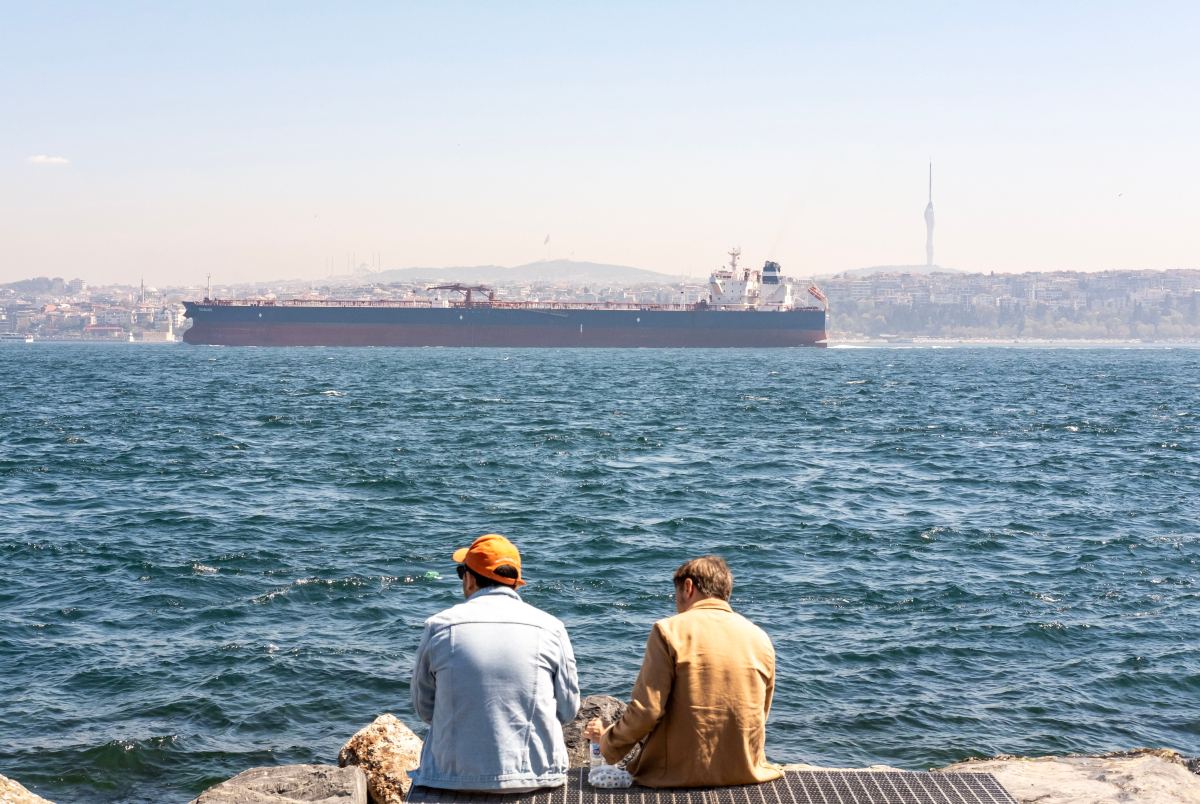
The decline is even more striking when compared with normal conditions before the regional conflict intensified, when approximately 130 to 140 vessels typically transited the strait each day.
Traffic also dropped sharply through the Bab el-Mandeb Strait, where shipping records showed only one commodity vessel compared with 20 vessels on the previous day.
Maritime analysts say the figures reflect growing caution among ship operators as security risks continue to increase.
What Did the Houthis Claim?
According to statements issued by Yemen's Houthi movement, the group launched missile attacks targeting:
- A Saudi oil tanker near the Red Sea port of Yanbu.
- Another Saudi oil tanker operating in the Gulf of Aden.
The Houthis said the attacks were part of what they describe as a naval blockade targeting Saudi shipping.
The group claims the blockade is intended as a response to what it alleges is a Saudi blockade affecting areas under Houthi control in Yemen.
Saudi authorities have not confirmed the reported attacks, and no independent verification has been announced regarding the incidents.
Why Do the Strait of Hormuz and Bab el-Mandeb Matter?
Direct Answer
The Strait of Hormuz and the Bab el-Mandeb Strait are among the world's most important maritime trade routes. They serve as critical gateways for oil exports, liquefied natural gas, manufactured goods, and other commodities moving between the Middle East, Europe, Asia, and global markets.
The Strait of Hormuz, located between Iran and Oman, connects the Persian Gulf to international waters and is one of the world's busiest energy shipping routes.
The Bab el-Mandeb Strait, linking the Red Sea with the Gulf of Aden, is another vital corridor connecting Europe and Asia through the Suez Canal.
Disruptions in either waterway can affect:
- Global oil exports.
- Fuel prices.
- Shipping costs.
- Supply chain reliability.
- International trade flows.
Because these routes handle large volumes of commercial traffic, even temporary disruptions can have consequences far beyond the Middle East.
Shipping Companies Face Rising Security Risks
The sharp decline in vessel movements highlights growing concerns among shipping operators and insurers.
Maritime companies continuously assess risks before sending vessels through conflict-prone regions.
When security threats increase, operators may:
- Delay departures.
- Alter shipping schedules.
- Select longer alternative routes.
- Increase onboard security measures.
- Pay higher insurance premiums.
These operational changes can increase transportation costs and extend delivery times for global cargo.
Industry experts say shipping decisions are increasingly influenced by both military developments and the availability of international naval protection.
Regional Tensions Continue to Pressure Energy Markets
Although oil markets often react quickly to developments affecting strategic waterways, analysts note that sustained disruption would have a greater impact than isolated incidents.
The continued reduction in vessel traffic reflects concerns that instability could persist if security conditions fail to improve.
Energy exporters, commodity traders, and logistics companies are monitoring developments closely because prolonged shipping disruptions could affect:
- Crude oil exports.
- Refined petroleum shipments.
- Industrial supply chains.
- Global freight availability.
While markets remain functional, uncertainty surrounding maritime security continues to influence commercial planning.
Maritime Security Becomes an Increasing Strategic Priority
Governments and international maritime organizations continue working to safeguard commercial shipping across the region.
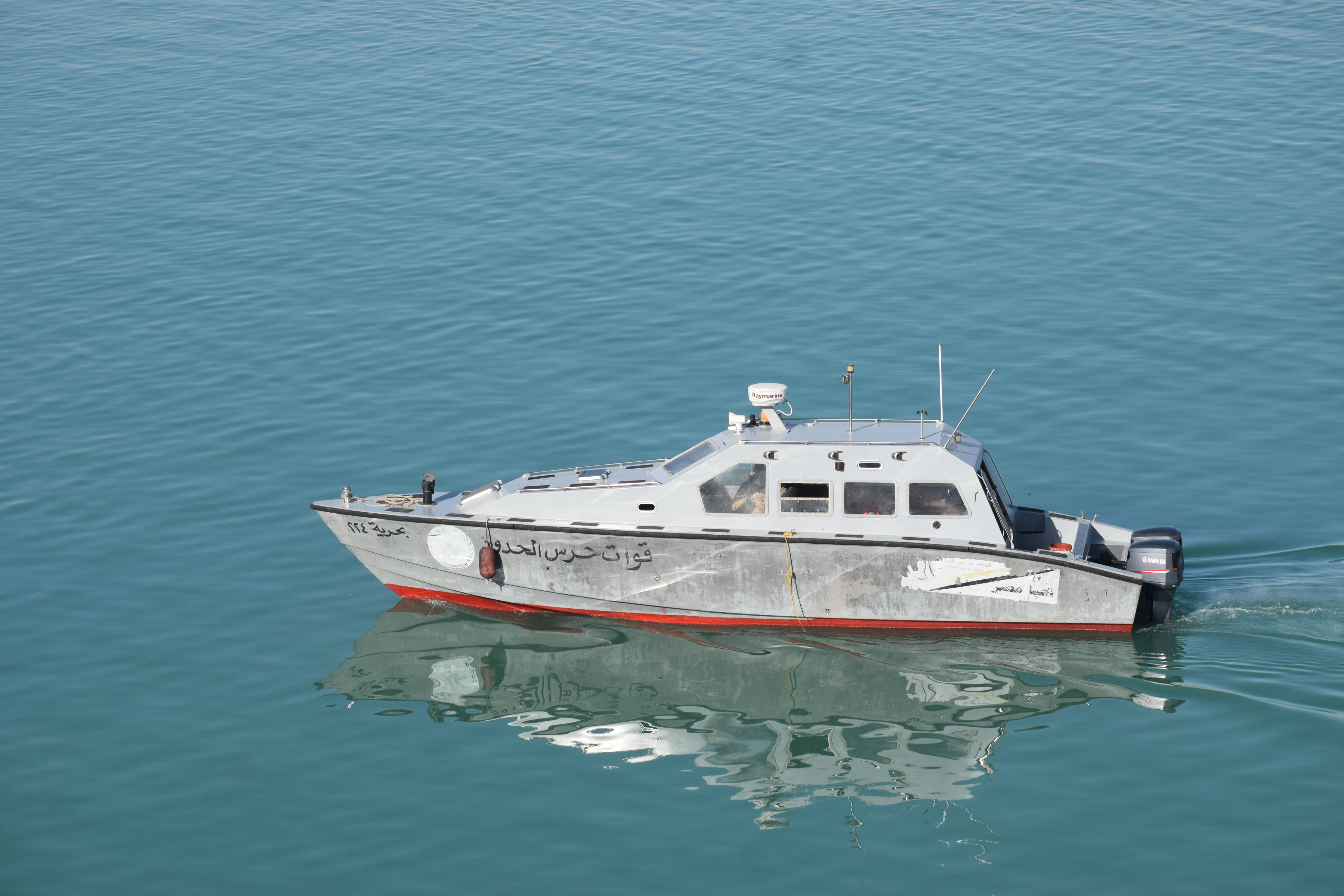
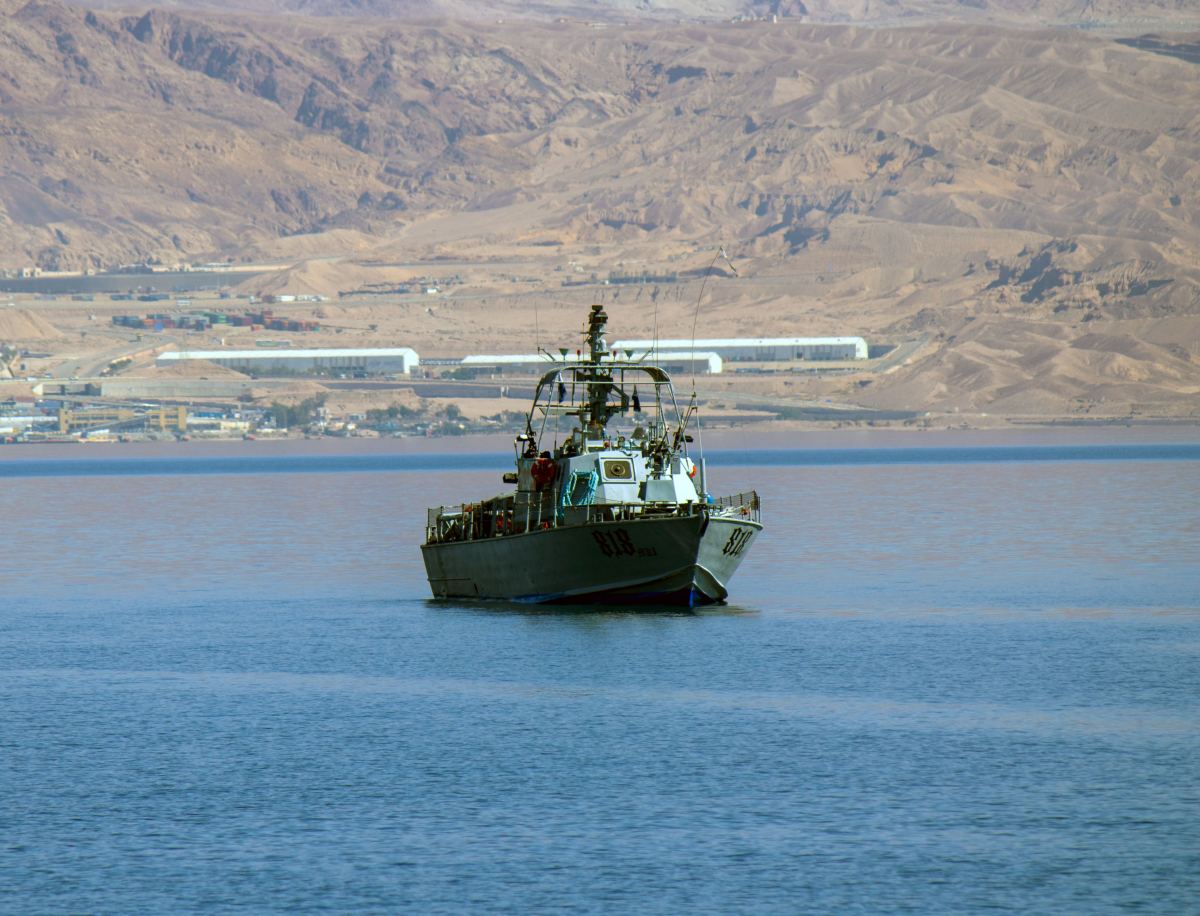
Naval patrols, intelligence sharing, and coordinated escort operations have become increasingly important in protecting merchant vessels transiting high-risk waters.
Security experts note that attacks—or even credible threats—against commercial shipping can influence military planning without directly targeting national territories.
As a result, maritime security has become a central element of broader geopolitical competition in the Middle East.
What Happens Next?
Shipping companies are expected to continue monitoring conditions before restoring normal operations through the Strait of Hormuz and Bab el-Mandeb.
Authorities across the region will likely maintain heightened security measures while evaluating potential risks to commercial navigation.
Market participants will also watch for any official confirmation regarding the reported tanker attacks and for further developments that could influence shipping confidence in the coming days.
Why It Matters
The sharp decline in shipping traffic through the Strait of Hormuz and Bab el-Mandeb demonstrates how geopolitical tensions can rapidly affect global trade. These waterways are critical to international energy supplies and commercial shipping, making them highly sensitive to regional instability.
Even without widespread disruption, heightened security concerns can increase transportation costs, alter shipping routes, and create uncertainty for global supply chains. As tensions continue, the ability to keep these maritime corridors open and secure will remain essential for energy markets, international commerce, and broader economic stability.