Trump Announces New Tariffs and Import Price Floors on Polysilicon to Boost U.S. Manufacturing
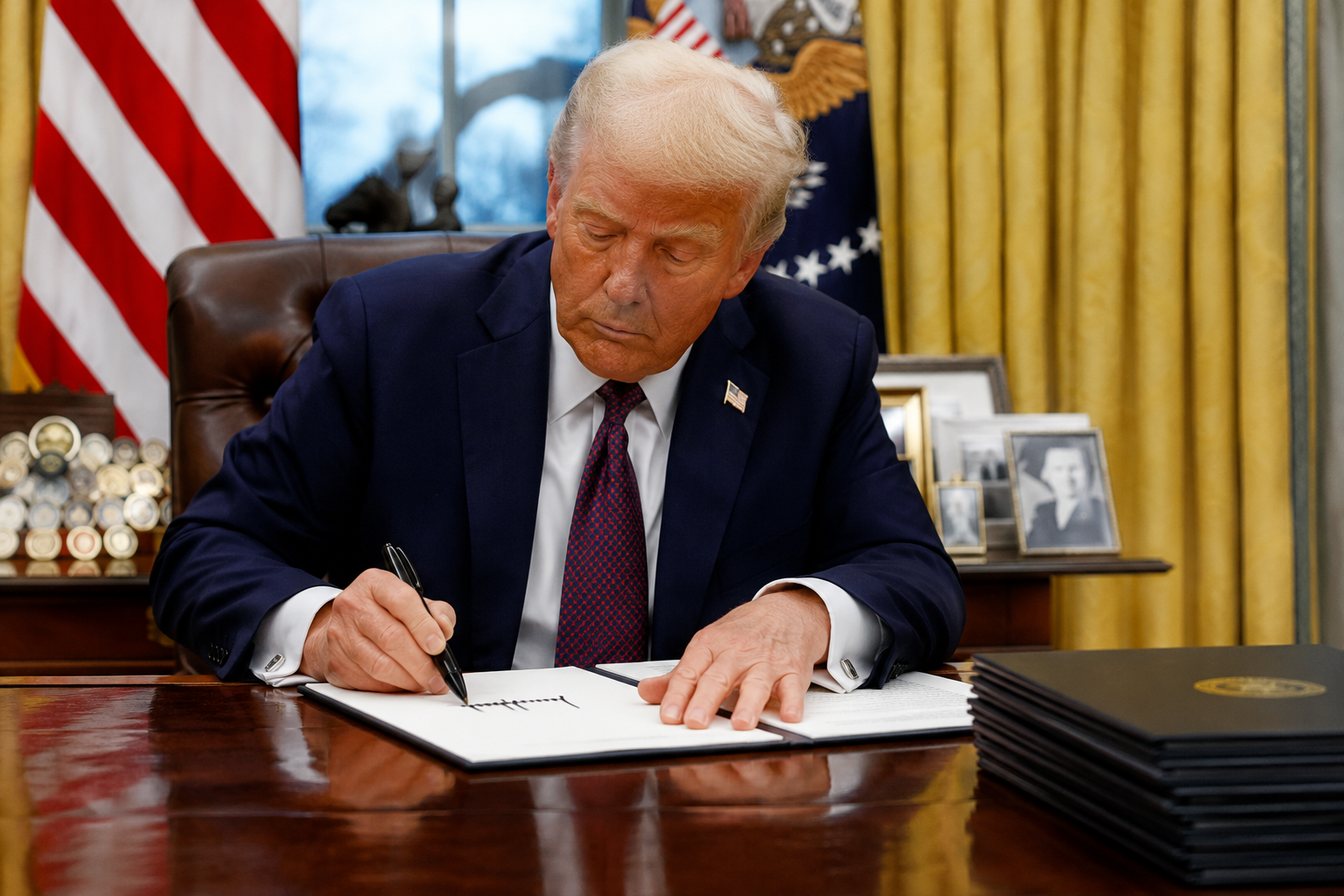
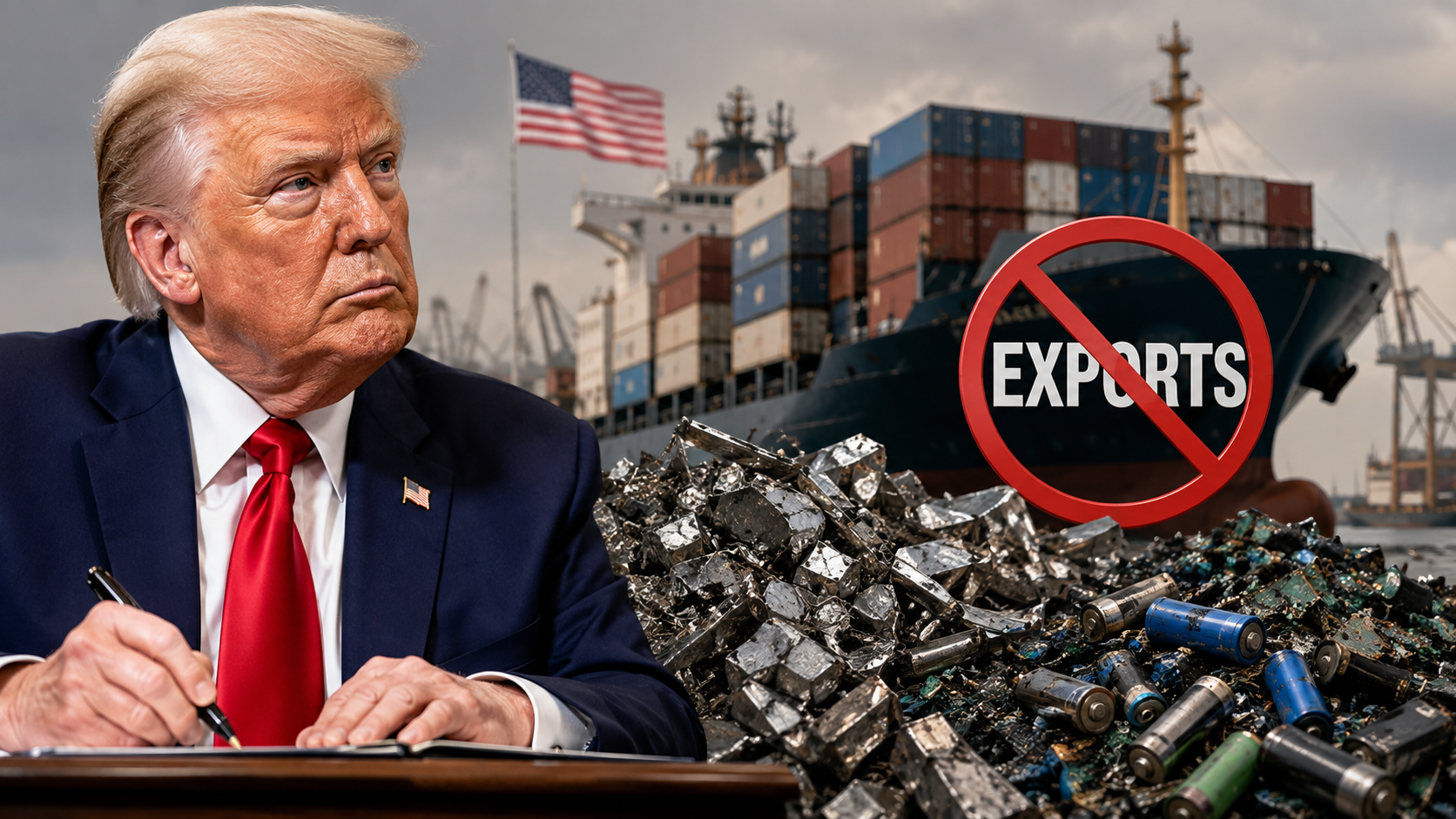
President Donald Trump has signed a new proclamation imposing trade restrictions on imported polysilicon and related products, a move the administration says is designed to strengthen domestic production of solar panels and semiconductors while reducing U.S. reliance on China-dominated supply chains.
The new measures include a 15% tariff on imported polysilicon and minimum import prices for several solar-related products. The policy is scheduled to take effect on December 4, 2026.

Summary: The Trump administration is introducing tariffs and minimum import prices on polysilicon products to encourage U.S. manufacturing, support critical technology supply chains, and reduce dependence on foreign suppliers.
What Are the New Trade Measures?
Under the proclamation, the United States will impose:
-
A 15% tariff on imported polysilicon and its derivatives.
-
Minimum import prices for key products, including:
-
Polysilicon: $21 per kilogram
-
Polysilicon ingots and wafers: $100 per kilogram
-
Solar cells: $0.22 per watt
-
Solar modules (panels): $0.38 per watt
-

The administration says these price floors are intended to prevent imported products from being sold at prices that could undercut American manufacturers.
Why Is Polysilicon Important?
Polysilicon is a highly purified form of silicon that serves as a critical raw material for several advanced industries.
It is used to manufacture:
-
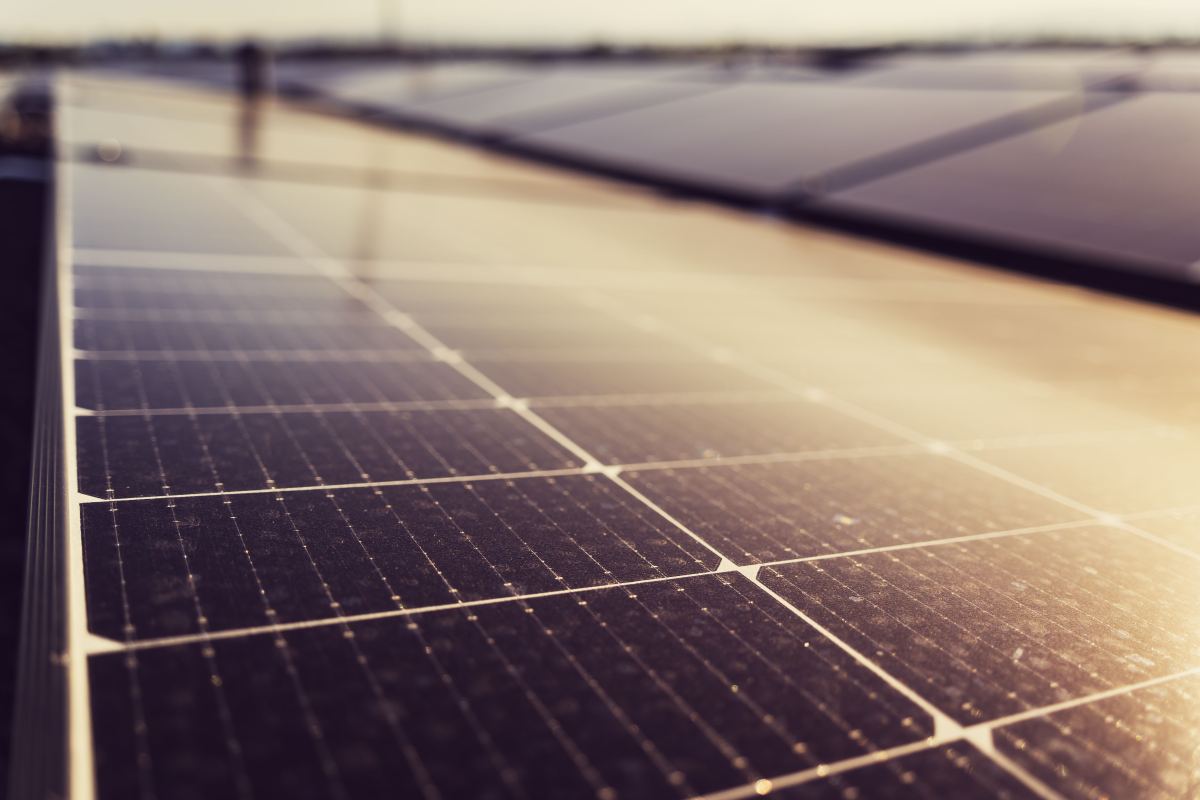
Solar panels and solar cells.
-
Silicon wafers.
-
Semiconductor chips used in computers, smartphones, artificial intelligence systems, and defense technologies.
Direct Answer: The administration argues that strengthening domestic polysilicon production is essential because the material is a key component in both renewable energy and semiconductor manufacturing.
Why Is the U.S. Taking This Step?
According to the White House, China dominates global polysilicon production, creating supply chain risks for industries considered strategically important.
The administration says the new restrictions are intended to:
-
Expand domestic polysilicon manufacturing.
-
Strengthen U.S. solar and semiconductor supply chains.
-
Improve economic competitiveness.
-
Support national security by reducing dependence on foreign suppliers.
The proclamation also authorizes the Commerce Department to develop incentive programs for companies investing in polysilicon production, wafer manufacturing, and other downstream products.
Industry Welcomes the Move
Several U.S.-based manufacturers, including First Solar, Qcells, and T1 Energy, welcomed the policy, saying it could encourage additional investment and manufacturing expansion within the United States.
Meanwhile, Corning and Wacker Chemie said they are reviewing the new measures and acknowledged their potential importance for strengthening semiconductor supply chains.
Currently, the United States has only two major polysilicon production facilities—Hemlock Semiconductor in Michigan and Wacker Chemie in Tennessee—highlighting the limited domestic production capacity the administration hopes to expand.
Concerns Remain Ahead of Implementation
Because the restrictions do not take effect until December 4, some trade analysts believe importers may increase shipments before the deadline to avoid the new tariffs and price floors.
Others have cautioned that higher import costs could eventually raise prices for companies purchasing solar equipment, although supporters argue the policy will create stronger domestic supply chains over the long term.
The new trade measures represent another step in the administration's broader strategy to expand U.S. manufacturing of critical technologies while reducing dependence on overseas suppliers for materials essential to the solar, semiconductor, and AI industries.