China Detains U.S. Seismologist on Espionage Charges After Nearly Two Years in Custody
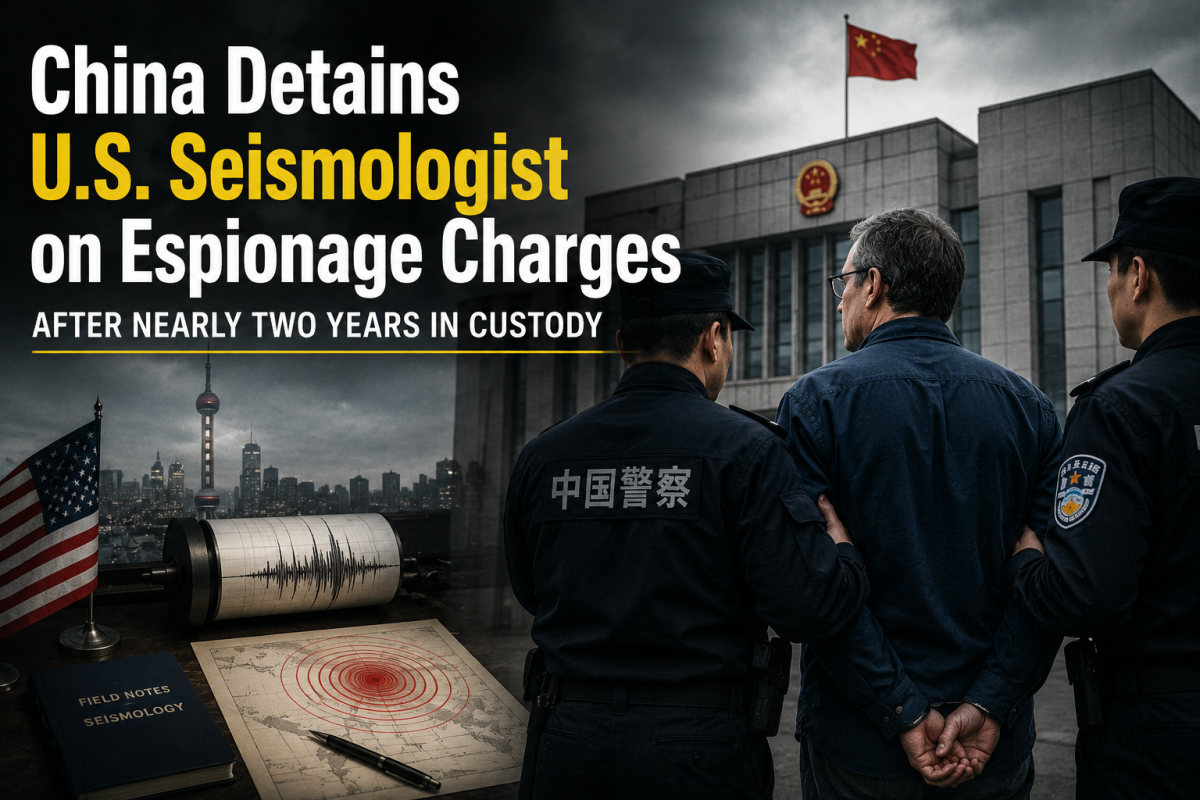
A U.S. scientist who specialized in monitoring nuclear tests has been detained in China for nearly two years on espionage charges, according to his family and a U.S.-based advocacy organization. The case has renewed concerns over academic exchanges between the United States and China as tensions remain high over national security and nuclear technology.
U.S. Scientist Arrested During Family Visit to Beijing
Chen Youlin, a 54-year-old U.S. citizen and seismologist, was arrested in Beijing in November 2024 while visiting relatives, according to the advocacy group Global Reach. His family disclosed the case publicly after more than 600 days in detention, saying they have seen no indication that Chinese authorities plan to release him.
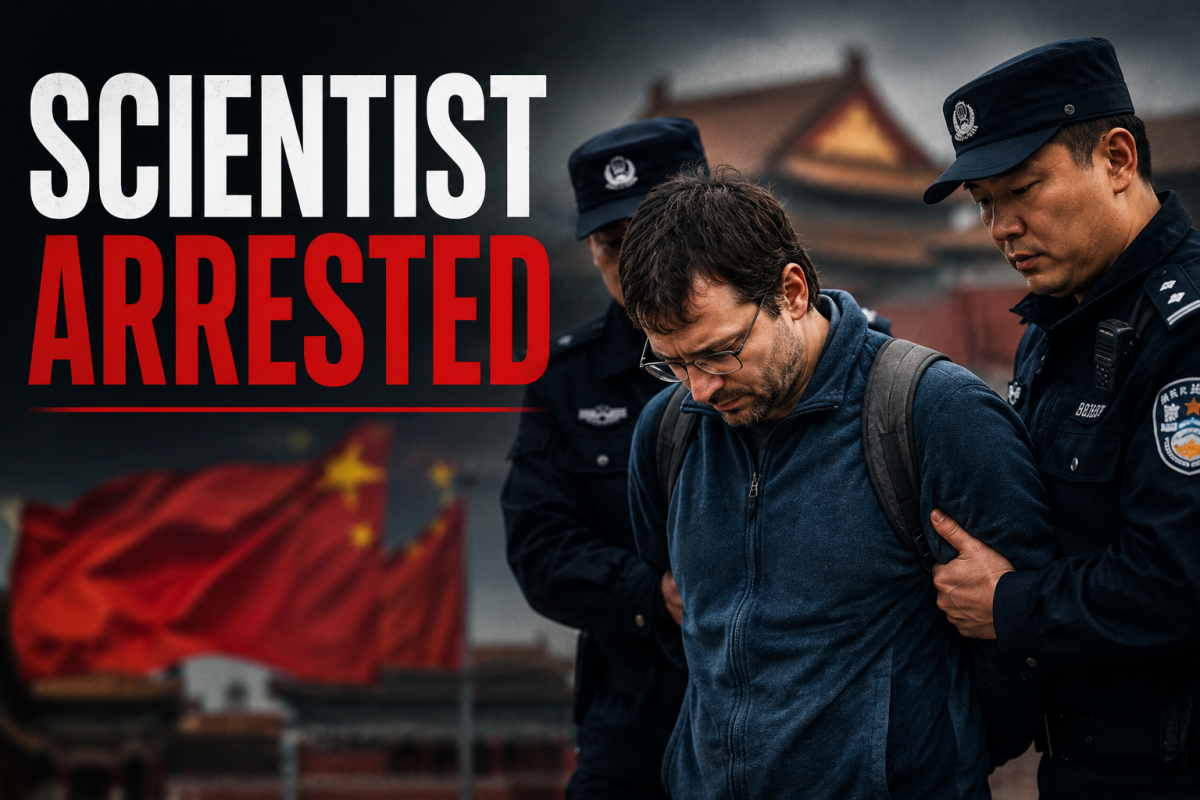
Chen's wife, Rong Yufang, also a seismologist, said the allegations are unfounded and inconsistent with the collaborative nature of her husband's scientific research.
"I have not been able to speak with my husband for over 600 days and am concerned for his health and well-being," Rong said in a statement released through Global Reach.

Research Focused on Monitoring North Korea's Nuclear Tests
Chen is widely known for his work analyzing seismic data to detect underground nuclear explosions, with much of his published research focused on North Korea's nuclear weapons testing program.
His studies involved improving methods for identifying underground nuclear tests using seismic signals recorded across Asia. One widely cited 2020 research project examined regional seismic data, including information collected from China, to strengthen international nuclear-test monitoring techniques.
His family maintains that all collaborations with Chinese researchers were conducted openly through publicly available scientific partnerships.
Family Says Investigation Was Extensive
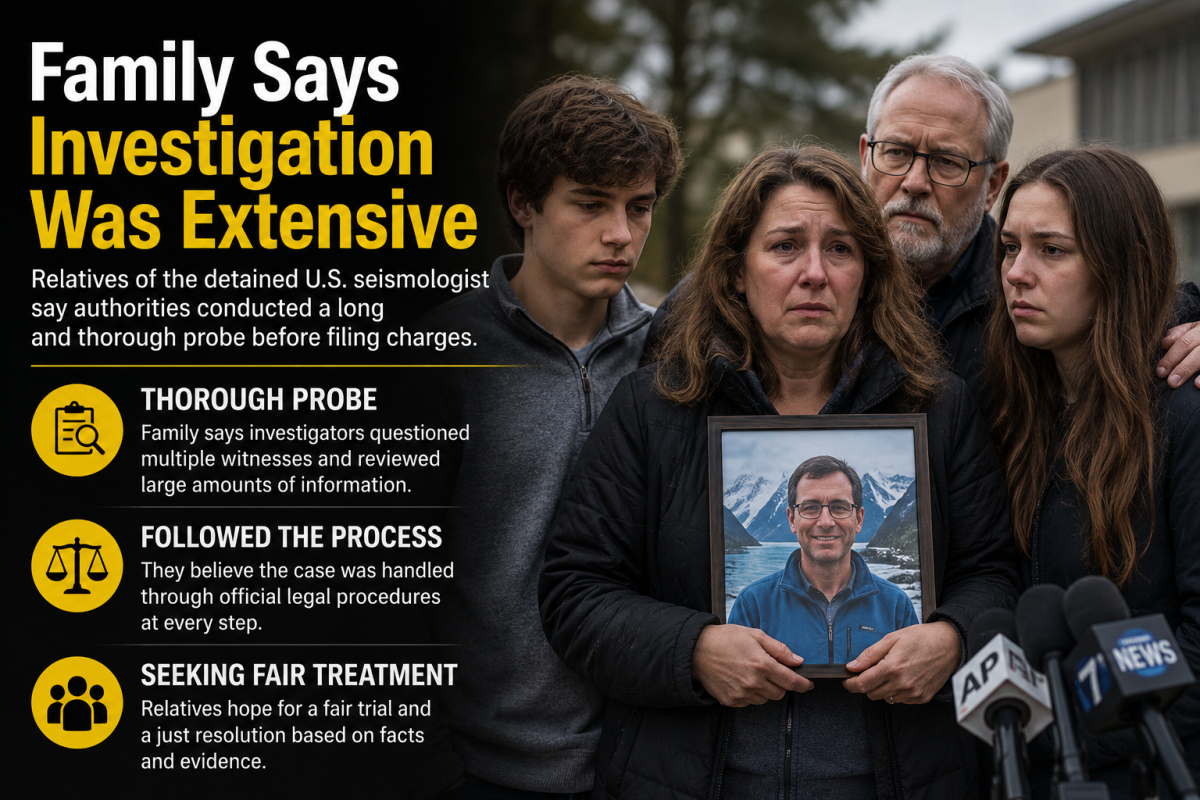
According to Rong, Chinese investigators questioned Chen more than 100 times regarding his research activities.
She said authorities denied him access to legal representation for the first 13 months of his detention, raising concerns about due process.
Born in China, Chen became a U.S. citizen in 2011 and has been based in Boston, Massachusetts, where he participated in multiple research projects supported by the U.S. government.
China Responds to Questions About the Case
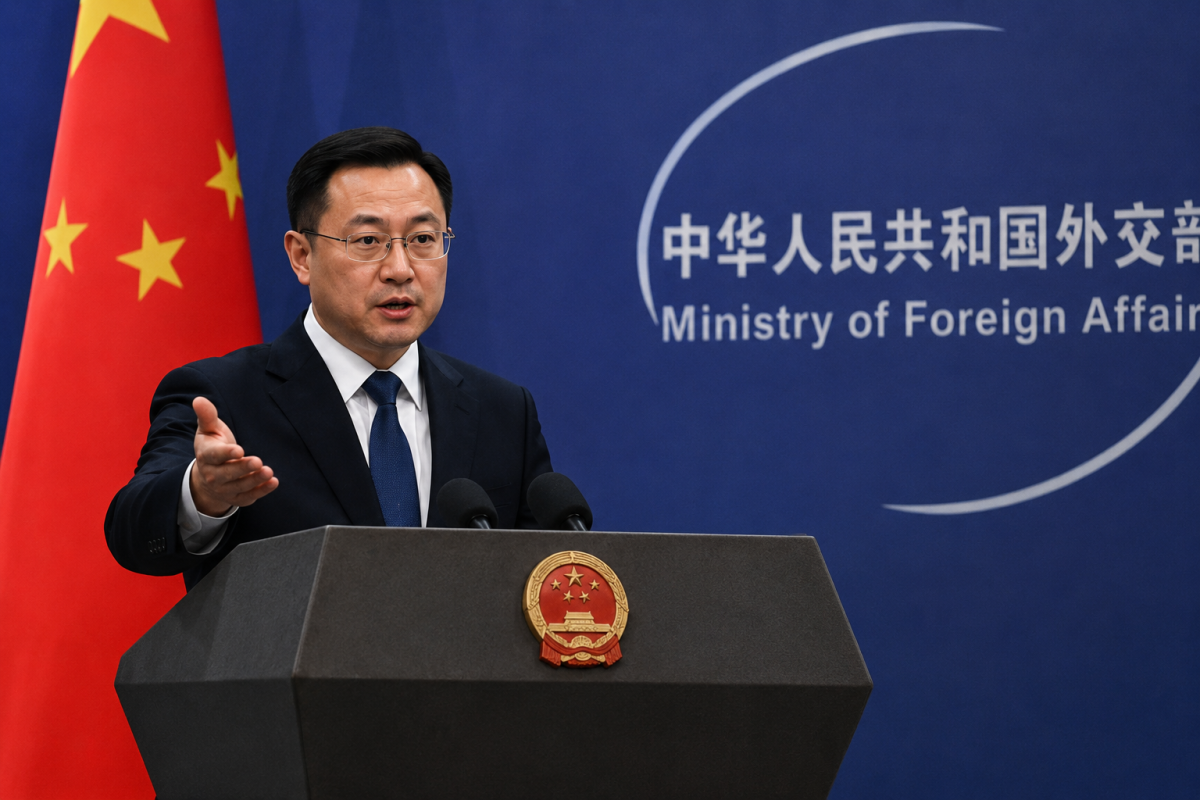
Asked about Chen's detention during a regular news briefing, China's Foreign Ministry said judicial authorities were handling the matter according to Chinese law.
Foreign Ministry spokesperson Lin Jian rejected suggestions that Chen had been wrongfully detained, stating there was "no such thing as so-called wrongful detention."
Under Chinese law, espionage convictions can carry penalties ranging from lengthy prison terms to life imprisonment or, in some cases, the death penalty.
Advocacy Groups Raise Health Concerns
The Foley Foundation, which supports Americans detained abroad, said Chen suffers from diabetes, high blood pressure, and high cholesterol, conditions that require consistent medical treatment.
The organization warned that his health could deteriorate without reliable access to appropriate care while in detention.
Chen is currently the only American officially designated by the U.S. government as wrongfully detained in China.
Nuclear Research Adds Geopolitical Sensitivity
Although Chen's published work primarily examined North Korea's underground nuclear testing, advocacy groups say the timing of his arrest has prompted broader questions.
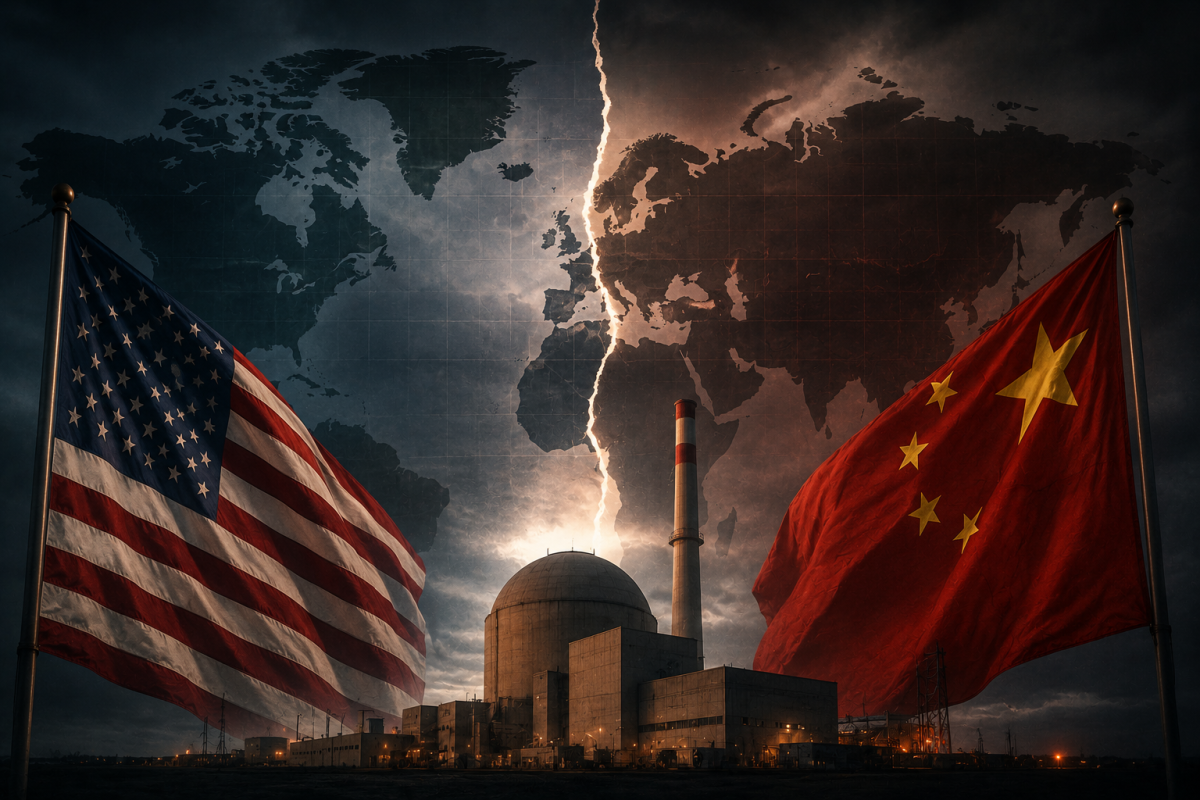
Global Reach noted that some U.S. officials suspect the detention could be linked to concerns surrounding China's own nuclear activities and seismic monitoring capabilities. The group suggested Chinese authorities may have sought insight into U.S. methods for detecting underground nuclear tests, although no evidence supporting that claim has been made public.
The Comprehensive Nuclear-Test-Ban Treaty (CTBT) prohibits nuclear explosive testing, but neither the United States nor China has formally ratified the agreement. Both countries currently observe voluntary moratoriums on explosive nuclear testing.
Lawmakers Call for Chen's Release
U.S. Senator Edward Markey of Massachusetts criticized China's handling of the case, saying Chen's detention undermines scientific cooperation between the two countries.
Markey expressed hope that increased public attention would encourage Beijing to release the researcher, warning that the case could discourage future academic collaboration between American and Chinese scientists.
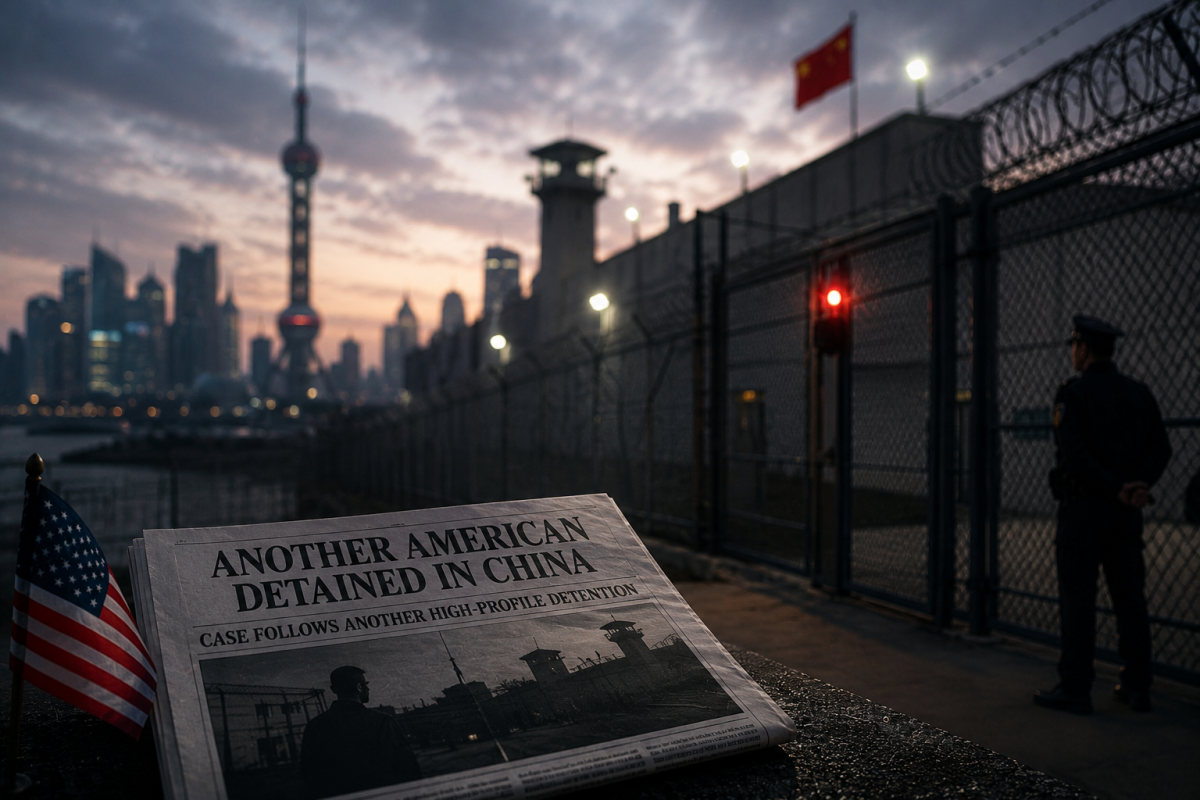
Case Follows Another High-Profile Detention
Chen's detention became public just weeks after Chinese authorities confirmed the arrest of Min Zin, a U.S.-based scholar and director of a Myanmar-focused research organization.
Chinese officials have accused Min Zin of espionage and activities that allegedly endangered China's national security, further highlighting the growing strain affecting academic and research exchanges between the two countries.
As Chen approaches two years in detention, his family and advocacy groups continue urging Chinese authorities to grant him due process and allow regular communication while international attention on the case continues to grow.