US Launches Two-Hour Strike Campaign on Iranian Military Targets Following Missile Attack
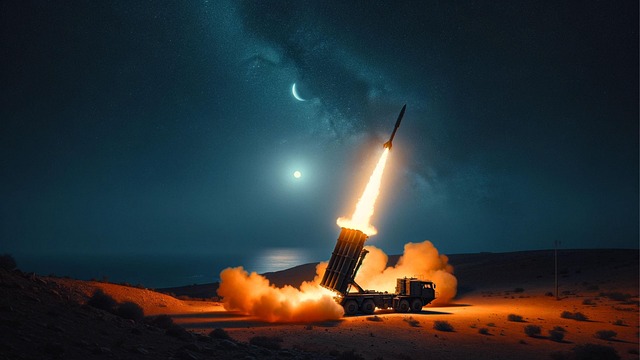
The United States has carried out a new wave of military strikes against Iran, targeting dozens of sites linked to the Islamic Revolutionary Guard Corps (IRGC) after Tehran launched ballistic missiles toward U.S. forces in the Middle East. U.S. officials described the operation as a direct response to the earlier missile attack, marking another escalation in the ongoing conflict between Washington and Tehran.
The latest operation underscores rising military tensions in the region as both countries continue to exchange strikes.

US Conducts Two-Hour Military Operation
The U.S. military said the latest operation began at 8:00 p.m. Eastern Time on Wednesday and concluded at 10:00 p.m., lasting approximately two hours.
According to U.S. Central Command (CENTCOM), American forces struck dozens of military targets across Iran in what officials described as a coordinated response to the previous day's missile attack.
The operation represents one of the latest rounds of military action in the ongoing conflict.
Dozens of IRGC Facilities Reportedly Targeted
CENTCOM said the strikes focused on facilities associated with Iran's Islamic Revolutionary Guard Corps (IRGC).

According to the U.S. military, the targets included:
-
Military command centers
-
Missile facilities
-
Drone infrastructure
-
Coastal surveillance sites
-
Air defense positions
-
Maritime military capabilities
The U.S. has not released information regarding the extent of the damage or possible casualties.
Strike Follows Iranian Missile Attack on US Forces
The operation came one day after the United States said it intercepted multiple ballistic missiles fired toward American forces stationed in the Middle East.
Iran acknowledged launching missiles at U.S. bases in Jordan.
U.S. officials described the missile launches as an attempted surprise attack and said the retaliatory strikes were intended to respond directly to that action.
Trump Promised a Strong Response
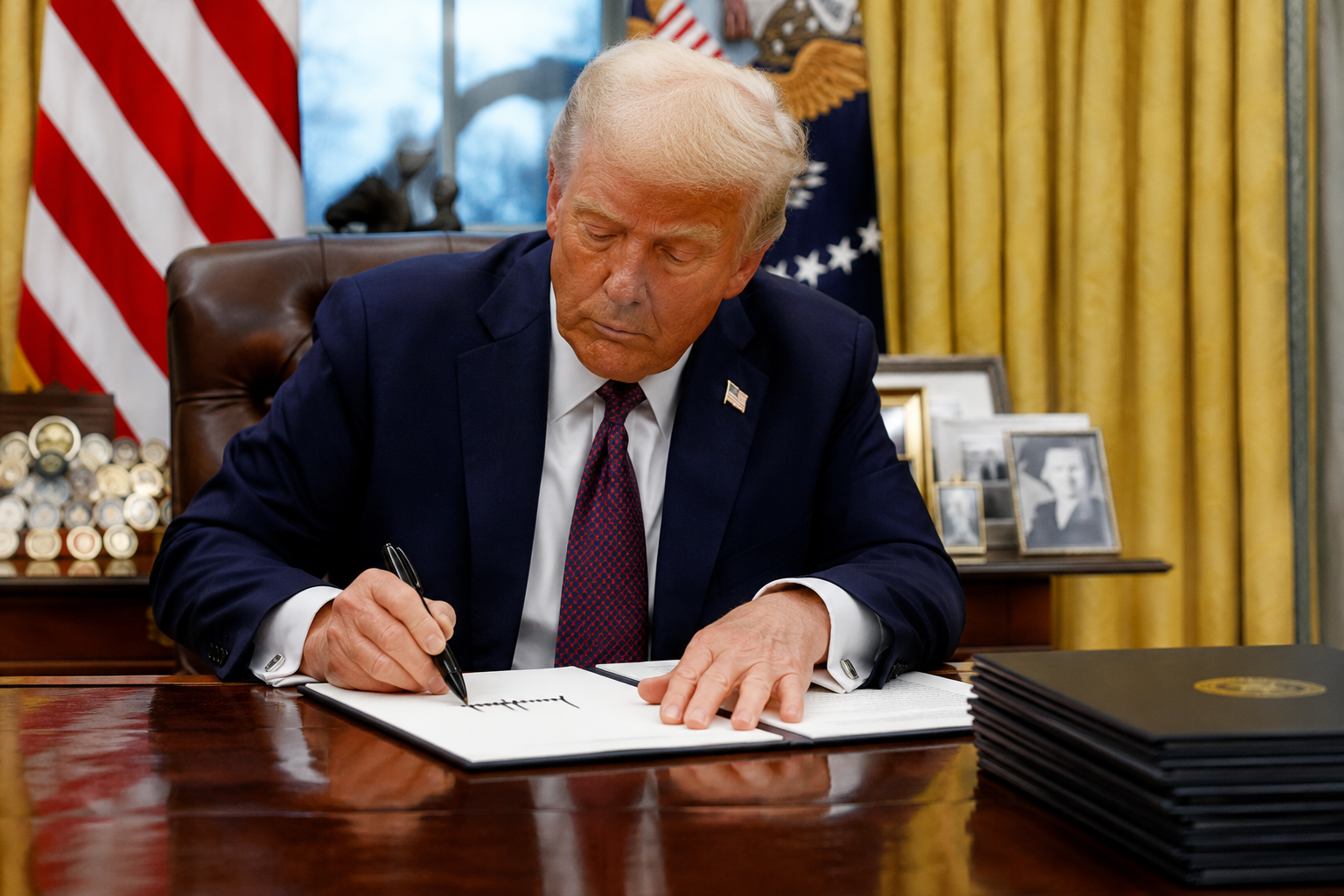
Following the reported missile attack, President Donald Trump said the United States would respond forcefully.
CENTCOM later described the latest military action as a "powerful response" to Iran's missile launches against U.S. personnel in the region.
The exchange marks another escalation in the military confrontation between the two countries.
Regional Conflict Continues to Expand
The conflict has widened beyond direct exchanges between the United States and Iran.
Military operations have also affected neighboring countries and strategic locations across the Middle East, increasing concerns over regional stability.
Security analysts continue to monitor the potential impact on:
-
Regional military deployments
-
International shipping routes
-
Energy infrastructure
-
Diplomatic efforts
-
Global oil markets
Global Attention Turns to Next Phase of the Conflict
The latest strikes are likely to increase international diplomatic efforts aimed at preventing further escalation.
Governments across the region remain on alert as military activity continues, while investors closely watch developments that could influence energy prices and financial markets.
Whether additional retaliatory actions occur may depend on future military and diplomatic decisions by both Washington and Tehran.
What's Next
The international community will closely monitor Iran's response to the latest U.S. strikes and any further military developments in the region. Diplomatic efforts to reduce tensions may intensify, but the risk of additional retaliation remains high as both sides continue to exchange military actions. Markets will also watch for any impact on global energy supplies and regional security.
FAQ
Why did the United States launch new strikes on Iran?
According to U.S. officials, the strikes were carried out in response to ballistic missiles that Iran launched toward U.S. forces in the Middle East.
What targets did the U.S. military strike?
The U.S. military said it targeted dozens of IRGC-related sites, including command centers, missile and drone facilities, coastal surveillance positions, air defense sites, and maritime capabilities.
How long did the operation last?
According to U.S. Central Command, the military operation lasted approximately two hours.
Did Iran acknowledge the earlier missile attack?
Yes. According to the report, Iran confirmed it had fired missiles at U.S. bases in Jordan.
What should observers watch next?
Attention will focus on whether Iran responds to the latest strikes, how regional security evolves, and whether diplomatic efforts can prevent the conflict from escalating further.