U.S. Launches New Strikes on Iran as Fighting Intensifies Around Strait of Hormuz
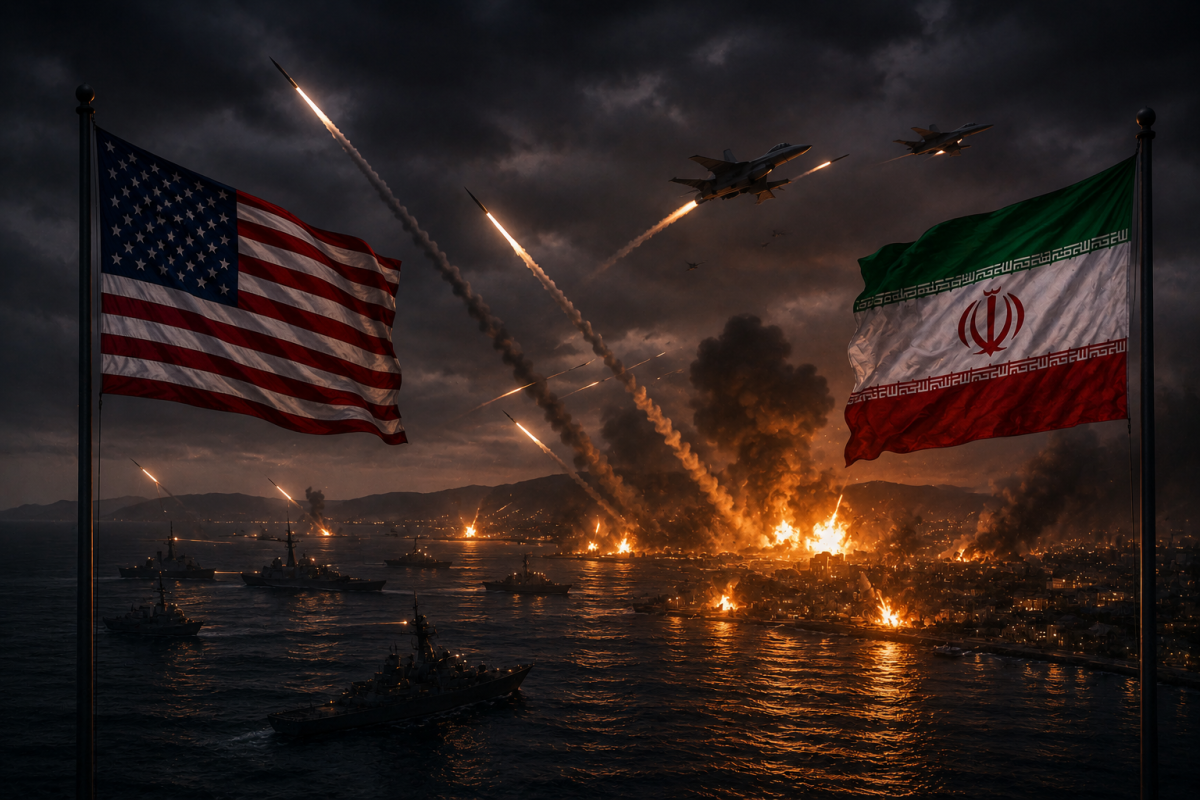
The United States has carried out a sixth consecutive night of military strikes against Iran, targeting what it described as military infrastructure as tensions continue to escalate in and around the strategically vital Strait of Hormuz. Iran, however, says the latest attacks also struck civilian facilities, while both sides continue exchanging military action despite renewed calls for diplomacy from the international community.
U.S. Expands Military Campaign
U.S. Central Command (CENTCOM) said its latest operation targeted dozens of Iranian military sites, including coastal surveillance systems, air defense positions, logistics infrastructure and maritime capabilities.
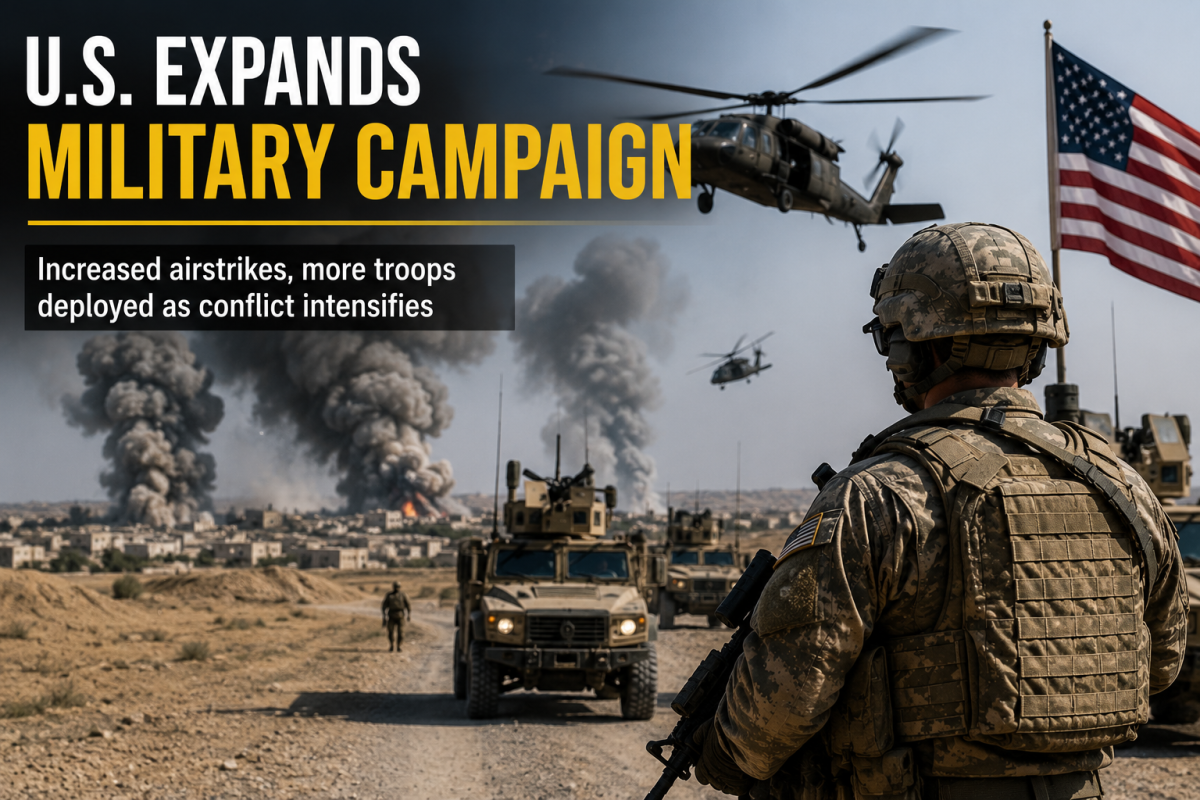
The military also announced that U.S. forces boarded a vessel as part of an expanded blockade of Iranian ports, saying several commercial ships attempting to enter restricted areas had been redirected.
According to CENTCOM, the strikes are intended to further weaken Iran's military capabilities and limit its operations in the Gulf.
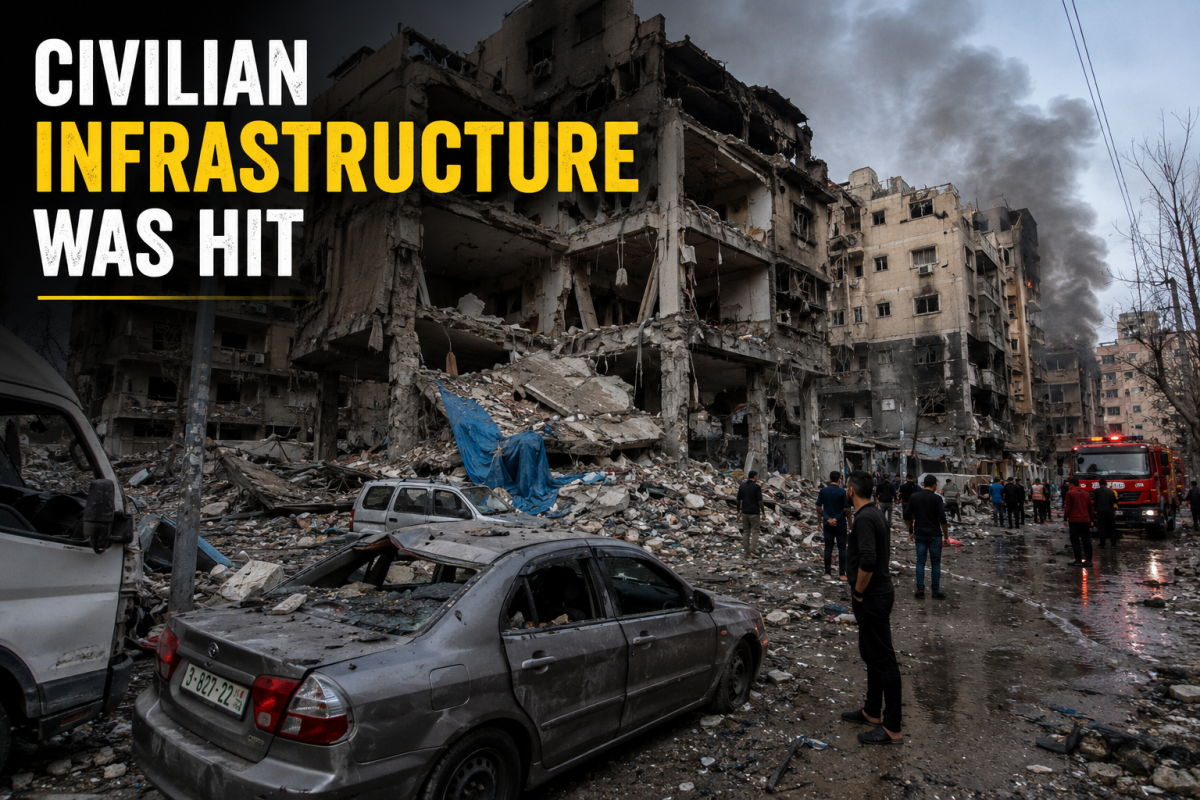
Iran Says Civilian Infrastructure Was Hit
Iranian state media accused the United States of attacking civilian infrastructure during the latest round of strikes.
Officials reported damage to bridges, a railway station and an airport, while state media said at least seven people were killed. Independent verification confirmed that one bridge west of Bandar Abbas in Hormozgan province was struck, although the full extent of the damage remains unclear.
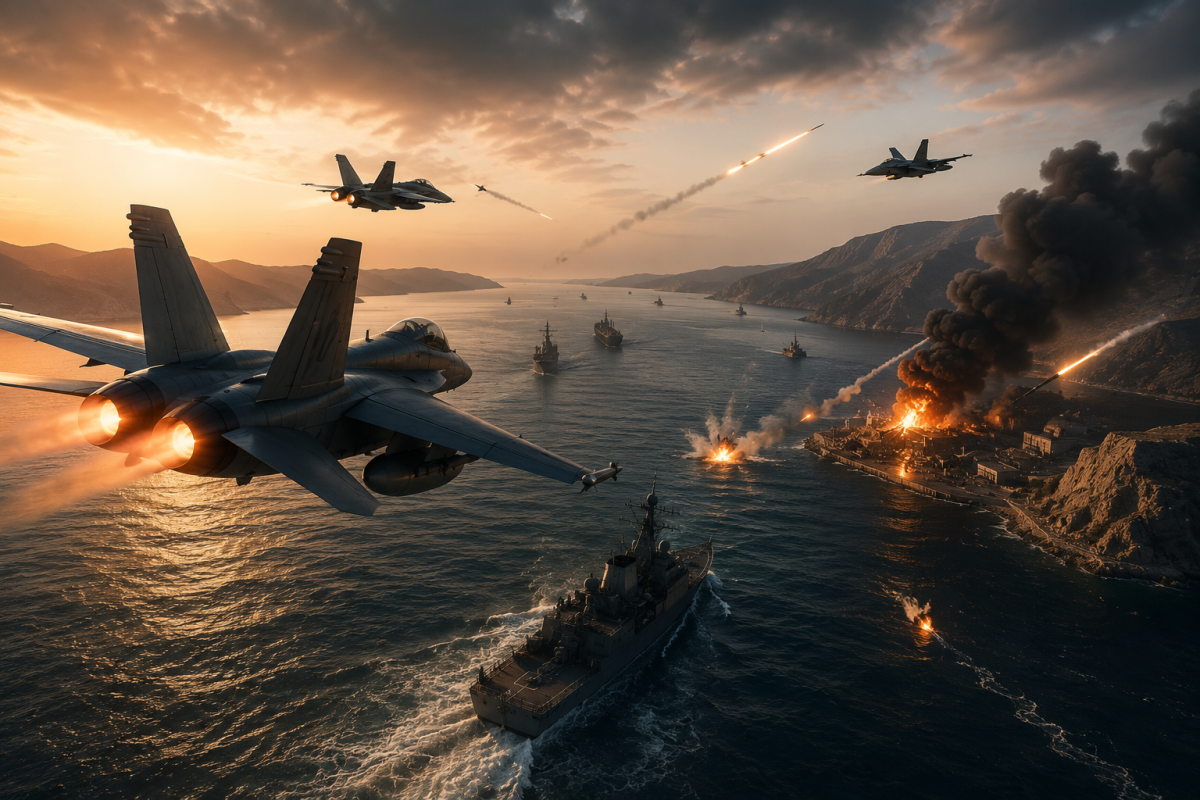
CENTCOM's public statement did not mention civilian infrastructure among its listed targets.
Iran Claims Retaliatory Attacks
Iran's Islamic Revolutionary Guard Corps (IRGC) said it responded by targeting U.S. maritime surveillance radar facilities in Oman as well as military-related sites in Kuwait and Bahrain.
The IRGC also claimed it attacked a U.S. special operations command center at al-Tanf in Syria, describing the strike as retaliation for the deaths of Iranian personnel earlier this week.
Neither the United States nor Syrian authorities immediately confirmed the reported attack. Jordan later said its military intercepted three Iranian missiles without casualties or damage.
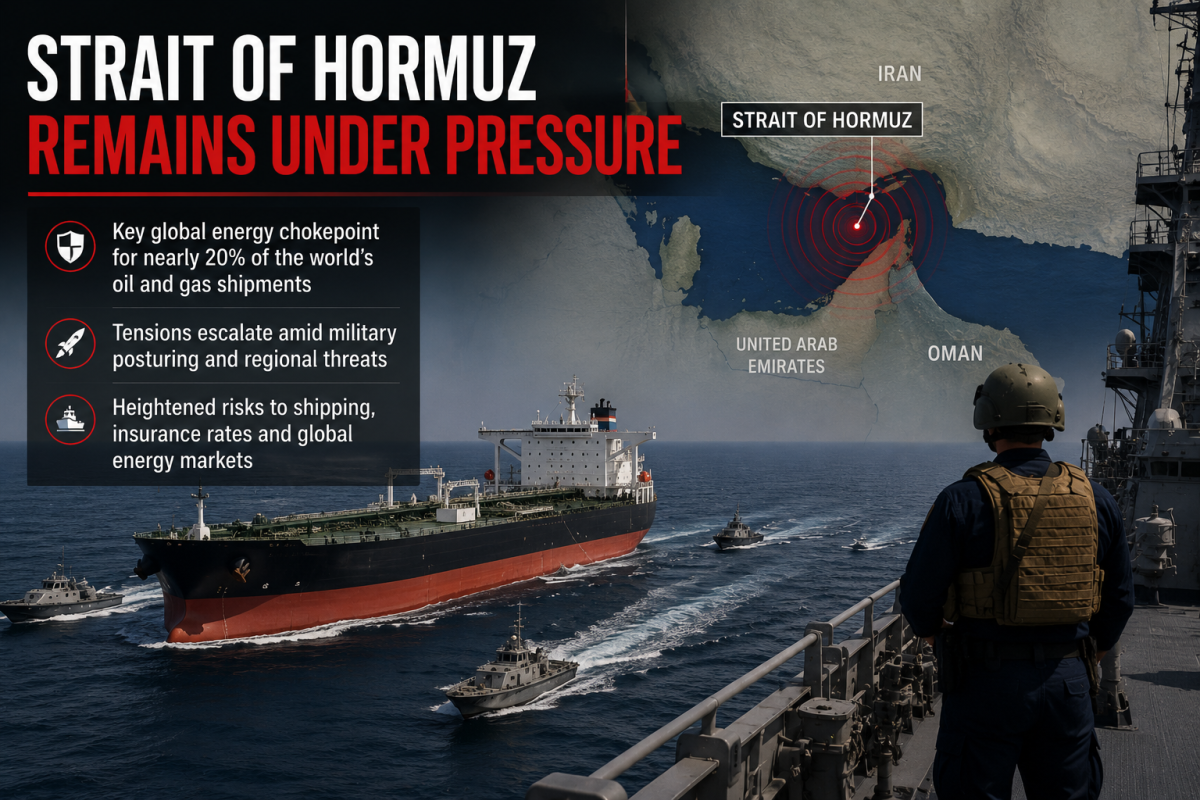
Strait of Hormuz Remains Under Pressure
The fighting continues to center on the Strait of Hormuz, one of the world's most important maritime chokepoints for oil exports.
Iran's restrictions on shipping through the waterway have disrupted regional energy flows, increasing concerns over global oil supplies.
International Energy Agency Executive Director Fatih Birol warned that prolonged disruption could have serious consequences for energy markets if the situation does not improve in the coming weeks.
International Calls for Diplomacy Continue
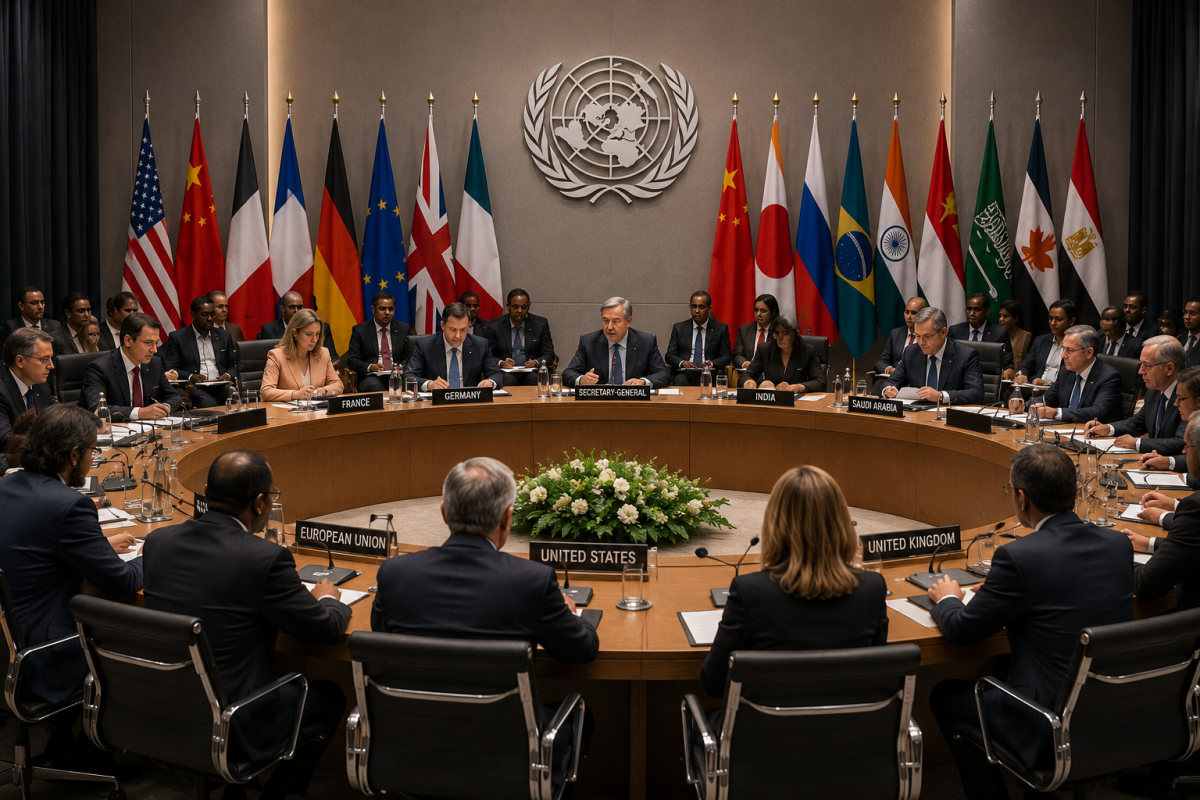
Despite the intensifying conflict, diplomatic efforts remain active.
China and Pakistan have urged both Washington and Tehran to halt military operations and resume negotiations.
The White House said President Donald Trump remains open to diplomacy while insisting the United States will continue responding to attacks on commercial shipping and military assets.
Iranian officials, meanwhile, have maintained that any future agreement must protect the country's national interests and security.
Dispute Over U.S. Detainee Release
The latest military developments coincided with conflicting claims regarding the reported release of an American detainee.
President Trump said Dena Karari, whom he described as being wrongfully detained since late 2024, had been released and was returning to the United States.
However, Iran's judiciary denied that any American prisoner had been released or exchanged, creating uncertainty over the circumstances surrounding the case.
Why the Strait of Hormuz Matters
The Strait of Hormuz connects the Persian Gulf with the Gulf of Oman and serves as one of the world's busiest energy transit routes.
A significant share of globally traded crude oil passes through the narrow waterway each day, making any disruption a major concern for international energy markets, shipping companies and governments.
As military operations continue, analysts are closely monitoring whether the conflict will expand further or whether renewed diplomatic engagement can ease tensions.
Frequently Asked Questions (FAQ)
Why did the U.S. launch new strikes on Iran?
The United States said the strikes were aimed at degrading Iran's military capabilities, including its coastal surveillance, air defense and maritime infrastructure.
What has Iran alleged about the attacks?
Iran says the strikes also hit civilian infrastructure, including bridges, a railway station and an airport, and reported several fatalities.
Why is the Strait of Hormuz important?
The Strait of Hormuz is one of the world's most critical oil shipping routes, carrying a large share of global energy exports each day.
Has Iran responded militarily?
Yes. Iran's Revolutionary Guards claim they targeted U.S.-related sites in Oman, Kuwait, Bahrain and Syria, although some of those claims have not been independently confirmed.
Are diplomatic talks still possible?
Both the White House and several international governments have indicated that diplomatic negotiations remain possible despite the ongoing military escalation.