US, Iran Trade Claims Over Strait of Hormuz Control as Fresh Strikes Raise Regional Tensions
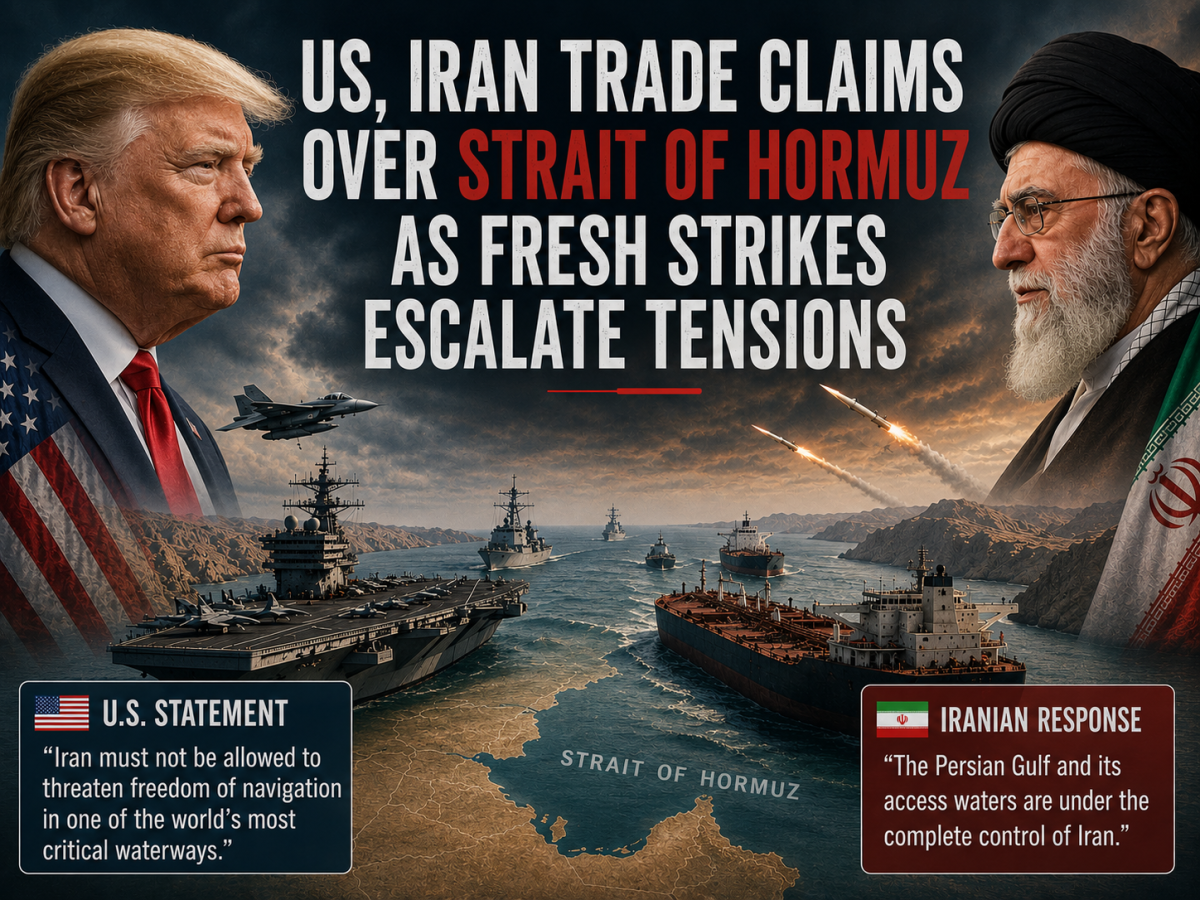
The United States and Iran each claimed authority over the Strait of Hormuz on Monday after a new round of military strikes intensified tensions across the Middle East, adding fresh uncertainty to diplomatic efforts aimed at ending the conflict.
The latest escalation followed an Iranian attack on a commercial container ship in the strategic waterway off the coast of Oman over the weekend. The incident renewed concerns about the security of one of the world's most important maritime trade routes, where shipping disruptions have continued throughout the conflict.
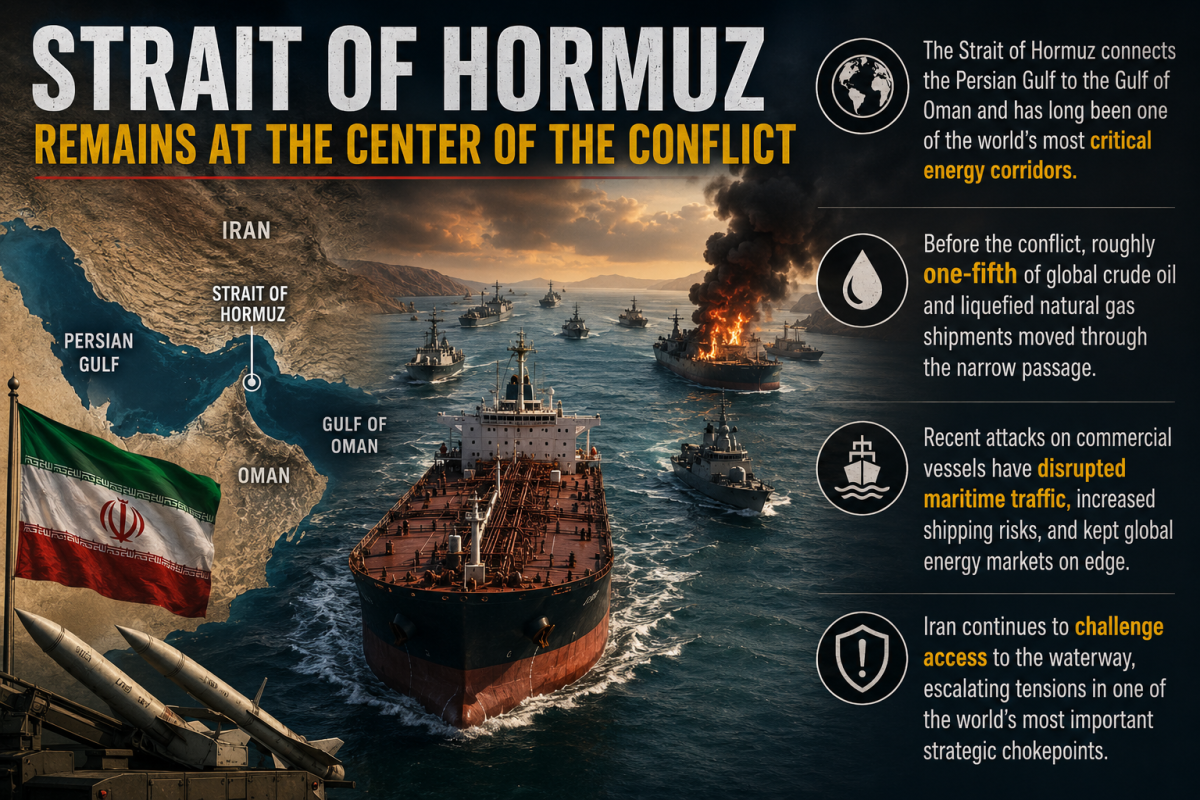
Strait of Hormuz Remains at the Center of the Conflict
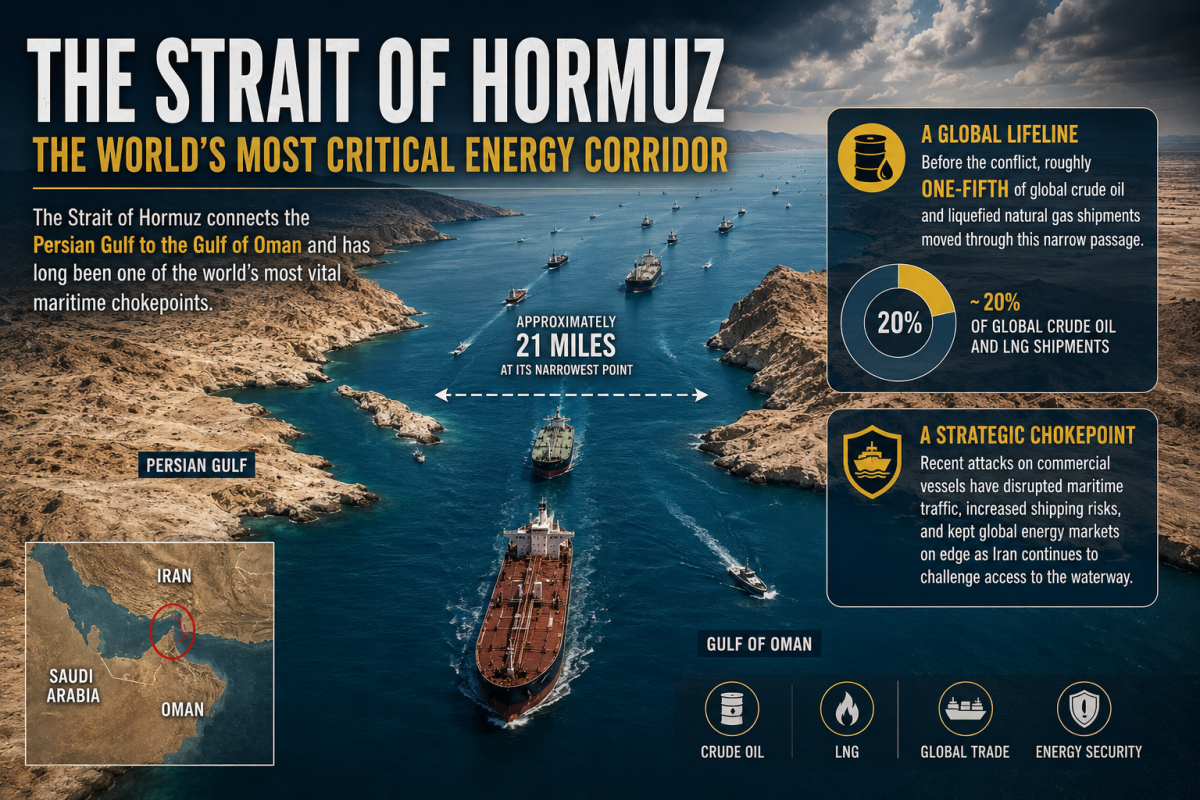
The Strait of Hormuz connects the Persian Gulf to the Gulf of Oman and has long been one of the world's most critical energy corridors. Before the conflict, roughly one-fifth of global crude oil and liquefied natural gas shipments moved through the narrow passage.
Recent attacks on commercial vessels have disrupted maritime traffic, increased shipping risks, and kept global energy markets on edge as Iran continues to challenge access to the waterway.
U.S. Launches New Military Strikes
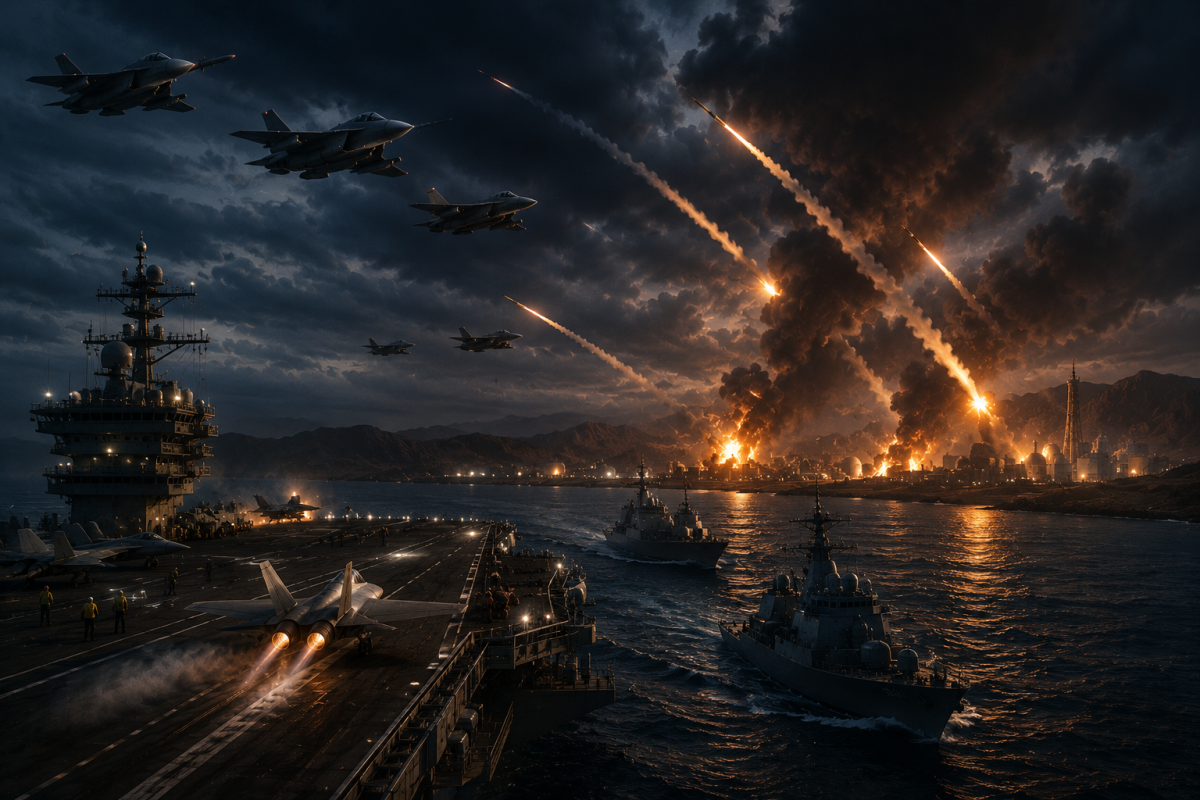
The U.S. military's Central Command said American forces carried out strikes against dozens of Iranian military targets on Monday.
According to the military, the operation targeted air defense systems, radar installations, missile and drone infrastructure, and small military boats used by Iranian forces.
In a statement, Central Command emphasized that the Strait of Hormuz remains an international waterway.
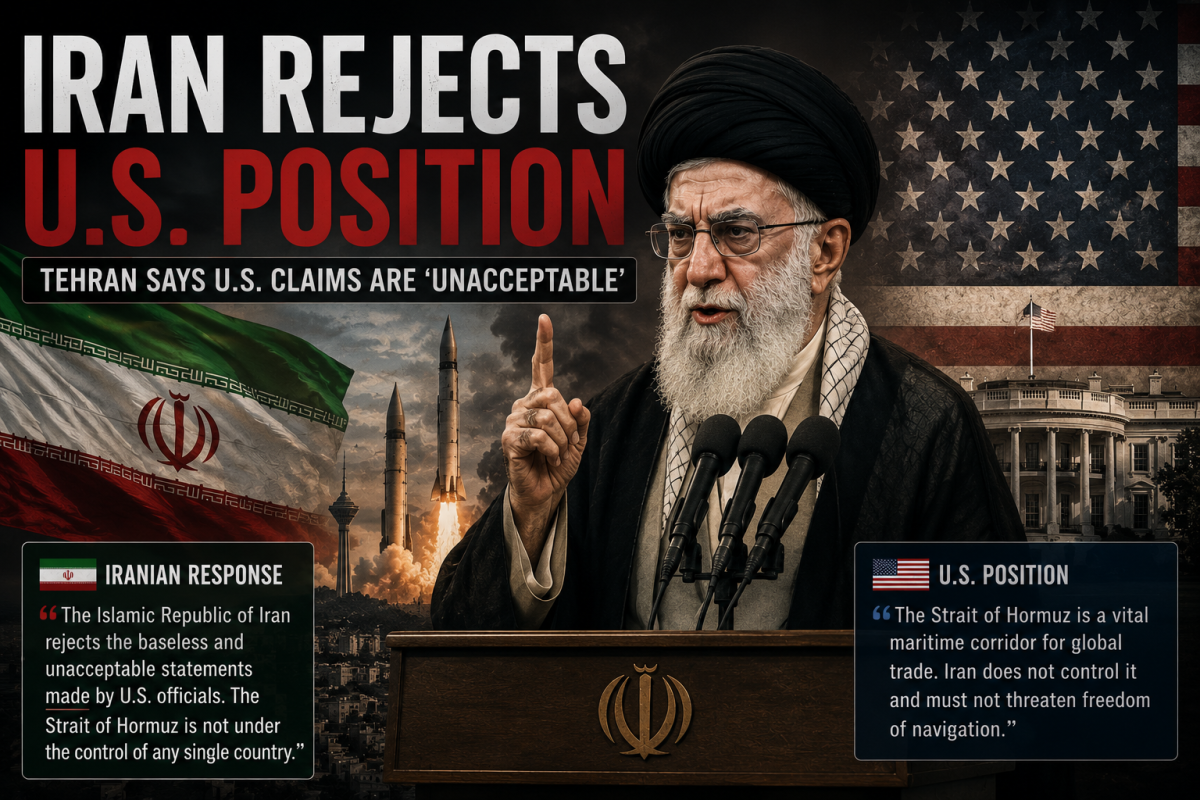
"The Strait of Hormuz is a vital maritime corridor for global trade. Iran does not control it."
Iran Rejects U.S. Position
Iran's Islamic Revolutionary Guard Corps (IRGC), which oversees much of the country's missile program and military operations, rejected the U.S. position following the strikes.
The exchange of competing claims underscores the growing dispute over who controls access to the strategically important shipping lane as military operations continue in and around the Persian Gulf.
Diplomacy Faces New Obstacles
The latest attacks come as Washington and Tehran approach the midpoint of a 60-day interim agreement that was intended to create space for negotiations toward a broader settlement.
Instead of easing tensions, the temporary arrangement has been overshadowed by repeated military exchanges, raising doubts about whether formal negotiations can resume under current conditions.
The continued violence has fueled international concerns that the conflict could expand further if diplomatic efforts fail.
U.N. Warns Against Wider Conflict
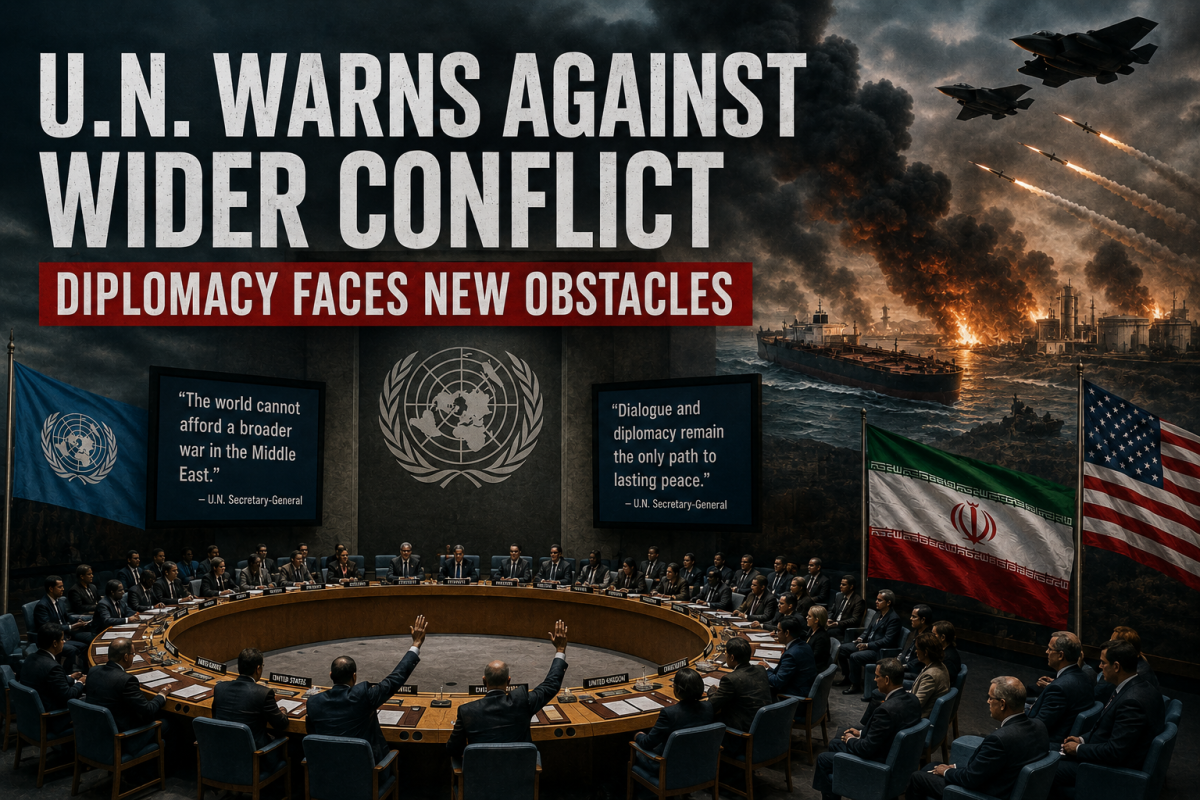
United Nations Secretary-General António Guterres urged both sides to avoid another full-scale escalation, warning that renewed fighting would have far-reaching consequences.
"A return to full-scale hostilities would have catastrophic consequences."
His remarks came as governments around the world continue monitoring developments in the Gulf, where prolonged instability could affect global energy supplies, international shipping, and regional security.
Why the Strait of Hormuz Matters
The Strait of Hormuz is widely regarded as one of the world's most strategically significant waterways because it serves as the primary export route for oil and natural gas produced by Gulf nations.
Any disruption to shipping through the passage can affect global fuel supplies, increase transportation costs, and push energy prices higher, making the region a focal point for international security and economic stability as the conflict continues.