US-Iran Standoff Over Strait of Hormuz Deepens as Military Pressure and Diplomacy Reach a Crossroads
The United States and Iran remain locked in an escalating confrontation over the Strait of Hormuz, with fresh military strikes, maritime attacks, and stalled diplomacy raising concerns about a prolonged regional conflict. As both countries harden their positions, analysts warn that continued military escalation alone may not produce a lasting solution.
Fresh US Airstrikes Continue Pressure on Iran
The United States launched another round of airstrikes against Iranian targets on Tuesday, extending a sustained military campaign aimed at weakening Iran's capabilities and protecting international shipping routes.
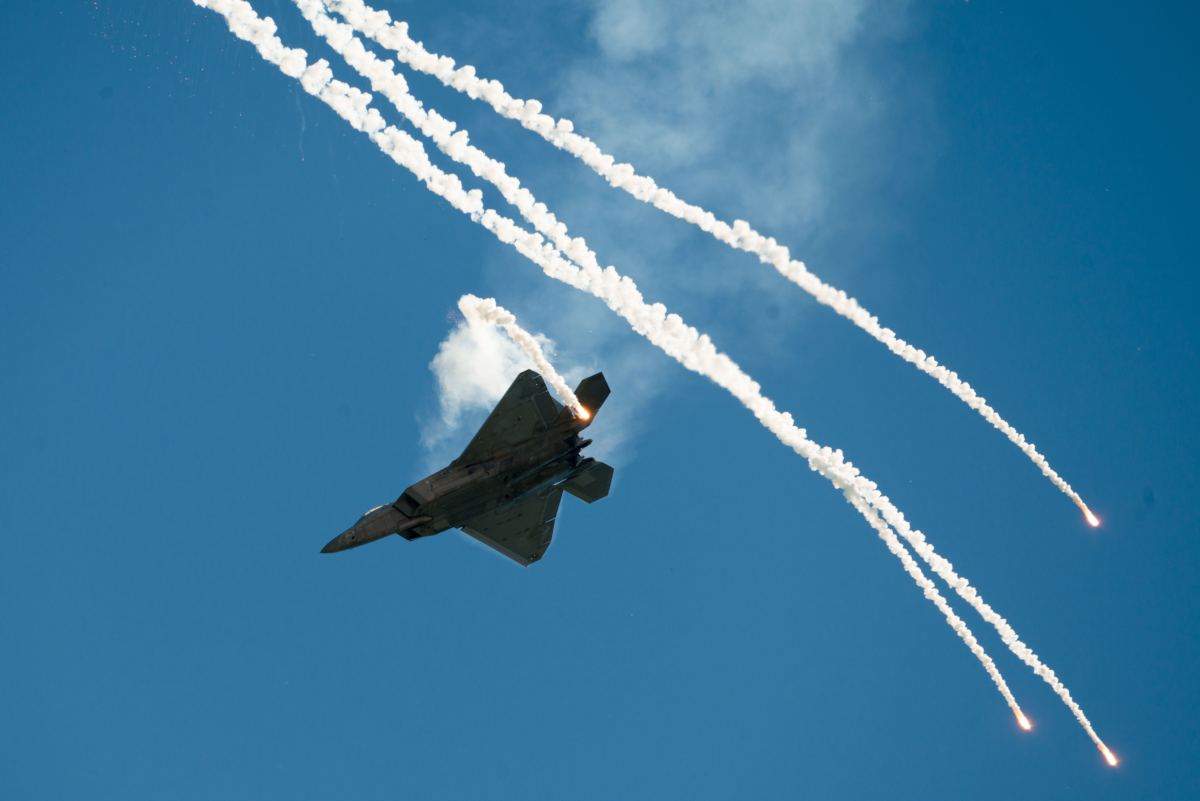
The operation followed reports of renewed Iranian activity in the Strait of Hormuz, where an attack on a commercial tanker forced crew members to abandon the vessel.
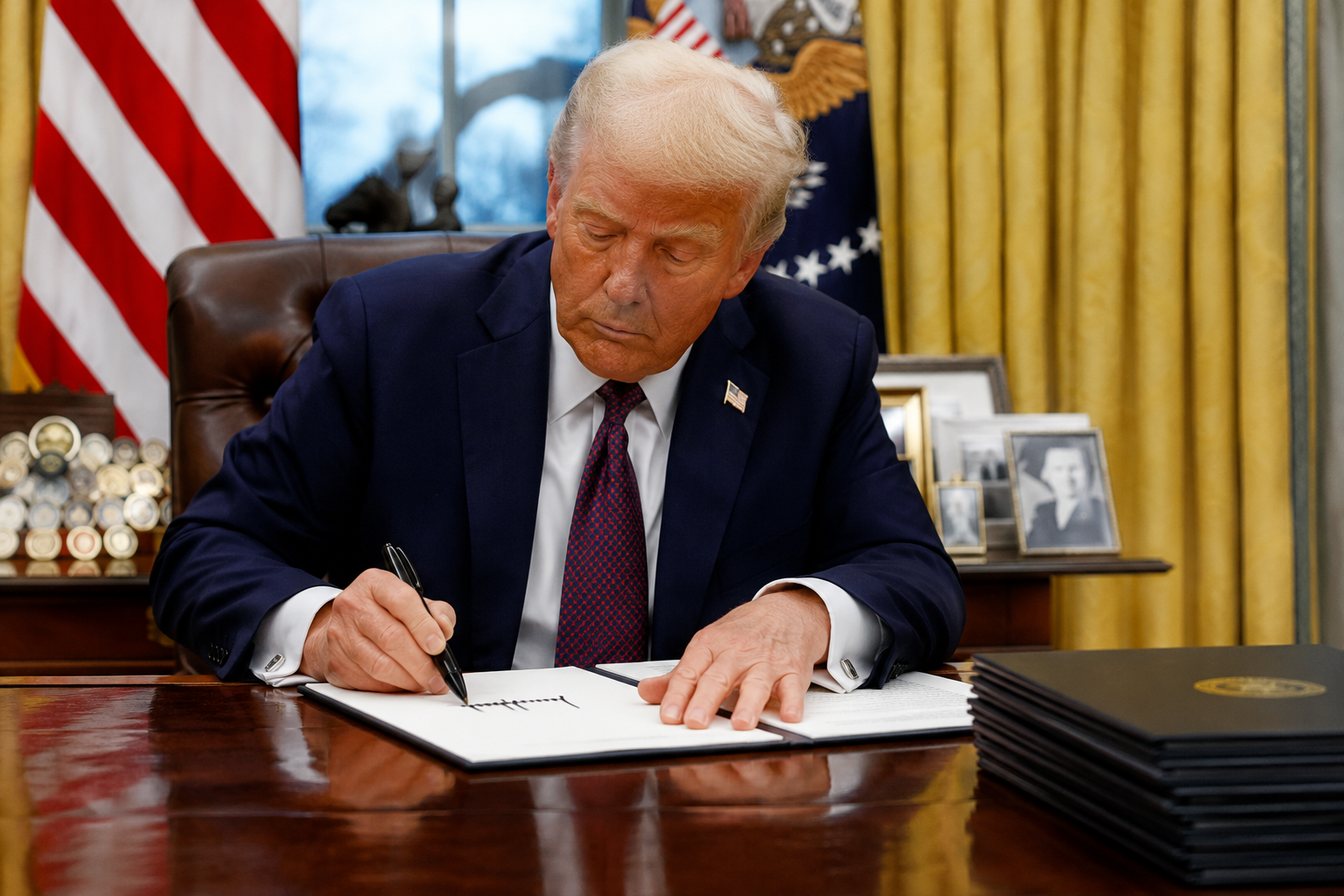
President Donald Trump has warned that any future attacks resulting in the deaths of American service members would be met with a significantly stronger U.S. response.
Strait of Hormuz Remains the Center of the Conflict
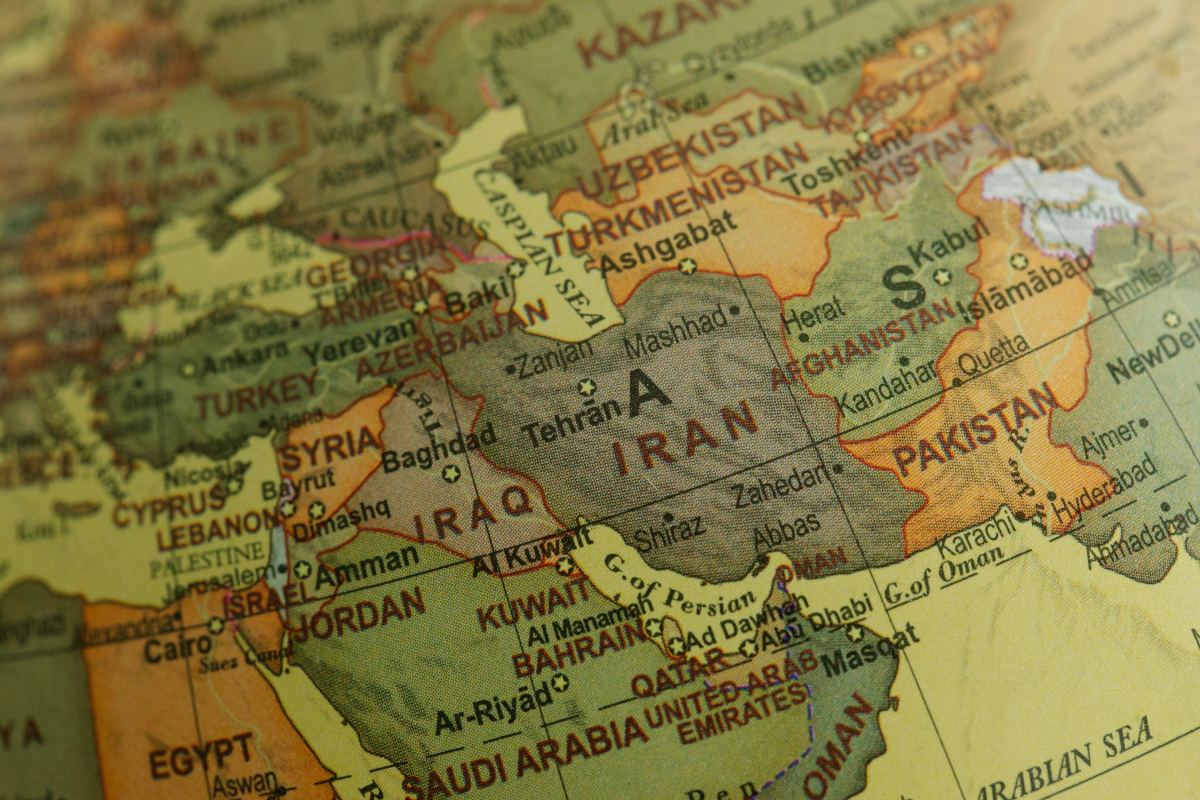
The Strait of Hormuz has become the primary flashpoint in the confrontation between Washington and Tehran.
Roughly one-fifth of the world's oil shipments normally pass through the narrow waterway, making it one of the most strategically important maritime routes for global energy markets.
Continued security incidents in the region have increased concerns about disruptions to international trade and energy supplies.
Washington Says Diplomacy Is Still an Option
Despite ongoing military operations, the Trump administration says diplomatic channels remain open.
Secretary of State Marco Rubio said the United States remains willing to negotiate if Iran demonstrates a commitment to reducing attacks on commercial shipping and regional security threats.
U.S. officials have indicated that military operations and diplomatic efforts are expected to continue simultaneously while Washington evaluates future developments.
Military Experts Question the Long-Term Effectiveness of Airstrikes
Defense and foreign policy experts caution that air power alone may have limited ability to achieve long-term strategic objectives.
Analysts note that Iran has spent years dispersing military assets, strengthening underground infrastructure, and adapting to previous military campaigns, making it increasingly difficult to eliminate threats through airstrikes alone.
Several experts argue that continued bombing without a broader political strategy may extend the conflict rather than resolve it.
Analysts Warn Both Sides Are Escalating Without a Clear Exit Strategy
Regional security specialists believe both governments are increasing military pressure in hopes of forcing concessions from the other side.
However, they warn that each new round of attacks reduces opportunities for diplomacy while increasing the risk of a broader regional conflict.
The combination of military retaliation and limited political progress has raised concerns that neither side currently has a clear path toward de-escalation.
Trust Deficit Continues to Complicate Negotiations
Although officials from both countries have signaled some openness to diplomatic discussions, decades of mistrust continue to complicate negotiations.
Foreign policy experts say rebuilding confidence between Washington and Tehran remains one of the largest obstacles to reaching any lasting agreement.
Without meaningful trust-building measures, even positive diplomatic signals could quickly be overshadowed by renewed military action.
Regional Developments Could Expand the Crisis
Security analysts are also monitoring developments beyond the Strait of Hormuz.
Any expansion of maritime disruptions elsewhere in the region could place additional pressure on global shipping networks and energy markets while increasing economic uncertainty worldwide.
The situation remains highly fluid as governments continue to monitor both military and diplomatic developments.
Why the Strait of Hormuz Matters
The Strait of Hormuz serves as one of the world's most important energy transportation corridors, connecting major oil-producing nations with international markets.
Any sustained disruption to shipping through the passage could affect fuel prices, international trade, and broader economic stability.
Because of its global significance, developments in the Strait continue to receive close attention from governments, energy companies, and financial markets.
FAQ
Why is the Strait of Hormuz important?
The Strait of Hormuz carries roughly one-fifth of the world's oil shipments, making it a critical route for global energy supplies.
Why did the United States launch new airstrikes?
U.S. officials say the strikes are intended to counter security threats, protect international shipping, and respond to recent attacks linked to Iran.
Is the United States still pursuing diplomacy?
Yes. U.S. officials have stated that diplomatic negotiations remain possible even as military operations continue.
Why do experts question the effectiveness of airstrikes?
Many analysts believe air power alone may not achieve lasting strategic goals because Iran has dispersed military assets and adapted its defensive capabilities over time.
Could the conflict affect the global economy?
Yes. Any prolonged disruption in the Strait of Hormuz could impact oil supplies, increase fuel prices, and create broader economic uncertainty.