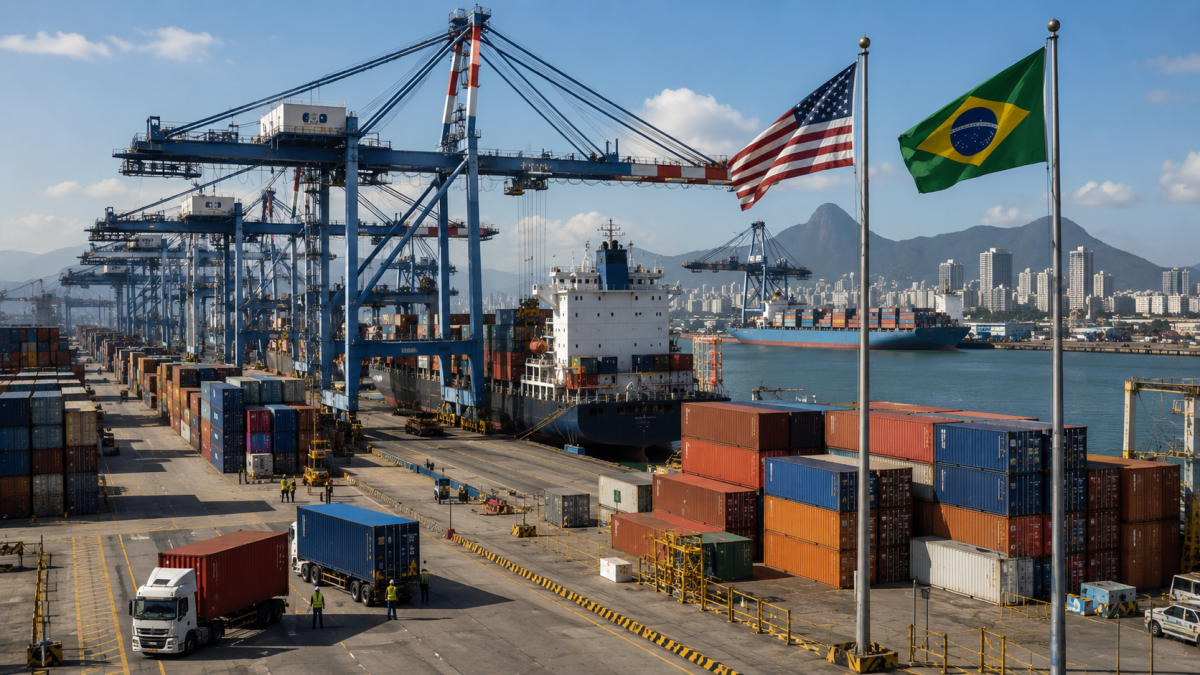
US Moves Ahead With New Tariffs on Brazilian Imports
The United States is set to introduce a new round of import duties on goods from Brazil, marking the first major action under its updated trade enforcement strategy. The measures are scheduled to take effect on July 22 and are expected to influence trade relations between the two countries while signalling a broader approach that could eventually extend to other trading partners.
Although thousands of Brazilian products will face higher import costs, Washington has excluded several key commodities and industrial goods from the latest tariff package.
New Trade Measures Target a Wide Range of Brazilian Goods
The latest tariff plan places a 25% duty on many products imported from Brazil, covering sectors such as manufactured goods, industrial equipment, paper products and selected agricultural exports.
The action follows a U.S. trade investigation that examined alleged unfair trade practices. Officials said negotiations over the past year did not resolve the issues identified during the review, prompting the administration to move forward with the tariff measures while leaving the door open for future discussions.

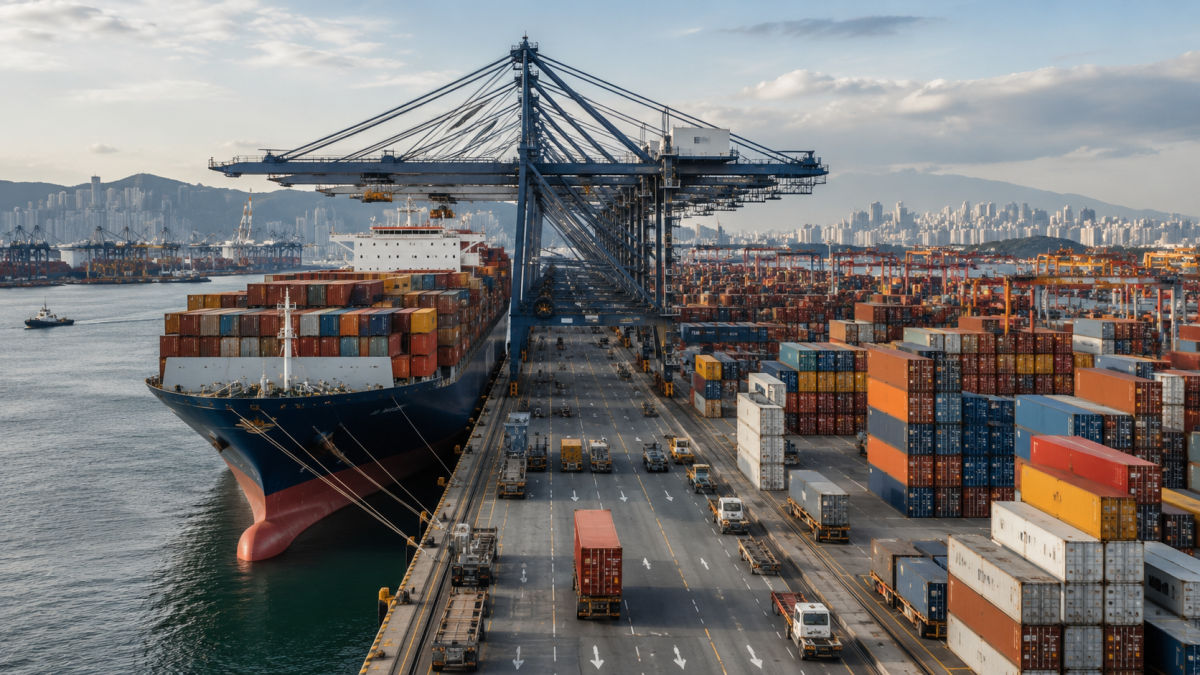
Which Products Are Exempt?
Not every Brazilian export will be affected by the new policy.
The exemption list includes several products considered strategically or economically important, such as coffee, beef, rare earth materials, energy products, aircraft and aircraft parts. Additional exemptions also cover products including organic honey and certain iron products.
These exclusions are expected to reduce the impact on industries that rely heavily on Brazilian supplies.
Brazil Rejects the US Decision
Brazilian officials have criticised the tariff announcement and indicated they intend to challenge the measures through international trade mechanisms.
The Brazilian government argues the decision lacks sufficient justification and has signalled plans to pursue available legal options under World Trade Organization procedures while responding under its domestic trade laws.
The announcement also highlights continuing tensions between Washington and Brasília over trade policy and broader economic relations.
More Tariffs Could Still Be Announced
The current 25% tariff may not be the final measure affecting Brazilian exports.
A separate U.S. trade investigation remains underway and is expected to conclude later this month. If additional duties are approved, some Brazilian goods could face an even higher overall tariff burden.
Businesses involved in cross-border trade will be closely monitoring the outcome because it could influence supply chains, export costs and future commercial decisions.
Why the Decision Matters Beyond Brazil
The latest announcement is viewed as an early step in a wider U.S. trade strategy.
Trade investigations involving several other economies are also underway, meaning additional tariff actions could emerge in the coming months. As a result, global businesses and investors are paying close attention to how the policy develops and whether negotiations can prevent further trade barriers.
The outcome may also shape future discussions on international trade rules and economic cooperation.
Conclusion
The new U.S. tariffs on Brazilian imports represent a significant development in global trade policy. While exemptions for products such as coffee, beef and aircraft parts soften the impact on certain industries, the broader dispute could affect trade flows and diplomatic relations if negotiations fail to produce a resolution. The coming weeks will be critical as additional trade investigations move toward completion.
FAQ
Why is the US imposing tariffs on Brazil?
The United States says the tariffs follow findings from a trade investigation into alleged unfair trade practices.
When do the new tariffs take effect?
The announced tariffs are scheduled to begin on July 22.
Which Brazilian products are exempt?
Exemptions include coffee, beef, rare earth materials, energy products, aircraft and aircraft parts, among others.
Could tariffs increase further?
Yes. A separate U.S. trade investigation could lead to additional duties on certain Brazilian imports.
How has Brazil responded?
Brazil has criticised the decision and said it plans to pursue legal options through international trade mechanisms.