US Continues Iran Air Campaign for 13th Straight Night as Regional Tensions Drive Oil Prices Higher
The United States launched airstrikes against Iranian military targets for the 13th consecutive night, intensifying an already volatile conflict that is expanding across the Middle East. As military operations continue, President Donald Trump warned that a much larger strike remains under consideration, while attacks on commercial shipping have fueled concerns over global energy supplies and pushed oil prices above $100 per barrel.
The latest developments come amid growing fears that the conflict could spread further across the Gulf region.
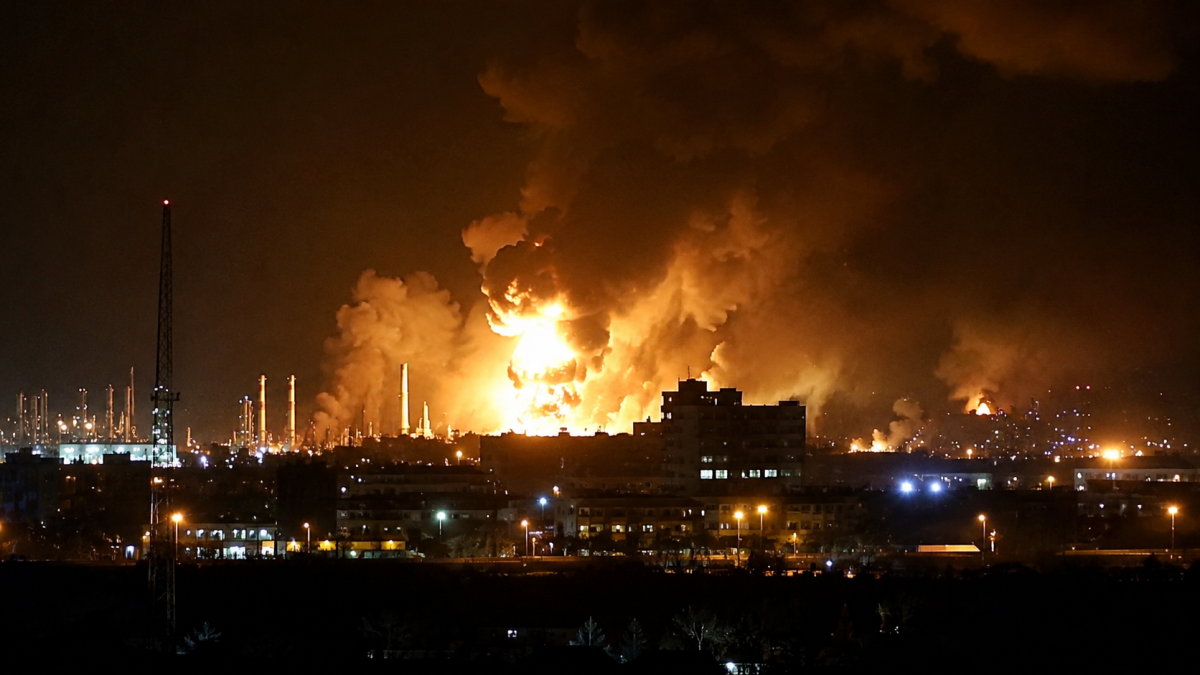
U.S. Targets Iranian Military Infrastructure
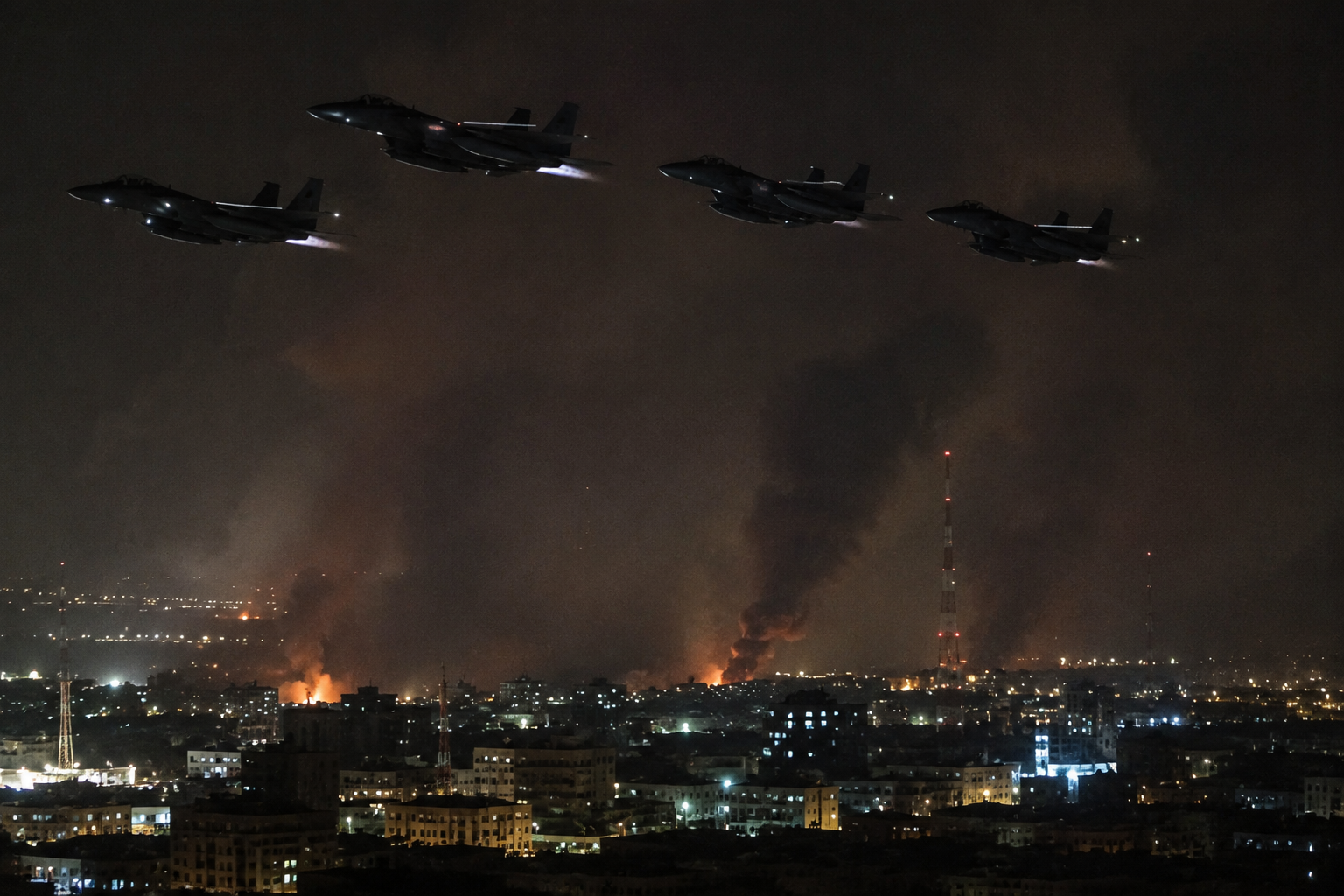
U.S. forces carried out another round of strikes Thursday evening, targeting facilities linked to Iran's military operations.
According to U.S. officials, the attacks focused on military command centers, drone infrastructure, communications systems, and other facilities believed to support Iran's ability to threaten commercial shipping in the Gulf.
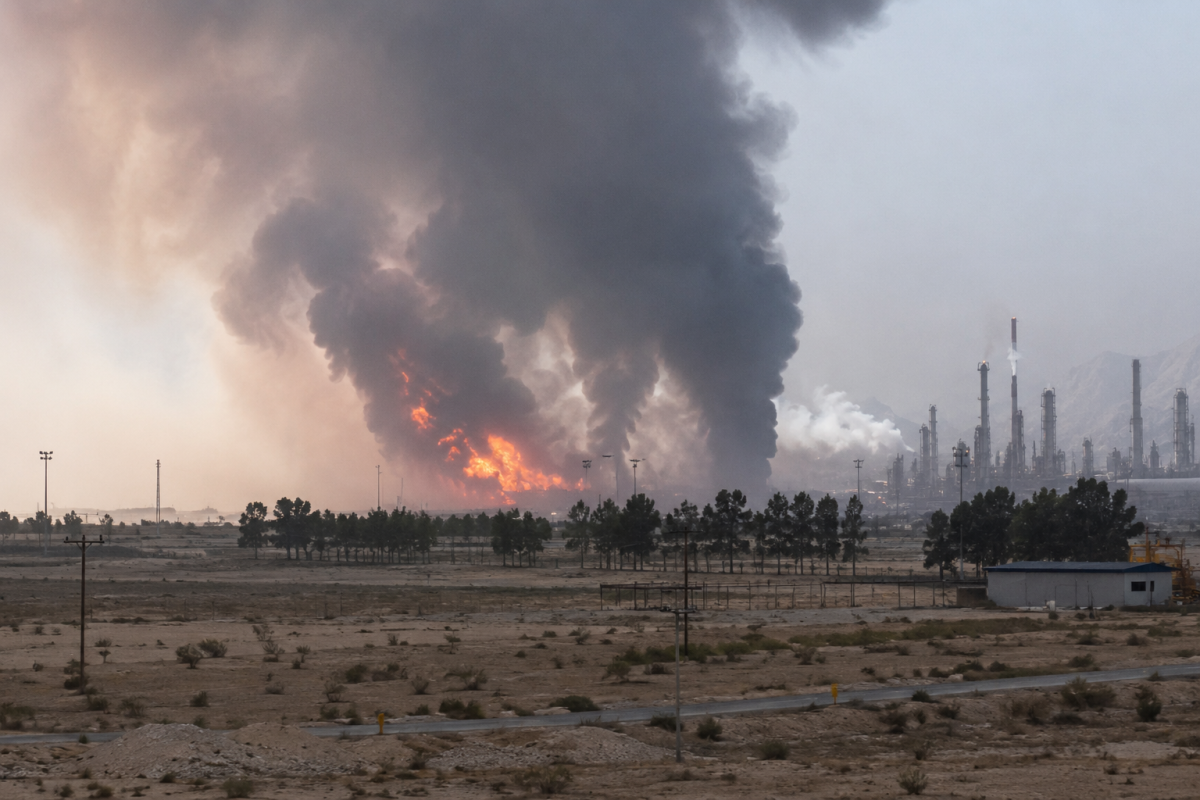
The operation marked the 13th consecutive night of U.S. military strikes against Iranian targets.
Trump Signals Possibility of Larger Military Action
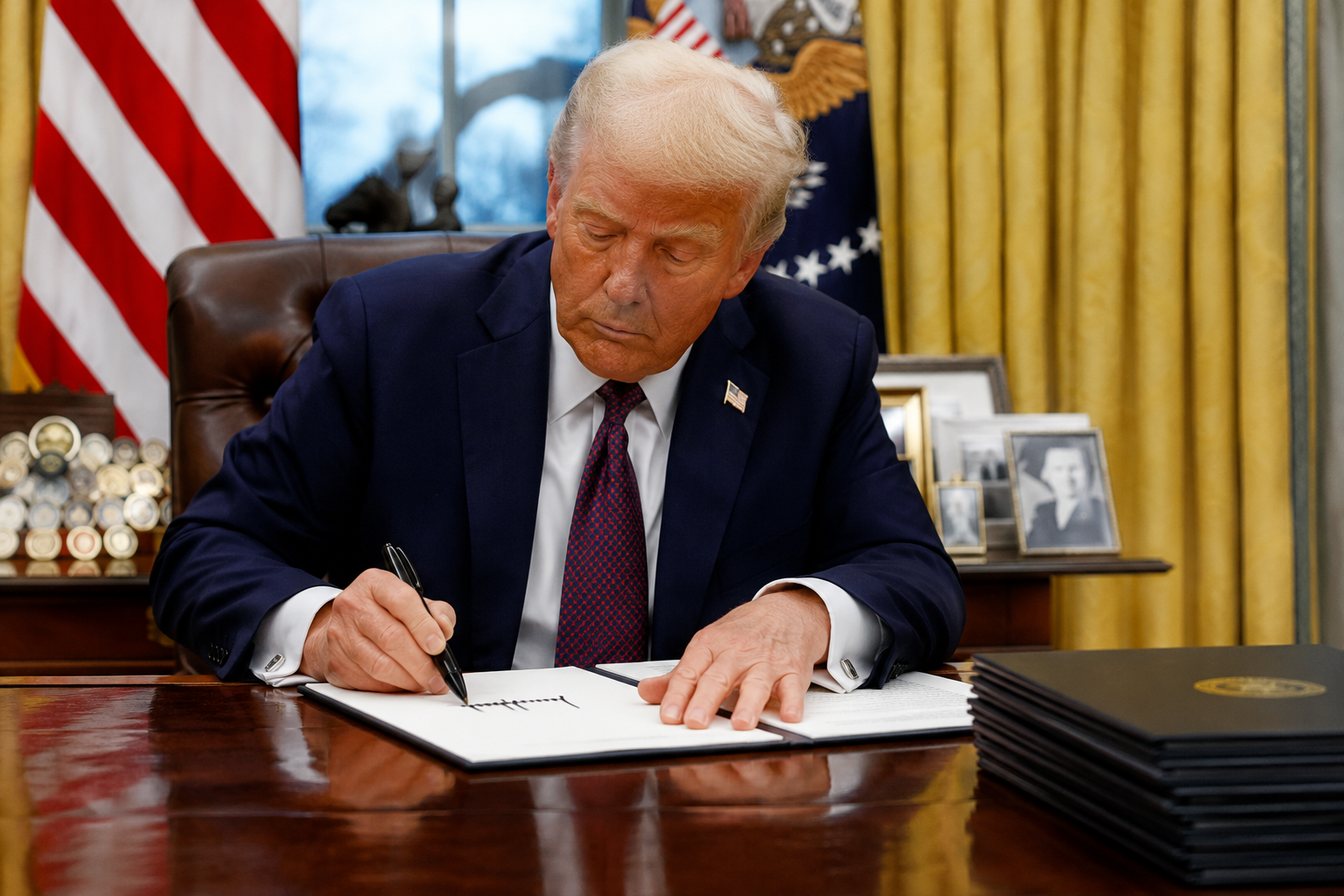
President Donald Trump said his administration is weighing a significantly larger military operation against Iran.
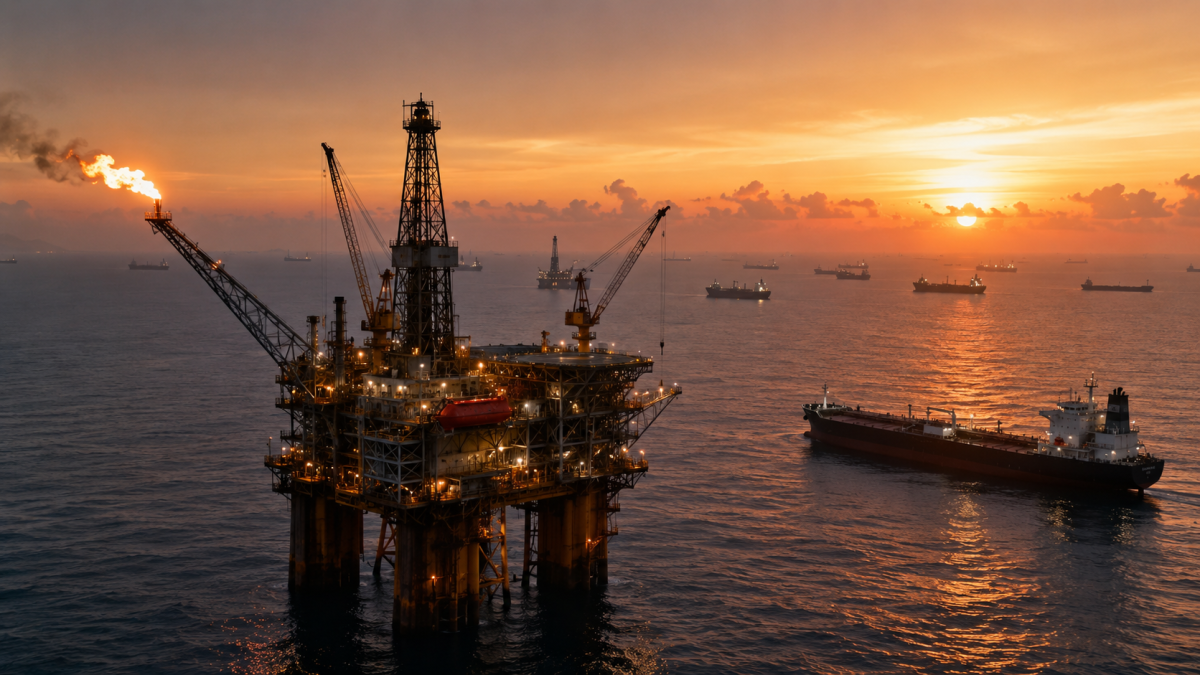
Speaking about the conflict, Trump said he was considering a "massive attack" that could be larger than previous operations and indicated that a final decision could come soon.
The president also dismissed the prospect of an immediate ceasefire, suggesting additional military pressure may be necessary before negotiations resume.
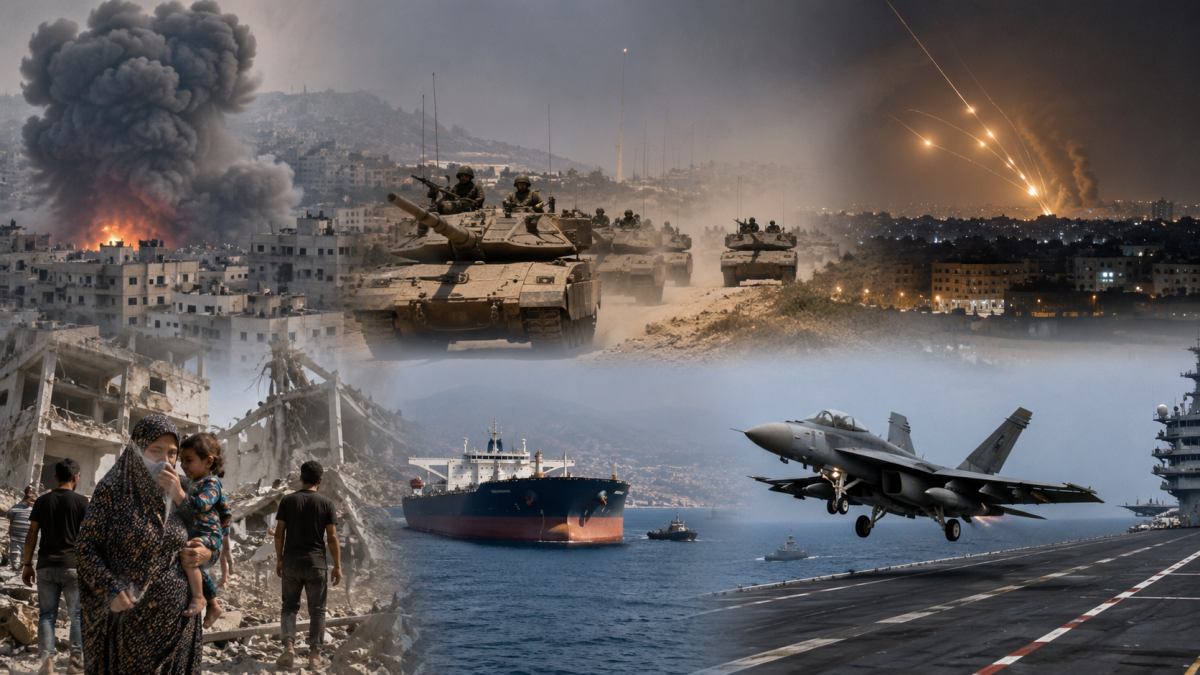
Iranian Missile and Drone Activity Expands Regional Tensions
Several countries across the Middle East reported heightened security concerns as the conflict widened.
Jordan, Bahrain, and Kuwait reported new missile and drone incidents linked to Iran, while Iranian media reported explosions in multiple cities, including areas near Khondab, Khorramabad, Konarak, Jask, and eastern Tehran.
Iranian authorities also reported military activity around strategic coastal areas as air defense systems responded to incoming threats.
Shipping Attacks Push Oil Above $100
Global energy markets reacted sharply after Yemen's Iran-backed Houthi movement claimed attacks on two Saudi oil tankers in the Red Sea.
The incidents increased concerns about disruptions to both the Red Sea and the Strait of Hormuz, two of the world's most critical energy shipping routes.
As a result, Brent crude oil briefly climbed above $100 per barrel, its highest level in months, before easing slightly in later trading.
Analysts said fears over supply disruptions and temporary production reductions elsewhere have contributed to the market's upward pressure.
Trump Proposes Using Frozen Iranian Assets
President Trump also said the United States could use frozen Iranian government assets to compensate owners of ships and cargo damaged during the conflict.
The proposal would apply to commercial losses resulting from attacks in regional waters.
Iran has strongly criticized the suggestion, arguing that confiscating sovereign assets would violate international norms and create uncertainty for countries holding reserves abroad.
Diplomatic Efforts Continue Despite Fighting
While military operations continue, diplomatic discussions have not completely stopped.
U.S. Secretary of State Marco Rubio said Iran appears interested in negotiations but has not committed to reaching a final agreement.
At the same time, ongoing military operations suggest neither side is prepared for an immediate de-escalation.
Conflict Extends Beyond Iran
The regional crisis has continued to affect multiple fronts.
Military activity has expanded across the Gulf, while violence has also continued in Gaza and maritime security concerns remain elevated in the Red Sea and the Strait of Hormuz.
Governments across the region continue monitoring developments as the risk of broader escalation remains high.
What's Next
The United States is expected to continue military operations while monitoring Iran's response. Markets will also closely watch developments affecting global shipping routes and oil supplies, as diplomatic efforts struggle to gain momentum amid continued fighting.
FAQ
How long has the U.S. been striking Iran?
The latest operation marked the 13th consecutive night of U.S. airstrikes against Iranian military targets.
What did President Trump say about future military action?
Trump said he is considering a "massive attack" against Iran and indicated that a final decision could be made soon.
Why have oil prices risen above $100 per barrel?
Oil prices increased after attacks on Saudi oil tankers and growing concerns over disruptions to shipping through the Red Sea and the Strait of Hormuz.
Which countries reported new regional attacks?
Jordan, Bahrain, and Kuwait reported missile or drone incidents as regional tensions continued to rise.
What targets did the U.S. strike?
According to U.S. officials, the strikes targeted military command centers, drone facilities, communications infrastructure, and other capabilities linked to Iranian military operations.
Is there any progress toward a ceasefire?
There is no immediate ceasefire agreement. U.S. officials say discussions remain possible, but military operations are continuing as both sides remain engaged in the conflict.