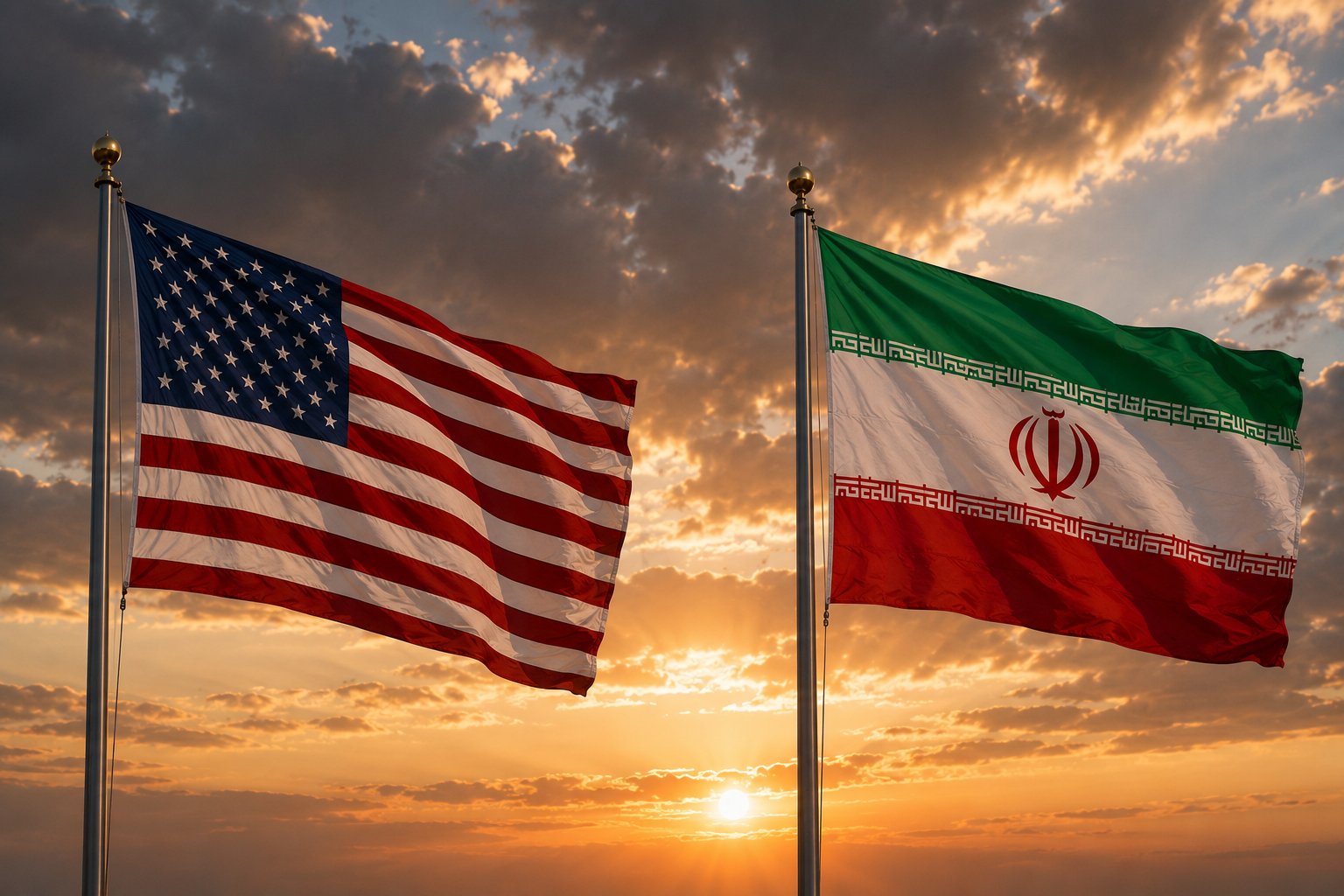
US and Iran Pause Attacks as Diplomatic Efforts to Ease Tensions Continue
The United States and Iran refrained from launching military attacks for a second consecutive day, offering a brief pause after nearly two weeks of escalating conflict in the Middle East. While the lull has raised hopes for renewed diplomacy, negotiations remain fragile as both sides continue to disagree over key issues, including Iran's nuclear program and maritime security in the Strait of Hormuz.
Mediators are working to preserve an interim ceasefire agreement signed in June, even as recent military exchanges have strained efforts to reach a broader settlement.
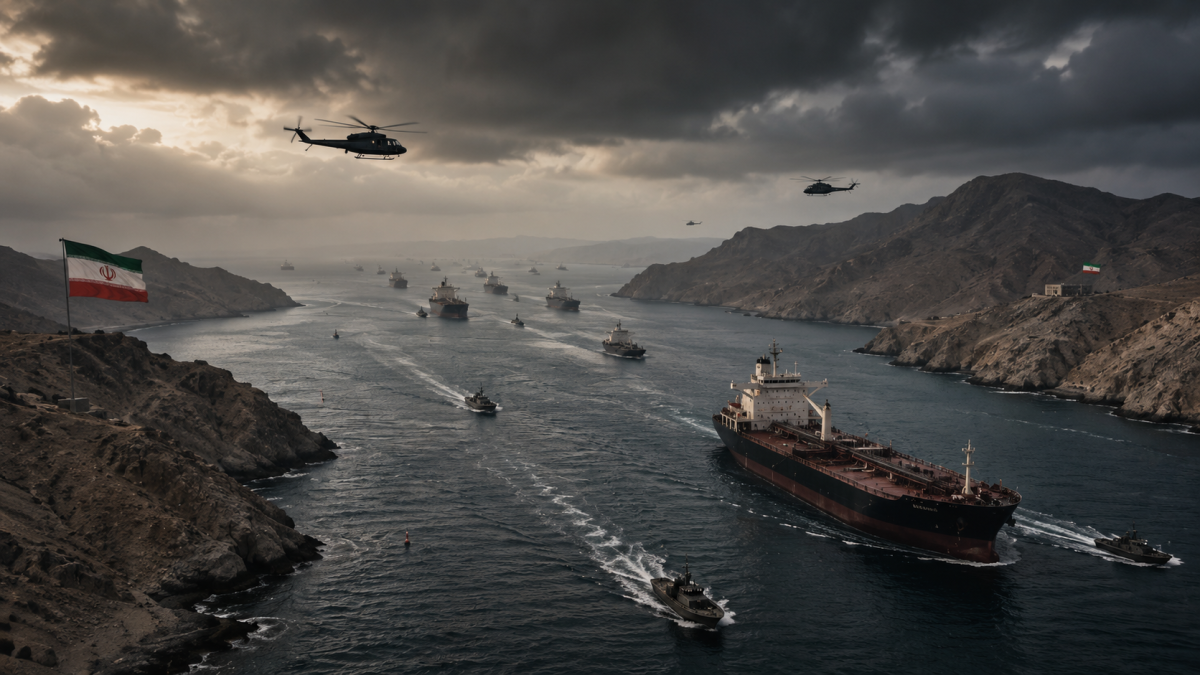
Military Operations Pause Amid Diplomatic Push
The latest pause follows days of military strikes that heightened tensions across the region.
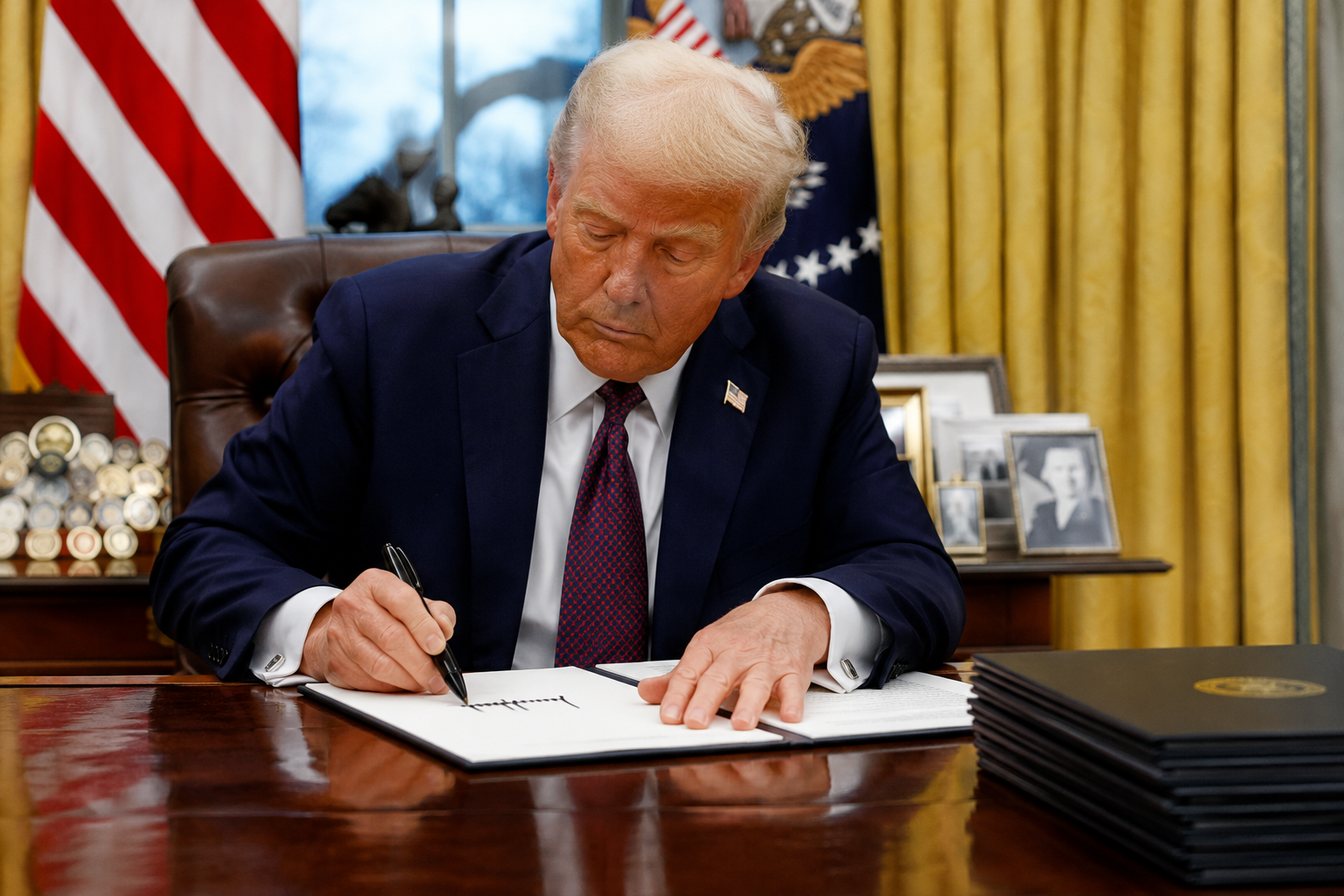
U.S. Ambassador to the United Nations Mike Waltz said President Donald Trump was allowing diplomatic efforts time to progress, noting that negotiators from Oman, Iran, and other parties have remained engaged at multiple levels in recent weeks.
Iran's military also confirmed it had not carried out attacks during the same period, matching the halt in U.S. operations.
Negotiators Focus on Interim Ceasefire
Regional mediators described the temporary pause as a positive development that could help revive negotiations.
According to officials involved in the talks, discussions remain centered on preserving the interim ceasefire while seeking compromises on shipping through the Strait of Hormuz.
Although the ceasefire framework remains in place, major issues—including Iran's nuclear program—have yet to be resolved.
Shipping Through Strait of Hormuz Remains Under Pressure
Despite the reduction in military activity, concerns continue over commercial shipping in the Strait of Hormuz, one of the world's most important energy transit routes.
A U.S. Navy-linked maritime organization reported that commercial traffic through the strait had fallen to its lowest level in three weeks, although no new attacks on vessels had been confirmed during the previous 72 hours.
Iran also said it continued discussions with Oman on managing the safe passage of ships through the strategic waterway.
Regional Tensions Continue Beyond Iran
Security concerns remain high across the Middle East.
Iran-backed Houthi rebels in Yemen have threatened shipping in the Bab el-Mandeb Strait, another key maritime route connecting the Red Sea to global trade.
Meanwhile, Israel continues to monitor developments closely. Prime Minister Benjamin Netanyahu is scheduled to meet President Trump in Washington this week to discuss Iran and broader regional security issues.
Netanyahu said he supports diplomatic efforts aimed at limiting Iran's nuclear program but warned that any future attacks against Israel would trigger a strong response.
Energy Markets Watching Closely
The conflict has disrupted shipping routes and contributed to higher oil prices in recent weeks, raising concerns about global energy supplies and inflation.
Although the current pause in military activity has eased immediate fears of further disruptions, uncertainty remains as negotiations continue and shipping traffic has yet to return to normal levels.
What's Next
Diplomatic efforts are expected to continue in the coming days as mediators work to prevent a renewed escalation between the United States and Iran. Investors, energy markets, and regional governments will closely watch whether the current pause develops into a more durable ceasefire or gives way to another round of military action.
FAQ
Why have the U.S. and Iran paused attacks?
Both countries halted military operations for a second consecutive day while mediators continue efforts to preserve an interim ceasefire agreement and encourage further negotiations.
What is the main focus of the negotiations?
Talks are centered on maintaining the interim ceasefire, improving security for shipping through the Strait of Hormuz, and preventing further regional escalation.
Why is the Strait of Hormuz important?
The waterway is one of the world's busiest oil transit routes, making its security critical for global energy supplies and international trade.
Has a permanent ceasefire been reached?
No. The current pause is temporary, and negotiators are still working to resolve major issues, including Iran's nuclear program and maritime security.
What role is Israel playing?
Israeli Prime Minister Benjamin Netanyahu is expected to meet with President Trump to discuss Iran, regional security, and ongoing diplomatic efforts.