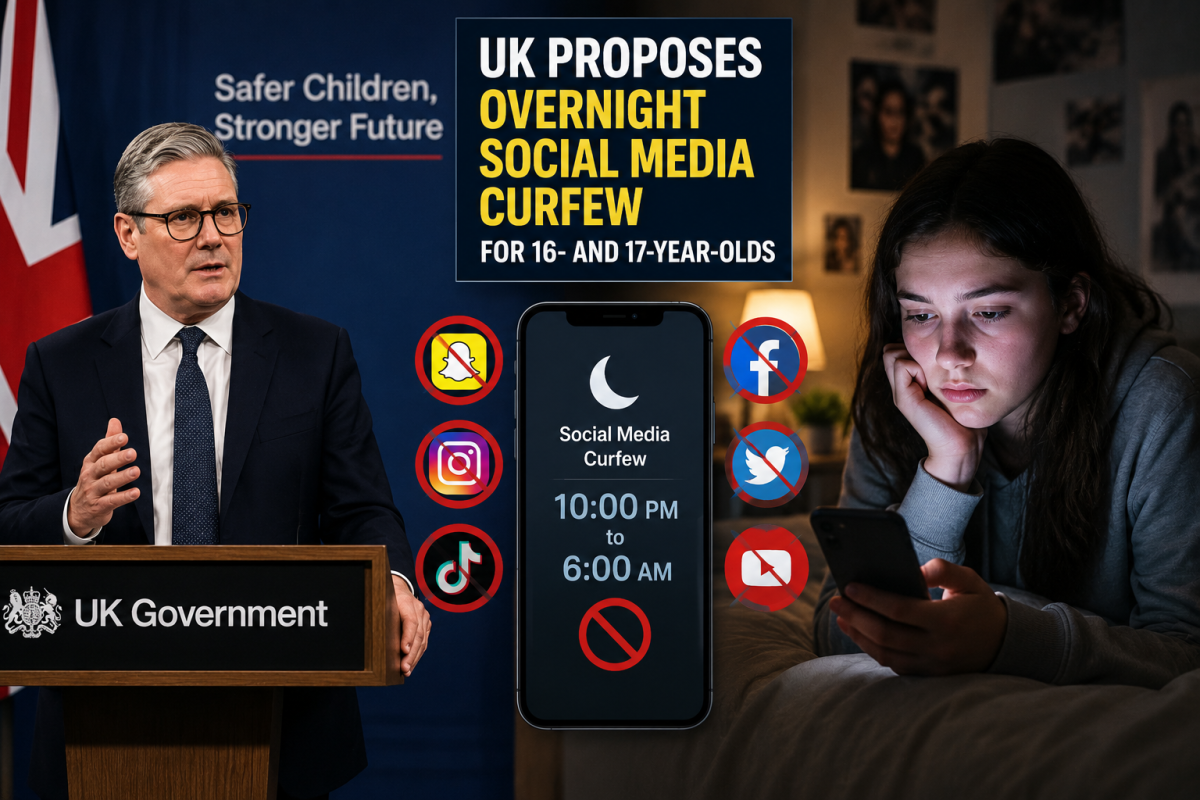
UK Proposes Overnight Social Media Curfew for 16- and 17-Year-Olds
The UK government has unveiled plans to introduce a default overnight social media curfew for 16- and 17-year-olds, part of a broader effort to reduce excessive screen time and improve teenagers' sleep, mental well-being and online safety.
Under the proposal, popular platforms including Instagram, TikTok and YouTube would automatically become unavailable between midnight and 6 a.m. for users in that age group. Teenagers would still be able to disable the restriction by changing their account settings.
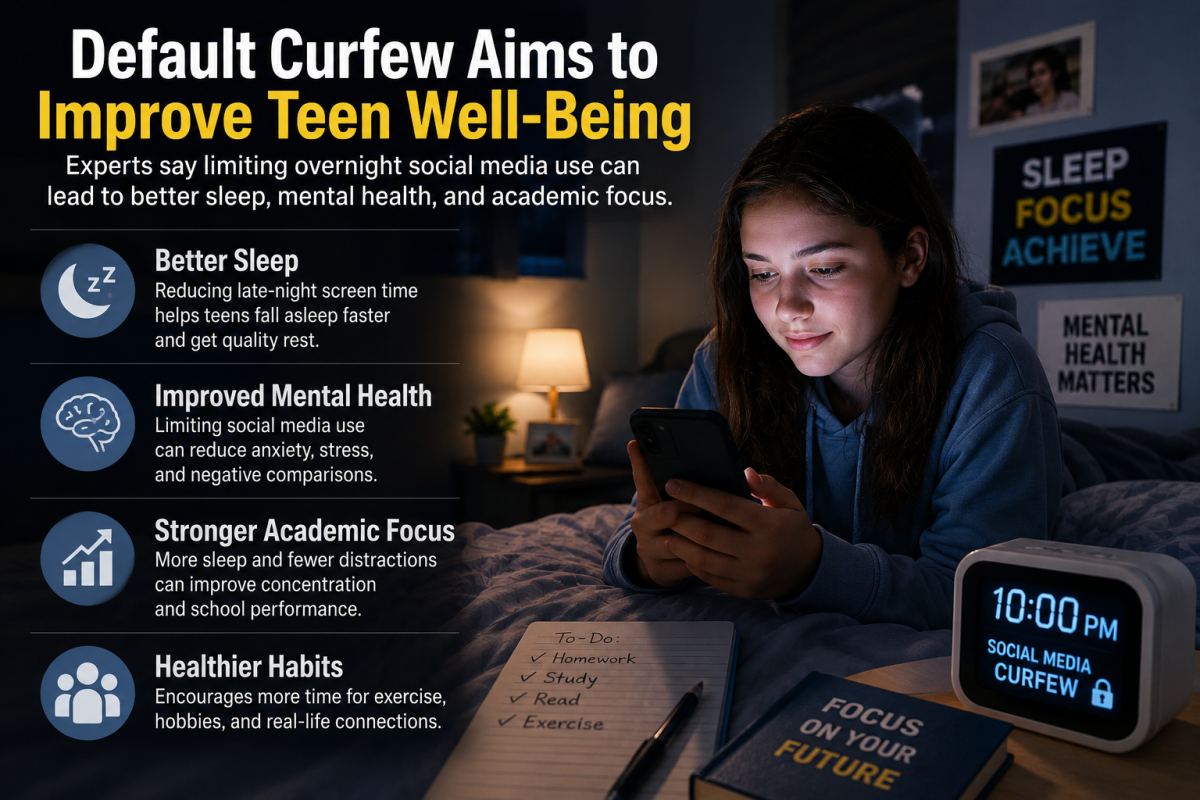
Default Curfew Aims to Improve Teen Well-Being
The proposed curfew is designed to limit late-night social media use, which the government says can negatively affect sleep, concentration and family life.
Alongside the overnight restriction, platforms would also be required to turn off features such as autoplay and infinite scrolling by default for 16- and 17-year-old users.

Officials argue that reducing these engagement-driven features could help young people develop healthier digital habits.
Proposal Builds on Under-16 Social Media Ban
The announcement follows the government's earlier decision to ban under-16s from using several major social media platforms beginning next year.
If approved, the new curfew for older teenagers would complement that policy and is expected to take effect alongside the broader online safety measures.
The government plans to present the legislation to Parliament before the end of 2026.
Critics Say Teens Can Easily Bypass the Restriction
Child safety campaigners welcomed stronger protections but questioned whether an optional curfew would be effective.
Ellen Roome, whose son died after participating in an alleged online challenge, argued that allowing teenagers to switch off the restriction weakens its impact.

Opposition politicians also criticized the proposal, saying that a curfew that users can disable is unlikely to reduce late-night social media use meaningfully.
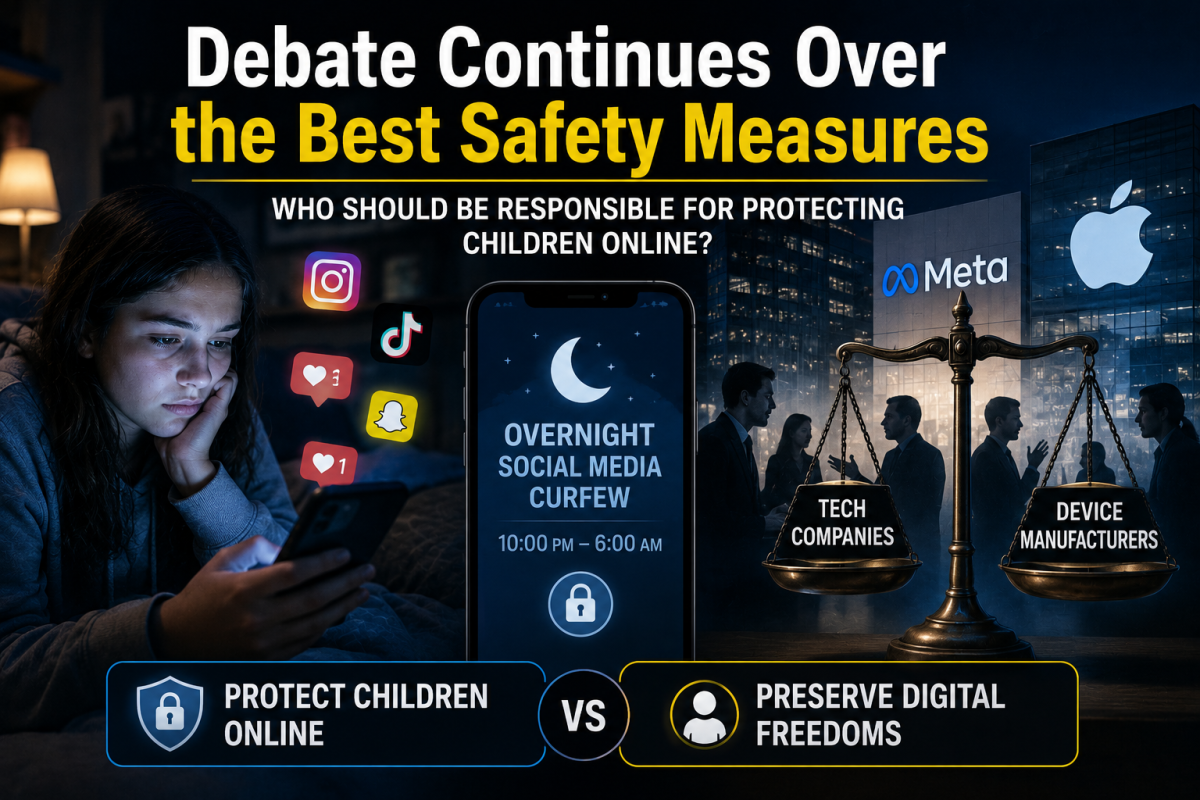
Debate Continues Over the Best Safety Measures
The proposal has renewed discussion over whether responsibility for protecting children online should rest primarily with technology companies or device manufacturers.

Meta has previously supported device-level age verification, while Apple recently introduced age-verification tools in newer versions of its iPhone and iPad operating systems.
Some digital rights advocates argue that technology companies should redesign products to reduce addictive features rather than relying on restrictions placed on young users.
Experts Warn Against One-Size-Fits-All Rules
Researchers and child welfare organizations offered mixed reactions to the proposed curfew.
Some experts support limiting push notifications and endless scrolling during overnight hours, but caution that completely restricting social media access could prevent vulnerable teenagers from reaching trusted friends, family members or support services when they need help.
Others say meaningful online safety will require a broader strategy that includes stronger platform accountability, improved parental tools, and more effective regulation of recommendation algorithms.
AI Chatbots and Online Safety Also Under Review
In addition to the curfew proposal, the government plans to introduce new safeguards for AI chatbots used by children.
The measures would require providers to build in regular breaks and other protections for users under 18 as part of wider online safety reforms.
VPN Restrictions Not Included
The government confirmed it does not currently plan to restrict the use of virtual private networks (VPNs), despite concerns they could be used to bypass age-based protections.
Officials said VPNs have legitimate uses, including protecting privacy and supporting journalists, activists and vulnerable communities, while current evidence suggests relatively few children use them to evade online age checks.
If approved by Parliament, the combined package of online safety reforms would represent one of the UK's most significant efforts to regulate young people's access to social media and digital platforms.