U.S. and Saudi Arabia Reach Landmark Civil Nuclear Energy Agreement
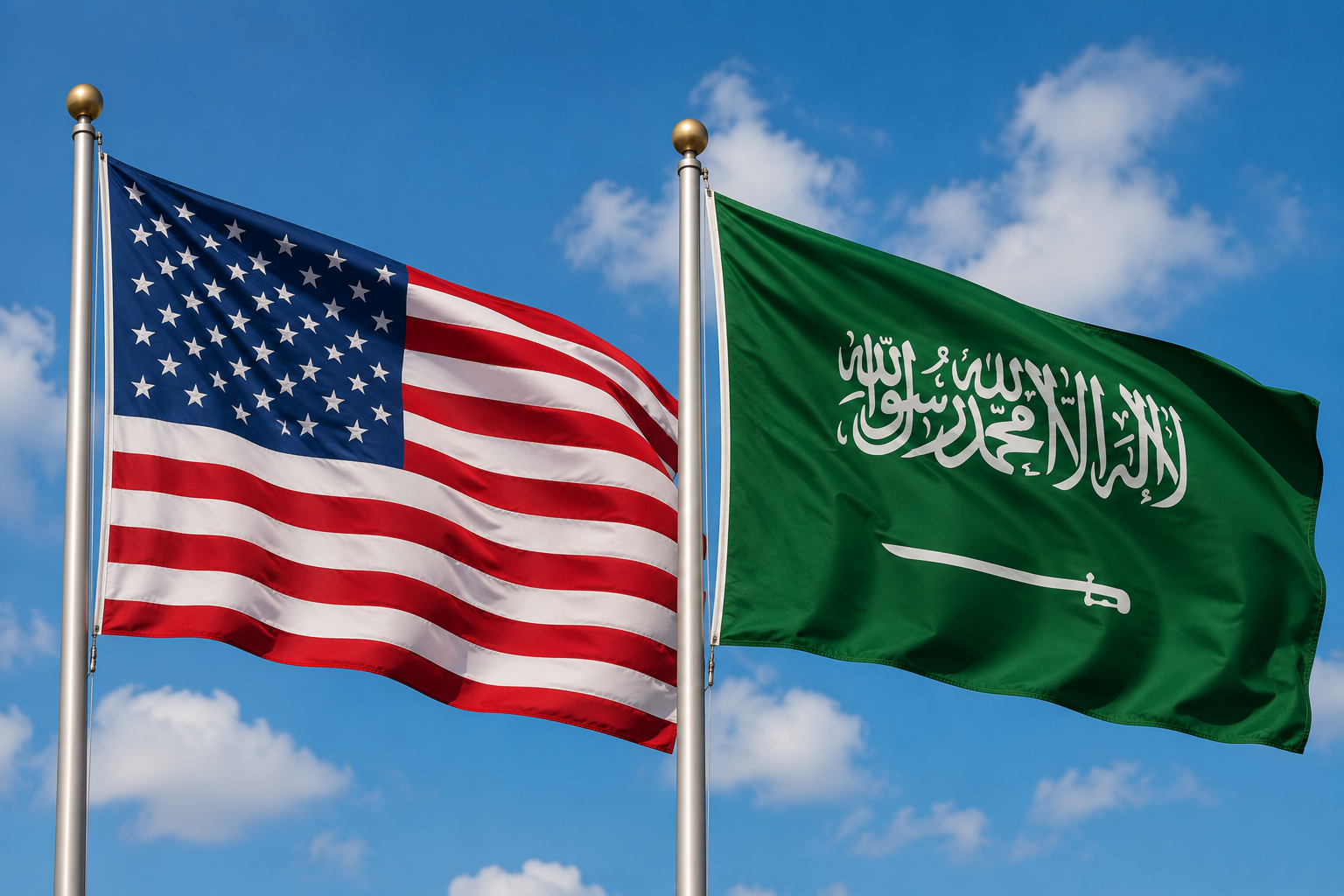
The United States and Saudi Arabia have signed a landmark civil nuclear cooperation agreement that could reshape energy ties between the two countries while sparking debate over nuclear nonproliferation. The pact would allow Saudi Arabia to develop nuclear power using U.S. technology, including the ability to enrich uranium, though it must still clear congressional review before taking effect.
U.S. and Saudi Arabia Finalize Nuclear Cooperation Deal
The U.S. Department of Energy announced that Washington and Riyadh have reached a long-awaited civil nuclear agreement, commonly known as a 123 Agreement, establishing a framework for future nuclear energy cooperation.
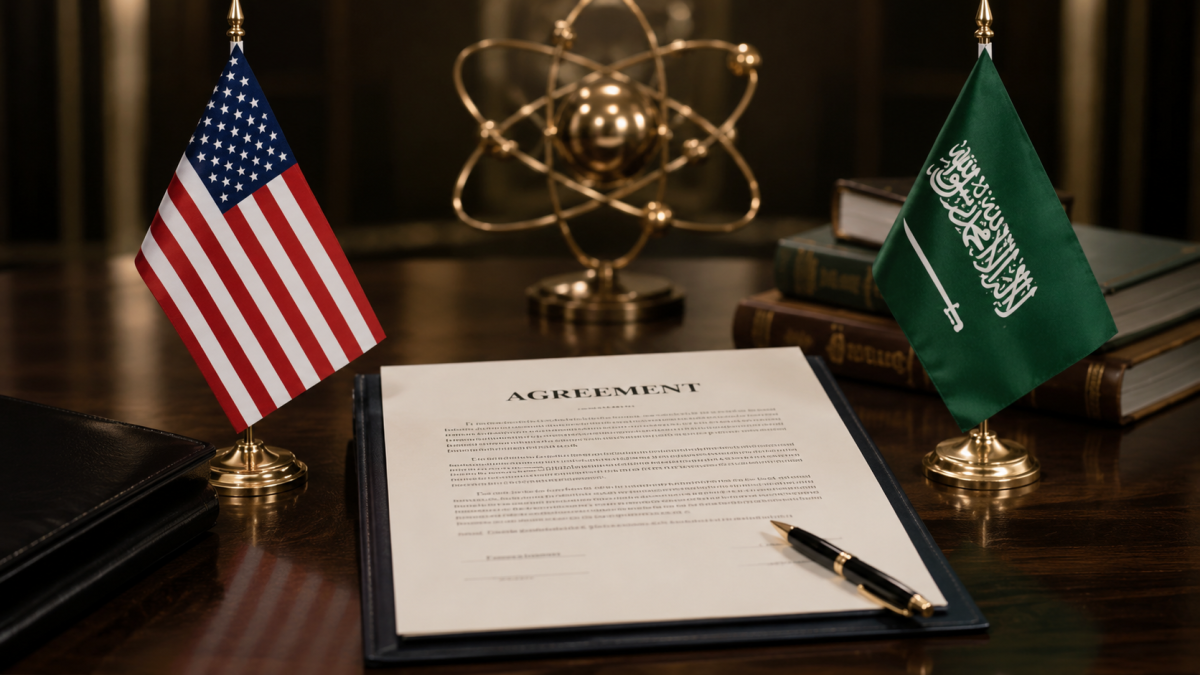
The agreement was signed by U.S. Energy Secretary Chris Wright and Saudi Energy Minister Prince Abdulaziz bin Salman, marking a major step in strengthening bilateral energy relations.
Saudi Arabia to Build Nuclear Reactors Using U.S. Technology
Under the agreement, Saudi Arabia will be able to pursue the development of civilian nuclear power plants using American technology.
The deal is expected to support the construction of AP1000 nuclear reactors, a project that could be worth tens of billions of dollars over the coming decades.
Officials say the partnership is intended to help Saudi Arabia diversify its energy sources while supporting its long-term economic development goals.
Uranium Enrichment Provision Draws Attention
One of the most closely watched aspects of the agreement is that it allows Saudi Arabia to enrich uranium and reprocess spent nuclear fuel.
Those capabilities are commonly used in civilian nuclear energy programs but can also raise proliferation concerns because they could potentially be adapted for military purposes.
Unlike a similar agreement signed with the United Arab Emirates in 2009, Saudi Arabia is not required to permanently forgo those activities under this pact.
Agreement Omits Additional IAEA Inspection Protocol
The deal does not include the International Atomic Energy Agency's (IAEA) Additional Protocol, which allows inspectors to conduct more extensive and short-notice inspections of nuclear facilities.
While the U.S. administration says the agreement still complies with the nonproliferation requirements of the U.S. Atomic Energy Act, some arms control experts argue that the absence of the additional inspection framework could reduce transparency.
Congressional Review Required
Before the agreement can enter into force, it must undergo review by the U.S. Congress.
Lawmakers will have 90 legislative session days to examine the pact and determine whether to object.
If Congress does not block the agreement during that period, it will automatically take effect under U.S. law.
Supporters See Strategic and Economic Benefits
Supporters argue that the agreement strengthens the long-standing strategic partnership between Washington and Riyadh while allowing the United States to remain Saudi Arabia's preferred nuclear technology partner.
Officials have also noted that, without a U.S. agreement, Saudi Arabia could seek similar partnerships with countries such as China or Russia, which operate under different nuclear cooperation standards.
Critics Warn of Proliferation Risks
Nonproliferation advocates and several lawmakers have expressed concern that permitting uranium enrichment could increase the risk of nuclear weapons development in the future.
Some experts also warn that expanding nuclear capabilities in the region could contribute to greater geopolitical tensions if neighboring countries pursue similar programs.
The debate is expected to continue as Congress reviews the agreement.
What Happens Next?
If Congress allows the agreement to proceed, both countries will move forward with feasibility studies, regulatory planning, and future reactor development.
Because nuclear power projects require extensive planning, licensing, and construction, any commercial reactors developed under the agreement are expected to take several years before becoming operational.
FAQ
What is the U.S.-Saudi nuclear agreement?
It is a civil nuclear cooperation agreement, known as a 123 Agreement, that allows the United States and Saudi Arabia to collaborate on peaceful nuclear energy development.
Can Saudi Arabia enrich uranium under the deal?
Yes. The agreement allows Saudi Arabia to enrich uranium and reprocess spent nuclear fuel, subject to the terms of the agreement.
Does the deal still need approval?
Yes. The agreement must undergo 90 legislative session days of congressional review before it can take effect.
Why is the agreement controversial?
Critics argue that allowing uranium enrichment and omitting the IAEA Additional Protocol could increase nuclear proliferation risks, while supporters say the agreement strengthens strategic ties and keeps Saudi Arabia aligned with U.S. nuclear standards.
Which companies could benefit?
The agreement could support future construction of AP1000 nuclear reactors, potentially benefiting companies involved in reactor technology and nuclear infrastructure if projects move forward.