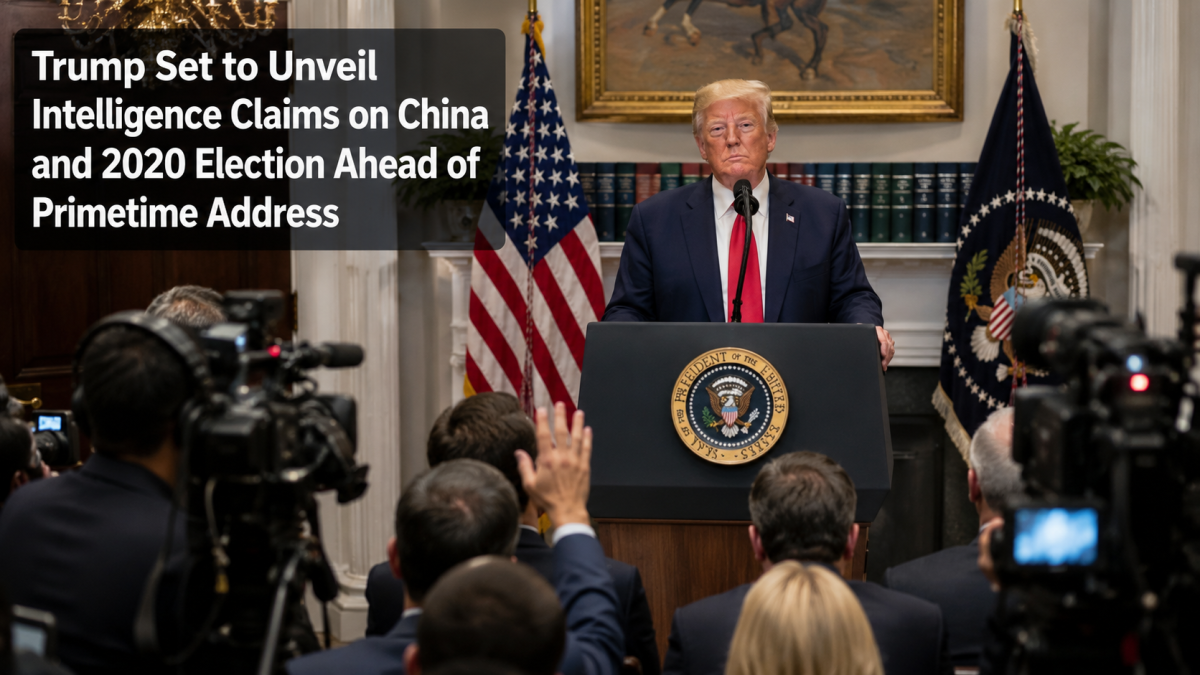
Trump Set to Unveil Intelligence Claims on China and 2020 Election Ahead of Primetime Address
President Donald Trump is expected to use a nationally televised address to present newly declassified intelligence related to China and the 2020 U.S. election, renewing his long-standing focus on election security while drawing immediate political criticism from Democrats and a swift denial from Beijing. The expected disclosures center on voter registration data and election vulnerabilities rather than allegations that votes were altered or voting machines were hacked.
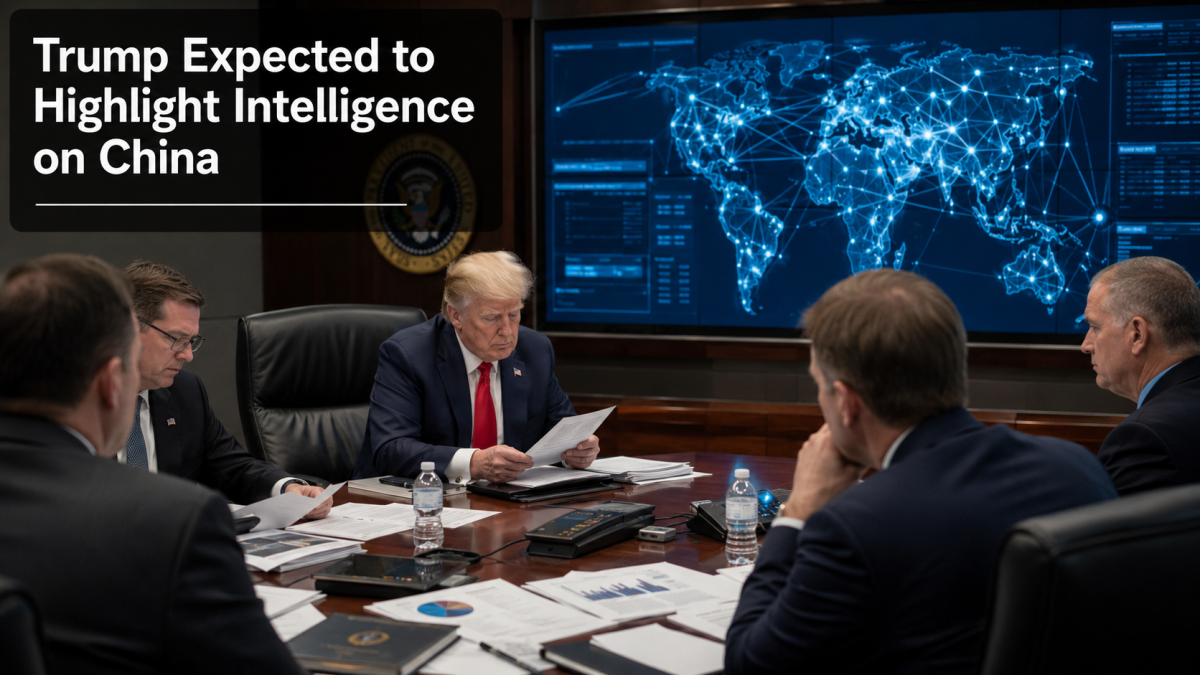
Trump Expected to Highlight Intelligence on China
Ahead of the president's primetime speech, officials said Trump plans to discuss intelligence that he argues raises concerns about China's access to U.S. voter registration data.
According to the information expected to be presented, approximately 220 million voter registration records were allegedly compromised between 2020 and 2023. The records reportedly included publicly available information such as voter names, addresses, voting history, party affiliation, military status and phone numbers.
Officials indicated the presentation is not expected to include claims that votes were changed or voting machines were hacked during the 2020 presidential election.
Public Voter Data at the Center of the Discussion
Election records in many U.S. states are publicly available or may be purchased under state law, making voter registration databases accessible for research, political campaigns and other authorized purposes.
Previously declassified intelligence found that China obtained voter registration information from multiple states for the purpose of analyzing public opinion surrounding the 2020 election. The available intelligence did not conclude that the data was used to alter election systems or voting outcomes.

Additional Election Security Issues Expected
Trump is also expected to discuss several election-related topics, including alleged vulnerabilities in voting machines, concerns over non-citizen voter registration, an unprosecuted voter registration case in Michigan and recommendations for software security updates ahead of the 2026 midterm elections.
The president is also expected to argue that federal agencies did not adequately share information regarding certain election security concerns.
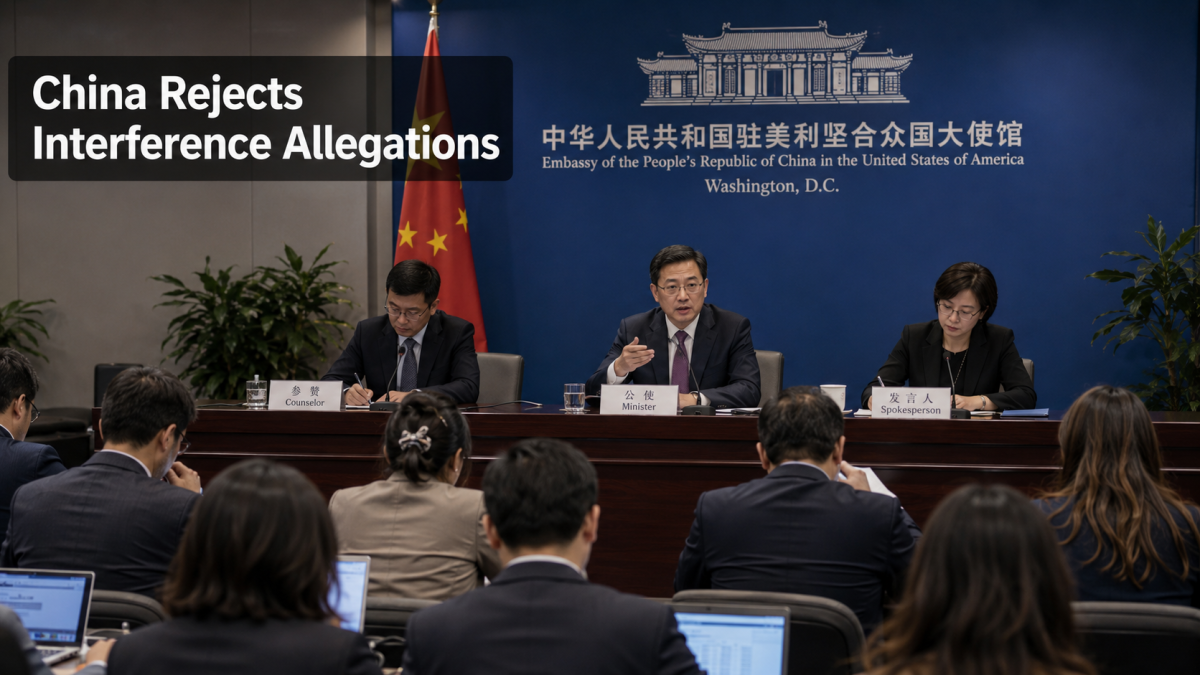
China Rejects Interference Allegations
Before Trump's address, the Chinese Embassy in Washington rejected any suggestion that Beijing interfered in U.S. elections.
In a public statement, embassy officials said China follows a policy of non-interference in other countries' domestic affairs and maintained that U.S. elections are determined solely by American voters.
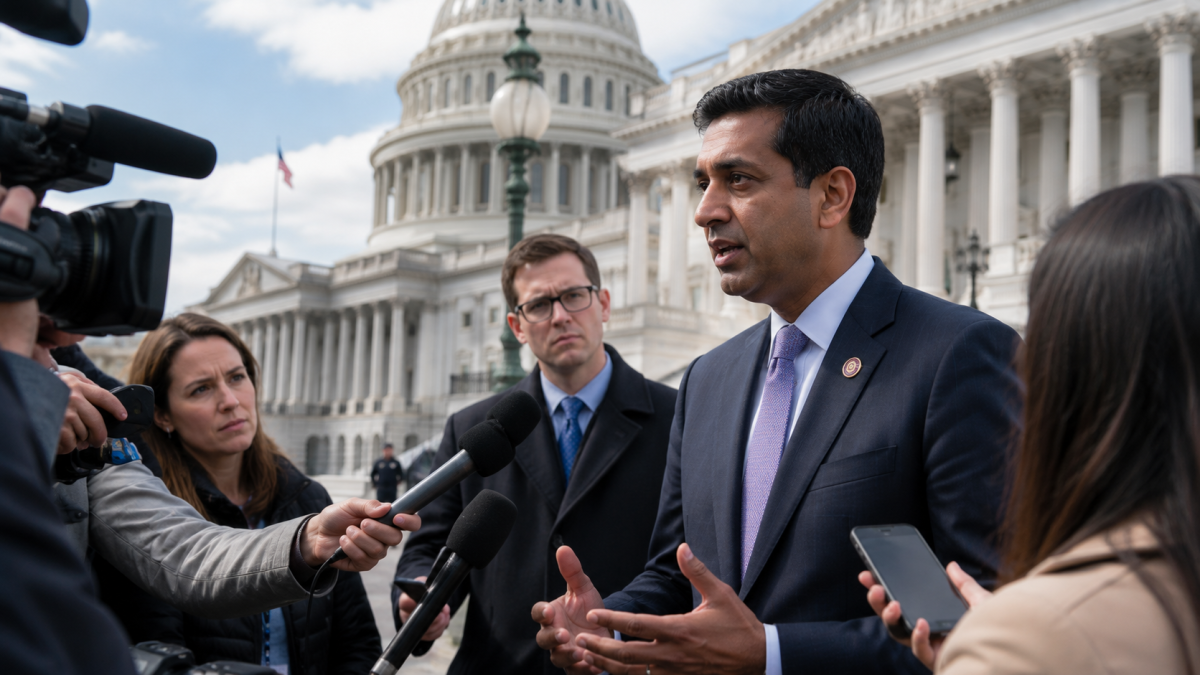
Democrats Question Timing and Transparency
Representative Ro Khanna, the ranking Democrat on the House Select Committee on China, criticized the administration ahead of the speech, saying committee leaders had not received any official briefing regarding the expected intelligence release.
Khanna questioned whether the announcement could undermine confidence in U.S. democratic institutions and argued that congressional oversight should include advance notification of significant intelligence developments involving China.
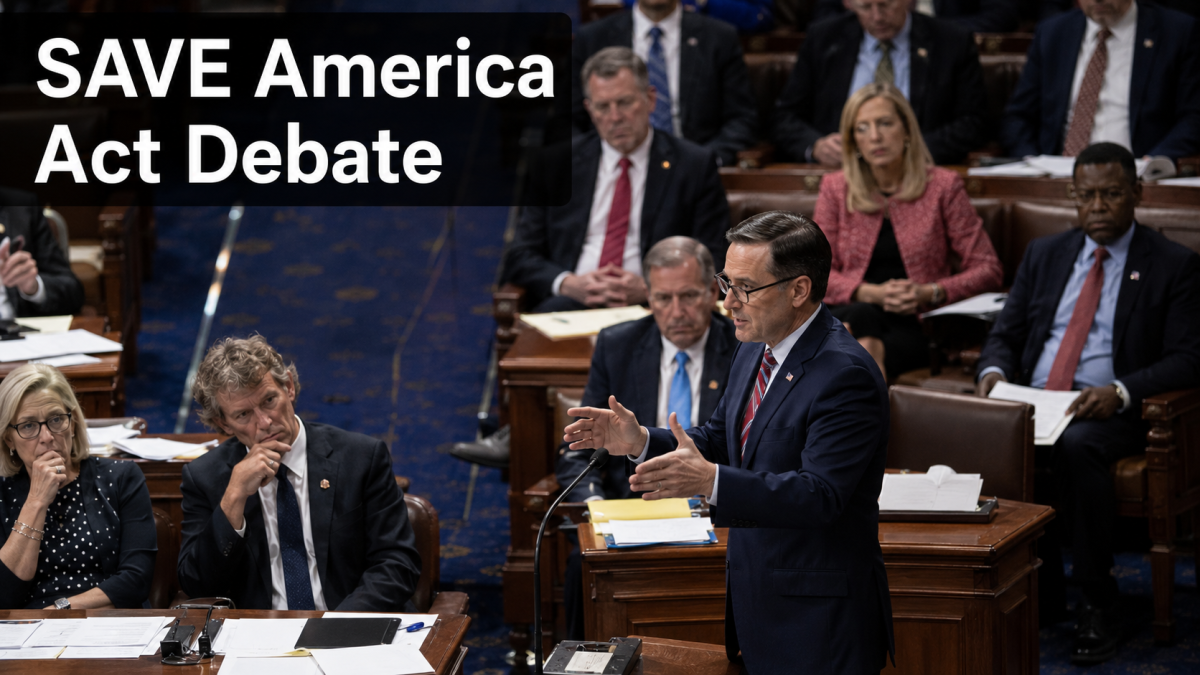
Debate Continues Over the SAVE America Act
The speech also comes as Republicans continue pushing the SAVE America Act, one of Trump's top legislative priorities.
The proposal would require individuals registering to vote in federal elections to provide documentary proof of U.S. citizenship and present qualifying photo identification when voting.

Supporters argue the bill strengthens election integrity, while critics contend it could make voter registration more difficult for eligible Americans. The legislation has passed the House in various forms but continues to face challenges in the Senate.
Intelligence Community Has Drawn Important Distinctions
U.S. intelligence agencies have consistently distinguished between foreign election influence and foreign election interference.
Influence campaigns involve efforts to shape public opinion through messaging, social media or propaganda. Election interference refers to attempts to manipulate voting systems, ballot counting or election infrastructure.
Previous intelligence assessments concluded that while several foreign governments attempted to influence public opinion during the 2020 election, investigators found no evidence that foreign actors altered votes, changed vote counts or compromised election infrastructure.
Why the Speech Matters
Trump's address is expected to reignite debate over election security ahead of the 2026 midterm elections.
While administration officials say the focus will be on intelligence concerning voter registration data and cybersecurity vulnerabilities, critics argue the presentation could further intensify political divisions over the integrity of past elections.
The speech is likely to draw close attention from lawmakers, election officials and intelligence experts as new information is presented to the public.
Frequently Asked Questions (FAQ)
What is President Trump expected to announce?
Trump is expected to discuss newly declassified intelligence concerning China's access to U.S. voter registration data and broader election security issues.
Did officials say votes were changed in the 2020 election?
No. Officials indicated the expected presentation does not include allegations that votes were altered or voting machines were hacked.
What information was reportedly compromised?
The expected briefing involves voter registration records containing information such as names, addresses, voting history, party affiliation, military status and phone numbers.
How has China responded?
China's embassy in Washington denied interfering in U.S. elections and said American elections are an internal matter decided by U.S. voters.
What is the SAVE America Act?
The proposed legislation would require proof of U.S. citizenship when registering to vote in federal elections and additional identification requirements for casting ballots.