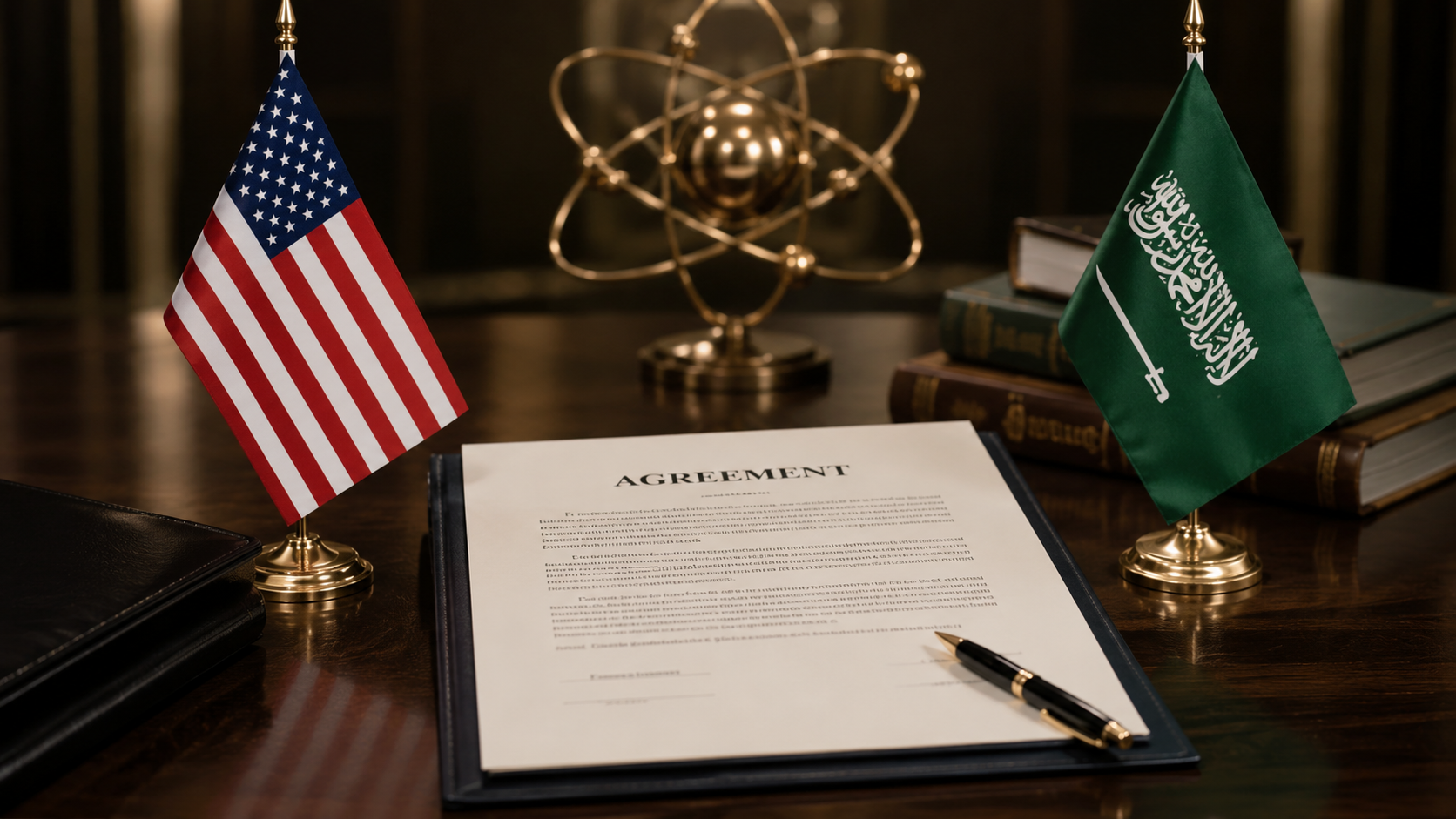
Trump Ties U.S.-Saudi Nuclear Deal to Saudi Recognition of Israel
WASHINGTON — President Donald Trump said Thursday that a proposed U.S.-Saudi civilian nuclear cooperation agreement will move forward only if Saudi Arabia agrees to normalize diplomatic relations with Israel by joining the Abraham Accords. The condition adds a significant diplomatic hurdle to the deal, as Riyadh has consistently maintained that it will not recognize Israel without meaningful progress toward establishing a Palestinian state.
The announcement links two major U.S. foreign policy initiatives—civilian nuclear cooperation and Middle East normalization—at a time of heightened regional tensions.
White House Makes Position Clear
President Trump said the civilian nuclear agreement is contingent upon Saudi Arabia becoming part of the Abraham Accords, the U.S.-brokered agreements that established diplomatic relations between Israel and several Arab nations.
White House Press Secretary Karoline Leavitt said the administration has repeatedly discussed the issue with Saudi officials and emphasized that normalization remains a requirement.
"If Saudi Arabia does not join the Abraham Accords, the deal is off," she said.
According to the White House, Trump has previously raised the issue during discussions with Saudi Crown Prince Mohammed bin Salman.
Saudi Arabia Has Maintained Its Position
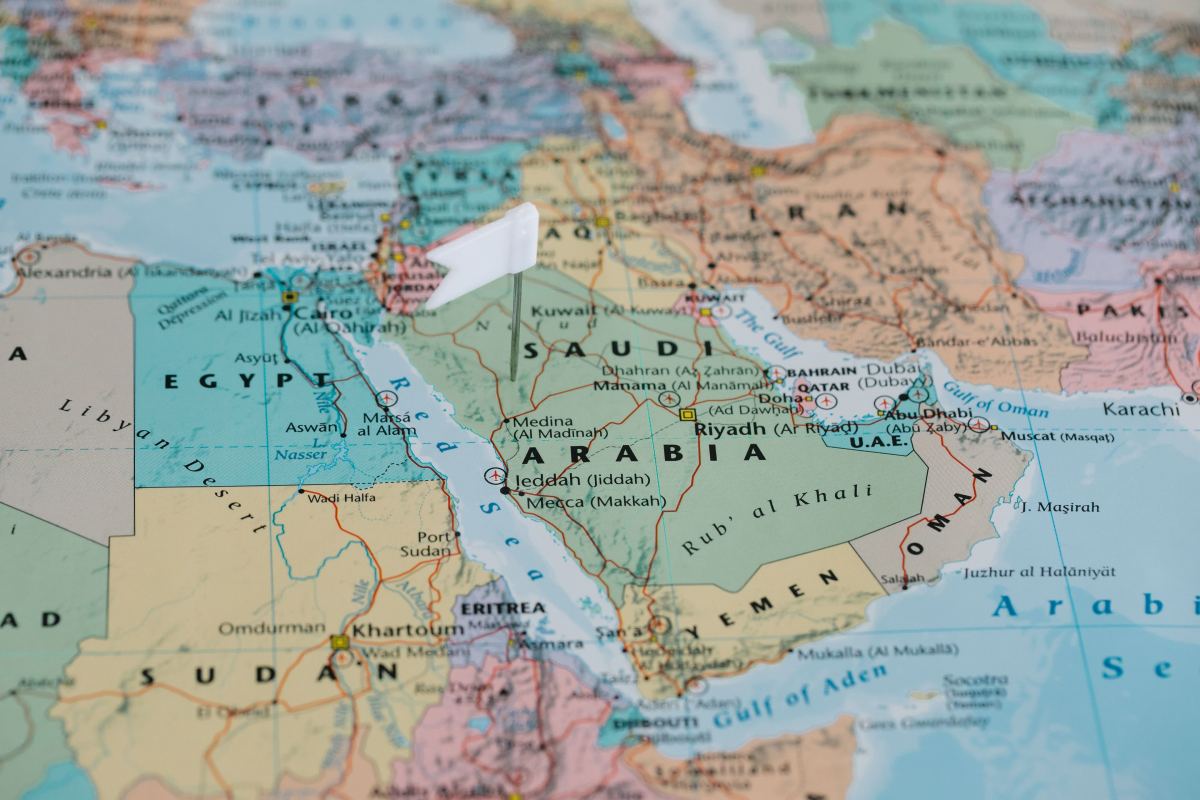
Saudi Arabia has long stated that it will not establish formal diplomatic ties with Israel unless there is a credible pathway toward the creation of an independent Palestinian state.
That position has remained unchanged despite previous U.S. efforts to expand the Abraham Accords.
The Saudi government has not publicly responded to Trump's latest remarks.
Details of the Proposed Nuclear Agreement
The agreement announced this week would allow Saudi Arabia to expand its civilian nuclear energy program using U.S. technology.
According to U.S. officials, the cooperation is intended exclusively for peaceful energy purposes and includes commitments related to nuclear safety, security, and nonproliferation.
Trump also stated that the arrangement is designed for non-military use and said there would be no enrichment of weapons-grade nuclear material under the agreement.
However, questions remain about how uranium enrichment would be handled, as earlier announcements indicated Saudi Arabia could eventually pursue limited enrichment under agreed conditions following additional studies.
Congressional Review Still Required
Before taking effect, the agreement must undergo review by the U.S. Congress.
Lawmakers will have 90 legislative session days to examine the proposal under the Atomic Energy Act.
The agreement also includes a planned feasibility study on future uranium enrichment arrangements before any such activities could proceed.
Israel Welcomes the Condition
Israel welcomed Trump's decision to tie the agreement to diplomatic normalization.
Prime Minister Benjamin Netanyahu's office described potential Saudi participation in the Abraham Accords as a historic opportunity to strengthen regional peace and cooperation.
The White House said it was unaware of any direct Israeli request to make normalization a formal condition of the nuclear agreement.
Regional Significance
Saudi Arabia would become the largest Arab nation to recognize Israel if it joined the Abraham Accords.
The agreements, first signed in 2020, previously led to normalization between Israel and the United Arab Emirates, Bahrain, Morocco, and Sudan.
Because Saudi Arabia plays a central political and religious role in the Middle East, its participation would represent one of the most significant expansions of the accords since their creation.
What's Next
The proposed nuclear agreement now faces congressional scrutiny while diplomatic negotiations continue between Washington and Riyadh. Whether Saudi Arabia is willing to alter its long-standing position on Israel is expected to determine whether the agreement ultimately moves forward.
FAQ
What condition did President Trump place on the U.S.-Saudi nuclear deal?
Trump said the civilian nuclear agreement will proceed only if Saudi Arabia normalizes relations with Israel by joining the Abraham Accords.
Why has Saudi Arabia not recognized Israel?
Saudi Arabia has consistently said it will not establish diplomatic relations with Israel unless there is meaningful progress toward the creation of a Palestinian state.
What is the purpose of the nuclear agreement?
The proposed agreement supports Saudi Arabia's civilian nuclear energy program using U.S. technology for peaceful, non-military purposes.
Does the agreement still require approval?
Yes. The deal must undergo review by the U.S. Congress, which has 90 legislative session days to examine it before it can take effect.
What are the Abraham Accords?
The Abraham Accords are U.S.-brokered agreements that established diplomatic relations between Israel and several Arab countries, including the United Arab Emirates, Bahrain, Morocco, and Sudan.
Has Saudi Arabia accepted Trump's condition?
No. Saudi Arabia has not announced any change to its position and continues to link recognition of Israel to progress toward Palestinian statehood.