Trump Says US Strikes Hit Iran in Honor of Fallen American Troops as Regional Conflict Escalates
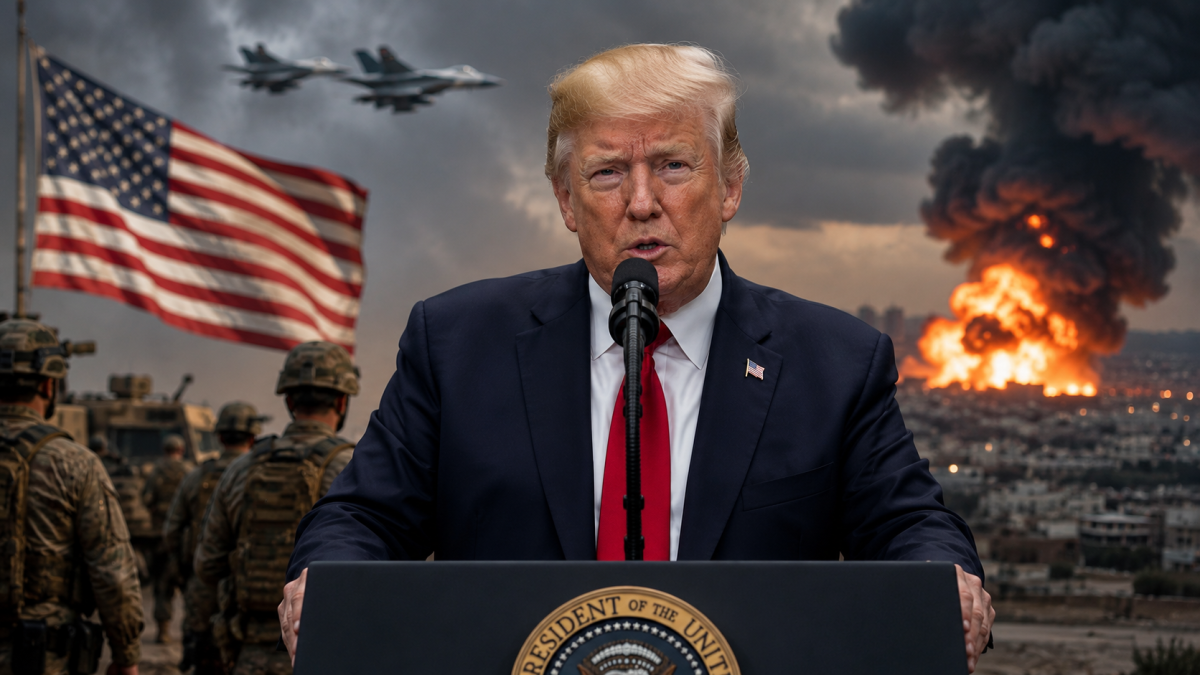
President Donald Trump said the latest U.S. military strikes against Iran were carried out in honor of three American service members killed in recent attacks, as tensions between Washington and Tehran continue to intensify across the Middle East. The overnight operation marked the ninth consecutive night of U.S. military action targeting Iranian-linked sites.
Trump Links Iran Strikes to Fallen U.S. Service Members
President Donald Trump said the United States struck Iran "very hard," describing the military operation as a response honoring three American troops killed in recent days.
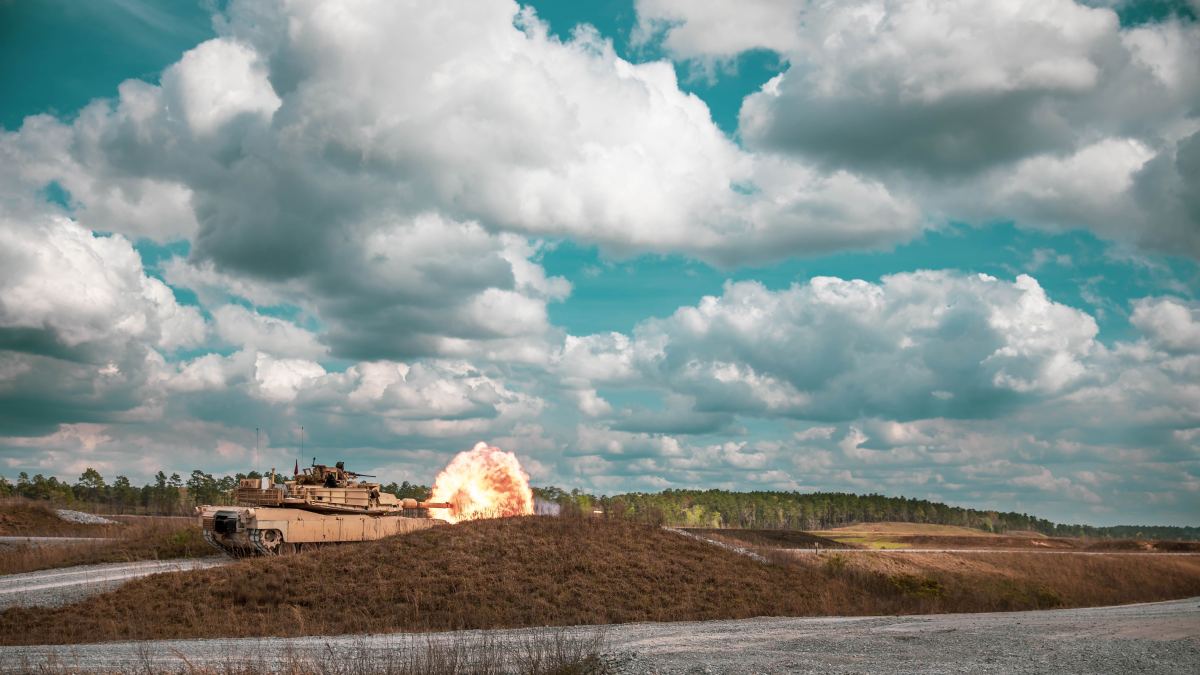
According to U.S. officials, two service members died in an attack on a military base in Jordan, while another was killed during an Iranian attack in northern Iraq. Officials are also working to verify unidentified remains recovered following the Jordan attack.
U.S. Launches Ninth Straight Night of Military Operations
The U.S. Central Command (CENTCOM) announced that American forces launched another wave of overnight strikes, continuing military operations for the ninth consecutive night.
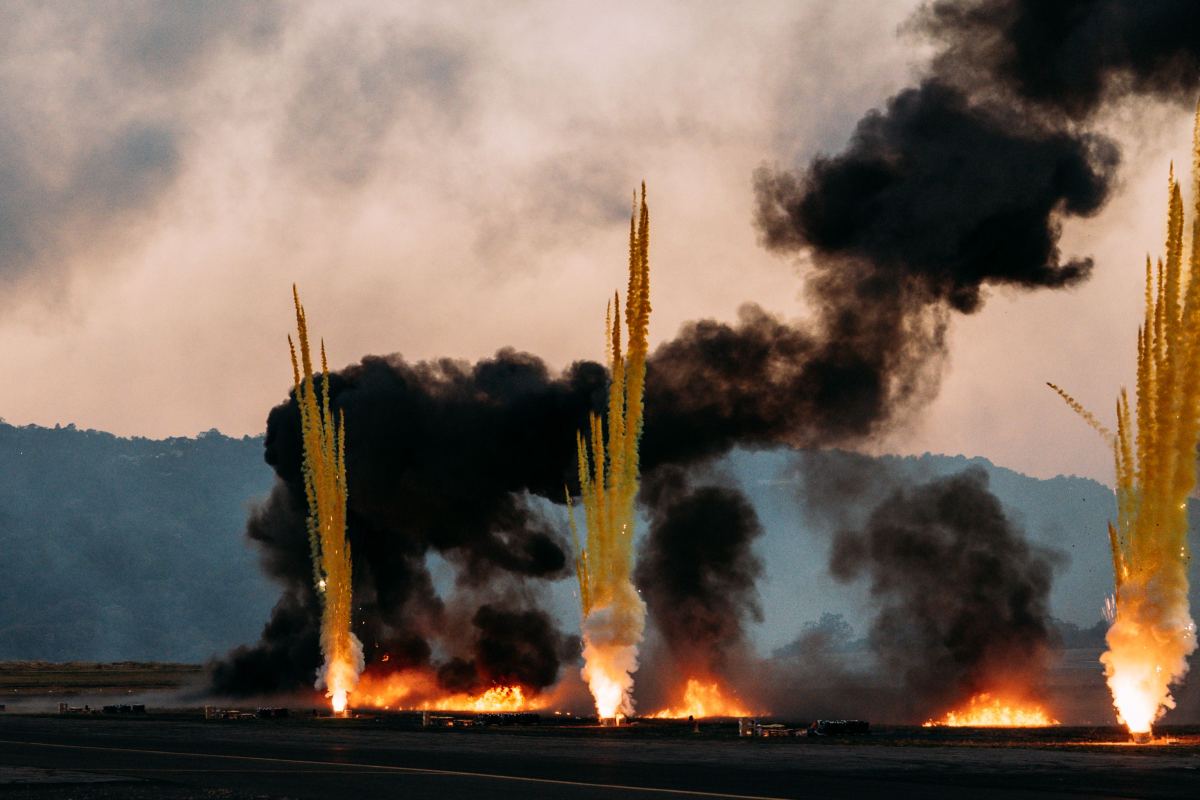
Explosions were reported across several Iranian cities as the United States said it targeted military facilities and communications infrastructure intended to reduce Iran's ability to threaten commercial shipping in the Strait of Hormuz.
Iran Reports Attacks Across Multiple Cities
Iranian media reported explosions in several locations, including Tabriz, Chabahar, Konarak, Bandar Mahshahr, and Bandar Imam Khomeini.
Authorities in Iran said multiple areas were affected during the latest round of U.S. airstrikes, although independent assessments of the damage have not yet been released.
Dispute Emerges Over Tanker Explosions
Iran's Islamic Revolutionary Guard Corps (IRGC) said two oil tankers exploded while traveling through what it described as an unsafe southern route in the Strait of Hormuz.
The IRGC warned that the strategic waterway would remain unsafe for oil and petrochemical shipments if U.S. military operations continue.
However, U.S. Central Command disputed Iran's account of the reported tanker explosions.
Iran Claims Retaliatory Military Action
Iran said it responded by launching what it described as a surprise operation in Syria and targeting U.S. aircraft at Jordan's Aqaba Airport.
Meanwhile, Kuwait's armed forces announced that they intercepted Iranian drones, underscoring the growing regional security concerns.
Diplomatic Efforts Continue Despite Escalating Conflict
Despite the continuing military exchanges, U.S. Secretary of State Marco Rubio said Washington remains open to a diplomatic resolution.
Rubio also emphasized the importance of protecting international shipping through the Strait of Hormuz, arguing that the global community must decide whether such a vital maritime route can remain under Iranian influence.
Ceasefire Efforts Have Lost Momentum
The latest escalation follows the collapse of a preliminary agreement reached in mid-June that had temporarily reduced hostilities.
Negotiations aimed at securing a longer-term peace have made little progress after President Trump declared on July 8 that the agreement was no longer in effect.
Why the Strait of Hormuz Matters
The Strait of Hormuz remains one of the world's most important energy shipping corridors, carrying a significant share of global oil exports.
Any disruption to commercial traffic through the narrow waterway can affect international energy markets and increase geopolitical tensions across the Middle East.
FAQ
Why did the United States launch new strikes against Iran?
The U.S. said the strikes targeted military sites and communications infrastructure following attacks that killed American service members and to reduce threats to shipping in the Strait of Hormuz.
How many U.S. service members were killed?
According to U.S. officials, three American service members have been killed in recent attacks—two in Jordan and one in Iraq.
Which Iranian cities were reportedly affected?
Iranian media reported strikes in Tabriz, Chabahar, Konarak, Bandar Mahshahr, and Bandar Imam Khomeini.
What did Iran say after the strikes?
Iran claimed it launched retaliatory operations in Syria, targeted U.S. aircraft near Jordan, and warned that continued U.S. military action would further threaten shipping through the Strait of Hormuz.
Is diplomacy between the United States and Iran still possible?
Yes. U.S. Secretary of State Marco Rubio said the United States remains open to a diplomatic solution despite the ongoing military operations.