Trump Says US-Iran Talks Progress as Drone Attacks Hit Middle East Neighbors
U.S. President Donald Trump said negotiations between the United States and Iran are making progress, expressing optimism that diplomacy could resolve the latest conflict while warning that military action could resume if talks fail.
The comments came as several countries in the Middle East reported fresh drone attacks, highlighting the fragile security situation despite a temporary pause in U.S. airstrikes.

Trump Signals Hope for Diplomacy
Speaking in Washington, Trump said the United States was engaged in "good talks" with Iran and believed there was a realistic chance of reaching an agreement.
However, he cautioned that if negotiations fail to produce results, the United States would resume the military campaign it paused over the weekend.
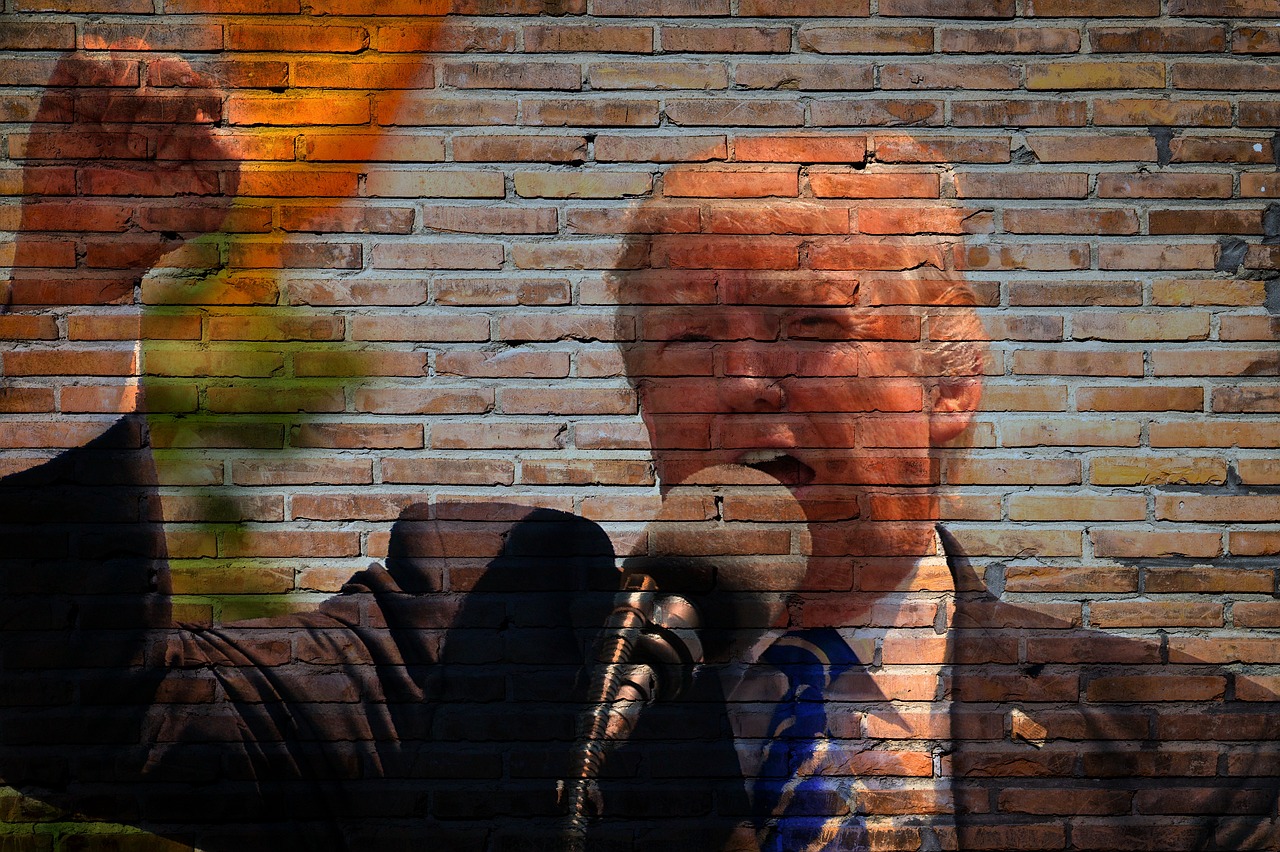
Later, during a campaign event in Michigan, Trump reiterated that diplomacy remained the preferred path but emphasized that the U.S. was prepared to respond forcefully if necessary.
Iran Says Diplomacy Continues
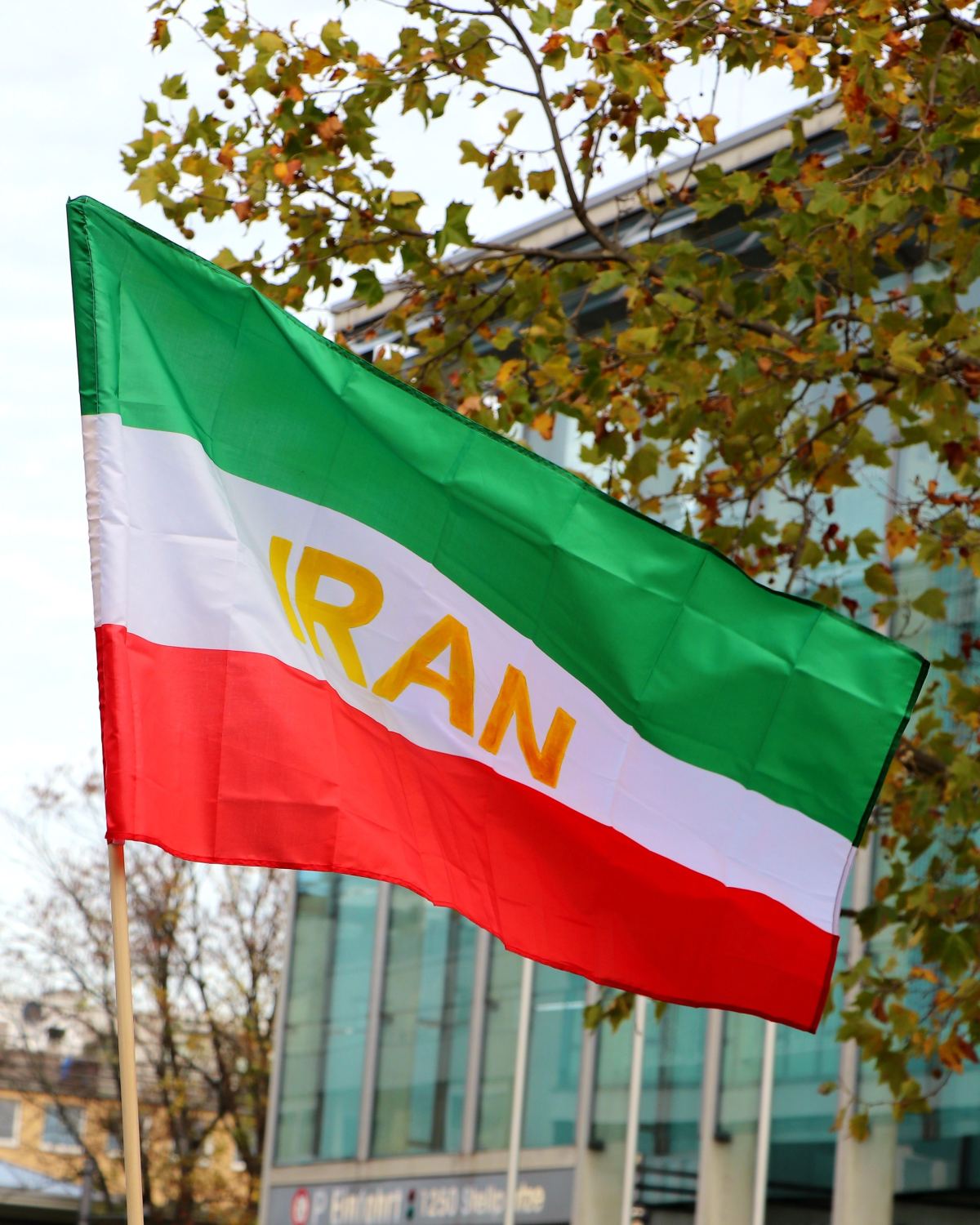
Iran confirmed that indirect messages continue to be exchanged through mediators but denied reports suggesting Tehran had requested negotiations.

Iranian officials maintained that diplomacy remains an option while insisting that reports claiming the country sought talks were inaccurate.
At the same time, Iran accused the United States of increasing tensions in the Persian Gulf by threatening vessels operating near its territorial waters.

Drone Attacks Raise Regional Tensions
Despite the diplomatic discussions, regional security remained tense on Monday.
Saudi Arabia reported intercepting drones targeting petroleum facilities, saying the aircraft were launched from Iraq by Iran-backed armed groups.
Meanwhile, Yemen's Houthi movement claimed responsibility for an attack targeting Saudi Arabia's East-West oil pipeline, describing it as retaliation for Saudi military operations.
Iran also reiterated that it maintains control over the Strait of Hormuz, one of the world's most important energy shipping routes.
Oil Prices Fall After Ceasefire Signals
Global oil prices dropped sharply after the United States suspended its air campaign and Trump expressed confidence in ongoing negotiations.
Market participants interpreted the pause in military operations as reducing the immediate risk of disruptions to global energy supplies through the Strait of Hormuz.
Lower geopolitical risk contributed to declines in both U.S. crude and Brent crude futures during Monday's trading session.
Military Campaign Paused
According to U.S. officials, the decision to suspend airstrikes followed military assessments that the campaign had reached the limits of its immediate objectives.
Trump rejected suggestions that the U.S. military faced shortages of precision weapons, saying production was increasing while emphasizing continued investment in advanced military capabilities.
Strait of Hormuz Remains Key Dispute
Iranian state media reported that several vessels attempting to pass through the Strait of Hormuz were turned back for allegedly failing to comply with Iranian transit requirements.
The strategic waterway remains a major point of disagreement between Washington and Tehran.
The United States has insisted on unrestricted international navigation, while Iran maintains that it has the authority to supervise transit through waters under its control.
Talks Continue Ahead of Deadline
Washington and Tehran are expected to continue indirect negotiations under a previously agreed diplomatic framework aimed at addressing issues including Iran's nuclear program and maritime security.
While both sides have expressed willingness to continue discussions, significant disagreements remain over freedom of navigation, regional security, and the future of sanctions.