Trump Says Iran Talks Are Progressing as Hopes for Strait of Hormuz Reopening Push Oil Prices Lower
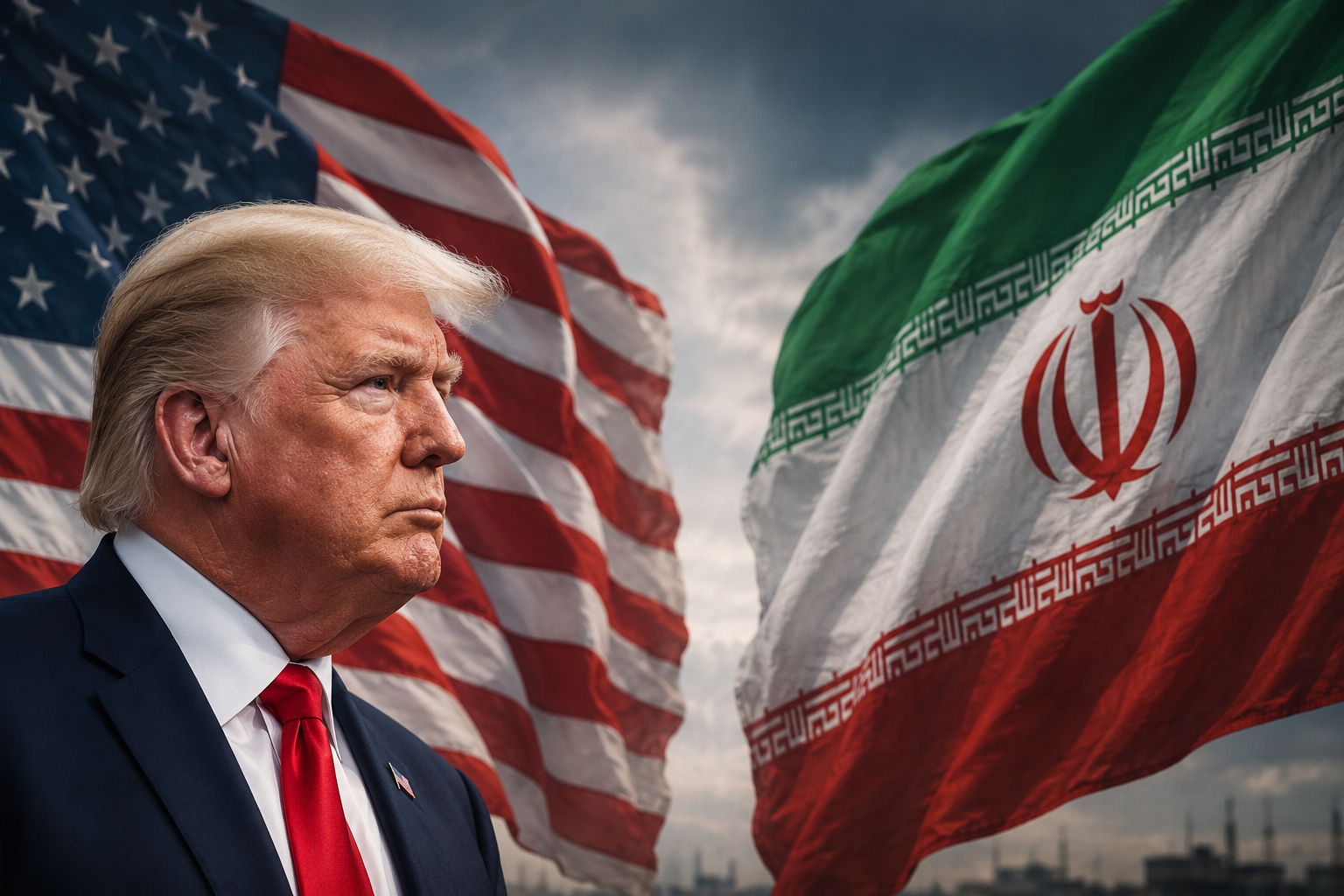
U.S. President Donald Trump said negotiations related to Iran were making progress and suggested the Strait of Hormuz could reopen to normal commercial traffic "very soon," raising hopes that tensions in one of the world's most important energy corridors may ease. The comments came as oil prices fell sharply on expectations that shipping disruptions could soon be reduced.
Summary: Optimism over diplomatic efforts involving Iran and the Strait of Hormuz helped push global oil prices lower, although officials cautioned that no final agreement has yet been reached.
Quick Facts
-
Trump said the Strait of Hormuz could reopen "very soon."
-
Iran said it is negotiating through Oman, not directly with the United States.
-
Qatar confirmed mediation efforts but said no direct U.S.-Iran talks are scheduled.
-
Brent crude fell nearly 5%, dropping below $80 per barrel.
-
WTI crude also declined by more than 5%.
What Is Happening in the Iran Negotiations?
Trump said negotiations were progressing and warned that Iran would be "hit very hard" if talks failed and commercial access through the Strait was not restored. He also said the United States would know within 48 hours whether the diplomatic effort had succeeded.
U.S. Secretary of State Marco Rubio said discussions had made progress but emphasized that negotiations were not yet finalized. Treasury Secretary Scott Bessent added that an agreement could be reached within days, though no deal has been officially announced.
Iran, however, said it is not holding direct negotiations with the United States, stating that Oman is acting as the mediator. Qatar also said it remains involved in diplomatic efforts but confirmed that no direct U.S.-Iran talks are currently scheduled.
Why Is the Strait of Hormuz So Important?
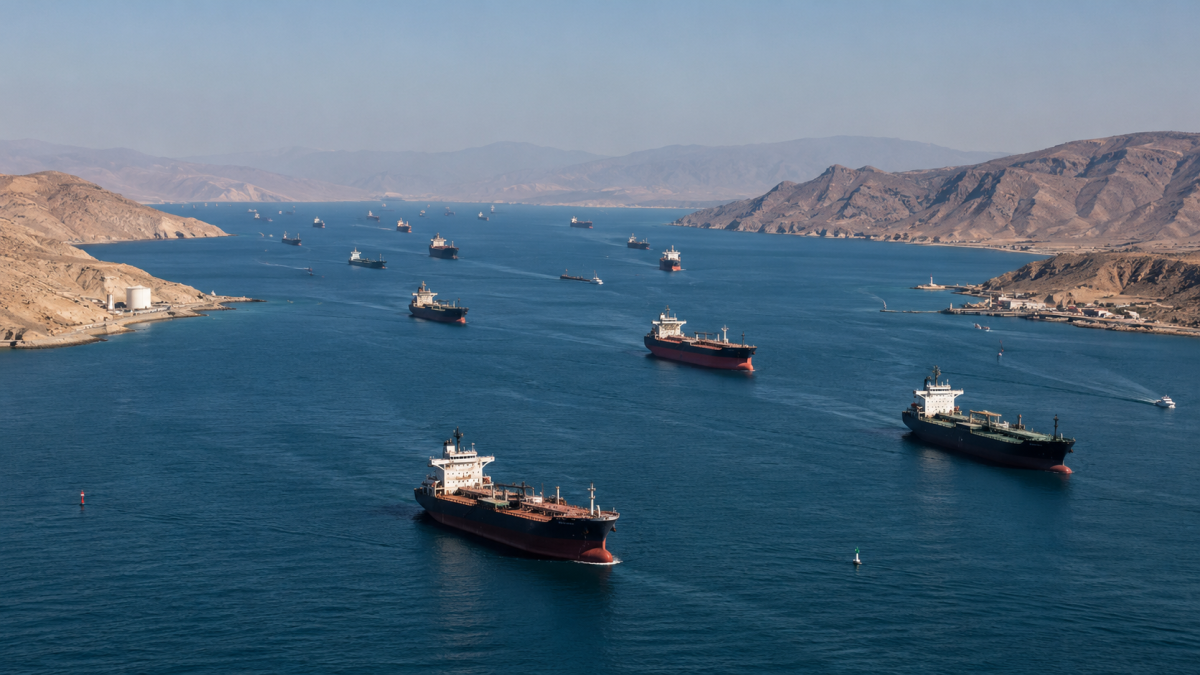
The Strait of Hormuz is one of the world's most critical shipping routes, carrying around one-fifth of global oil and liquefied natural gas supplies before the current conflict.
Direct Answer: The Strait of Hormuz is vital to the global economy because it serves as a key route for oil and LNG exports. Any disruption can quickly affect energy prices, shipping costs, and inflation worldwide.
The U.S. Central Command (CENTCOM) said the southern shipping route through the Strait remains open for commercial vessels, although recent tensions have continued to raise concerns over maritime security.
Separately, an Indian-flagged cargo vessel sank near Yemeni waters after being struck by a projectile. According to India's shipping minister, all 14 people on board were rescued.
Oil Prices Fall on Diplomatic Optimism
Energy markets responded positively to signs of possible progress.
Brent crude dropped nearly 5% on Tuesday to below $80 per barrel and continued to decline during Wednesday's Asian trading session. West Texas Intermediate (WTI) crude also fell by more than 5%, reaching its lowest level since July 13.
Analysts said investors expect that a successful agreement could reduce risks to oil shipments through the Gulf, easing pressure on global energy supplies.
Trump also argued that lower oil prices could eventually translate into lower gasoline prices if commercial traffic through the Strait returns to normal.
Why It Matters
The Strait of Hormuz remains a critical gateway for global energy exports, making diplomatic developments closely watched by governments and financial markets. While negotiations appear to be moving forward, officials on all sides stress that no final agreement has been reached, meaning uncertainty over shipping and oil markets is likely to continue until a formal deal is announced.