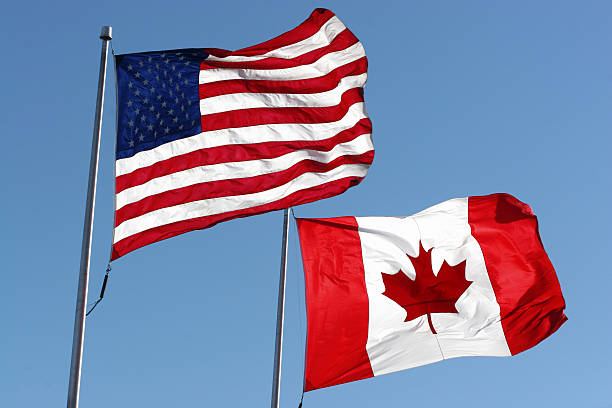
Trump Links Canadian Wildfire Smoke to Possible Tariff Increase
Wildfire smoke drifting south from Canada has become the latest source of tension between Washington and Ottawa after U.S. President Donald Trump suggested the environmental impact could influence future trade measures against Canadian imports.
The comments came as smoke from hundreds of active wildfires reduced air quality across parts of the Midwest and Northeastern United States, prompting health officials in several areas to advise residents to limit outdoor activities. The hazy conditions have affected millions of people as another intense wildfire season unfolds across Canada.
Trump Connects Smoke to Trade Policy
In a social media post, Trump argued that recurring wildfire smoke crossing the U.S. border places significant costs on American communities and businesses. He said those impacts should be reflected in the tariffs already imposed on certain Canadian goods, describing the situation as unacceptable.
The remarks introduce a new point of friction in the relationship between the two neighboring countries, which have already faced disagreements over trade, energy, and border policy.
Although no specific tariff changes were announced, Trump's statement suggested his administration could consider environmental impacts when evaluating future trade actions.
Canada Defends Its Wildfire Response
Canadian officials responded by emphasizing that wildfire management remains a national priority and noted that governments have increased investments in prevention, emergency response, and forest management over recent years.
Authorities also highlighted the long history of cooperation between Canadian and American firefighting agencies, with personnel and equipment regularly crossing the border to assist during severe wildfire seasons.
Officials said their immediate focus remains protecting communities threatened by active fires and supporting thousands of residents who have been forced to evacuate.
Climate Conditions Fuel Another Difficult Fire Season
Scientists say hotter temperatures, prolonged dry conditions, and changing weather patterns have contributed to increasingly severe wildfire seasons across large parts of Canada.
Several provinces continue to battle major fires, with extensive forested areas affected and emergency crews working to contain rapidly changing fire conditions.
Smoke from these fires has repeatedly traveled hundreds of miles into the United States, creating poor air quality far from the flames themselves. Health agencies continue advising children, older adults, and people with respiratory conditions to reduce exposure during periods of heavy smoke.
Communities Continue Facing Major Challenges
While smoke has disrupted daily life across parts of North America, communities located near the fires continue to experience the greatest impact.
Evacuation orders remain in place for some regions, and local governments are providing temporary shelter and emergency assistance for displaced residents. Recovery efforts are expected to continue long after the fires are contained, particularly in areas where homes, infrastructure, or community facilities have been damaged.
Officials have also warned that additional periods of hot, dry weather could increase the risk of new fires later in the season.
Trade and Environmental Issues May Remain Linked
The latest exchange highlights how environmental events can increasingly intersect with economic and political issues between neighboring countries.
Trade experts note that any formal attempt to connect tariffs with wildfire-related pollution would likely attract significant legal and diplomatic scrutiny. At the same time, climate specialists continue to stress that addressing the underlying causes of increasingly destructive wildfire seasons will require long-term cooperation rather than unilateral action.
As firefighting efforts continue across Canada, governments on both sides of the border face the challenge of protecting public health while managing the broader economic and political consequences of another active wildfire season.