Trump Introduces New Import Tariffs on 60 Trading Partners After Temporary U.S. Duties End
WASHINGTON — The Trump administration has launched a new round of import tariffs affecting 60 trading partners, replacing the temporary 10% global tariff that expired Friday. The White House says the new measures are designed to address what it describes as inadequate enforcement of forced labor restrictions by foreign governments while maintaining broad tariff coverage on nearly all U.S. imports.
The policy marks another major step in President Donald Trump's effort to reshape U.S. trade policy following a Supreme Court ruling earlier this year that invalidated portions of his previous tariff program.
New Tariffs Take Effect Immediately
The new duties became effective at 12:01 a.m. EDT on Friday, the same moment the administration's temporary 10% global tariff expired.
The tariffs impose 10% or 12.5% duties on imports from 60 countries and trading partners. According to the administration, the measures now apply to 99.4% of all U.S. imports, although several categories of products remain exempt.
The White House implemented the tariffs under Section 301 of the Trade Act of 1974, a legal authority previously used to respond to trade practices considered unfair by the United States.
White House Says Forced Labor Enforcement Is the Issue
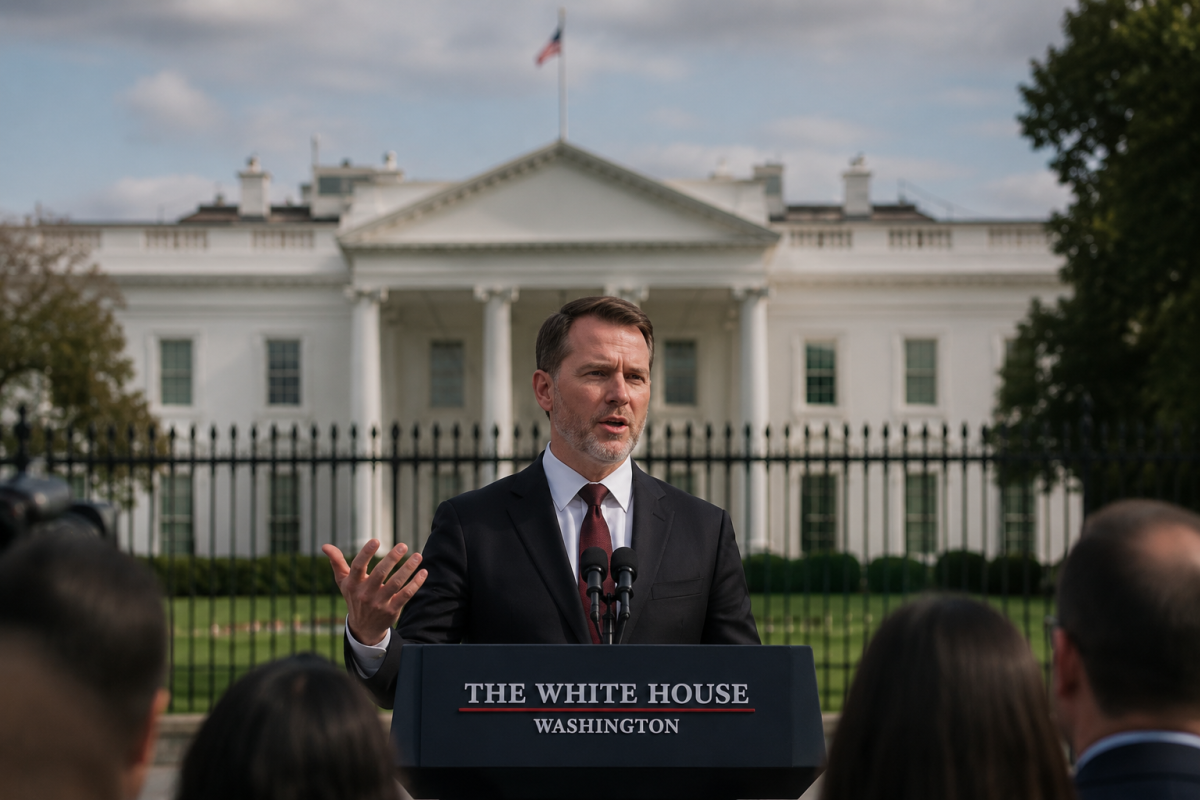
U.S. Trade Representative Jamieson Greer said the administration believes many trading partners have failed to adequately prevent goods produced with forced labor from entering global supply chains.
According to Greer, the new tariffs are intended to encourage stronger enforcement while addressing what the administration considers an unfair competitive advantage for countries with weaker labor enforcement standards.
Administration officials also said the approach carries a lower legal risk than the tariff framework struck down earlier this year because Section 301 has previously survived court challenges.
Which Countries Are Affected?
The tariffs apply to a wide range of U.S. trading partners.
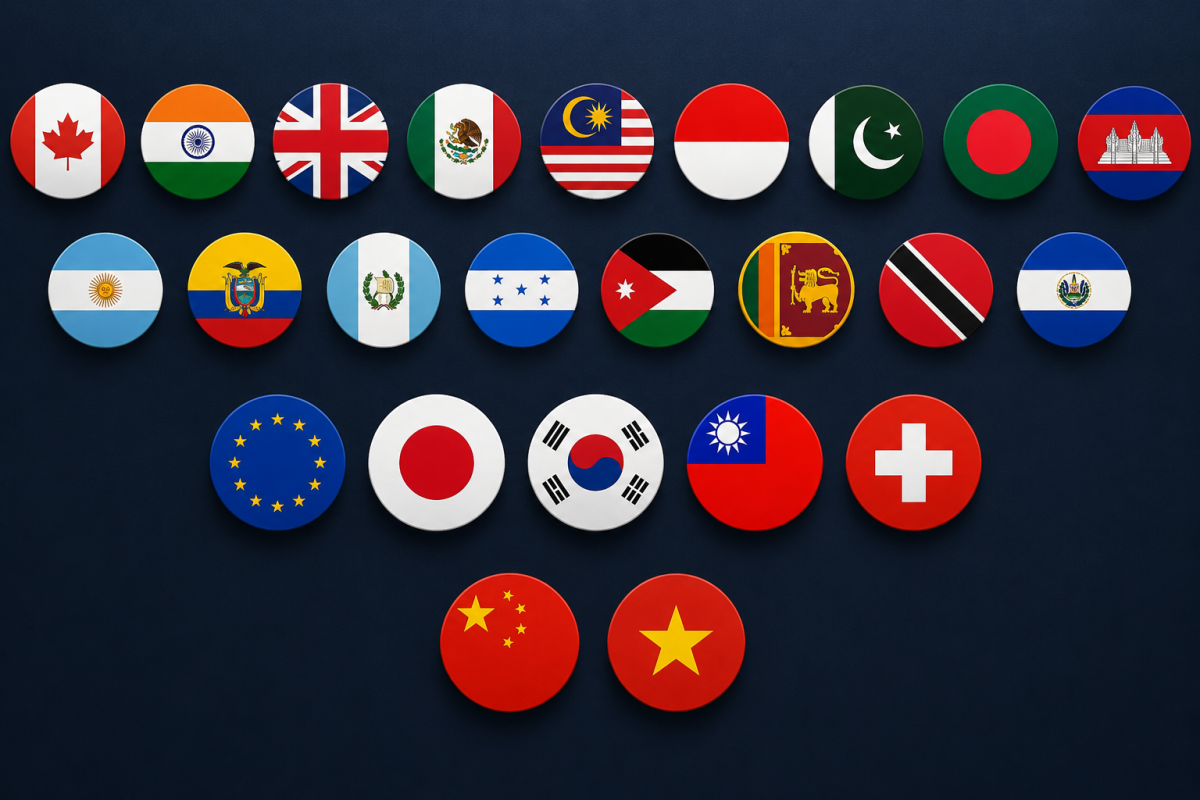
Countries including Canada, India, the United Kingdom, Mexico, Malaysia, Indonesia, Pakistan, Bangladesh, Cambodia, Argentina, Ecuador, Guatemala, Honduras, Jordan, Sri Lanka, Trinidad and Tobago, and El Salvador will face a 10% duty.
The European Union, Japan, South Korea, Taiwan, and Switzerland will receive tariff levels that, when combined with existing import duties, total either 10% or 12.5%.
Another 38 countries, including China and Vietnam, will be subject to 12.5% tariffs.
Several Products Will Remain Exempt
Although the tariffs cover nearly all imports, the administration excluded a number of products from the new duties.
Exemptions include:
-
Oil and natural gas
-
Fertilizer
-
Certain food products
-
Aircraft and aircraft parts
-
Critical minerals
-
Goods already covered under Section 232 national security tariffs, including steel, aluminum, copper and automobiles
-
Qualifying products traded under the U.S.-Mexico-Canada Agreement (USMCA)
Goods already in transit before the deadline will remain exempt until July 28.
International Response Comes Quickly
Several U.S. trading partners criticized the new policy shortly after it was announced.
European Union foreign policy chief Kaja Kallas questioned the administration's reasoning, arguing that European labor protections are among the strongest in the world.
Officials from Australia and Brazil also called the tariffs unjustified and indicated they would seek their removal.
Canada described the action as unilateral while saying discussions with Washington would continue.
Legal Outlook May Differ From Earlier Tariffs
Trade experts believe the latest tariffs could prove more difficult to challenge in court than previous Trump trade measures.
Unlike the reciprocal tariffs invalidated earlier this year, the new duties rely on Section 301 authority, which has previously been upheld in legal disputes involving U.S. trade policy.
Legal analysts say that foundation may provide the administration with greater flexibility to adjust tariff levels in the future if trade conditions change.
What It Means
The new tariff framework restores a broad baseline of import duties following the expiration of the temporary global tariff while shifting the administration's legal strategy to a different trade statute.
The policy is expected to influence trade negotiations with key U.S. partners and could affect global supply chains as governments evaluate potential responses.
What's Next
Trading partners are expected to continue diplomatic discussions with Washington while businesses monitor how the new tariffs affect import costs, supply chains, and future trade agreements. Legal challenges may also emerge as the policy begins taking effect.
FAQ
Why did the Trump administration impose new tariffs?
The administration said the tariffs are intended to address what it considers inadequate enforcement of forced labor restrictions by U.S. trading partners and to encourage stronger labor standards.
Which countries are affected by the new tariffs?
The new measures apply to 60 trading partners, including China, the European Union, Canada, India, Japan, South Korea, Mexico, Vietnam, and the United Kingdom.
How high are the new tariff rates?
Most affected imports will face tariffs of either 10% or 12.5%, depending on the country and existing duty structure.
Are any products exempt from the tariffs?
Yes. Exemptions include oil and gas, fertilizer, certain food products, aircraft and parts, critical minerals, and products already covered by other U.S. tariff programs.
Why did the administration use Section 301?
The White House used Section 301 of the Trade Act of 1974 because officials believe it provides stronger legal authority following the Supreme Court's earlier decision striking down portions of the previous tariff program.
How have other countries responded?
Several governments, including officials from the European Union, Australia, Brazil, and Canada, criticized the tariffs or questioned the justification while indicating they would continue discussions with the United States.