Trump Imposes New Global Tariffs on 60 Trading Partners, Sparking International Backlash
The Trump administration has imposed new tariffs of 10% and 12.5% on imports from 60 trading partners, including the European Union and China, citing concerns over goods allegedly linked to forced labor in global supply chains.
The new duties took effect Friday, replacing a temporary 10% global tariff that had expired and marking the administration's latest effort to reshape U.S. trade policy while addressing human rights concerns.
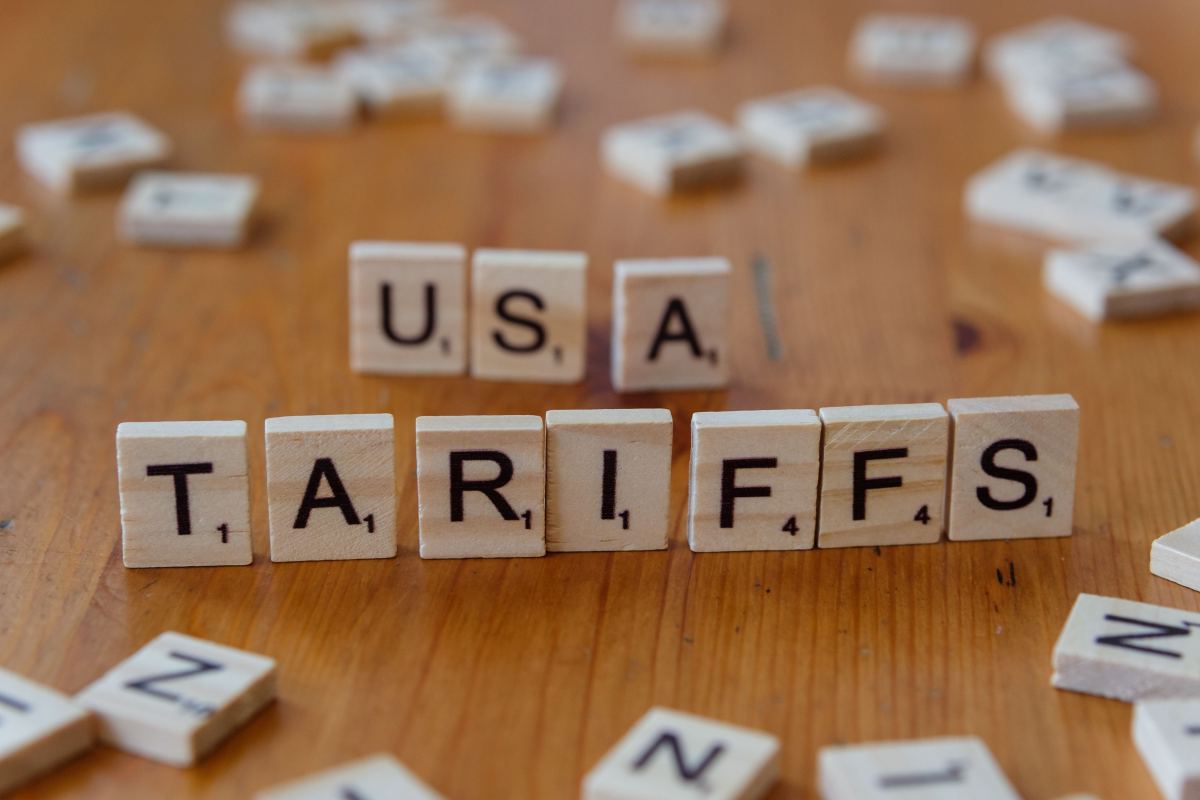
New Tariffs Target Imports From 60 Economies
According to the U.S. Trade Representative's Office, the tariffs were introduced under Section 301 of the Trade Act of 1974, following allegations that several trading partners had failed to effectively prevent goods produced with forced labor from entering international supply chains.
The measures apply to 99.4% of U.S. imports, although numerous products—including oil and gas, fertilizers, selected food products, aircraft parts, autos, steel, aluminum, copper, and critical minerals—remain exempt.
The administration said the policy aims to strengthen enforcement of labor standards while protecting American workers and industries.
EU, China and Other Trading Partners Respond
The announcement prompted criticism from several affected countries.

China reiterated its opposition to unilateral tariffs, arguing that trade disputes should be resolved through dialogue rather than additional import duties.
The European Union acknowledged that the new tariff structure remains broadly consistent with previous tariff commitments reached between Washington and Brussels, while indicating it would continue discussions on expanding exemptions and strengthening trade cooperation.

Australia, Brazil, and Norway also questioned the legal basis for the new measures, while Canada said it would continue engaging with U.S. officials through ongoing trade discussions.
Markets Show Limited Reaction
Financial markets reacted cautiously, with U.S. bond yields edging higher as investors assessed the potential inflationary impact of the tariffs.
Analysts noted that market attention remained focused largely on geopolitical developments and broader economic conditions, limiting the immediate financial impact of the announcement.
Several product categories remained exempt from the new duties, reducing the overall disruption for key industries.
Trade Policy Faces Continued Legal and Diplomatic Challenges
The latest tariffs follow a U.S. Supreme Court ruling earlier this year that invalidated parts of the administration's previous reciprocal tariff program.
By relying on Section 301, the White House is using a legal framework that has previously survived judicial scrutiny and is generally viewed as less vulnerable to court challenges.
Trade analysts expect additional investigations and negotiations in the coming months as the administration continues to review trade relationships with several major economies.
The new tariffs are likely to remain a key issue in global trade discussions as governments seek to balance supply chain security, labor standards, and international commerce.