Trump Economy at 18 Months: Growth Holds Steady but Progress Slows on Key Campaign Promises
Eighteen months into President Donald Trump's second term, the U.S. economy has shown resilience despite major policy shifts, including higher tariffs, stricter immigration enforcement, and geopolitical tensions in the Middle East. However, several of the administration's core economic promises—including lower prices, stronger manufacturing employment, and improved affordability—have yet to fully materialize.
While economic growth has remained relatively stable, analysts say challenges such as persistent inflation, labor shortages, elevated housing costs, and global uncertainty continue to weigh on households and businesses ahead of the 2026 midterm elections.

Economy Withstands Policy Shocks
Since returning to office, Trump has implemented sweeping tariffs, tightened immigration policies, and prioritized domestic manufacturing. The administration has also navigated heightened geopolitical tensions, including conflict involving Iran that pushed oil prices higher and raised concerns over global supply chains.
Despite these developments, the broader U.S. economy has avoided the severe downturn that many economists had feared.
Labor Market Faces New Pressures
Employment trends have shifted as stricter immigration enforcement and deportation efforts reduce labor force growth.
Analysts note that a smaller workforce, combined with an aging U.S. population, has limited labor availability across multiple industries.

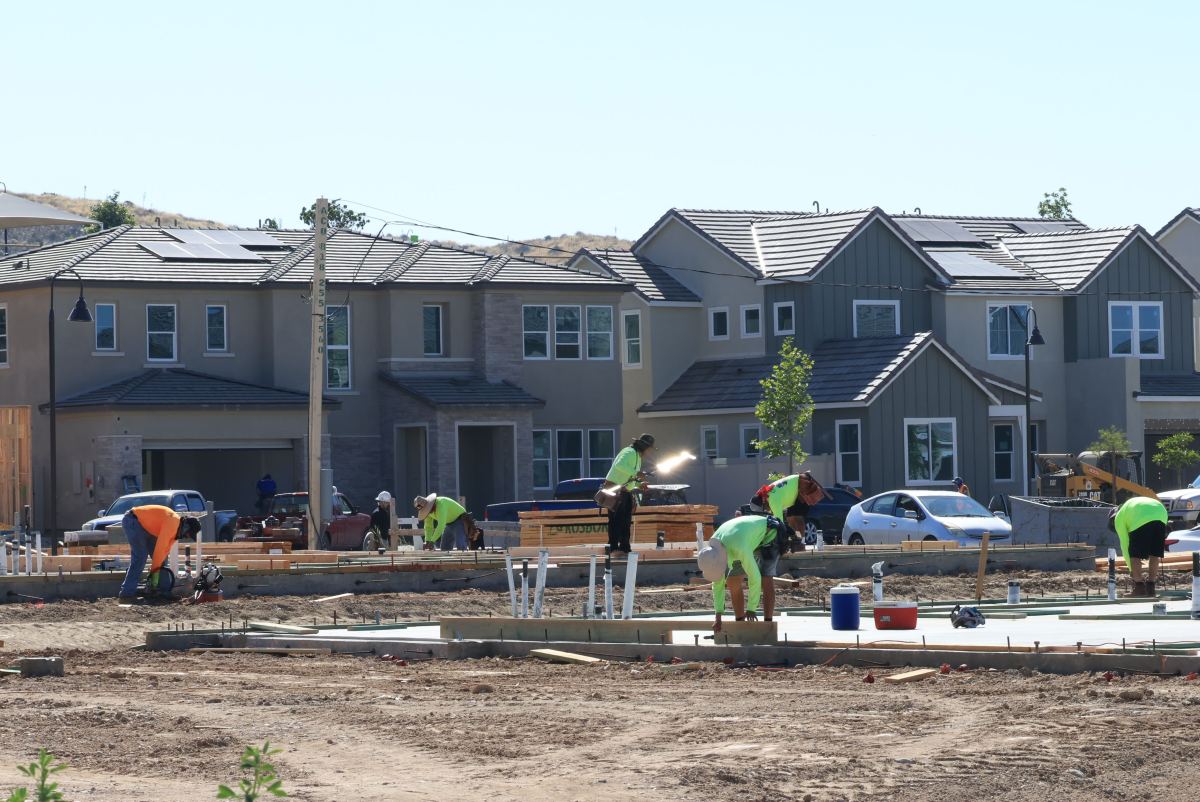
Construction employment has benefited from significant investment in artificial intelligence infrastructure, including new data centers. However, manufacturing employment remains below levels recorded at the end of the previous administration, despite continued efforts to expand domestic production.
Inflation Remains Above Target
Reducing inflation was one of Trump's central campaign promises, but price pressures have eased only modestly.
Inflation continues to remain above the Federal Reserve's long-term target, with higher import tariffs, rising energy prices, and increased demand from AI-related investment contributing to ongoing cost pressures.
Federal Reserve officials continue monitoring inflation risks as policymakers assess the broader economic outlook.
Household Finances Show Mixed Picture
Consumer spending has remained relatively resilient despite economic uncertainty.
However, growth in inflation-adjusted disposable personal income has slowed, raising questions about whether household spending can continue supporting economic expansion over the long term.
Higher living costs continue to affect purchasing power for many American families.
Housing Affordability Remains a Challenge
Housing continues to be one of the largest financial concerns for many households.
Elevated mortgage rates, rising home prices, and increasing insurance costs have kept homeownership out of reach for many prospective buyers.
Although policymakers have proposed measures aimed at improving affordability, housing supply remains heavily influenced by local zoning rules and development constraints.
Stock Market and AI Investment Drive Growth
The U.S. stock market has continued to reach new highs during Trump's second term, supported largely by strong investor interest in artificial intelligence.
Corporate bond issuance has also reached record levels as companies raise capital to finance AI infrastructure and technology projects.
Economists say the AI investment boom has become one of the strongest contributors to business investment and overall economic growth, even as broader economic challenges persist.
Outlook Ahead of Midterm Elections
With the 2026 midterm elections approaching, the administration faces growing scrutiny over whether its economic agenda can deliver stronger wage growth, improved affordability, and expanded manufacturing employment.
While the economy has demonstrated resilience in the face of multiple policy and geopolitical shocks, analysts say many of the administration's long-term economic objectives remain works in progress.