Student-Led Protest Movement Intensifies as Leaders Hold Talks With Government in New Delhi
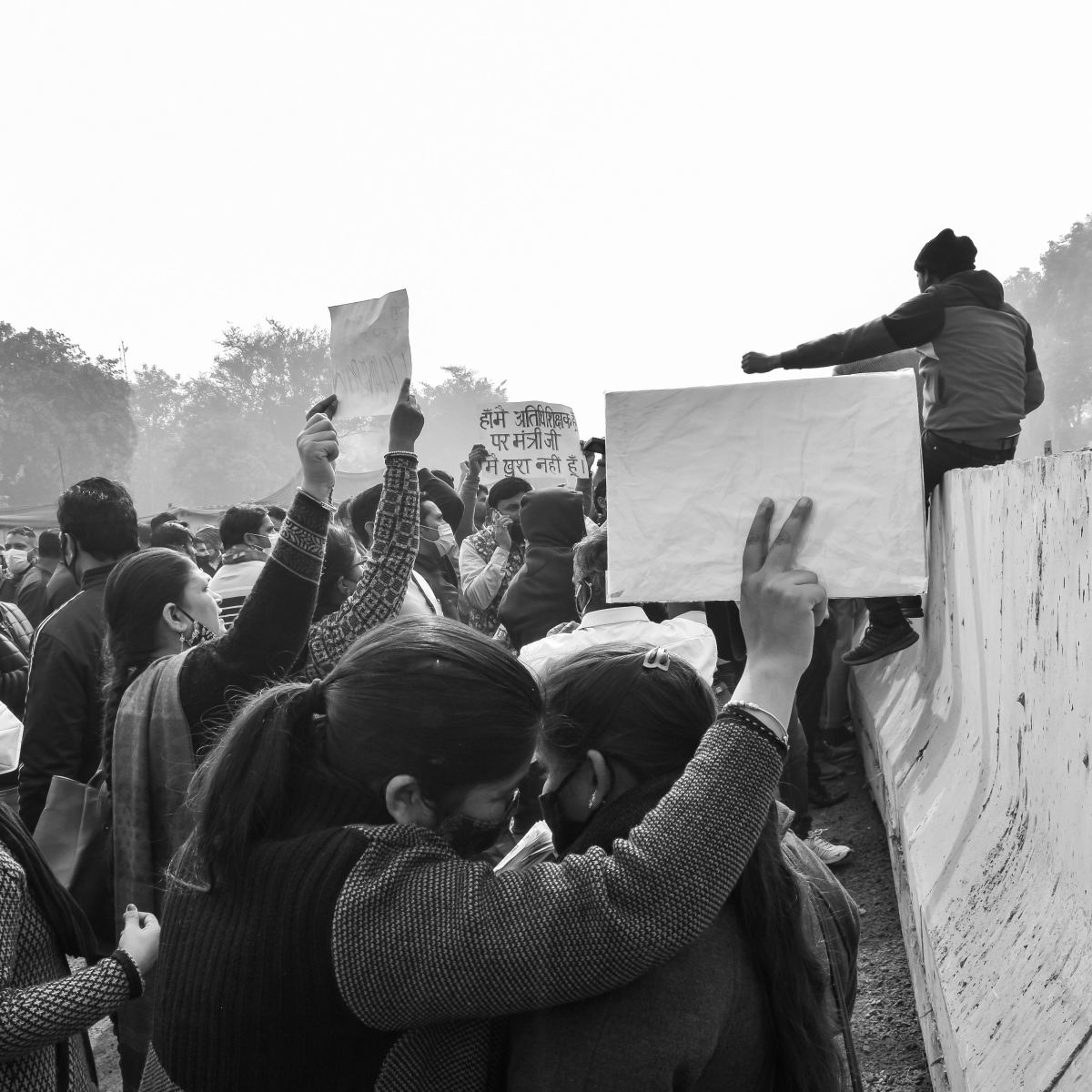
A student-led protest movement demanding greater accountability over examination paper leaks entered a critical phase on Monday as two of its leaders met a senior federal minister while thousands of supporters gathered in New Delhi despite restrictions on public demonstrations.
The protests, which began over alleged irregularities in competitive examinations, have grown into one of the largest youth-led campaigns in recent years. Demonstrators are calling for reforms in India's education system, stronger action against examination fraud, and greater transparency in recruitment and admissions processes.
Thousands Gather Despite Restrictions
Large crowds assembled near central Delhi as students and supporters traveled from several states to participate in demonstrations coinciding with the opening of Parliament's monsoon session.
Authorities deployed significant police and security personnel around key government buildings, with barricades and traffic diversions introduced to manage crowds and maintain public order.
Officials said restrictions on large marches were imposed because of security concerns and limited space around the designated protest area.
Movement Leaders Open Dialogue With Government
As demonstrations continued outside, representatives of the movement held discussions with a senior member of the federal government, marking the first significant attempt at formal dialogue between protest organizers and officials.
Movement leaders reiterated their demands for accountability over examination irregularities, reforms to recruitment systems, and measures designed to restore confidence in competitive examinations.
Government officials have not publicly disclosed the outcome of the discussions, but the meeting was viewed as an important step toward opening communication between both sides.
Education Reform Remains Central Demand
The movement initially gained momentum after allegations of question paper leaks in national-level entrance examinations triggered widespread concern among students and parents.
Participants argue that repeated examination controversies undermine merit-based selection and place millions of candidates at a disadvantage after years of academic preparation.
Protesters are urging authorities to strengthen examination security, improve oversight, and ensure strict action against those responsible for any future irregularities.
Hunger Strike Draws National Attention
The demonstrations have also attracted attention because of the participation of activist Sonam Wangchuk, whose hunger strike has become a focal point of the campaign.
Supporters have described the hunger strike as a symbolic appeal for education reforms and institutional accountability. Wangchuk has indicated that he would consider ending the fast if meaningful commitments toward addressing the movement's key demands are made through the political process.
His participation has broadened public interest in the protests beyond students preparing for competitive examinations.
Youth Frustration Extends Beyond Exam Issues
Analysts say the movement reflects broader concerns among young Indians, including employment opportunities, recruitment delays, and confidence in public institutions.
Competitive examinations play a significant role in access to higher education and government employment, making fairness and transparency critical issues for millions of students each year.
For many demonstrators, examination integrity has become part of a larger conversation about equal opportunity, governance, and accountability.
What Happens Next?
Attention now shifts to whether ongoing discussions between movement representatives and government officials can produce tangible outcomes.
Protest organizers have indicated they intend to continue peaceful demonstrations while seeking concrete assurances on education reforms and stronger safeguards against examination malpractice.
The government's response in the coming days is likely to determine whether negotiations reduce tensions or whether demonstrations continue to expand as Parliament's session progresses.