South Korean Police Search Starbucks Korea Headquarters Over 'Tank Day' Marketing Campaign
South Korean police have raided Starbucks Korea's headquarters as part of an investigation into allegations that the company's "Tank Day" promotional campaign defamed victims of the 1980 Gwangju Uprising. The inquiry follows criminal complaints filed by civic organizations and families of victims against senior executives of the company operating Starbucks in South Korea.
The case has developed into one of the country's most closely watched corporate controversies, highlighting how marketing campaigns can become the focus of legal scrutiny when they intersect with historically significant national events.
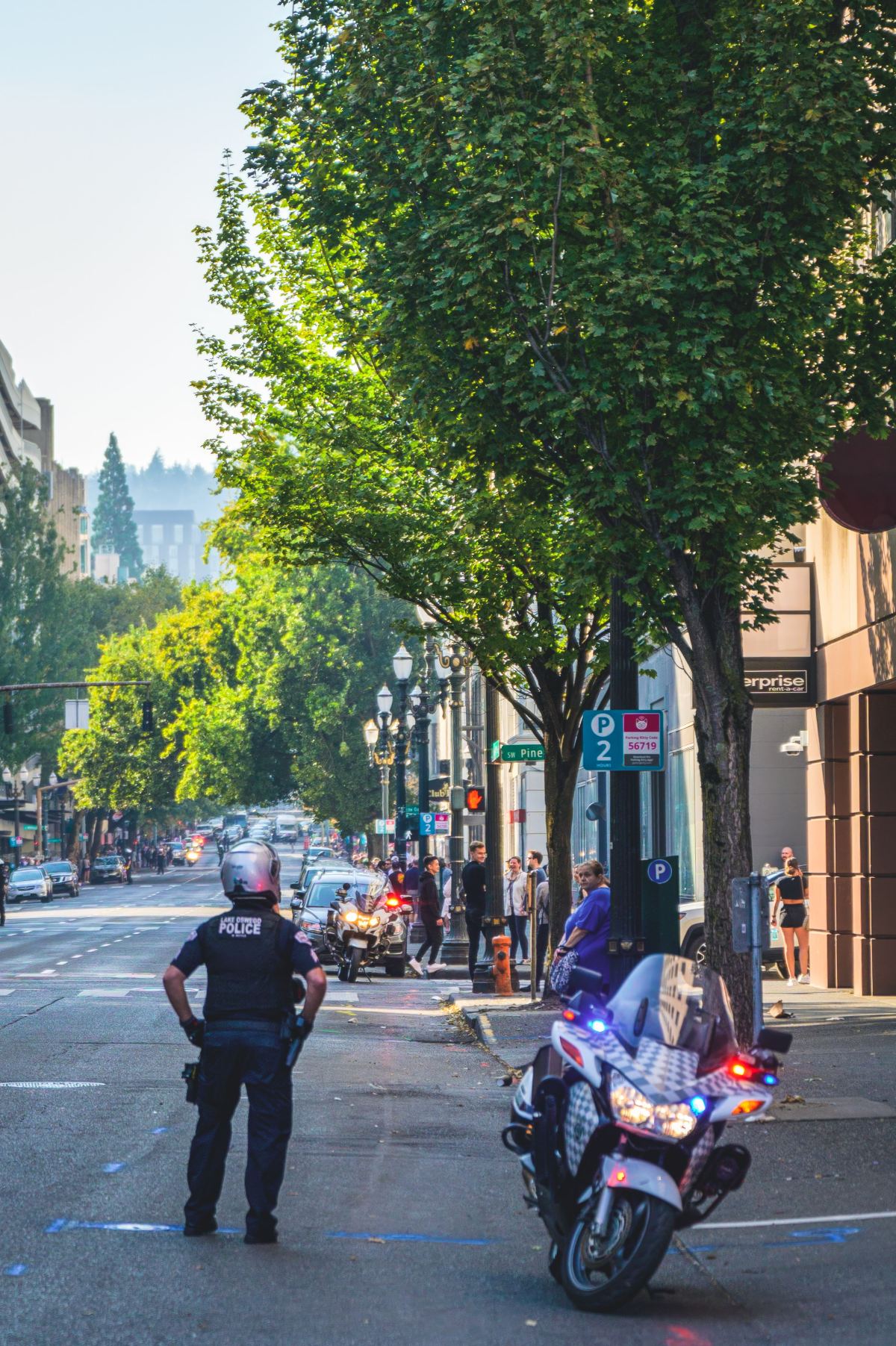
Authorities are continuing to collect evidence while examining whether the campaign violated South Korean laws relating to defamation and the dignity of victims of past state violence.
Quick Facts
- South Korean police searched Starbucks Korea's headquarters as part of an ongoing investigation.
- The controversy centers on the company's "Tank Day" promotion launched on May 18.
- May 18 marks the anniversary of the 1980 Gwangju Uprising.
- Starbucks Korea issued a public apology and acknowledged failures in its internal approval process.
- More than 2,000 Starbucks stores closed early for employee history education sessions.
Why Did the 'Tank Day' Campaign Spark Public Backlash?
The controversy began when Starbucks Korea introduced its "Tank Day" campaign on May 18, promoting a new collection of coffee tumblers.

The launch date immediately drew criticism because May 18 commemorates the Gwangju Uprising, one of South Korea's most significant pro-democracy movements.
Many critics viewed the word "Tank" as an insensitive reference to the military vehicles used during the violent suppression of demonstrations in 1980.
Public criticism intensified after promotional material included the phrase "tak on the table!", which some observers said echoed wording associated with a controversial police explanation surrounding the 1987 death of a student activist.
Although Starbucks Korea said the campaign was not intentionally connected to these historical events, the timing and language prompted widespread public outrage.
Why Is Police Investigating Starbucks Korea?
Direct Answer
Police are investigating whether Starbucks Korea's marketing campaign insulted or defamed victims of South Korea's former military dictatorship. The investigation follows criminal complaints submitted by civic organizations and bereaved families, while authorities continue collecting evidence beyond the company's internal review.
Investigators are examining whether senior company officials bear legal responsibility for approving the campaign.
Police have stated that they are seeking additional evidence independently rather than relying solely on Starbucks Korea's internal findings.
At this stage, the investigation remains ongoing, and no criminal liability has been established by the courts.
Starbucks Korea Admits Internal Review Failures
Following the public backlash, Starbucks Korea conducted an internal investigation into how the campaign was approved.
The company concluded that the promotion was not intentionally designed to reference the Gwangju Uprising or other historical events.
However, Starbucks acknowledged that its internal review and approval procedures failed to identify how the campaign could be interpreted by the public.
The company subsequently issued a public apology, describing the campaign as inappropriate and expressing regret over the controversy.
In an effort to strengthen historical awareness, more than 2,000 Starbucks stores across South Korea closed early for part of one day in June so employees could participate in educational sessions covering modern Korean history.
The controversy also resulted in the departure of Starbucks Korea's chief executive.
The Business Cost of Public Backlash
The incident has had measurable commercial consequences for the company.
Starbucks Korea said the controversy caused a significant decline in sales during the initial weeks of the backlash.
While reports differ regarding the exact scale of the decline, payment data cited in one report estimated that credit and debit card spending at Starbucks locations fell by approximately 17% between May and June.
Marketing experts note that reputational damage can affect customer behavior almost immediately, particularly when controversies involve culturally or historically sensitive issues.
Restoring public trust often requires more than a public apology, with companies frequently implementing internal reforms, leadership changes, and employee education initiatives.
Why the Gwangju Uprising Remains Deeply Significant
The 1980 Gwangju Uprising remains one of the most important events in modern South Korean history.
The pro-democracy movement has become a national symbol of democratic resistance and political reform, making references to the event highly sensitive in public discourse.
For many South Koreans, the anniversary represents remembrance of those who lost their lives or suffered during the period of military rule.
Because of its historical significance, companies operating in South Korea are expected to exercise particular care when launching campaigns connected to nationally important commemorative dates.
Analysts say historical awareness has become an increasingly important aspect of corporate responsibility and brand management.
Corporate Responsibility Is Expanding Beyond Traditional Marketing
The Starbucks case reflects a broader trend affecting multinational companies worldwide.
Businesses today operate in environments where consumers increasingly expect brands to demonstrate cultural awareness, historical understanding, and social responsibility alongside commercial success.
Many organizations now invest in:
- Cultural sensitivity training.
- Historical awareness programs.
- Enhanced marketing review procedures.
- Diversity and inclusion initiatives.
- Crisis management planning.
These measures are intended to reduce the risk of campaigns unintentionally offending communities or damaging long-term public trust.
What Happens Next?
Police will continue examining evidence collected during the headquarters search while reviewing complaints submitted by civic organizations and victims' families.
Investigators are expected to determine whether sufficient evidence exists to pursue further legal action against company executives.
Separately, Starbucks Korea is likely to continue implementing internal reforms aimed at strengthening its campaign approval process and rebuilding consumer confidence.
The outcome of the investigation may also influence how other companies evaluate historically sensitive marketing campaigns in South Korea.
Why It Matters
The Starbucks Korea investigation illustrates how marketing decisions can carry legal, cultural, and commercial consequences when they intersect with significant historical events. Beyond reputational damage, companies may face criminal complaints, leadership changes, declining sales, and lasting public scrutiny.
The case also reflects a broader shift in corporate responsibility. As consumers increasingly expect brands to demonstrate cultural awareness and historical sensitivity, businesses are investing more heavily in education, internal review processes, and risk management. For global companies operating across diverse markets, understanding local history has become as important as understanding customer preferences.