Saudi Arabia Launches Strikes on Houthi Targets After Red Sea Shipping Attacks
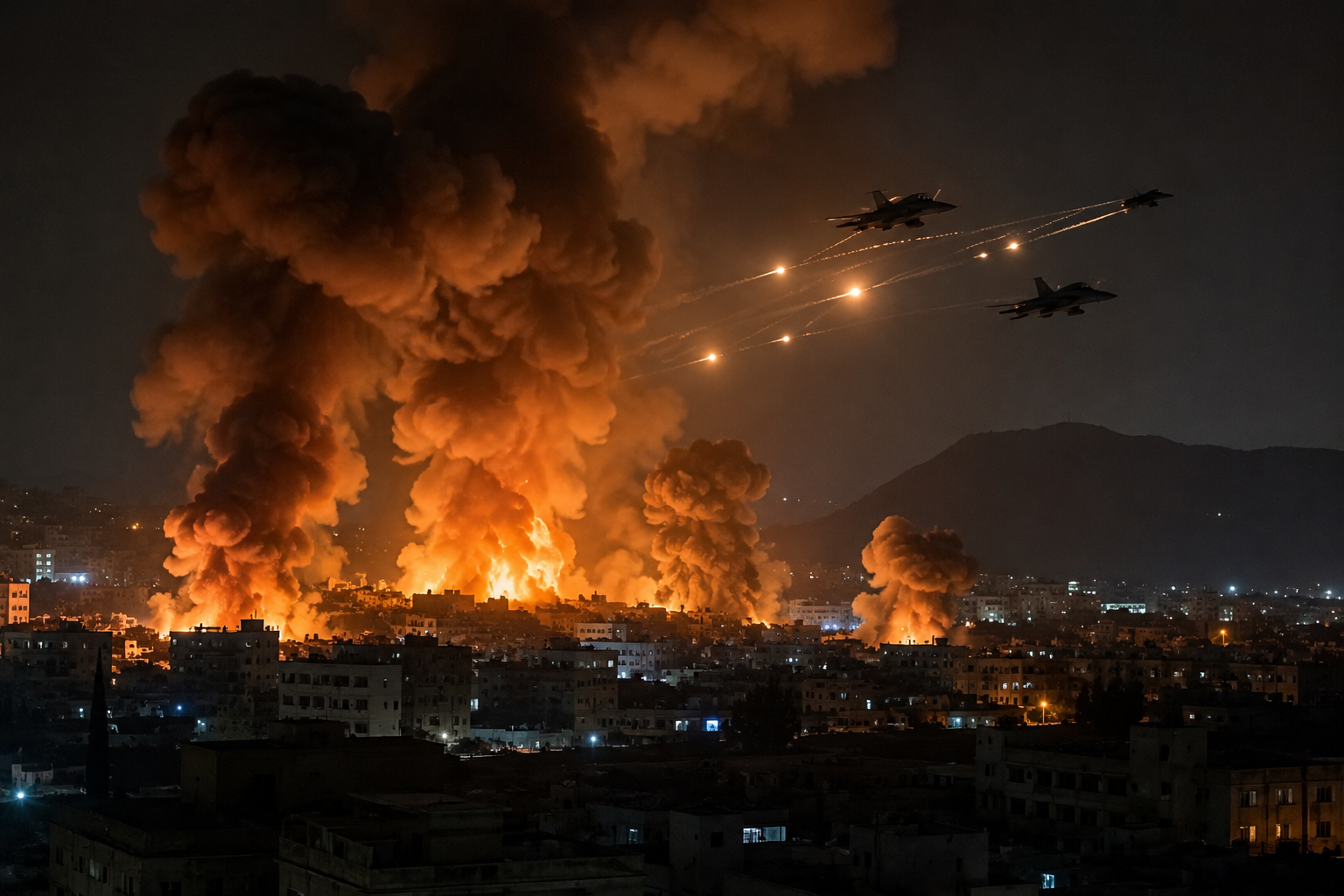
Saudi Arabia carried out military strikes against Houthi targets in Yemen after the Iran-backed group claimed responsibility for attacks on Saudi oil tankers in the Red Sea. The latest exchange marks a significant escalation in regional tensions as the conflict linked to Iran continues to expand beyond its primary battlegrounds.
Saudi officials said coalition forces targeted Houthi military sites used to launch attacks against commercial shipping, while Saudi air defenses intercepted ballistic missiles fired from Yemen.
The developments come amid rising instability in the Red Sea, one of the world's most important maritime trade routes.
Saudi Military Targets Houthi Positions
According to the Saudi-led Coalition to Restore Legitimacy in Yemen, the strikes focused exclusively on military installations used by Houthi forces.

Coalition spokesperson Major General Turki Al-Malki said the operation targeted facilities involved in threatening commercial vessels navigating the Red Sea.
Saudi officials described the military response as a direct reaction to recent attacks claimed by the Houthis.
Ballistic Missiles Intercepted Over Saudi Arabia
Saudi air defense systems intercepted two ballistic missiles launched from Yemen, according to reports.
The missiles were reportedly aimed at oil facilities in Yanbu, a key Red Sea port city. Saudi Civil Defence issued public safety alerts before later announcing that the immediate danger had passed.
No official reports of casualties or significant damage were released.
Houthi Attacks Raise Pressure in the Red Sea
Earlier in the week, the Iran-backed Houthis claimed responsibility for attacks on two Saudi oil tankers operating in the Red Sea.
The group has also declared a maritime embargo targeting Saudi shipping through the Red Sea and the Bab el-Mandeb Strait, threatening one of the world's busiest energy transportation corridors.
Saudi officials described the attacks as reckless actions directed against commercial shipping.
U.S. Warns Iran Over Proxy Attacks
The latest developments come as the United States increases pressure on Iran.
President Donald Trump has warned that Washington will hold Iran responsible for future Houthi attacks, arguing that the militia operates as an Iranian proxy.
Meanwhile, U.S. military operations against Iranian targets have continued, with American forces conducting another round of airstrikes as regional tensions remain elevated.
Trump has also indicated he is considering broader military action against Iran while diplomatic efforts, including reported mediation by Pakistan, continue behind the scenes.
Regional Conflict Continues to Expand
The renewed fighting in Yemen highlights how the broader confrontation involving Iran is spreading beyond direct military exchanges.
With attacks affecting shipping lanes, energy infrastructure, and regional security, governments across the Middle East continue to monitor the risk of further escalation that could disrupt global trade and oil markets.
What's Next
Saudi Arabia is expected to maintain heightened military readiness following the missile attacks, while coalition forces continue monitoring Houthi activity. At the same time, diplomatic efforts involving regional partners are expected to continue as international leaders seek to prevent the conflict from widening further.
FAQ
Why did Saudi Arabia launch strikes in Yemen?
Saudi Arabia said it targeted Houthi military sites after the Iran-backed group claimed attacks on Saudi oil tankers in the Red Sea.
What happened to the missiles fired from Yemen?
Saudi air defense systems reportedly intercepted two ballistic missiles before they reached their intended targets.
Why is the Red Sea important?
The Red Sea is a major global shipping route for international trade and energy exports, making attacks in the region a significant concern for global markets.
What has the United States said about the Houthis?
President Donald Trump has said the U.S. will hold Iran responsible for future Houthi attacks, describing the group as an Iranian proxy.
What role does Iran play?
Saudi Arabia and the United States say the Houthis receive support from Iran, while the militia is widely regarded as being backed by Tehran.
Could the conflict spread further?
Regional tensions remain high, and officials continue to pursue diplomatic efforts alongside military operations to prevent a broader escalation.