Red Sea Shipping Slows After Houthi Attacks on Saudi Oil Sites, Raising Global Supply Concerns
Commercial shipping through the Red Sea slowed sharply after Yemen's Houthi movement launched attacks on Saudi oil facilities along the Red Sea coast, according to shipping data. The disruption has reduced vessel traffic through one of the world's busiest maritime trade routes, increasing concerns about global energy supplies, shipping costs, and oil market stability.
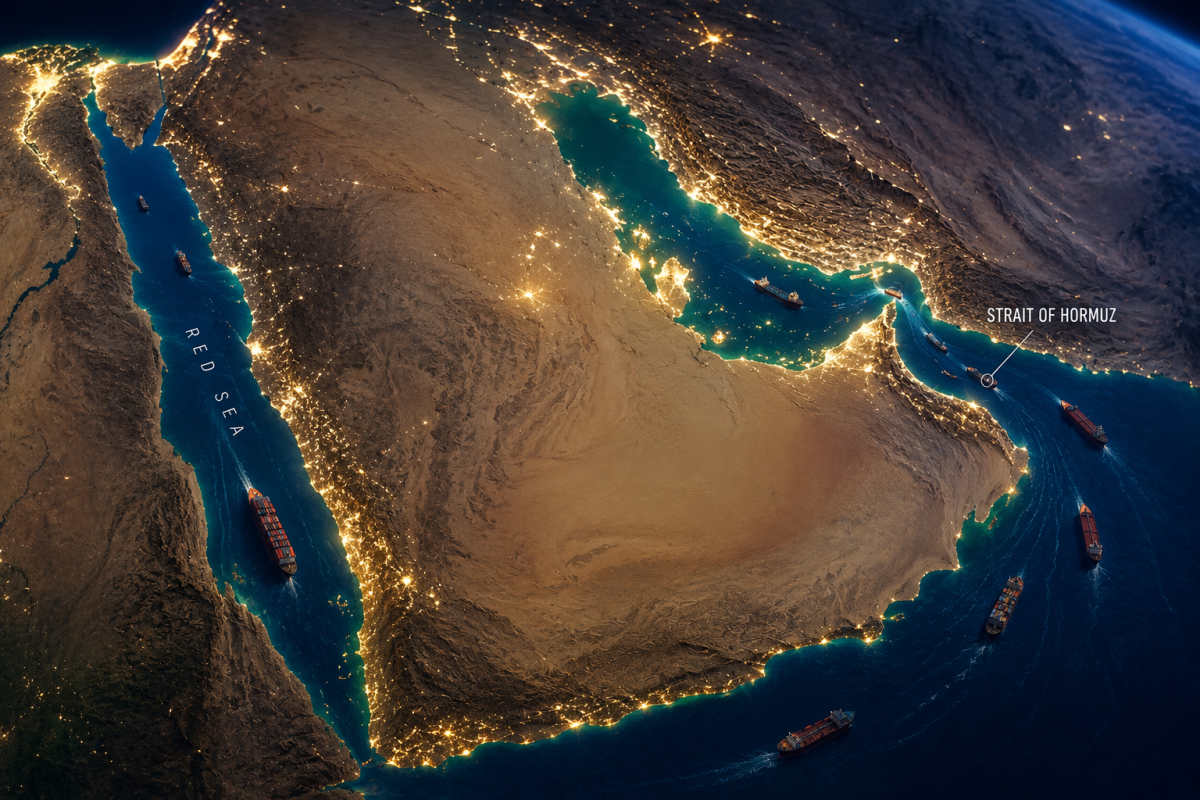
Although a pause in military strikes between the United States and Iran has eased some regional tensions, shipping activity remains well below normal in both the Bab el-Mandeb Strait and the Strait of Hormuz.
Ship Traffic Falls to Multi-Month Low
Shipping data from maritime analytics firm Kpler showed that only 11 commodity vessels passed through the Bab el-Mandeb Strait on Sunday, marking the lowest daily traffic level in several months.
The Bab el-Mandeb Strait connects the Gulf of Aden to the Red Sea and serves as a critical gateway for global trade between Asia, Europe, and the Middle East.
The decline followed recent attacks on Saudi energy infrastructure, prompting shipping companies to reassess risks in the region.
Houthi Attacks Target Saudi Oil Facilities
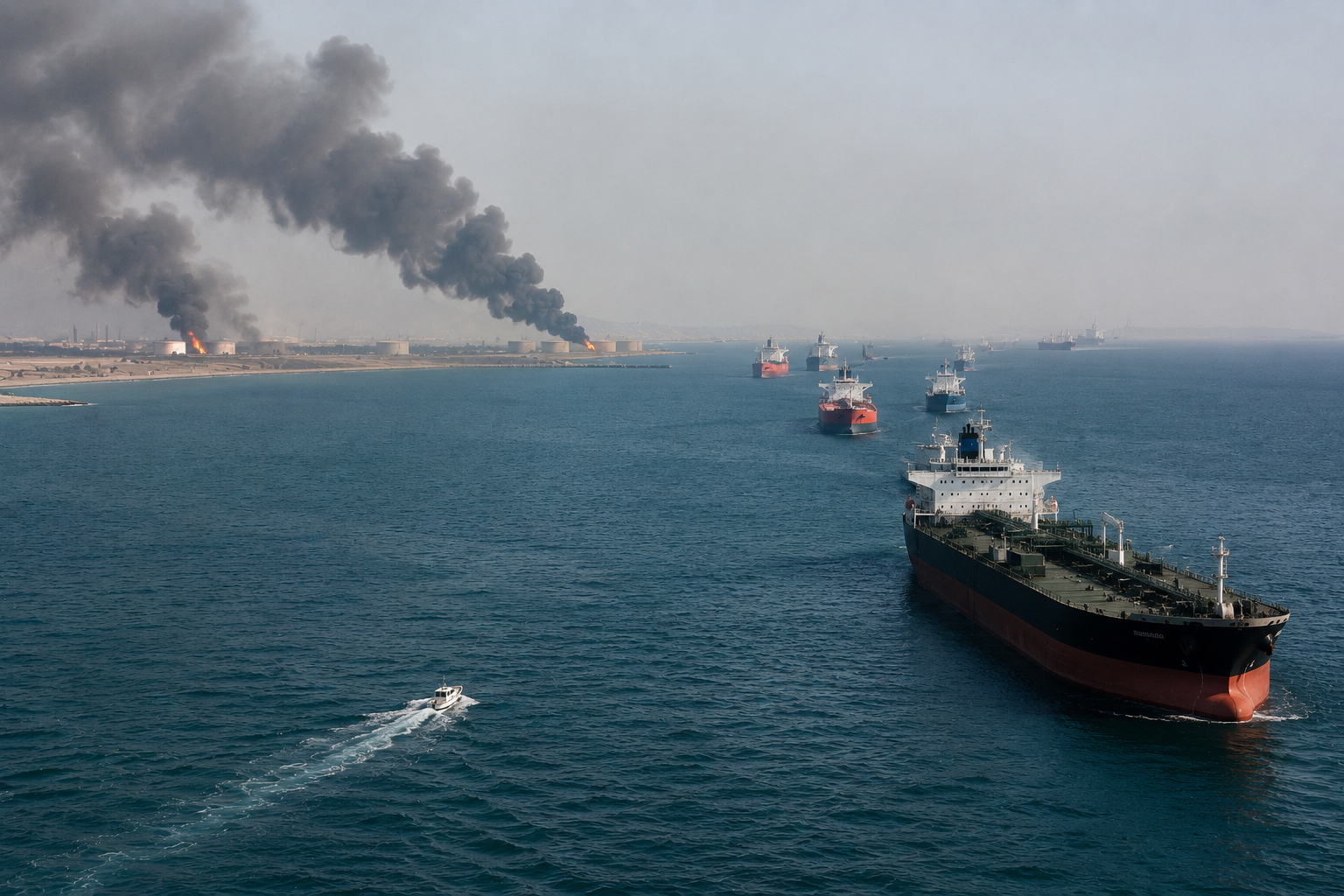
The slowdown came after Yemen's Houthi movement claimed responsibility for strikes on oil facilities operated by Saudi Aramco in the cities of Yanbu and Jizan.
The attacks are part of a broader campaign targeting Saudi export infrastructure along the Red Sea, increasing concerns about the security of key maritime energy routes.
The disruption has added pressure to global oil markets already affected by geopolitical tensions in the Middle East.
Oil Tankers Continue Operations Despite Risks
Despite lower shipping volumes, several oil tankers continued transiting through the Red Sea.
According to the shipping data:
-
Two Very Large Crude Carriers (VLCCs) entered the Red Sea to load Saudi crude.
-
A Hong Kong-flagged tanker carrying 2 million barrels of Saudi and Emirati crude continued toward eastern China.
-
Another tanker transported approximately 750,000 barrels of Saudi crude bound for Pakistan.
-
A fourth Chinese-bound VLCC carrying Saudi crude also exited the Red Sea after the latest escalation.
The continued movement of tankers suggests that some energy exports are still flowing despite heightened security concerns.
Strait of Hormuz Traffic Also Remains Weak
Shipping activity through the Strait of Hormuz, another critical global oil chokepoint, remained subdued over the weekend.
Fewer than 10 commodity vessels transited the waterway each day, according to Kpler.
While military tensions between the United States and Iran have temporarily eased, shipping companies continue to exercise caution because of ongoing regional uncertainty.
Reduced vessel traffic indicates that many operators remain hesitant to resume normal transit levels.
Oil Prices and Freight Costs Under Pressure
The disruption to two of the world's most important energy shipping routes has already affected global energy markets.
Market participants report that:
-
Prices for physical crude cargoes from the Middle East, Europe, and Africa have climbed to two-month highs.
-
Shipping companies face increased operational risks.
-
Freight and insurance costs may remain elevated if security concerns continue.
Analysts say prolonged disruptions could tighten oil supplies and increase transportation expenses for refiners and importers worldwide.
Why the Red Sea Matters
The Bab el-Mandeb Strait is one of the world's most strategically important shipping corridors.
It serves as a vital route for:
-
Crude oil exports
-
Refined petroleum products
-
Container shipping
-
Trade between Europe, Asia, and the Middle East
Any sustained disruption can have ripple effects across global supply chains and energy markets.
What's Next
Shipping companies and energy traders will continue monitoring security conditions around the Red Sea and the Strait of Hormuz. If attacks on regional infrastructure persist, vessel traffic could remain below normal, potentially increasing shipping costs and adding further pressure to global oil prices in the coming weeks.
FAQ
Why did shipping through the Red Sea decline?
Traffic fell after Houthi forces launched attacks on Saudi oil facilities, prompting greater caution among shipping operators using the Bab el-Mandeb Strait.
How many ships passed through the Bab el-Mandeb Strait?
According to shipping data, 11 commodity vessels transited the strait on Sunday, the lowest daily level in several months.
Is oil still moving through the Red Sea?
Yes. Several oil tankers, including Very Large Crude Carriers (VLCCs), continued transporting Saudi, Emirati, and Russian crude despite the heightened security risks.
What is happening in the Strait of Hormuz?
Shipping volumes also remained below normal, with fewer than 10 commodity vessels passing through daily over the weekend despite a pause in U.S.-Iran military strikes.
Why is the Red Sea important for global trade?
The Red Sea and the Bab el-Mandeb Strait are major international shipping routes connecting Europe, Asia, and the Middle East. Disruptions there can affect oil supplies, freight costs, and global trade flows.