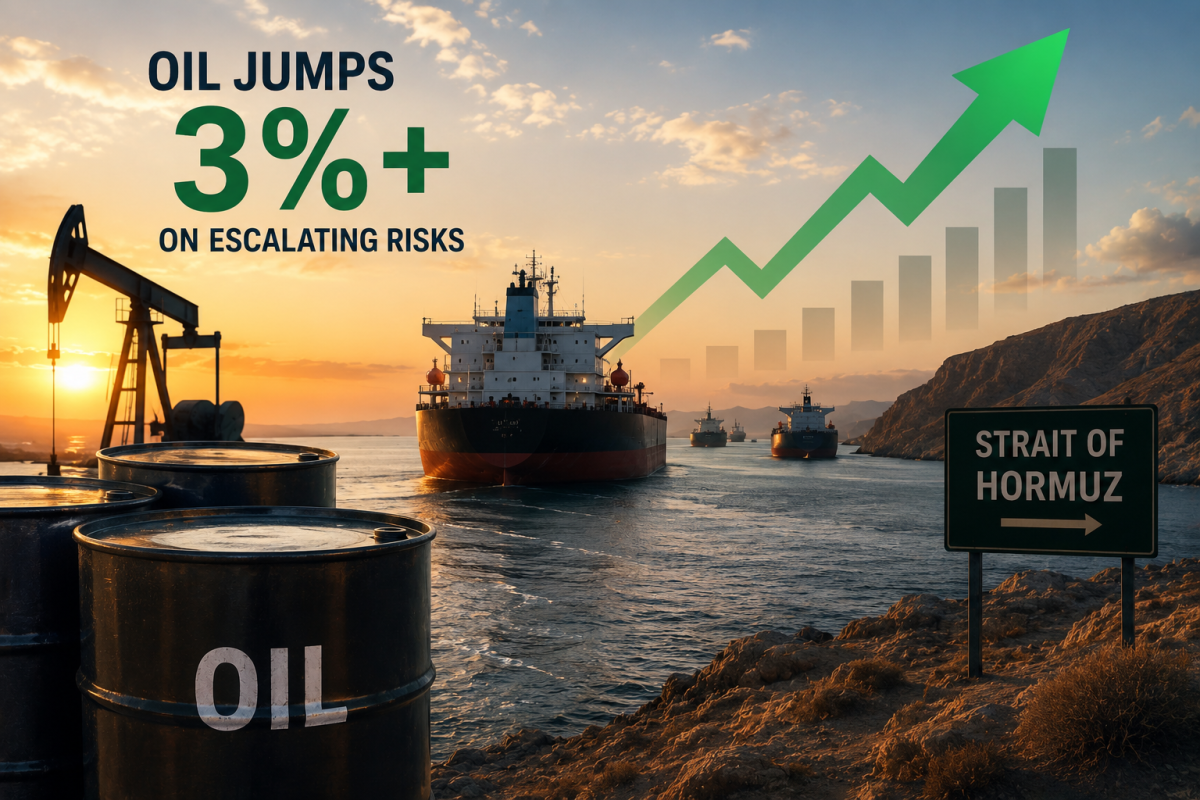
Oil Prices Jump More Than 3% as U.S.-Iran Strikes Raise Fears Over Strait of Hormuz Supply Disruptions.
Oil prices climbed more than 3% Monday after renewed military strikes between the United States and Iran heightened concerns about crude shipments through the Strait of Hormuz, a critical chokepoint for global energy supplies. The latest escalation added fresh uncertainty to oil markets already watching developments in the Middle East.
Brent crude futures rose $2.67, or 3.5%, to $78.68 a barrel, while U.S. West Texas Intermediate (WTI) crude gained $2.48, or 3.5%, to $73.89 during early trading.

Strait of Hormuz Tensions Push Oil Higher
The latest price rally followed a weekend of military exchanges between Washington and Tehran that reignited fears of disruptions along the Strait of Hormuz.
Iran said it had once again closed the strategic waterway after targeting U.S. facilities across the Gulf, while Iran's Revolutionary Guard claimed responsibility for attacks on U.S. military bases in Kuwait and Bahrain.
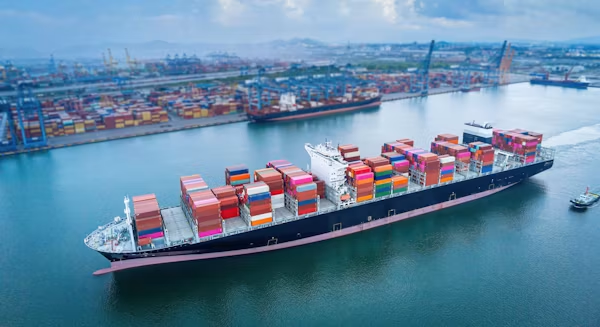
The United States has maintained that the strait remains open for commercial shipping, but the conflicting claims have intensified uncertainty across global energy markets.
Shipping Activity Slows as Security Concerns Grow
Shipping companies have responded cautiously to the deteriorating security situation.

Analysts at ANZ said inbound vessel movements have slowed as operators assess the risks of navigating one of the world's busiest energy corridors.
Ship-tracking data showed traffic through the Strait of Hormuz dropped to a five-week low on Sunday, with only six vessels transiting the passage, according to Kpler.

Before fighting erupted earlier this year, the strait carried roughly 20% of global oil and liquefied natural gas shipments, making it one of the most important energy routes in the world.
Conflict Clouds Future of U.S.-Iran Agreement
The renewed attacks have also raised doubts about the future of the interim agreement reached between the United States and Iran last month.
The deal was intended to ease tensions, reopen maritime traffic, and create a 60-day window for broader negotiations aimed at ending the conflict.
According to the International Energy Agency (IEA), global oil supply increased by 4.1 million barrels per day in June following the agreement. Even with that recovery, worldwide production remains 9.4 million barrels per day below pre-war levels, highlighting the ongoing impact of the conflict.
Trump Says Commercial Shipping Continues
President Donald Trump said Sunday that commercial vessels continue to move through the Strait of Hormuz despite Iran's announcement that it had closed the waterway.
The competing statements have left traders weighing the actual risk to global supply, contributing to increased market volatility as investors monitor developments across the Gulf.
Pipeline Expansion Could Reduce Future Risks
Analysts at Goldman Sachs believe expanding regional pipeline infrastructure could lessen the global market's dependence on the Strait of Hormuz over the next several years.
The bank estimates that additional pipeline capacity could protect more than 60% of Gulf oil exports from future disruptions by the end of 2028.
Its projections suggest bypass capacity around the strait could increase by 3.8 million barrels per day by the end of 2027, eventually exceeding 14 million barrels per day by the end of 2028.
Iranian Oil Faces Slower Demand
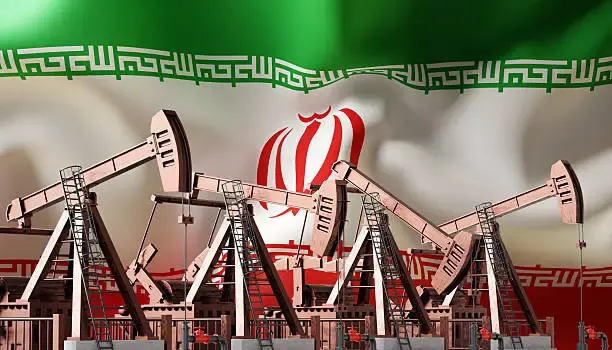
While Iran has increased crude exports during the temporary ceasefire period, sales have reportedly slowed.
Chinese independent refiners have increasingly turned to lower-priced crude supplies from Iraq, the United Arab Emirates, and Qatar, reducing demand for Iranian shipments.
Meanwhile, the Abu Dhabi National Oil Company (ADNOC) lowered the official selling price of its benchmark Murban crude for August to $80.01 per barrel, down sharply from $101.48 the previous month, reflecting changing regional market conditions.