Oil Prices Fall to More Than One-Week Low After U.S. Pauses Iran Strikes
Global oil prices dropped sharply on Monday, settling at their lowest levels in more than a week after the United States paused military strikes against Iran, raising hopes that diplomacy could reduce tensions in the Middle East. However, analysts caution that oil markets remain vulnerable because shipping through key export routes is still heavily disrupted despite the temporary pause in fighting.
The decline follows weeks of heightened volatility that pushed crude prices above $100 per barrel amid concerns over disruptions to oil exports from the Gulf region.
Oil Prices Record Sharp Decline
Crude oil futures posted their biggest losses in days as investors reacted to signs that diplomatic efforts may prevent further escalation.
At the close of trading:
-
Brent crude fell $8.42, or 8.7%, to settle at $88.36 per barrel.
-
West Texas Intermediate (WTI) crude dropped $6.70, or 7.5%, to $82.61 per barrel.
Both benchmarks ended at their lowest closing levels in more than a week after previously surging above $100 during the recent Middle East conflict.
U.S. Pause in Iran Strikes Boosts Diplomatic Hopes
Investor sentiment improved after the United States suspended its military campaign against Iran over the weekend.
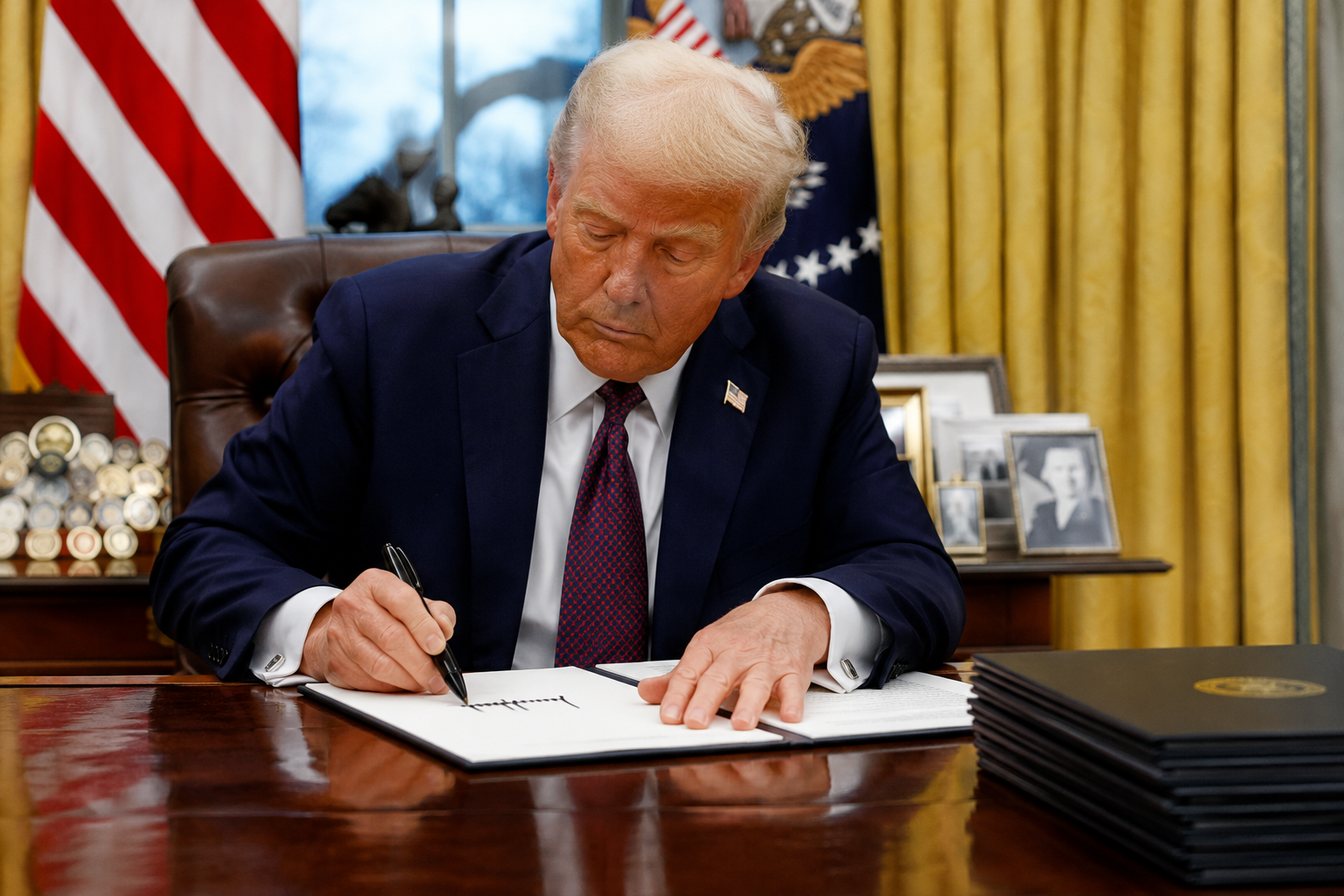
According to U.S. officials, President Donald Trump paused the attacks to allow additional time for diplomatic negotiations.
Trump later said the United States was holding productive discussions with Iran and expressed optimism that an agreement could still be reached. However, he also warned that strong military action remains an option if negotiations fail.
The combination of diplomacy and continued military pressure created cautious optimism across energy markets.
Shipping Disruptions Continue Despite Truce
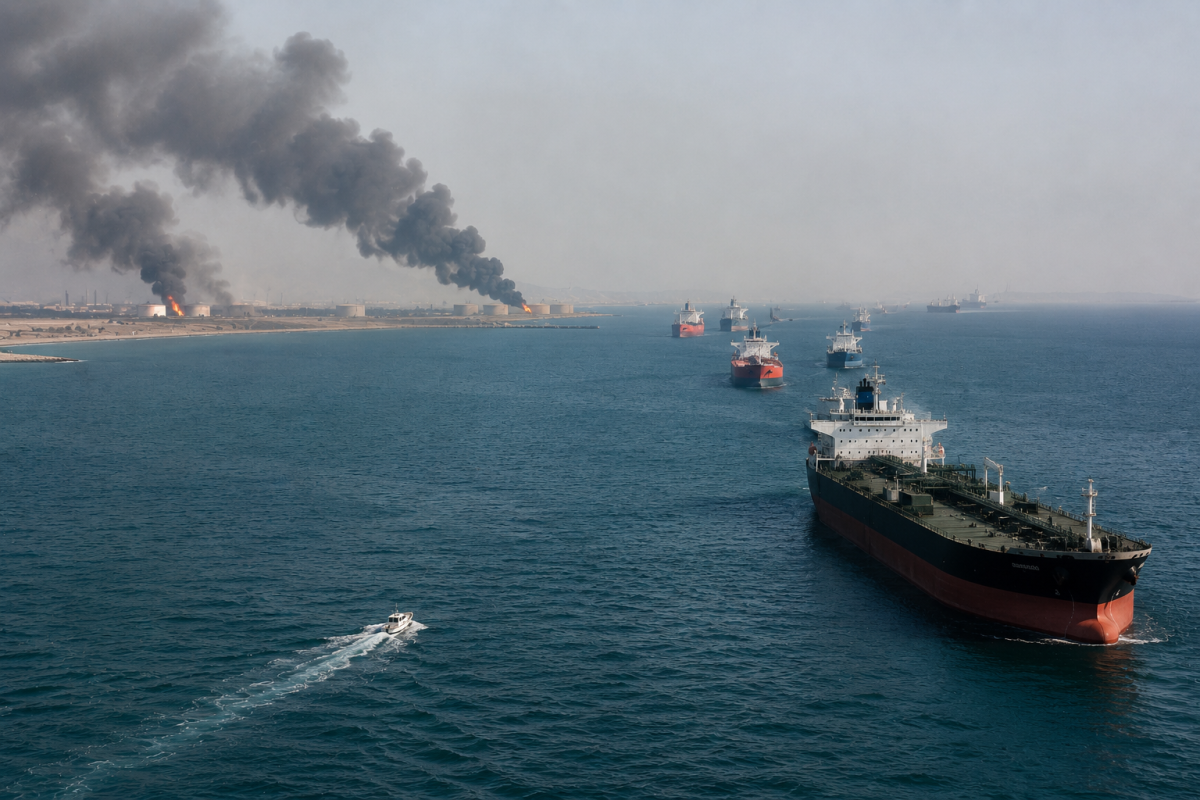
Although military operations have slowed, oil transportation through the region remains well below normal.
According to shipping data:
-
Traffic through the Strait of Hormuz remains significantly reduced.
-
Ship movements through the Bab el-Mandeb Strait have also declined following recent attacks near the Red Sea.
Analysts say the temporary diplomatic pause has not yet restored normal oil exports or shipping activity.
Many shipping companies continue rerouting vessels or delaying voyages because of ongoing security concerns.
Analysts Warn Market Risks Remain High
Energy analysts believe oil prices could remain highly volatile as developments in the Middle East continue to unfold.
Despite easing geopolitical tensions, several risks remain:
-
Oil exports through key shipping lanes remain constrained.
-
Security concerns continue affecting commercial shipping.
-
Any renewed military escalation could quickly push prices higher again.
-
Diplomatic talks have not yet produced a formal agreement.
Market participants say oil prices will likely continue reacting to every major diplomatic or military update.
Kazakhstan Supply Disruption Adds Uncertainty
The global oil market also faced supply concerns outside the Middle East.
Kazakhstan temporarily experienced a sharp decline in oil production after its primary export terminal on Russia's Black Sea coast was affected by drone-related disruptions.
Although authorities later confirmed that oil loading operations had resumed, the incident highlighted the vulnerability of global energy infrastructure.
Why the Strait of Hormuz Matters
The Strait of Hormuz is one of the world's most important energy chokepoints, carrying a significant share of global crude oil exports.
Any disruption to shipping through the waterway can affect:
-
Global oil supplies
-
Fuel prices
-
Shipping costs
-
Energy security
-
International trade
Even with military activity paused, shipping volumes remain far below normal levels, limiting immediate improvements in oil supply.
What's Next
Oil markets will continue monitoring diplomatic negotiations between the United States and Iran, along with shipping activity in the Strait of Hormuz and the Red Sea. Traders will also watch for any renewed military escalation, changes in global oil production, or improvements in shipping volumes that could influence crude prices in the coming weeks.
FAQ
Why did oil prices fall?
Oil prices declined after the United States paused military strikes against Iran, increasing hopes that diplomacy could prevent further conflict in the Middle East.
How much did oil prices drop?
Brent crude settled at $88.36 per barrel, while U.S. WTI crude closed at $82.61 per barrel, marking their lowest levels in more than a week.
Is shipping through the Strait of Hormuz back to normal?
No. Shipping traffic through the Strait of Hormuz remains significantly below normal despite the temporary pause in military operations.
Why is the Strait of Hormuz important?
The Strait of Hormuz is a critical global shipping route through which a large portion of the world's oil exports passes. Disruptions there can affect global energy prices and supplies.
What could move oil prices next?
Future developments in U.S.-Iran negotiations, shipping activity in the Middle East, regional security conditions, and global oil supply updates are expected to remain the biggest drivers of oil prices.